

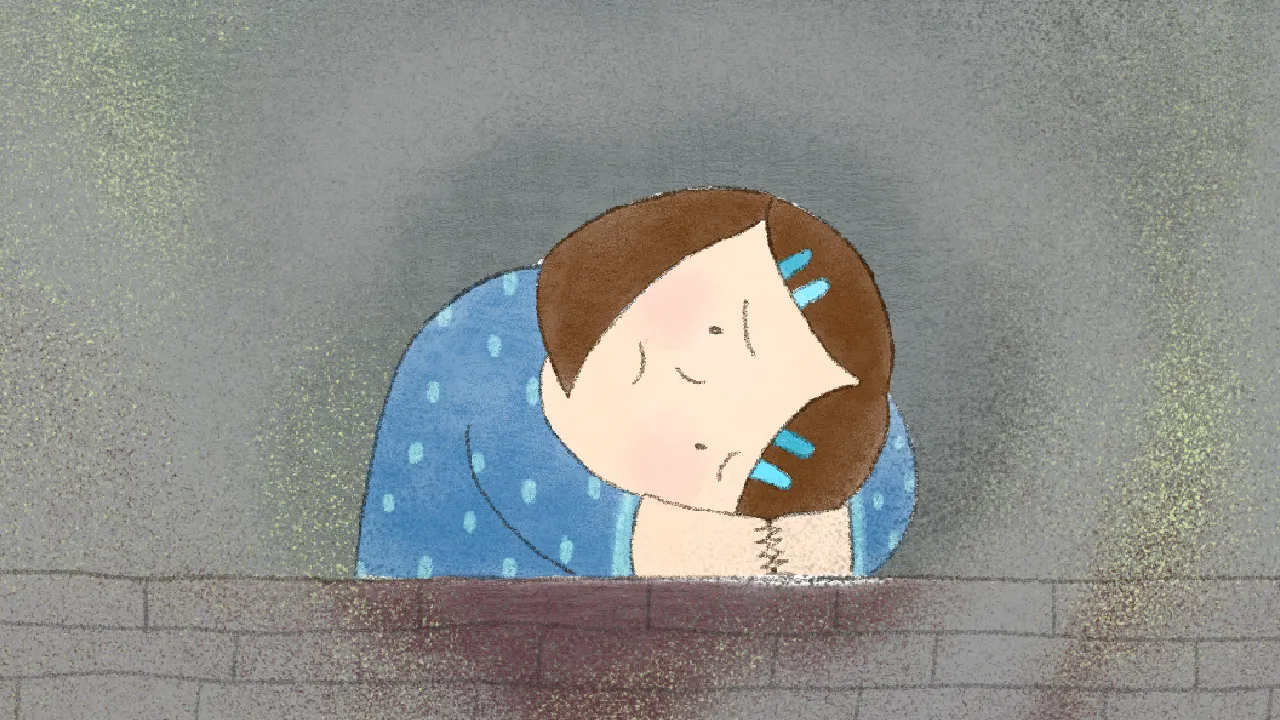
When pollution levels rise beyond the standards, we might address the immediate problem by wearing masks and protecting our lungs. However, a more concerning reality is that PM2.5 dust does not stop at affecting only the respiratory system.
Because of its tiny molecular size, PM2.5 can easily penetrate the blood-brain barrier—a protective shield that normally guards the brain from foreign substances—and trigger inflammation within the brain.
Continuous brain inflammation affects not only the physical structure but also disrupts the brain's chemical communication processes, causing cellular stress in areas that control our emotions and feelings.
Research from Harvard T.H. Chan School of Public Health examined the link between long-term pollution exposure and mental health in the elderly, finding a direct correlation between prolonged air pollution and increased risks of depression andanxiety disorders.Especially among the elderly and those living in areas with high pollution concentrations, the study shows that even pollution levels below standards, if experienced continuously over time, can gradually weaken mental health, potentially leading to emotional breakdowns.
What is particularly worrying is that pollution is not just an external factor but a 'cumulative factor' that gradually alters our ability to manage emotions and feelings day by day, often without our awareness of the real cause.
Beyond sadness and anxiety, research on structural brain changes due to PM2.5 exposure found that children and adolescents growing up in polluted areas experience alterations in the amygdala—the brain region controlling emotions such as fear, anger, and responses to stimuli—making it harder for them to regulate emotions, increasing aggression, and raising their risk of psychiatric disorders in adulthood.
Pollution also influences genes related to stress responses, meaning PM2.5 may permanently change how our bodies handle stress, making us more prone to stress without realizing it.
. . Real-world impacts on work performance were shown in research titled Associations between acute exposures to PM2.5 and carbon dioxide and cognitive function in office workers, which found that office workers in high dust environments are 6-15% more likely to make mistakes and may have more conflicts with colleagues due to emotional instability.
One severe psychological effect is anhedonia—the inability to feel pleasure or enjoyment from previously liked activities. Pollution disrupts neurotransmitters associated with motivation and satisfaction. When hormones are disturbed, we feel numb, lose enthusiasm for work, and lack motivation for life, which are warning signs of depression.
In the past, mental health care focused on stress management or talking with specialists. Today, as pollution becomes a chronic part of daily life, we need to include 'environmental management' as part of self-care.