

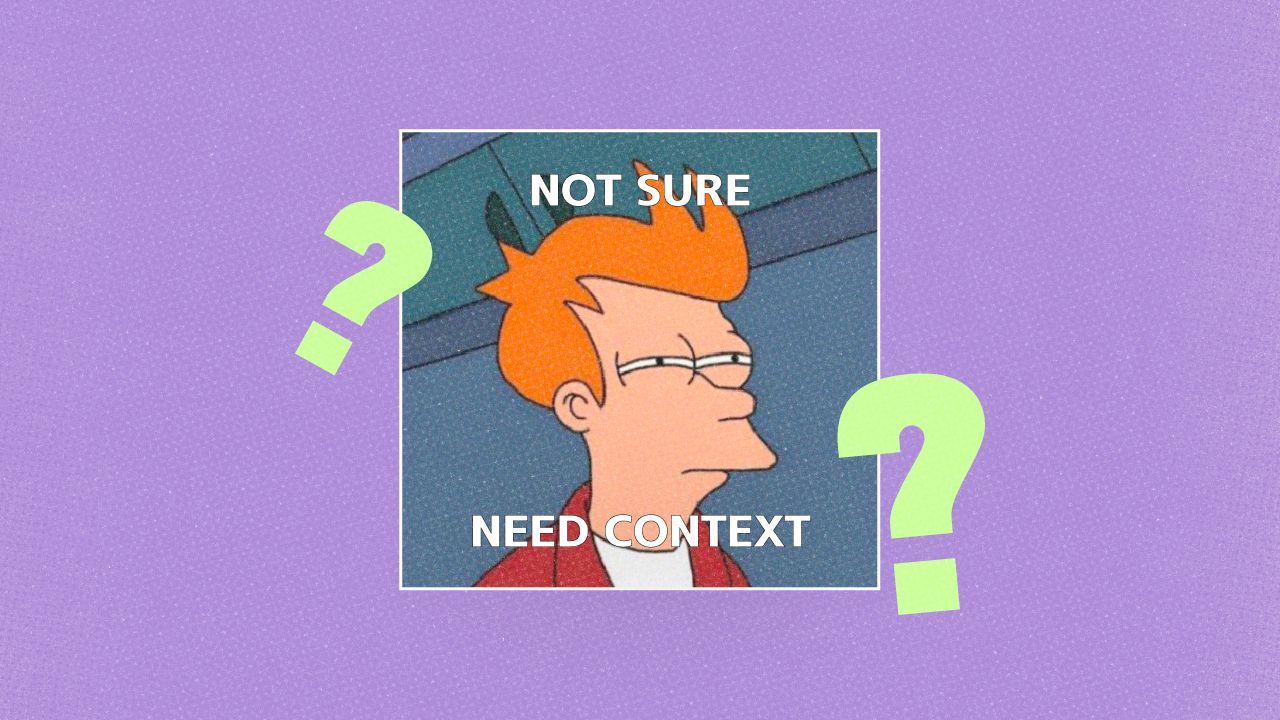
In 2026, the Western world has been talking about a term that captures the nature of today's social media: "Vagueposting," which is taking over feeds and is likely to appear repeatedly.
Simply put, Vagueposting is the behavior of deliberately posting ambiguous, vague messages without context. Often, these posts have negative, rambling content or comment on events, drama, and conflicts without directly naming people or specifying the situation.
Posters may intend to probe reactions or attract attention, inviting engagement while excluding outsiders who don’t understand the context.
This behavior is not new; back when Facebook was emerging, it was called "Vaguebooking," referring to ambiguous status updates indirectly asking for help.
As social platforms diversified, the term evolved. "Vagueposting" was first used in 2011 and resurfaced widely again in late 2025.
One viral post questioned, "Why in the past month have platforms been flooded with crazy Vagueposting? The viral tweets now hardly make any sense since they lack context." This message quickly gained over 22,000 likes within hours, marking Vagueposting as a major trend—and problem—on social media feeds today.
Today, major platforms have changed rules, no longer valuing passive likes from scrolling. Algorithms now prioritize engagement depth, such as comments and back-and-forth discussions.
The quickest way to get comments is to cause confusion. This is especially noticeable on platform X under Elon Musk’s monetization policies, which encourage posting vague or trash content just to prompt people to ask what it means. As a result, "Vagueposting" on X has become an insult.
Think about when you get a message from a partner or close friend saying "Hey" and then going silent—that’s the same feeling reading a Vaguepost.
This phenomenon resembles "Ragebait," or provoking anger to drive engagement, which was Oxford’s Word of the Year for 2025.
Platforms don’t care if comments come from praise or annoyance; engagement is engagement. But in real life, these behaviors cause tension and force our brains to constantly guess.
Knowing someone is farming reactions by stirring both irritation and curiosity, here are three ways to handle feeds full of ambiguity.
1. Practice emotional detachment.
Don’t get upset even if the post seems to hint at you. Most Vagueposting is vague venting or a bid for broad attention rather than targeting anyone specifically. Try reading and scrolling past instead of wasting energy interpreting it.
2. Respond maturely.
If you’re sure the post targets you and you can’t ignore it, avoid public replies that fuel the algorithm. Instead, send a simple direct message to open a straightforward conversation. If Vagueposting from someone affects your mental health, consider hiding or blocking them to manage your feed.
3. Be a savvy netizen.
Rather than seeing it as a constant attack, recognize it as a simple engagement tactic or a sign the poster lacks effective communication skills. You don’t need to get involved emotionally once you understand their intent.
Ultimately, Vagueposting is a product of platform algorithms pushing users to find ways to gain engagement amid ever-increasing information. We can choose how to respond—whether to interact with confusion or clarity—because meaningful human interaction, online or offline, should be sincere, simple, and straightforward.
ReferencesKnow Your Meme,Rolling Stone,Yahoo
#ThairathPlus #ThairathPlus #Vagueposting