

"It's just a broken heart" or "It's just a pet." These phrases may sound trivial to the speaker, but for those experiencing it, such losses are never small.
When you break a limb, everyone understands if you take time off work for a while. But when it's heartbreak or losing a pet, do you receive the same understanding? Do you still have the 'right to recover' from emotional pain?
In this book, Dr. Guy Winch takes you to understand two often overlooked types of heartbreak: from short-term relationships and from losing pets. Those experiencing these often suffer severe grief, but unfortunately, people around them fail to see the seriousness and dismiss it as not life-threatening. Thus, the severity is underestimated, even though these are factors causing deep, long-lasting sorrow.
The book presents six cases to deepen our understanding of heartbreak, such as breakups, inability to forget an ex, and grief from losing a pet. It also offers therapeutic advice to help you discover self-healing and build better understanding toward yourself and those around you.
Heartbreak is not just 'sadness' but a biological experience more intense than expected.
Romantic love stimulates the brain's reward system similarly to addiction. When heartbroken, we experience withdrawal symptoms—obsession, craving, and wanting to see the person again. Looking at old photos, rereading chats, or secretly checking social media is not trivial; it's giving the brain 'small doses.' Meanwhile, we often idealize the ex, remember only good times, and search for the 'real reason' for the breakup, because the brain believes great pain must have a significant explanation. However, dwelling on these questions only exhausts us without bringing us closer to healing.
What’s the next step when you can’t forget them?
For many, losing a pet is like losing a family member because pets are not just 'animals' but friends sharing every life moment—feeling fatigue, happiness, and sorrow alongside us. The problem is society often doesn't give space for this type of grief. We may not get leave from work or have rituals to support us. This lack of understanding causes shame, fear of showing sadness, and increases loneliness, making healing even harder.
Start by accepting the sadness. When ready, gradually handle items that trigger pain—keeping or discarding some to create space for the heart to rest. Then explore what 'void' this loss leaves in your life, such as walks you used to take or bedtime routines, and slowly fill it with new activities to prevent emptiness from becoming a space for old thoughts. Seek others with similar experiences to know you are not grieving alone. When your heart is ready again, welcoming a new pet is not replacing or disloyal but allowing love to flow back into your life.
Society often ignores the seriousness of heartbreak, seeing it as an issue only for youth or the inexperienced, though it causes severe suffering across all ages. Reading this book may help us all recognize the value of emotional wounds and understand that they deserve serious care just like physical injuries.
If you are currently facing pain from loss, this book will be like a companion helping you understand what is happening to your heart and gently guide you toward healing at your own pace.
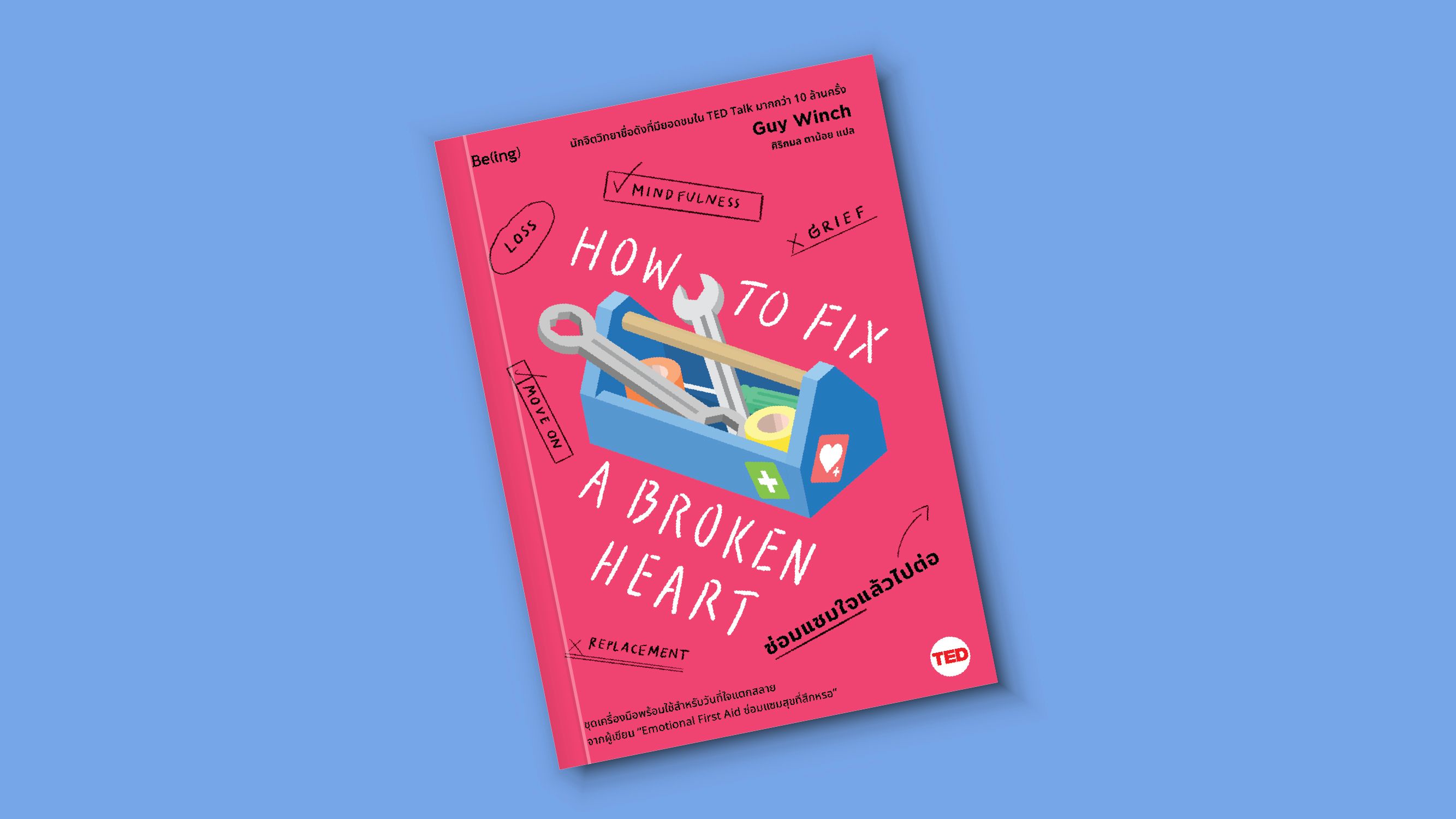
Book title: How to Fix A Broken Heart
Author: Guy Winch
Publisher: Be(ing)