

Nowadays, it’s rare to find social media articles that don’t mention the term FOMO, or Fear of Missing Out. This term has been widely used over the past few years to describe the feeling of not keeping up with global trends, even though the term originated back in 2004. The use of FOMO increased alongside the rise of social media, which promotes mainstream values, communities, and news. The world subtly pressures us to keep pace with others, or risk social exclusion.
Psychologically, FOMO is considered a temporary emotional state that is relatively easy to resolve. It stems from feeling disconnected from social or mainstream trends. The way to address it is by focusing on ourselves, adjusting how we view people on social media, shifting our importance from external social circles to ourselves, and engaging in hobbies that help ground us.
But what if there is a term predating FOMO, describing a more chronic and frightening condition that still affects people today? This term is Social Clock, also known online as Feeling Behind in Life.
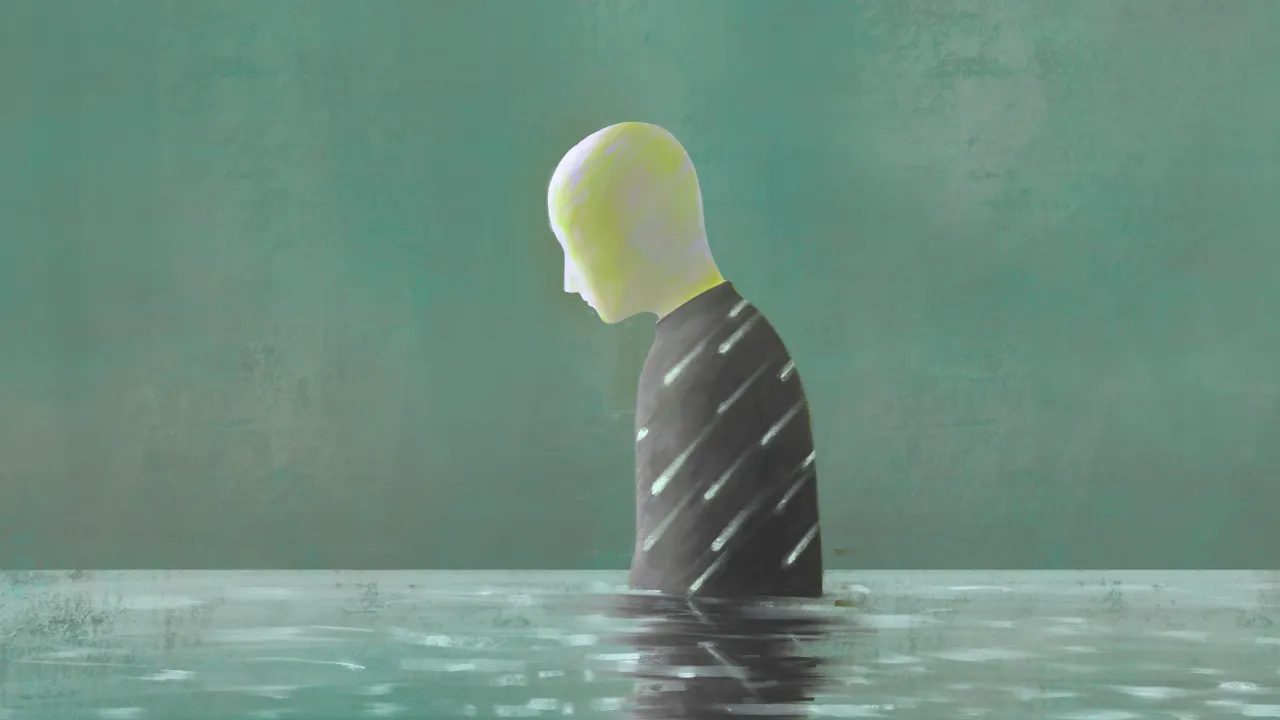
Feeling Behind in Life sounds similar to FOMO and means a persistent anxiety over feeling behind in life. It is chronic worry about not meeting social timelines for success such as marriage, finances, stability, and career. For example, someone may have life goals like marrying by 30, owning a home by 35, and achieving career progress by 50. Social media intensifies this feeling when one sees peers seemingly having it all while they feel left behind. When life doesn’t progress as hoped, Feeling Behind in Life can approach depressive states.
In the past, this feeling wasn’t called Feeling Behind in Life but Social Clock, a sociological term coined by Bernice Neugarten and her research team at the University of Chicago in 1965. Neugarten described the Social Clock as social milestones society expects us to reach. Though each person’s life pace differs, when someone realizes they’ve missed these social milestones, they experience an off-time feeling—being off the ideal life path—leading to stress, self-doubt, and societal pressure.
While the term mid-life crisis was popular earlier, Social Clock or Feeling Behind in Life gained attention around the 2000s when young people began feeling they weren’t growing up fast enough compared to previous generations who owned assets young. In 2001, Alexandra Robbins and Abby Wilner wrote "Quarterlife Crisis: The Unique Challenges of Life in Your Twenties," discussing anxieties of people in their twenties feeling stuck at beginner levels and struggling to emulate their parents’ life timelines.
On YouTube, creators have long discussed this feeling, often calling it Feeling Behind in Life. For instance, Nathaniel Drew posted a video titled "For People Feeling Behind In Life" in 2018, which has over 3 million views. Drew is a creator who seeks to convey that life has meaning, explaining this feeling and offering thoughtful ways to cope in his videos.
"Imagine thousands of years ago, you were a farmer and your neighbor was a farmer too. If they produced more crops, it would be natural to wonder how they did it," Nathaniel said in his video. "If you look at my Instagram, you might think I have a great life—and maybe I do—but those pictures don’t tell the full story."
Nathaniel shared that he once had an open conversation with a senior photographer he worked with. "He was much older and seemed more experienced. We talked about this feeling, and he told me, ‘I’m just like you. I’m in the same phase, trying to figure out what I want to do next.’" Nathaniel said this was a life-changing realization: everyone has their own timing and is continually searching for themselves.
He explained that there is no such thing as Feeling Behind in Life because it involves using a time ruler that may not be ours. It is a timeline created by others’ successes.
We might need to ask ourselves whose timeline we are following—is it our parents’, or society’s? Importantly, we must consider global circumstances, economic realities, uneven personal growth, and resources. Chasing others’ or society’s success milestones is playing their game. We need to find ways to break free by valuing what we do in our own unique way.
Crucially, we must "stop comparing our lives with others’" or even with our past selves. We can allow ourselves to feel sad or disappointed if life doesn’t go as planned, but we must pull ourselves back and see if the reality before us can be incorporated into our life plan, and how.
Accepting life’s reality sounds simple but is difficult. Once we can do this, we can grow according to our own milestones with value, love ourselves more, and appreciate every moment we have.
.References: