

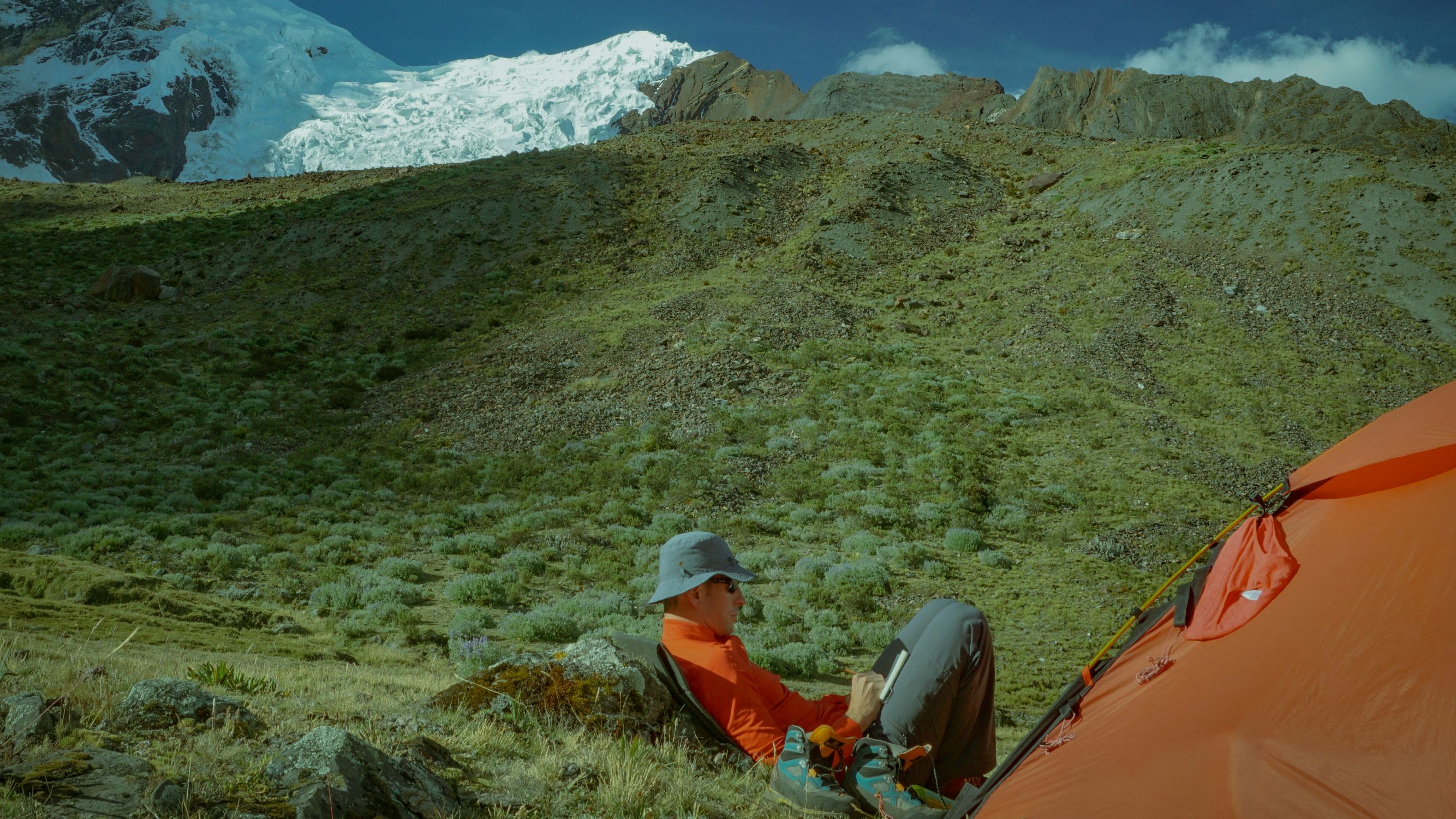
“Why make travel difficult?” is a common question appearing in comment sections of YouTubers or anyone who ventures to places outside the city, into forests or mountains, or to remote areas with challenging travel and living conditions. Some ask, “Isn’t travel supposed to be a form of relaxation?” On the other hand, some argue, “Why focus on comfort when travel is about seeking new experiences, growing, and encountering things rarely found in daily life?” The question sparks contrasting views about the purpose of travel.
Travel seems divided into two major perspectives: traveling to relax and traveling for experience (often involving some hardship). This division often surfaces in conversations, sometimes sparking debates about the true value of travel.
A look at YouTube reveals a growing number of travel-focused channels. According to Net Influencer data, in the second quarter of 2025, travel-related YouTube channels increased by 64 percent. Combined with existing channels, there are about 3 million users uploading travel content, though only a few thousand do so regularly. This highlights that travel creators are among the most common and relatable content producers because their experiences resonate emotionally with viewers.
With more creators, competition rises, leading travel content producers to present their work in varied ways. Ultimately, travel divides into two main types: visiting off-the-beaten-path, lesser-known places or going to popular, well-loved destinations. Audience tastes then fuel debates among acquaintances about travel’s true value. One person says, “Travel must involve nature, new cultures, and meeting people,” while another insists, “Travel should be restful; after hard work, why exhaust yourself again?” Such arguments sometimes lead to stereotyping each side’s identity.
“Backpackers”: A Travel Concept Deeply Rooted in Western Culture
Everyone is familiar with the term “backpack.” It doesn’t just mean a large bag for travel but also refers to a style of travel that requires resilience, often solo, staying in hostels, dressing simply, and traveling on a limited budget or "on budget." This style is closely associated with Westerners, who were among the first to travel to Thailand in this manner.
Backpacking was initially unfamiliar to most Thais, who typically traveled in groups—friends or family. Factors such as safety, travel methods, unfamiliarity, and the belief that travel should be fun and spent with close relations influenced this trend.
Conversely, solo travel has long been ingrained in Western culture since the 17th to 19th centuries, known as The Grand Tour era. Wealthy young men were sent to travel across Europe—cities like Paris, Venice, Florence, and Rome—for months or years to study languages, art, and gain worldly experience before settling down. While they rarely traveled truly solo (usually accompanied by servants and tutors), this concept influenced later Western generations regarding experiential travel.
Later, during the 19th-century Romantic era, travel shifted from an elite pursuit to one embraced by intellectuals. Poets and writers like Henry David Thoreau, author of Walden, sought solitude away from industrialization by living in nature, inspiring the idea of travel as a return to oneself and an escape from urban chaos.
The hippie era of the 1970s to 1980s had perhaps the most significant impact, marking the true emergence of backpacking. Hippies, valuing freedom and peace, embraced Eastern philosophies, associating travel to the Oriental World with self-discovery.
These hippie groups traveled in communities, rejecting money, traveling within their means, staying in hostels, and eating street food because they found it more "authentic." Interacting with locals was a way to test their independence. Their journeys became so renowned they inspired the 1973 guidebook "Across Asia on the Cheap" by Maureen and Tony Wheeler, outlining routes from Europe through the Middle East to Asia, especially India.
These Western travel values have persisted into modern times. Educational institutions and families encourage periods of solo travel as part of life learning, giving rise to the concept of a "Gap Year"—a break between high school and university or during college to travel. Films like Into the Wild and Eat Pray Love further popularized the allure of Eastern travel.
Thais have only embraced solo travel in the last few decades, influenced by observing Western travelers and the rise of travel content. Solo travel has become more accessible and accepted in Thailand, aligning with Western ideas of gaining experience, self-development, and identity growth.
Traveling Comfortably Is Not Wrong
The phrase “comfortable, comfortable, as long as it pleases” from Bird Thongchai’s song aptly describes traditional Thai travel—originally focused on relaxation or staycations. Historically, King Rama V introduced this leisure concept to Thailand after the railway to the south was built. Hua Hin became the first retreat for the elite, featuring resorts and royal residences, marking the origin of popular urban escapes during that era.
This style of relaxation travel also stems from Western influence. The word "vacation" derives from "vacate one’s normal life," reflecting a travel form that emerged alongside industrialization in the late 19th century. The growing middle and working classes sought rest, giving rise to package tours offering accommodation, sightseeing, and meals in one payment. This included Asian colonial destinations like Burma and Indonesia. After World War II, resorts and accommodations proliferated, developing into a stable business sector.
Comfortable travel involves moving from one environment to another new one that might not offer many activities but serves to heal the mind amid a hectic world and heavy workloads. Having time alone and enjoying delicious food can bring profound happiness.
Later, more Thais began traveling abroad, to neighboring countries and throughout Asia, as travel costs became comparable to domestic trips. The rise of travel creators showcasing destinations reassured travelers that these places are "not difficult" to visit. Experiencing new, tasty foods in fresh atmospheres became easier.
Today, travel is accessible to everyone, regardless of social class. Even journeys outside the city count as reachable travel. Historically limited to elites, travel now includes self-development and carefree relaxation, each offering distinct positive values without one being "better" than the other.
As humans, the meaning of relaxation varies. For some, it means retreating quietly to a comfortable bed; for others, it means exploring new sights, challenging themselves, or trying unfamiliar things—both can be valid forms of rest.
What about you? How do you see your own travel style?
References: