

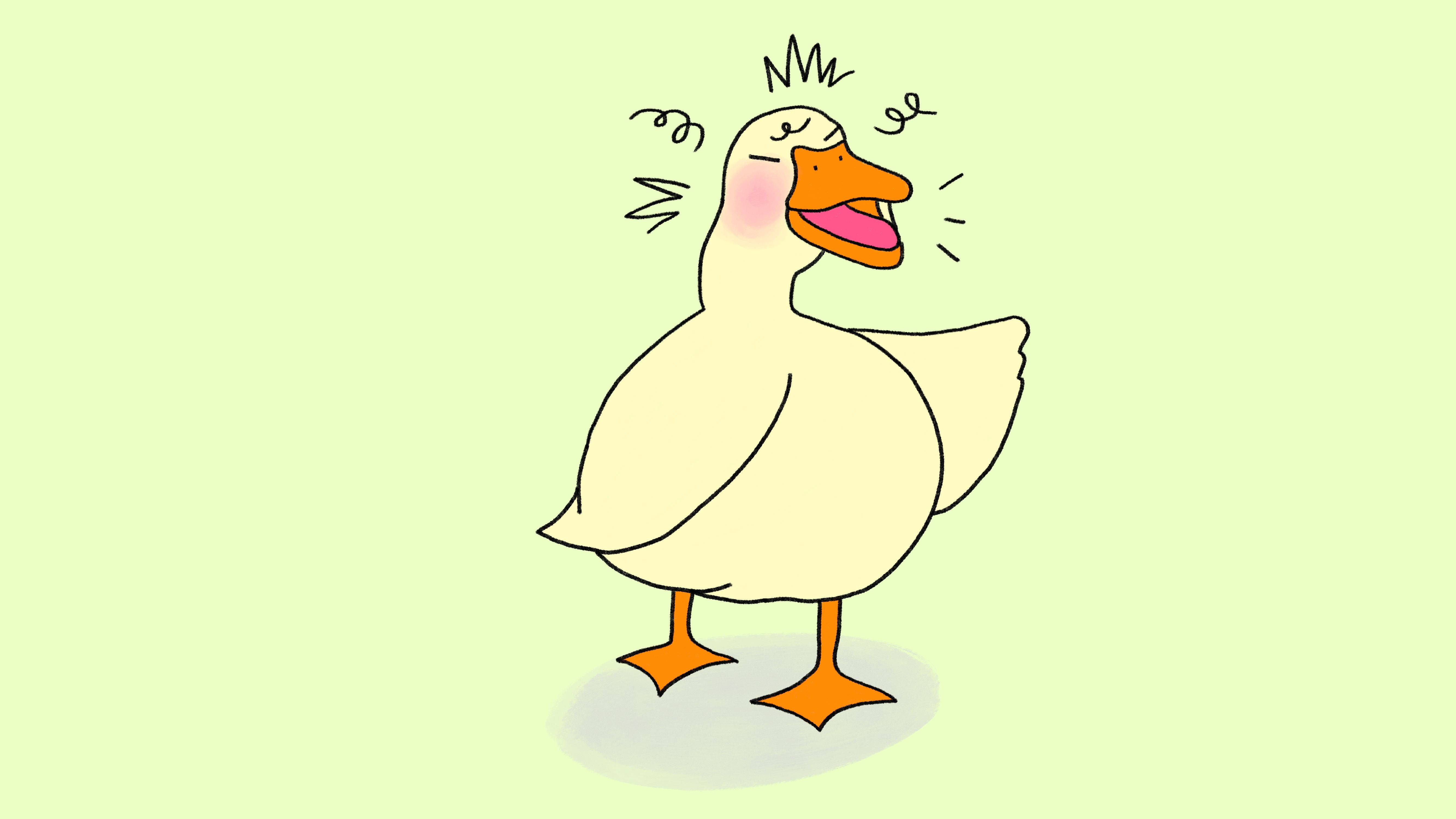
Everyone has 'that person' in their life — someone whose name appearing on your screen makes you sigh immediately. This is a person who always irritates you no matter what they say, or perhaps someone who doesn’t mean to be annoying but leaves you feeling drained after communicating with them.
In fact, irritation is an emotion everyone experiences, and feeling that way is not wrong. The difference is that some people let their emotions take over, damaging relationships, while others can handle the same situation without losing energy or feeling overwhelmed.
Psychologists often explain that we cannot control others’ behavior but can choose constructive ways to respond. Even if some words cause emotional pain, it is the ongoing reactions that inflict more serious damage.
To prevent things from escalating, Nong Ped invites you to read advice from psychologists, communication experts, and negotiation specialists from international institutes on how to handle people who constantly irritate us, helping maintain relationships without conflict.
When encountering words or behaviors that affect our feelings, our brain reacts through a survival mechanism called Fight-or-Flight—either to fight or flee. This prepares us to face threats. Even if the situation is just a normal conversation, the emotional part of the brain becomes more active than the reasoning part, reducing the effectiveness of decision-making, speech control, and problem-solving.
Advice from Harvard Medical School suggests always pausing before retorting to help the brain regain better reasoning. This could mean stopping to take deep breaths or giving yourself time to think before speaking. This method helps suppress impulsive emotions that may cause long-term harm because most relationship breakdowns stem not from the initial problem but from how each side reacts during emotional peaks.
Emotions are contagious: when one person uses a harsh or loud tone, the other automatically replies with a similar tone, turning a simple conversation into a battle to win.
Dr. Brianne Markley, a psychologist from the Cleveland Clinic and Cleveland State University, points out that staying calm is the most effective way to stop the conflict cycle. When no one fuels the anger, emotions don’t escalate. She emphasizes that calmness is not surrender or allowing the other party to act arbitrarily but choosing not to let others’ emotions dictate our behavior.
Communicating with a steady tone, using neutral words, and avoiding sarcasm or accusations helps keep the conversation grounded in reason and reduces irritation.
When dealing with someone who constantly irritates us, some may hastily label the other as unreasonable or troublemakers. However, Katie Shonk, a Harvard researcher and negotiation expert, argues that rushing to judge can prevent us from seeing the reasons behind the behavior.
Often, aggression, irritation, or inappropriate expressions result from stress, pressure, fatigue, or insecurity the other person is facing. Although it might sound like an excuse, understanding the origins of behavior helps us view situations more objectively and reduces interpreting every action as malicious intent.
Stopping judgment and trying to understand the other person helps us choose responses suitable for the situation and lowers the tension in conflicts.
Besides differences in opinions or perspectives, endless irritation often arises from a lack of genuine listening from the start. Research from Harvard’s Negotiation and Conflict Management Program suggests that 'active listening' is a key skill that reduces tension and fosters a more open communication atmosphere.
Listening to understand means valuing what the other party tries to convey—information, feelings, and needs. Neutral listening makes the other feel their views are accepted as valid information, even if we don’t agree on everything.
When feelings face less opposition, conversations shift from attempts to win to collaboratively seeking solutions, which is the main goal in frustrating communication situations.
Maintaining relationships doesn’t always require accepting inappropriate behavior. Dr. Markley explains that setting boundaries is part of good communication, helping both sides understand which actions are acceptable and which are not during interactions.
Setting boundaries is not about controlling or changing others but politely and clearly stating that disrespect, shouting, foul language, or threats are unacceptable. If the other party refuses to stop or listen, creating distance is the best option because lack of mutual respect usually ends badly.
Katie Shonk advises that an essential skill in managing irritation from unwanted interactions is distinguishing which matters deserve attention and which do not, as not every opinion, criticism, or provocation leads to productive conversation.
Before reacting to upsetting situations, assess whether responding will help resolve the issue or just escalate the conflict. If the other party’s goal is emotional venting or causing strife rather than reasoned exchange, not responding may be the better choice.
Choosing to let some things go is a way to manage time, energy, and emotions on issues that can truly produce positive results, helping maintain personal calm and reducing unnecessary conflict escalation.
Each situation is different. We might quickly resolve conflicts with difficult coworkers but need more time and energy for challenging family members.
We must also remember that every person grows up differently, with unique ways of thinking, communicating, and managing emotions. What works with one person may not work with another.
Dr. Markley explains, “Humans are complex social beings, so there is no single correct way to handle difficult situations. Trial and error may be necessary to find the best approach or a set of solutions that help the most.”
However, experts agree that in facing diverse people, the ability to manage one’s own emotions is more influential on relationship quality than trying to change others.
Some situations require patience, others clear communication, and sometimes stepping back is the best choice.
Nong Ped hopes these 7 methods help readers handle irritating people and make daily communication lighter, preventing others' emotions from controlling and defining our mood every day.
References