

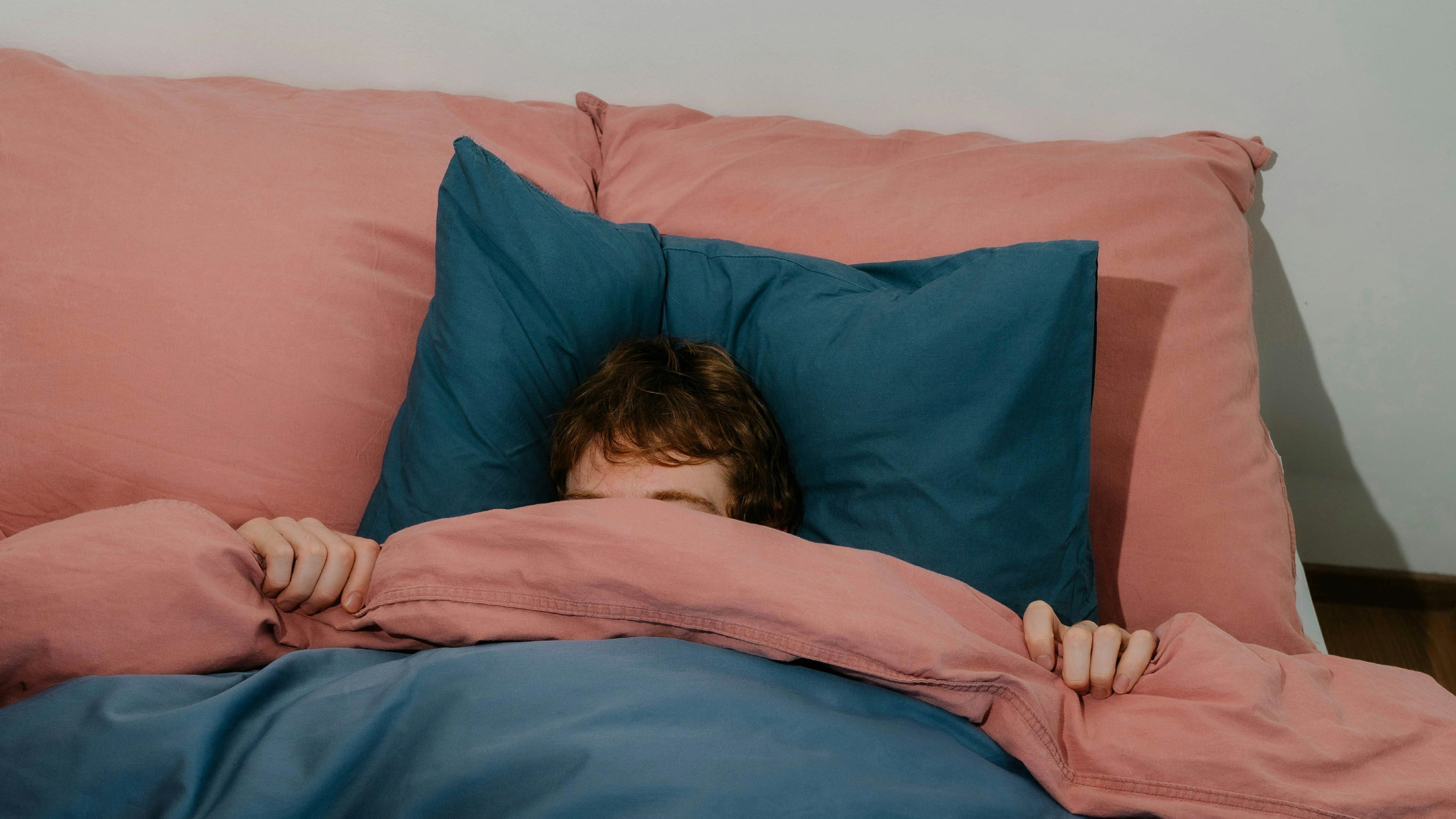
Spending a day off lying still in bed, doing nothing beyond scrolling through feeds, choosing to watch series, play games, or do various activities without intending to get up, seems to be growing in popularity, even though the image resembles typical laziness.
However, this behavior has been named among social media users as ‘Bed Rotting,’ which started gaining recognition on TikTok around 2023 as the deliberate use of time spent in bed to rest from routines without needing to accomplish anything significant, later becoming a viral trend with millions of views.
To briefly and simply define ‘Bed Rotting,’ it means eating and sleeping in bed without getting up to do any physical activity.
Vanessa Hill, a sleep scientist, explains that this concept is like allowing oneself to do less and not feel guilty about resting, especially for those who feel tired or pressured to be constantly active.
From a scientific perspective, it is rest that allows muscles, joints, and the nervous system to recover from daily stress, and temporarily disconnecting from distractions may reduce stress. Therefore, if lying in bed makes someone genuinely feel rested, it could be beneficial as a period of relaxation.
It should be understood that the term Bed Rotting is just a social media expression, not an official or medical term, and there is no research studying this behavior directly. To answer whether lying in bed all day truly refreshes the mind or body requires knowledge from research on sleep, physical activity, and mental health to assess potential effects.
In terms of rest, lying in bed can be beneficial if used as a recovery period, especially for those who lack sleep and need to catch up. The Sleep Foundation, an organization focused on sleep health, explains a similar concept: catch-up sleep on days off may help reduce some effects of sleep deprivation, but it is not a substitute for consistently sufficient sleep every night in the long term.
If the rest is not full sleep but involves lying down while doing various activities like watching series or scrolling social media, it may not be true rest and can affect physical performance and strength—for example, staying in one position too long can cause neck, back, or hip pain, as well as joint stiffness and muscle fatigue.
Another important point is to distinguish between ‘rest’ and ‘sleep,’ since the bed is not just a place for rest but part of a system the brain associates with sleep. Sleep experts therefore recommend using the bed mainly for sleeping. Spending long periods awake in bed watching TV, using phones, or doing other activities may weaken the association between the bed and sleep, possibly causing sleep problems or insomnia in some individuals.
Also, staying in bed all day often means staying indoors all day, which reduces exposure to natural light. Less natural light affects sleep-wake cycles and is linked to faster sleep onset, longer sleep duration, and better sleep quality.
Occasional bed rest, if done with limits, may be a form of relaxation that reduces stress, but it should be intentional and not allowed to become a constant habit.
First, set an end time before starting to rest or set a time limit. If bed rest is allowed to continue indefinitely, it may lead to spending too much time in bed. Sleep experts recommend limiting Bed Rotting to about 30 minutes to one hour.
During that time, get up and move periodically, even if just walking to the bathroom or stretching every hour or so, to reduce fatigue and avoid staying in one position too long.
The activities chosen during rest are also important. If the time is for relaxation, reading or watching movies may be good options, but continuous social media scrolling may cause us to stay in bed longer without realizing it. Therefore, setting screen time limits or choosing activities that do not involve smartphones during rest is advisable.
Another point is not to use Bed Rotting as a solution for sleep problems. If someone already has insomnia, they should be careful about napping or spending extended time in bed, as it may worsen sleep hygiene.
Finally, observe yourself after resting. After living with Bed Rotting, do you feel more energized or more drained? If rest makes you feel better and able to return to normal activities, it may be an effective rest method. But if you feel worse or begin to feel you must stay in bed to continue living, you should look for causes beyond simply increasing sleep.
The Cleveland Clinic warns that habitual Bed Rotting can become a way to avoid stressful situations and may cause feelings of guilt, loneliness, or reduced motivation to live. Moreover, in some people, it may worsen existing mental health problems.
Therefore, if staying in bed starts to affect work, study, relationships, or self-care, consulting a professional is advised rather than trying to solve it by simply resting more.
As mentioned earlier, the behavior called Bed Rotting has not been specifically studied. The information shared here is merely a comparison of rest and sleep behaviors, so it is not possible to definitively say whether lying in bed doing nothing on a day off is ‘good’ or ‘bad,’ black or white.
What has more supporting evidence are the surrounding factors of this behavior: the importance of regular sleep, physical activity, exposure to natural light, and maintaining the association between bed and sleep.
Therefore, if you want to have a day of doing nothing, you can, just set clear limits, get up and move periodically, avoid letting screens keep you in bed all day, get natural light, and keep a regular sleep schedule.
And remember to observe how you feel after resting: does it help you regain strength or make you want to escape life more? These two may seem similar at first but have very different implications for health.
References