

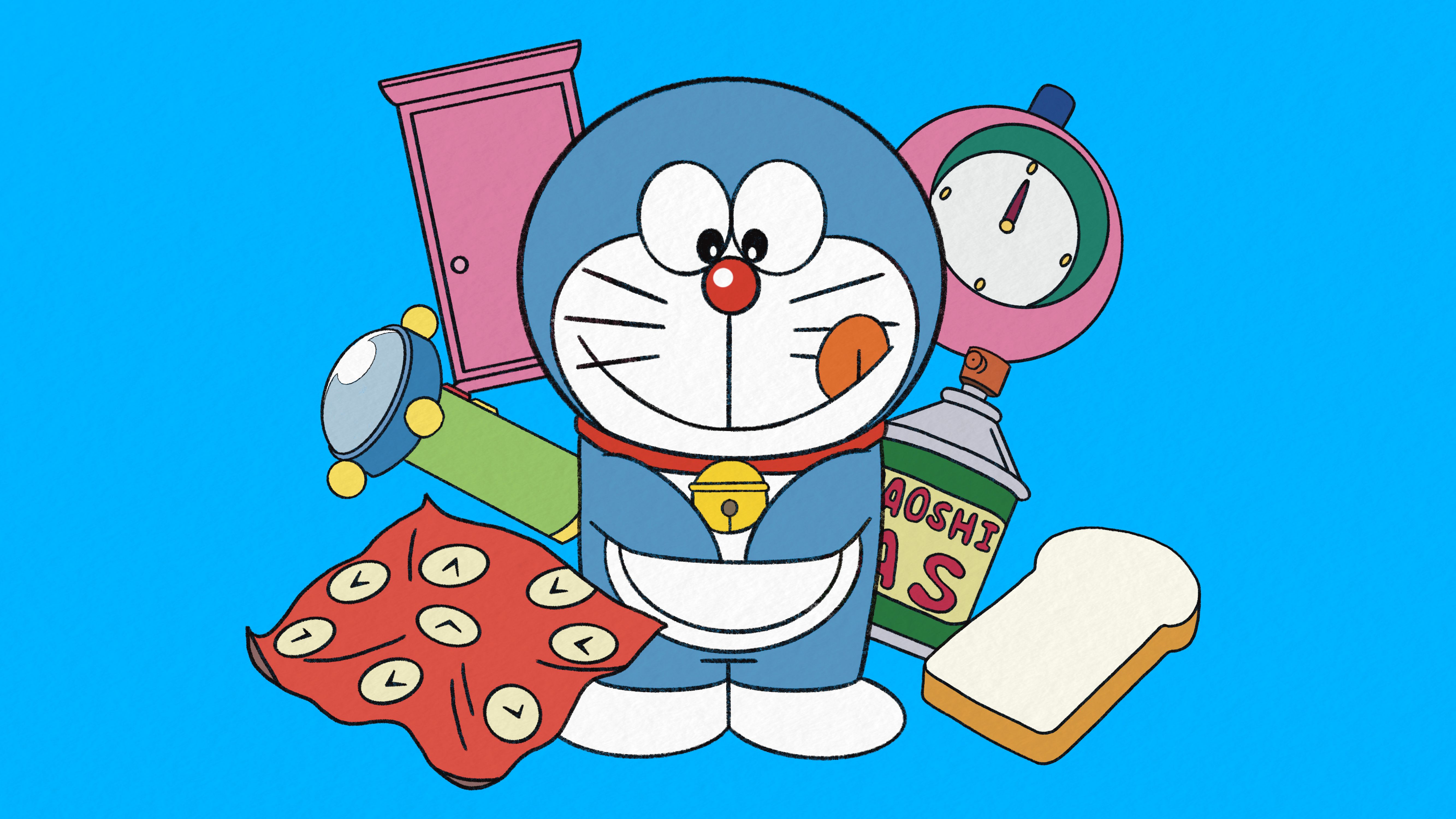
Many people are familiar with the cartoon 'Doraemon,' and one thing most have always wished for is the '4D pocket' filled with various magical items. Each item offers a different way to handle and solve problems, unraveling countless issues and making life easier in an instant. At that time, many probably thought daily life would be much easier if they really had this with them.
Although in reality we don't have magical items, how can we create our own tools to cope with and solve those problems? Thairath Plus invites you to open Doraemon's 4D pocket and explore seven magical items through a psychological perspective. As we grow up, we understand that these magical items were never truly made to fix real-world problems but represent deep desires we all long for—to heal the wounds we've experienced.
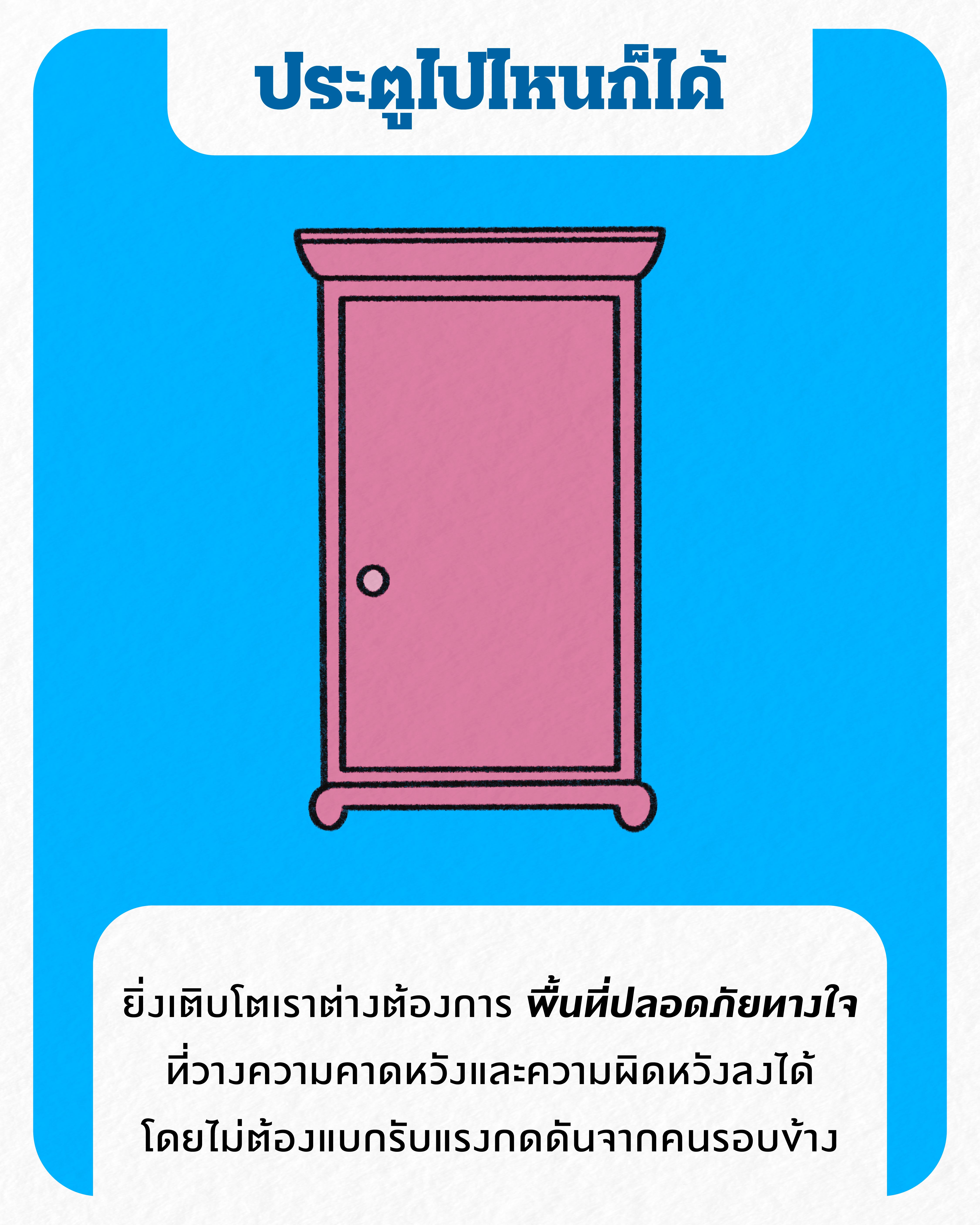
As children, we thought this door could teleport us to tourist destinations. But as adults, this door becomes a psychological safe space where we can step in, set down our burdens and responsibilities, lay down others' expectations, and rest immediately without needing to explain ourselves to anyone.
"Because adults like us don’t need a hiding place but a mental space where we can put down expectations and disappointments and get through tough times without carrying the pressure from those around us."
Research by Amy Edmondson of Harvard Business School (Edmondson, 1999) explains that humans need a feeling of safety from judgment. Having a psychological safe space is like recharging energy, preparing our minds to face and engage with the outside world again.
So even without an Anywhere Door, we can still find safe spaces to rest and heal our minds. That space might not be somewhere far away but could be a small corner in a coffee shop, a favorite playlist during the drive home, or even the courage to say no to reclaim personal time. The true dimensional door is allowing ourselves to "be ourselves" without trying to meet anyone's expectations.
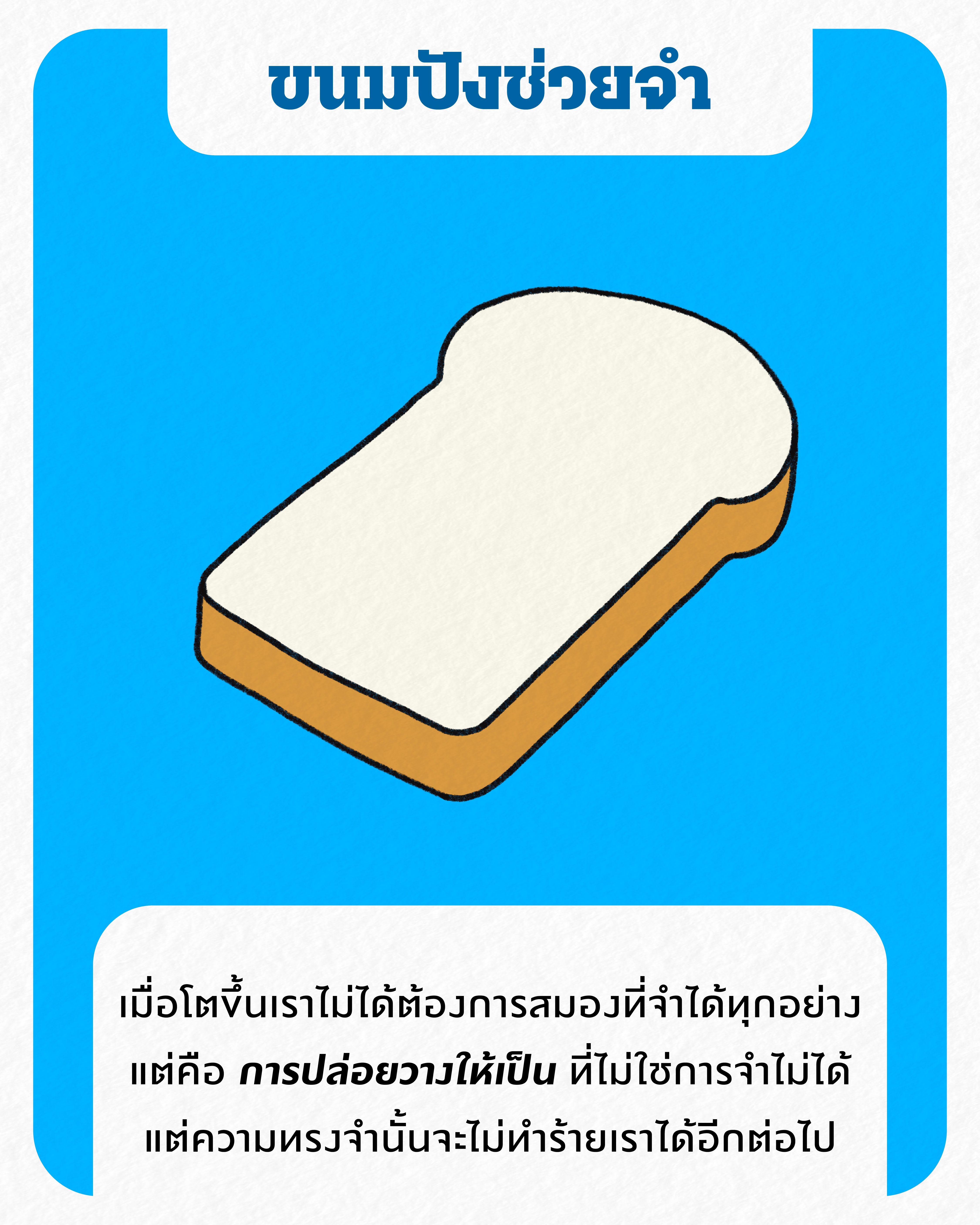
Back then, we might have dreamed of sticking this bread onto pages to help us remember everything before exams. That perfect memory is what everyone wants. However, now we understand that what weighs down our spirits the most isn't forgetting but the inability to forget.
Every wound, mistake, and hurtful word is deeply engraved in someone's heart. Ultimately, what adults truly need is not a brain that remembers everything but the ability to let go and erase all harmful words and painful memories.
Neurologically, forgetting doesn't mean the brain is defective but is a necessary survival mechanism. The research "The Persistence and Transience of Memory" (Richards & Frankland, 2017) in the journal Neuron explains that forgetting is a vital function that helps the brain release excess information and reduce pain and anxiety.
Even though we don't have magical bread to erase memories, we can manage unforgettable pasts by "letting them out" through journaling or talking with a good listener. Mindfulness practice helps us slowly loosen the grip on pain. Letting go doesn't mean erasing memories but remembering without allowing those memories to hurt us anymore.
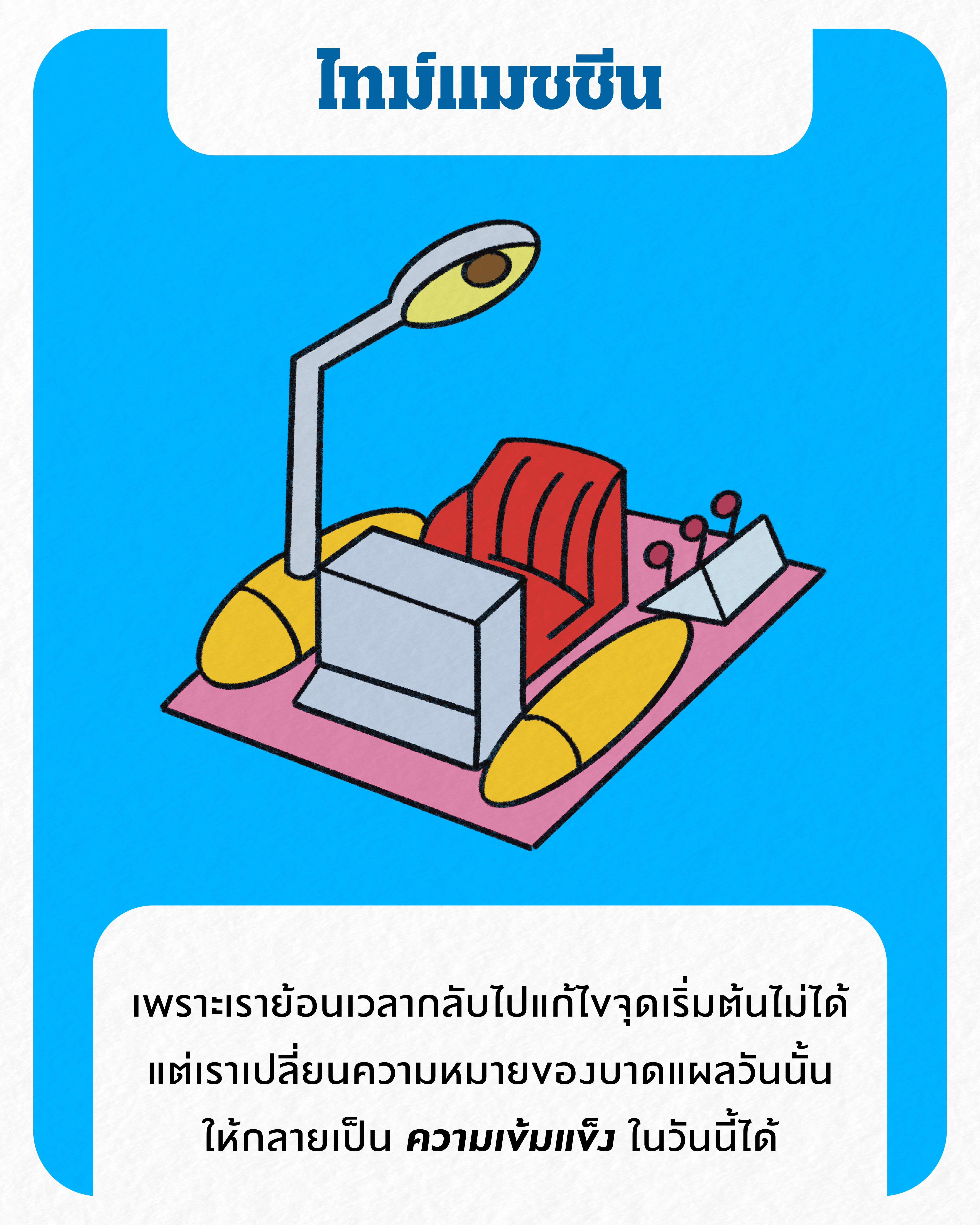
Many have surely wished to use a time machine to see the future or fix the past. In reality, we cannot rewind time to correct beginnings. However, we can change the meaning of past wounds to become the strength for growth today.
Research on Nostalgia from the University of Southampton (Sedikides et al., 2015) explains that looking back at the past with understanding and new meaning can empower us and build resilience against current stress.
For adults, the true meaning of a time machine might be 'self-reflection' to change perspective. When recalling mistakes, try shifting the question from 'Why did I fail then?' to 'What did that mistake teach me?' The most valuable time travel is using the past as a lesson and compass for a new life path—not a cage that holds us back.
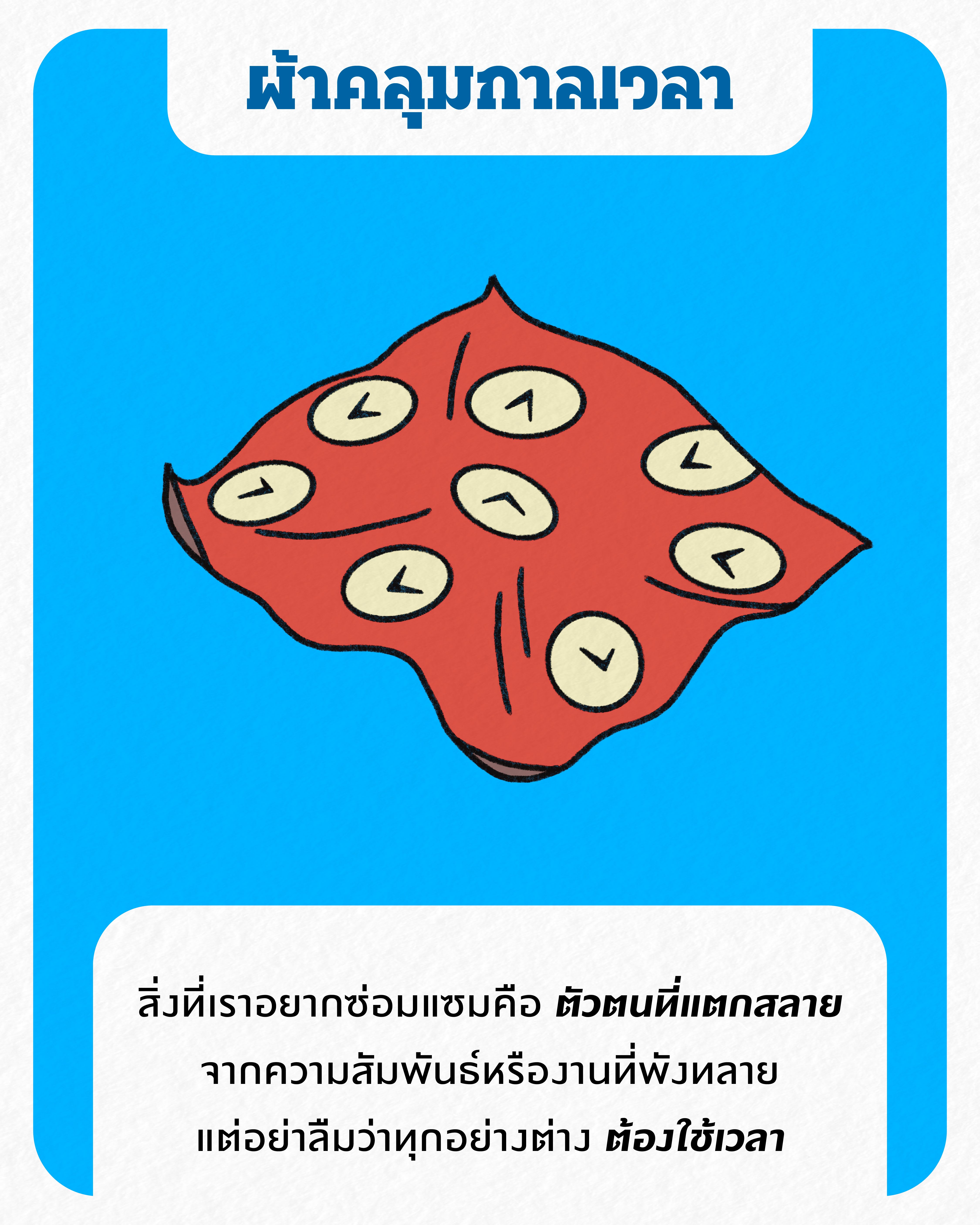
This magical item can instantly make old things new again. For adults, what we want to repair isn't objects but the 'broken self' from shattered relationships or work failures. Although the time cloth can restore objects in a flash, the human heart needs 'time' to heal.
Based on the concept of Post-traumatic Growth (PTG), humans don't recover by returning to their pre-pain selves but grow by rebuilding broken pieces with lessons that are more meaningful and understood.
Like Japan’s 'Kintsugi' theory, which sees beauty in cracks, allowing ourselves to be vulnerable, cry, and 'use time' to let it do its work, gradually healing wounds from pain. Those scars prove how strong we once were.
The Stopping Time Watch and Longing in a Fast-Spinning World
As adults, we realize that 'time' is precious and passes quickly. We race against time, sometimes feeling pressured to chase dreams and goals until exhaustion and burnout occur.
Research in the journal Nature Human Behaviour (Giurge, Whillans, & West, 2020) explains that time-related stress causes constant anxiety, reduces happiness, and increases risks for physical and mental health problems.
Therefore, try setting worries aside briefly and allow yourself short breaks during the day by turning off notifications or avoiding news. Be okay with missing or falling behind sometimes to reconnect with yourself. Remember, the world won't fall apart just because we pause for ten minutes.
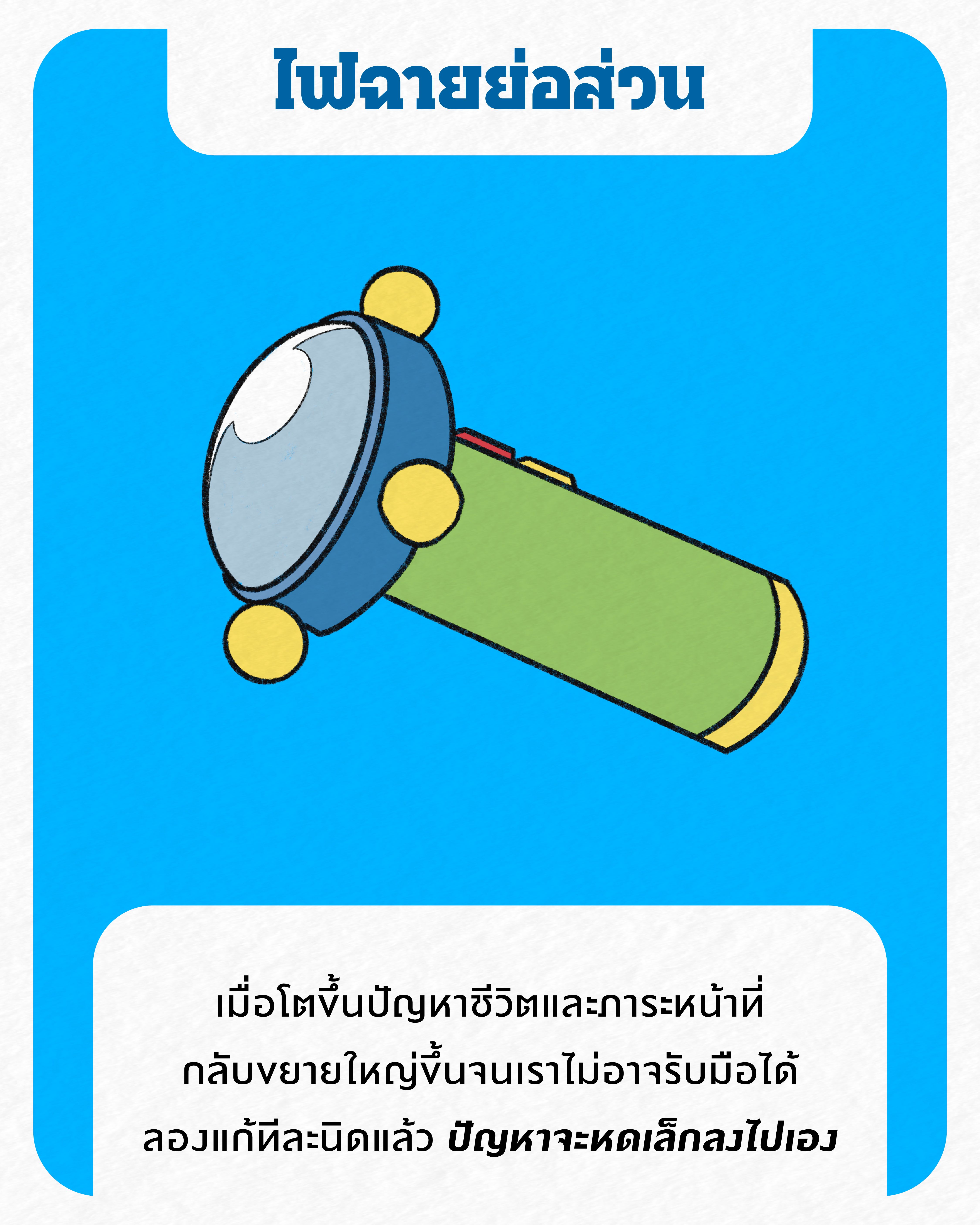
The miniature flashlight is fun for creating small worlds. But as adults, life’s problems and responsibilities often grow too large to handle.
We understand we can't make problems disappear, but having ways to cope and manage problems correctly helps break them down to sizes we can handle step by step. Changing perspective reduces anxiety and restores our decision-making power.
We can use the 'Chunking' technique—dividing large information or content into smaller, meaningful parts—by focusing only on what we can control today and this hour. Taking small actions gradually shrinks anxiety about the bigger picture.
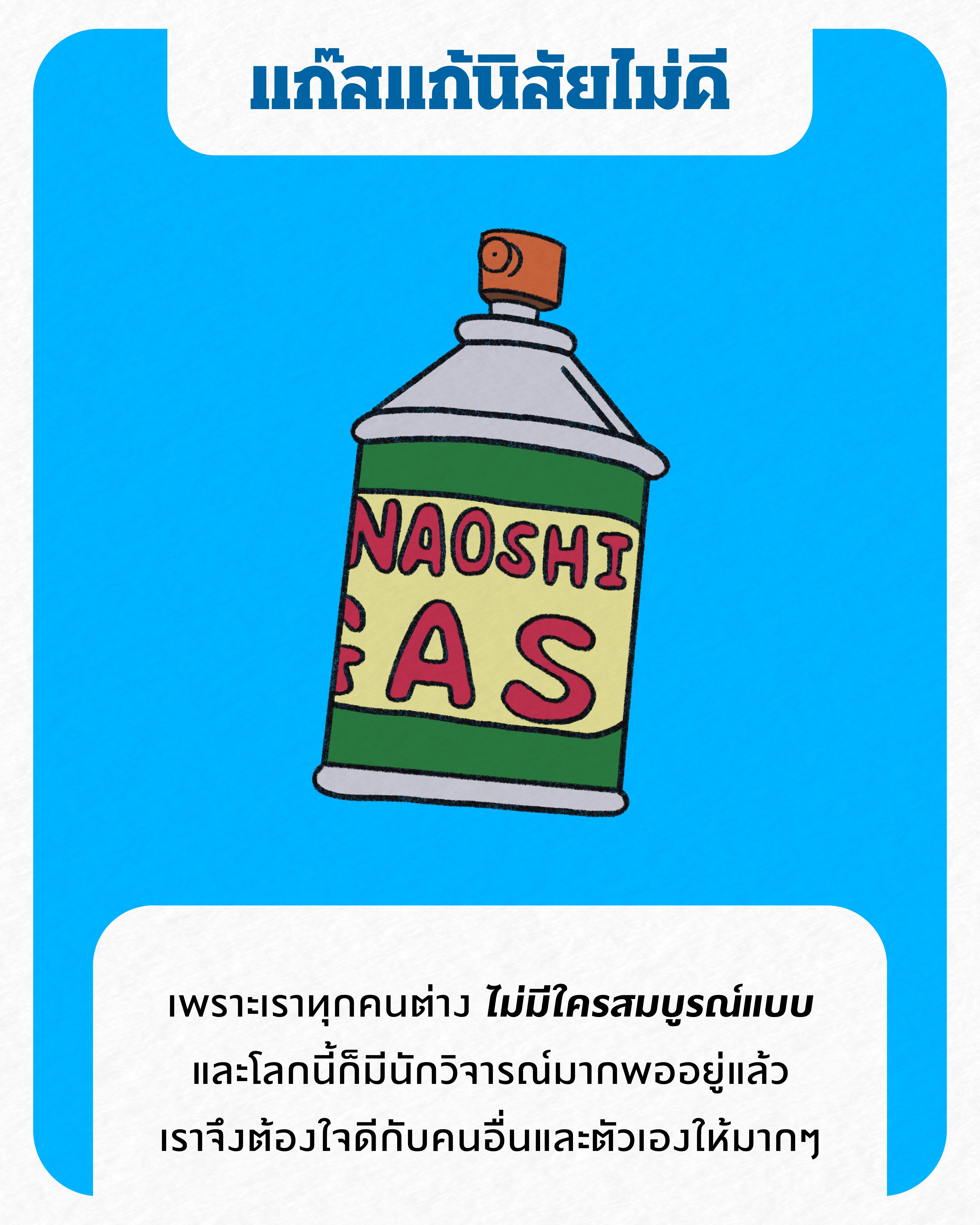
Everyone has flaws, shortcomings, and makes mistakes. Often, we may feel we aren’t good enough, but in reality, no human is perfect because we are all just 'human.'
True growth requires accepting our imperfect sides, forgiving, and being kind to our mistakes so we can move forward fully.
Dr. Kristin Neff, a psychologist specializing in Self-Compassion, explains that accepting ourselves with kindness changes habits and builds mental well-being more than self-criticism or pressure.
Since none of us are perfect and the world already has enough critics, we must be kind to others—especially kind to ourselves. Start by talking kindly to yourself, accepting imperfection as part of being human. Positive change doesn’t come from destroying our old selves but from understanding and forgiving ourselves today, enabling growth toward a better direction.
Ultimately, as adults, our desk drawers may lack a time machine to fix past mistakes, and in hard times, we might not have Doraemon handing us magical items. Yet every wound, effort, mistake, and life step we've overcome on our own is the true 'magical item'—accumulated through experiences and stories that have shaped us into who we are today.
Psychological Safety and Learning Behavior in Work Teams https://www.jstor.org/stable/2666999
The Persistence and Transience of Memory https://www.cell.com/neuron/fulltext/S0896-6273(17)30365-3
To Nostalgize: Mixing Memory with Affect and Desire https://www.southampton.ac.uk/~crsi/Sedikides%20et%20al_Advances_2015.pdf
Post-Traumatic Growth https://www.psychologytoday.com/us/basics/post-traumatic-growth
Why time poverty matters for individuals, organisations and nations. https://psycnet.apa.org/record/2020-78103-005
Self-Compassion: An Alternative Conceptualization of a Healthy Attitude Toward Oneself https://www.tandfonline.com/doi/abs/10.1080/15298860309032