

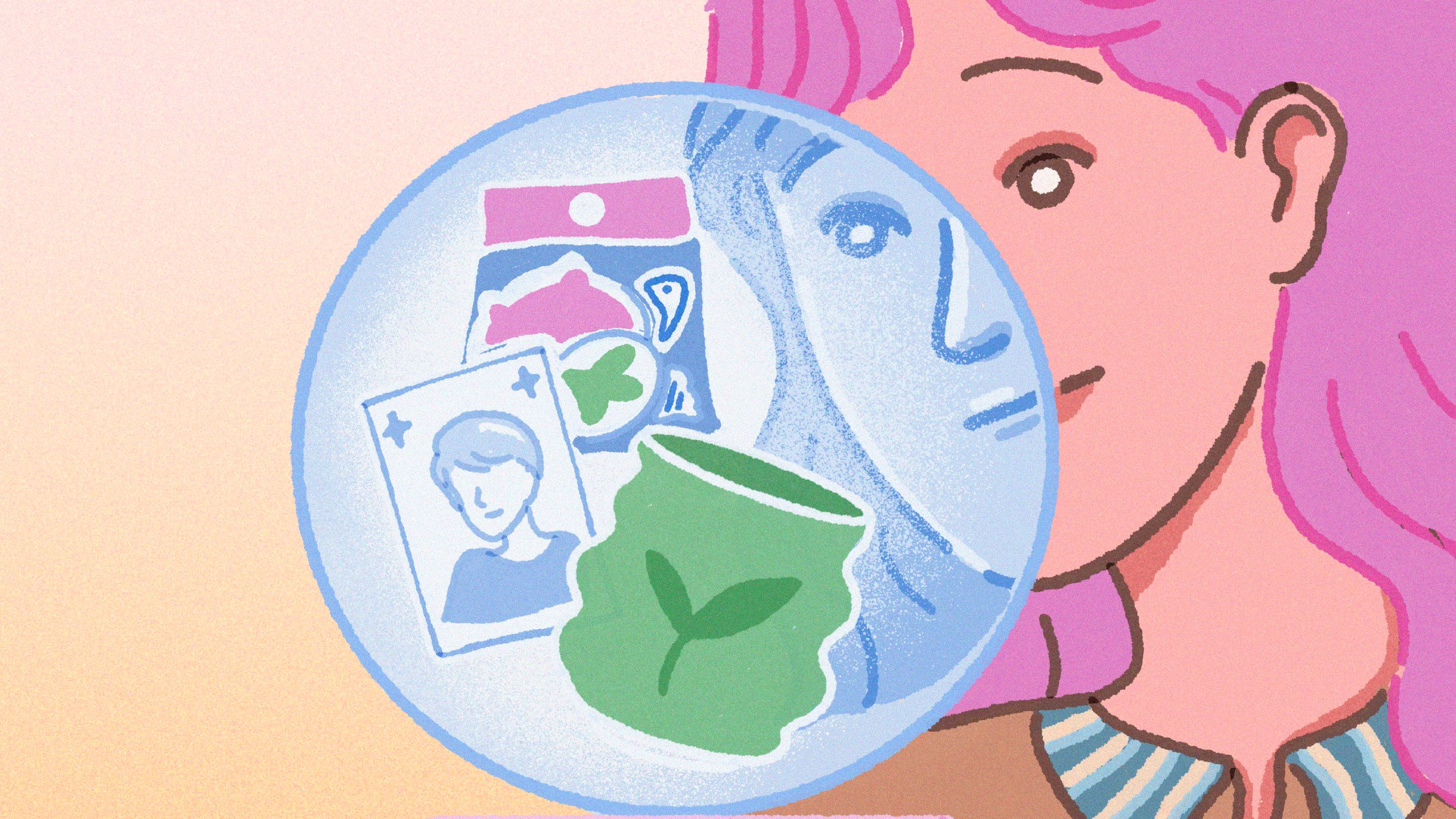
This seemingly contradictory behavior isn't unique to us; many people experience it. For example, Dr. Alisa Minina Jeunemaitre, a marketing professor at emlyon business school in France, shared her own story about this behavior in an article for Psychology Today.
Dr. Jeunemaitre explained that she had to juggle being a full-time mother caring for her daughter while conducting research. Due to various constraints and the need to manage household expenses carefully, she spent her days off caring for her daughter, managing finances, and meticulously planning the budget.
Despite strict budget control, she suddenly felt the urge to buy a Furby doll for her daughter, even though her daughter hadn’t asked for one and she knew it was unnecessary. Why did she feel this way? Thairath Plus Let's explore the psychological background and reasons behind this feeling.
The tendency to buy small, inexpensive items or sudden trinkets is known in marketing as ‘Treatonomics’. It describes a consumer trend where people spend money on small, affordable pleasures to relieve stress or comfort themselves amid economic and life uncertainties.
Back in the early 2000s, Leonard Lauder, former Estée Lauder executive, observed that during economic downturns, lipstick sales increased contrary to market trends. This behavior was later termed the ‘Lipstick Index’ or ‘Lipstick Effect’.
More recently, research found that during economic hardships, consumers cut unnecessary expenses like new clothes or postponed travel but tend to spend on cosmetics or small accessories. Though low in monetary value, these items impact emotions, boost confidence, and create a sense of safety amid economic troubles.
But do these small purchases truly heal us, or are they just comforting illusions? Consumer psychology research by Mandel et al. (2017) in the Journal of Consumer Psychology explains that when people feel insecure and realize big life goals—like buying a house or traveling far—are hard to reach quickly, their minds create internal conflicts. Consumers then engage in ‘compensatory consumption’ by buying small items to immediately fill emotional gaps.
Rick, Pereira, and Burson (2014) further explain that compensating with small purchases instead of big ones, especially during uncontrollable times—such as heavy workloads, economic issues, environmental problems, or unpredictable weather—helps reduce lingering sadness and restores the feeling that we still control our choices.
Recent consumer behavior surveys show that 73% of consumers feel financial anxiety, yet among them, 62% still indulge in small purchases at least monthly. Over half set a spending limit of no more than $25 (around 800 baht) per purchase to maintain control and avoid guilt.
However, while small purchases can naturally help us through tough times, caution is needed. ‘Doomspending’ describes spending to ease anxiety when the future feels uncertain. The human brain tends to devalue future rewards or focus solely on immediate happiness due to uncertainty.
Marketers understand this mechanism and often exploit it with fast payment systems that allow one-click buying before consumers realize it, plus promotional campaigns that capitalize on Treatonomics during crises. What starts as occasional small pleasures can become habitual spending that burdens finances unknowingly.
Buying gifts for ourselves, big or small, is not wrong. Often, self-purchases boost confidence and remind us that we still have control and can do things for ourselves, helping us survive and overcome negative feelings to move forward.
The key is ‘awareness and intention’. Being mindful of our emotions helps us understand whether we are intentionally choosing happiness or unknowingly becoming marketing pawns when buying something.
If the item truly fulfills our happiness and desires, then buying it is fine—just ensure it comes from your own intention, not just the brand’s agenda, and that it doesn’t cause harm in the future despite not being strictly necessary.