

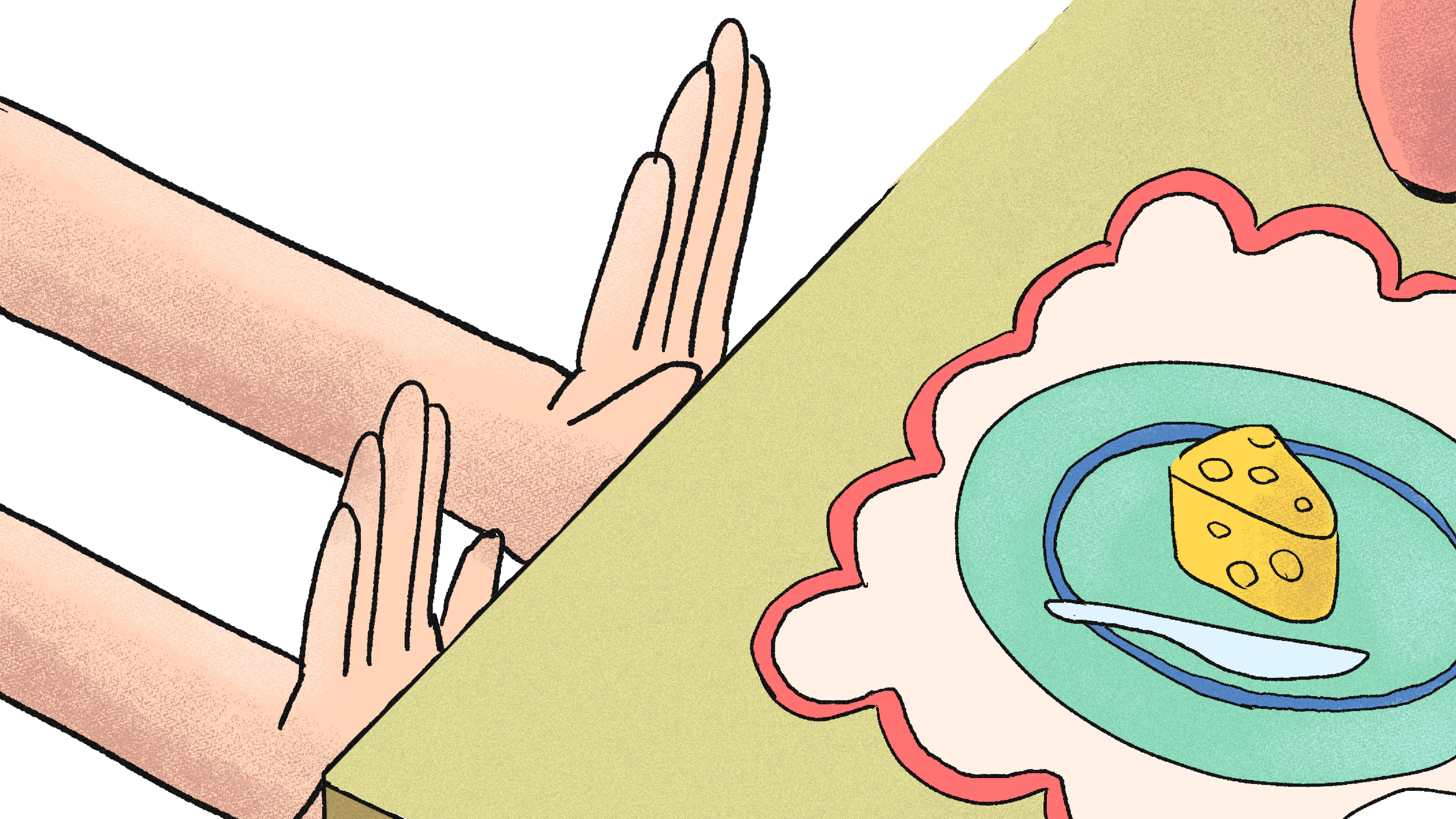
Humans are known for getting bored easily because boredom drives us to constantly seek new things—an instinct tied to evolution. As humans transitioned from caves to houses in the agricultural era, this boredom mechanism remained, even though homes became our safest places. Homes can become familiar to the point some feel they are monotonous, repetitive, and boring. But unlike the past when moving from one cave to another was simpler, moving houses today is a major undertaking. We own many possessions, have emotional attachments, and importantly, limited finances. So moving to find something new is no longer a practical solution in the modern world.
However, there is a way to achieve this change without worrying about costs: by simply adjusting the angles of objects and furniture inside our rooms or homes. Just a little effort in a day can make the home feel new again. Managing space inside your room or house helps you feel better about your living environment—whether returning after work, waking up, relaxing, or working from home. Interior design psychology teaches that our environment subconsciously influences our mental state. How we feel is shaped not only by people or tasks we face but significantly by our home's space.
Rearranging your home also changes your perspective toward it. Some see their home merely as a place to sleep that just passes time. When forced to work from home, many prefer going outside because they feel their home isn’t suitable as a workspace. Managing your space can shift your mindset, helping you reconnect deeply with your home. It’s a manageable change within your control—far less drastic than moving houses.
Belief in feng shui remains important but should be applied moderately. Feng shui concepts, such as elemental theories and principles, align with organizing space to feel open, comfortable, and free of congestion. Interior design principles are similar—for example, rooms should feel spacious even if small, with natural light or warm lighting rather than harsh white light. Furniture size, rug placement, plants, sofas, and televisions also matter in arrangement.
While such ideas might sound serious enough to require hiring designers or feng shui experts, that’s not necessary. Simply moving one item from its usual spot can create a fresh feeling. In other words, you don’t need complicated guidelines. This approach helps avoid unnecessary purchases or exhausting, complicated reorganizations. Just wanting to change the angle of a table, shelf, or chair can positively impact your mood.
Certain key items strongly affect our emotions, such as the bed. Changing the bed’s position or the headboard’s direction refreshes your resting place, like when you stay in a hotel to create a new atmosphere. Another is the table, which can be arranged in various ways—centered, against a wall, or near a window. For example, placing a work desk near a window is beneficial because it allows you to rest your eyes and relieve stress by watching outside movement. The sofa, often used for relaxation, watching TV, or lounging, is another key piece. Changing its location—from centered, against a wall, or in a different corner—can greatly affect your feelings.
If moving furniture feels too big a task, you can start smaller with items on tables or shelves—like potted plants, pencil holders, rearranged books, or relocating kitchen tools and spices. All these small changes influence your mind and can be explained through psychology.
Imagine a pencil holder placed at a certain corner of your desk. Its fixed position makes you reach for it automatically, forming a habit governed by the basal ganglia, a group of neural structures. Moving it forces your brain to learn the new location, increasing focus on the immediate task. Another important explanation involves how the brain processes visual surroundings. Even small changes in familiar items stimulate the brain to relearn the space in front of you, which increases alertness and boosts productivity.
Though it sounds simple, this has no effect if you don’t feel the desire to move things in the first place. For anyone wanting to make their home feel inviting again or reconnect positively with their safe space, spending just a few minutes moving a table, changing the sofa’s angle, or repositioning objects can transform your environment. There’s no need to do this daily or monthly; some people do it seasonally to avoid monotony throughout the year.
.