


This week's good news: Nepal celebrated its national festival with enthusiasm and warmth, honoring dogs' loyalty and friendship with garlands and special meals.
Meanwhile, across the world, a Doberman dog alerted a mother after sensing her baby's abnormally rapid heartbeat, saving the infant's life in time.
Italy invested 2 million euros to dismantle an illegal dogfighting network and expedite the rehabilitation and psychological recovery of abused dogs.
Back in Asia, a Korean woman returned a winter coat to a Japanese man 30 years later, recalling kindness during a 1990s incident when Korean students' hanbok uniforms were slashed.
The U.S. FDA approved the first generic annual injectable HIV antiviral drug, closest to a vaccine, preparing to distribute it to 120 low- and middle-income countries worldwide.
View images of Chile's Atacama Desert blooming with 200 flower species for the first time in 30 years, attracting animals and pollinating insects back, and providing an opportunity to collect rare seeds for conservation.
Volunteers in England successfully bred "glowworms" in a greenhouse before releasing them back into nature after more than 100 years of disappearance.
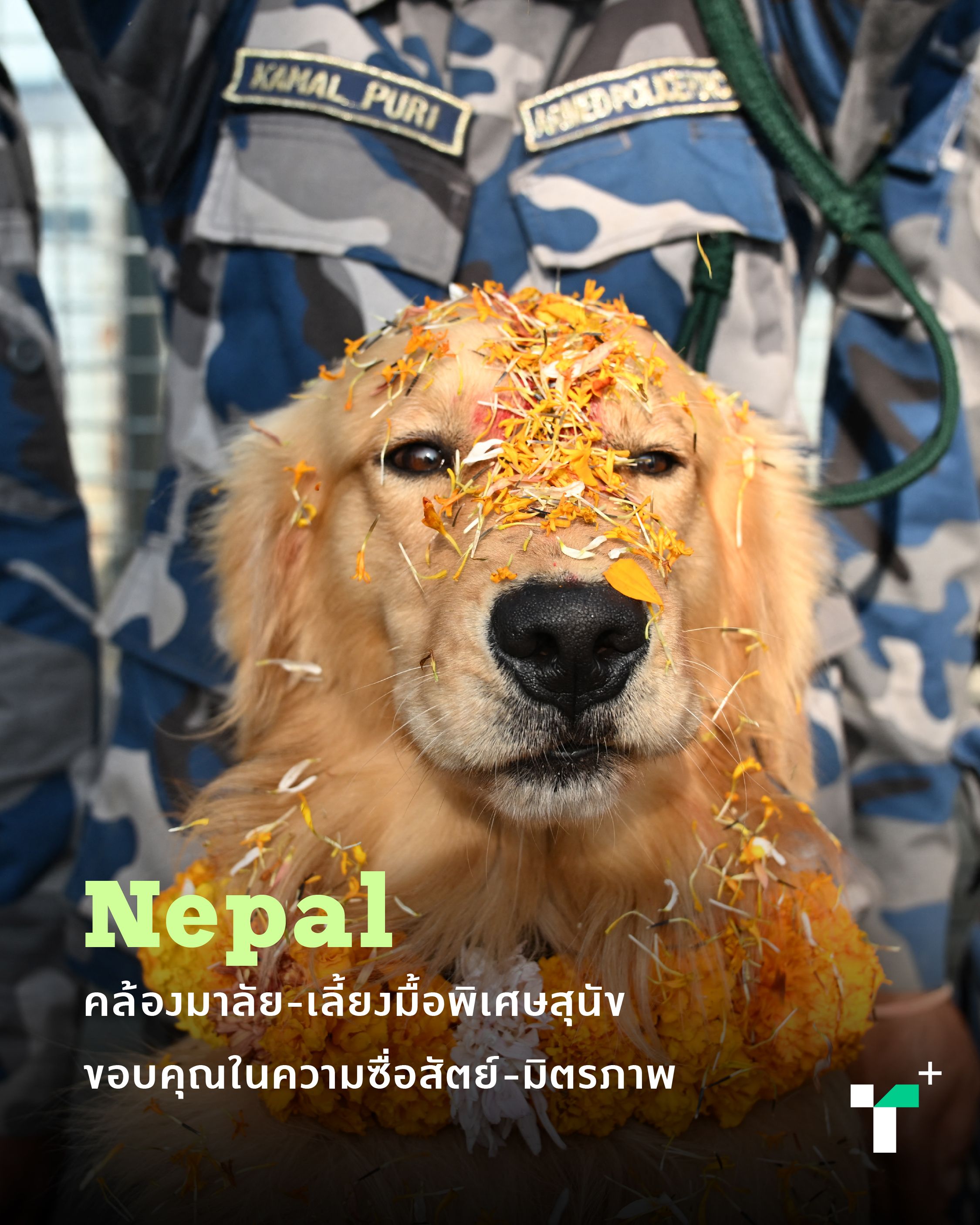 Nepal garlands and serves special meals to dogs, thanking them for loyalty and friendship.
People across Nepal jointly celebrated the 'Kukur Tihar' festival to honor and thank dogs during the annual Tihar festival. Villagers placed marigold garlands around the necks of both pet and stray dogs and offered special meals to praise their loyalty, friendship, and the Hindu belief connecting dogs with the god Yama. This year, a grand celebration was held at Narayan Ghar public square in Kathmandu, amid a warm atmosphere with many foreign diplomats attending enthusiastically to witness the tradition.

Kim Reynolds, a 41-year-old mother from Somerset, England, shared a touching story about 'Saraya,' her family's Doberman dog, who acted restless, whining constantly and refusing to leave her 6-month-old son Alexander's side. This prompted her to take her son to the hospital, where doctors found his heart rate was 280 beats per minute due to Wolff-Parkinson-White syndrome. Without timely treatment, this could have been life-threatening. Doctors prescribed medication to control his heartbeat, keeping him safe. The mother credited the dog with saving her son's life.

The Italian government approved a 2 million euro budget to support shelters and animal rehabilitation centers under the 'Io non combatto' (I don't fight) project, a collaboration between Humane World for Animals Italy and Fondazione Cave Canem. This aims to dismantle illegal dogfighting rings linked to the criminal organization 'Zoomafia.' The funds will be used to care for, retrain, and heal the rescued dogs mentally to prepare them for new homes where they can become beloved family members.

Norihisa Koyama, a 50-year-old Japanese man, received back his old winter coat from a Korean woman after 30 years. In the 1990s, Korean school students in Japan were victims of hate crimes involving slashing of hanbok uniforms. At the time, Koyama, a high school student, gave his newly bought coat to a Korean girl to cover her so she could safely return home. The girl kept the coat well and, upon learning of Koyama's social foundation work, contacted him to return the coat and express gratitude. This story has been turned into an artwork symbolizing reconciliation and healing of historical wounds between the two nations.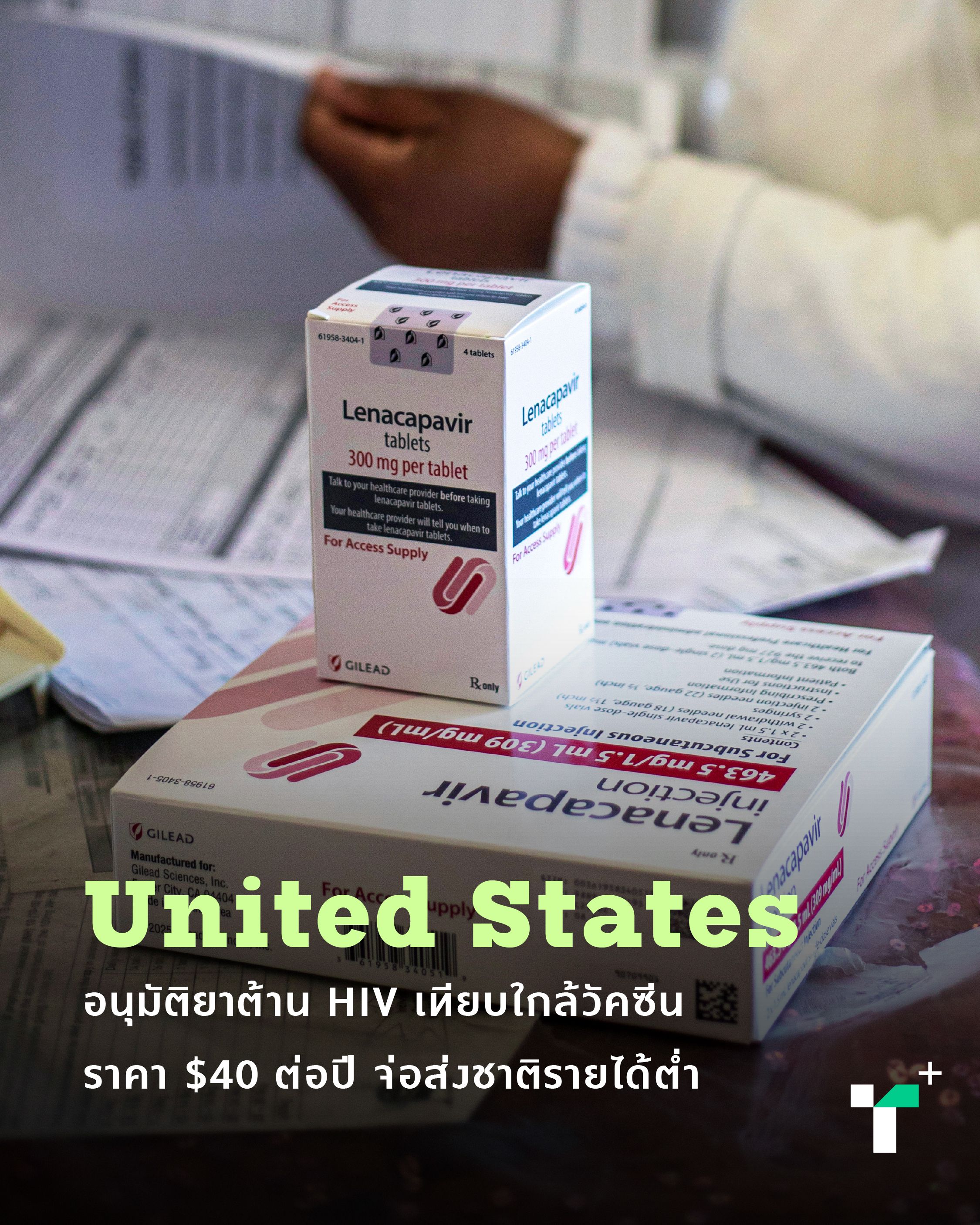
The U.S. Food and Drug Administration (FDA) approved generic Lenacapavir, a twice-yearly injectable HIV prevention drug hailed as closest to an 'AIDS vaccine.' The price dropped from about $28,000 per year to just $40 per person annually. It will be distributed in 120 low- and middle-income countries worldwide, with Zambia expected to be the first recipient. This innovation is a major hope for ending the AIDS epidemic by 2030.
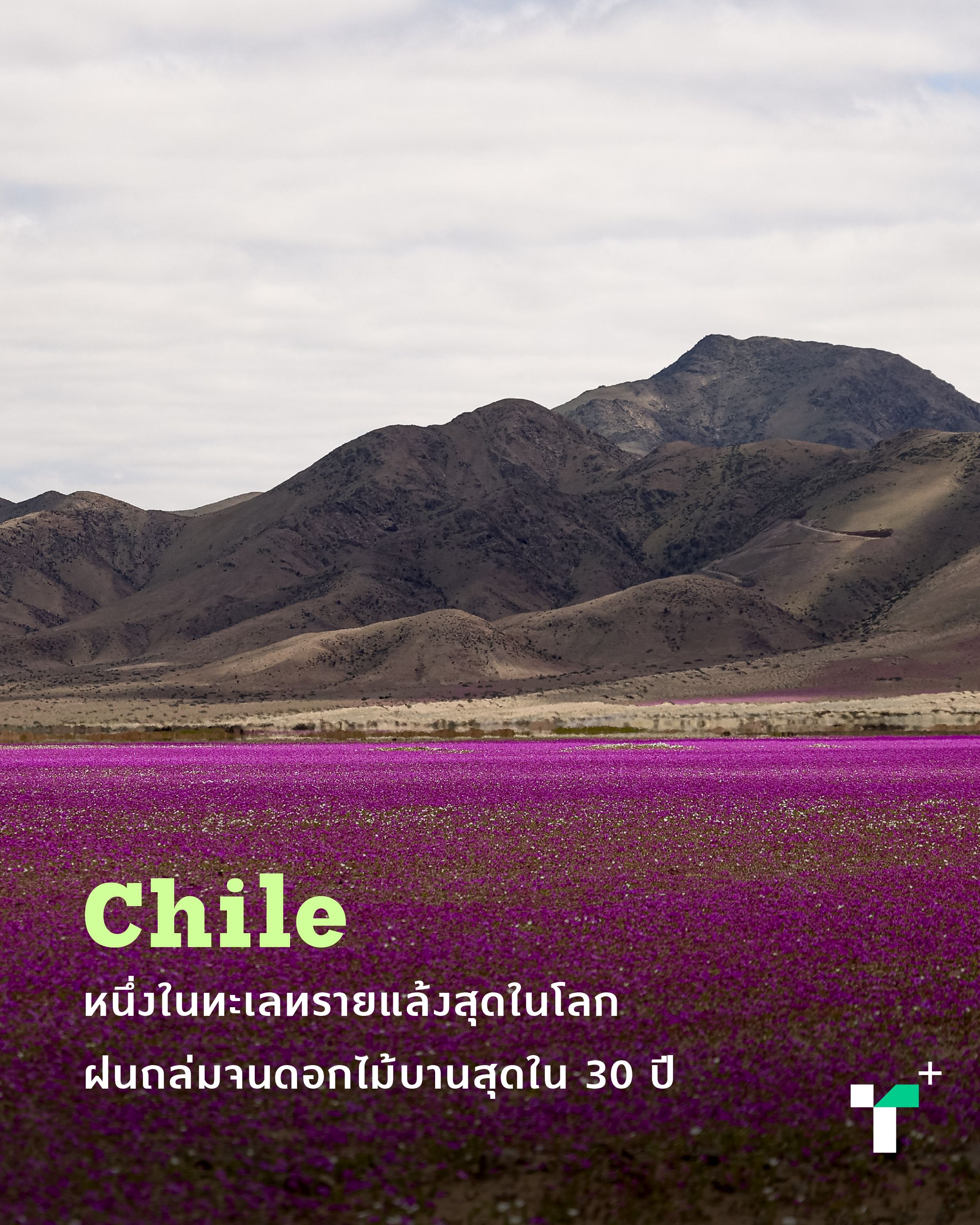
Chile's Atacama Desert, known as one of the driest places on Earth, experienced a Superbloom after heavy rains influenced by the Super El Niño phenomenon. Seeds buried under sand for decades sprouted and flowered in abundance with over 200 species blooming, creating the most extensive colorful flower fields in 30 years. This phenomenon attracted animals and pollinating insects back to the area and prompted the Seed Bank Institute to urgently collect seeds for conservation. The local governor plans to propose UNESCO World Heritage status for the site.
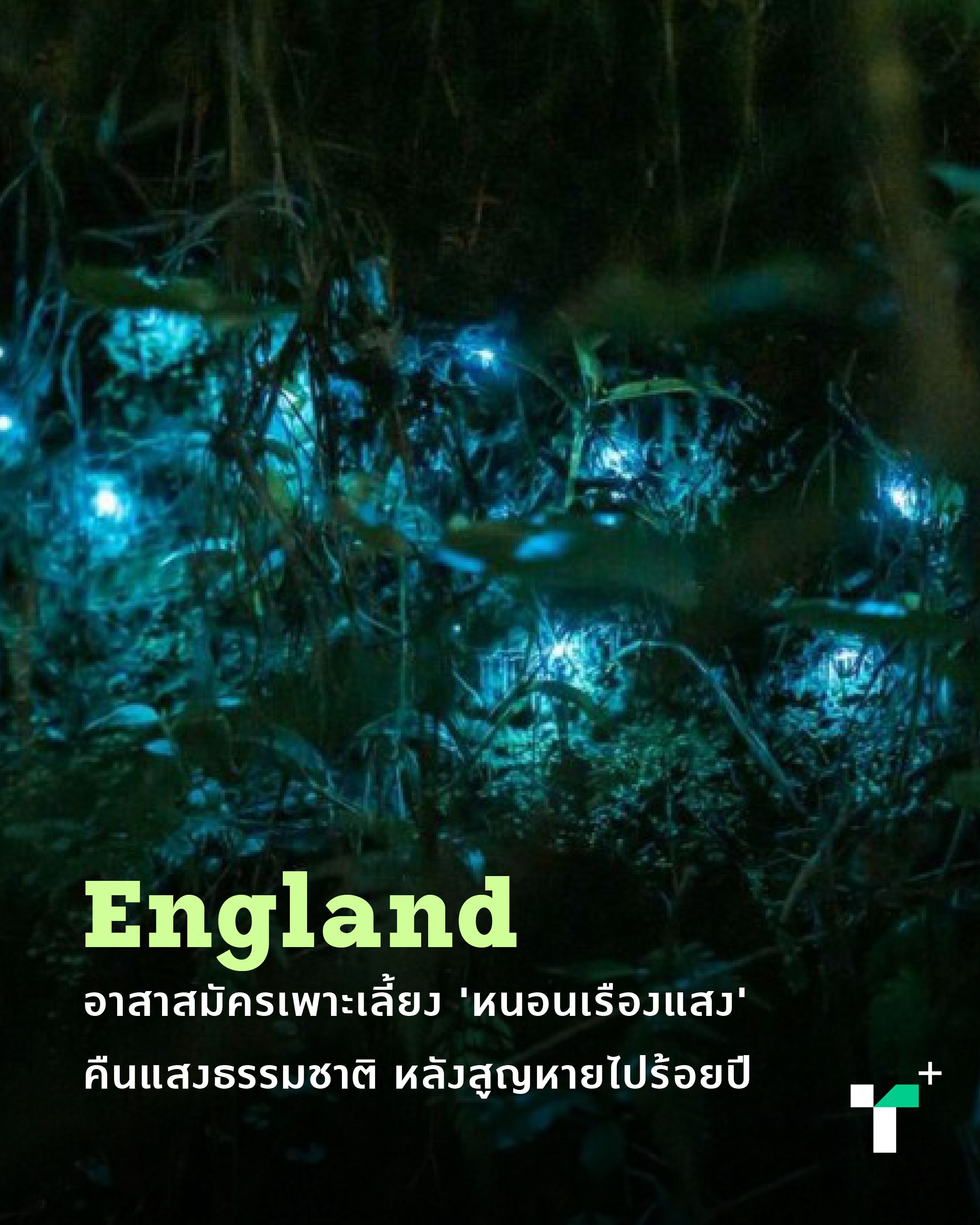
Peter Cooper, a volunteer and wildlife enthusiast in North Yorkshire, England, succeeded in breeding glowworms in a backyard greenhouse. He collected over 1,900 larvae to release back into the Nosterfield Nature Reserve, a wetland area where glowworms had been extinct for more than 100 years. This volunteer effort marks an important step in restoring natural firefly populations, which have declined severely across Europe. Full results are expected when the larvae mature and begin glowing naturally by 2030.
.
References
https://thehimalayantimes.com/nepal/kukur-tihar-being-observed-across-nepal
https://www.goodnewsnetwork.org/baby-saved-as-racing-heartbeat-detected-by-pet/
https://www.goodgoodgood.co/articles/dogfighting-rings-italy-rescue-rehabilitation
https://www.goodnewsnetwork.org/she-kept-his-coat-for-30-years-then-finally-found-the-boy-who-gave-it-to-her-after-racial-attack/
https://www.the-independent.com/news/world/americas/us-hiv-aids-lenacapavir-fda-approval-jab-b3077695.html
https://www.goodnewsnetwork.org/worlds-driest-desert-erupts-into-record-breaking-bloom-boom-look/
https://www.goodnewsnetwork.org/glowworms-shine-again-in-the-uk-from-larvae-reared-pro-bono-in-garden-shed/