


Since 2022, when Governor Chadchart Sittipunt took office, amid various policies, one flagship environmental initiative has stood out: the '15-minute park.' This project has already manifested in several Bangkok areas. However, some citizens question certain 'parks' that arguably do not qualify as such due to their tiny size—some are little more than traffic islands.
These societal questions prompt reflection on Bangkok's environmental policies over the past four years. We have seen development in multiple dimensions, gradually making the city more sustainable. Still, the capital continues to face many issues that remain controversial and unresolved.
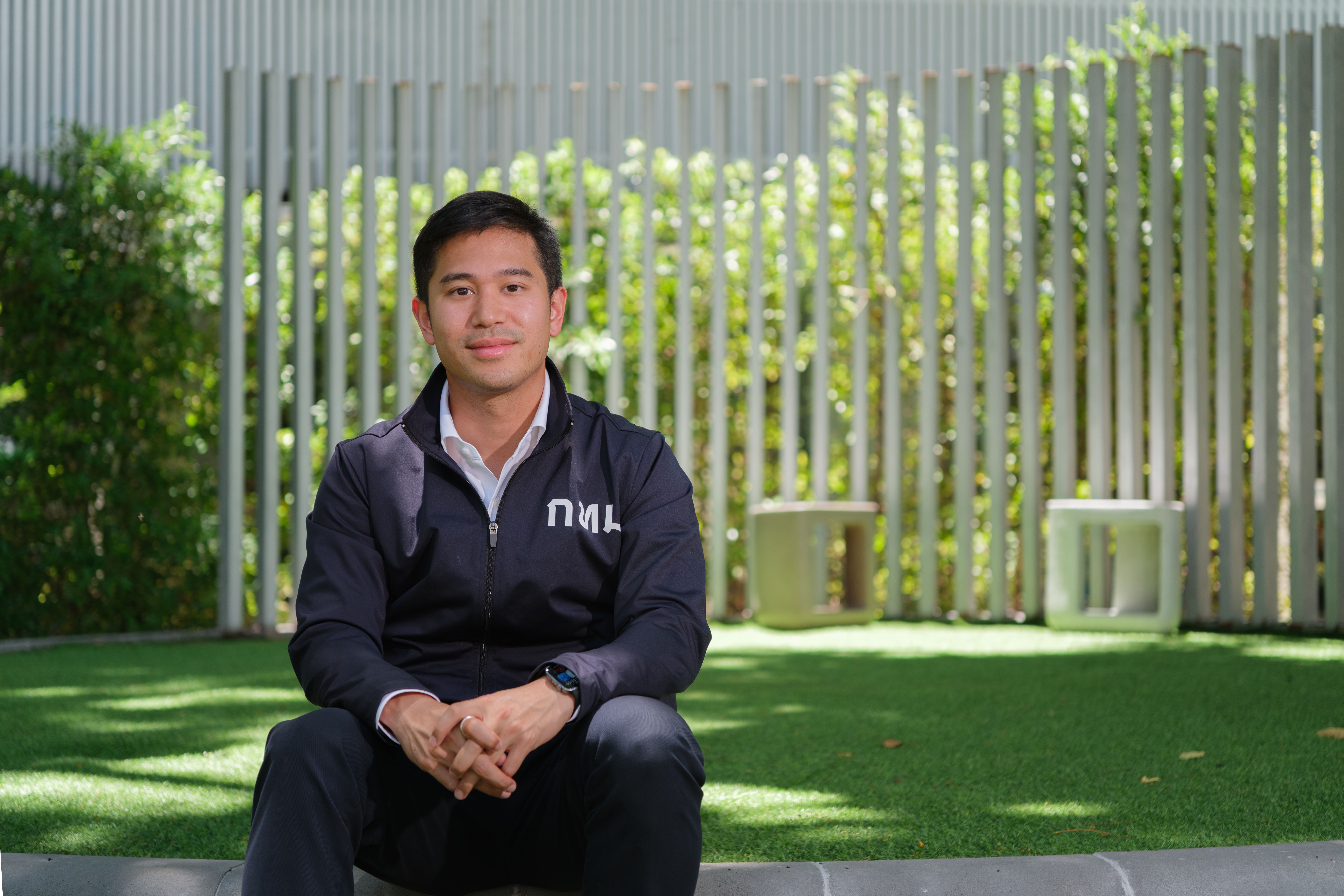
As people increasingly seek public spaces and better environments, Thairath Plus invited Pornprom Wikitseth, advisor to the Bangkok Governor and the city's first sustainability executive, to discuss the behind-the-scenes work as a 'real worker' and to answer where the city's environment stands today and what foundations the current team has laid for future leaders.
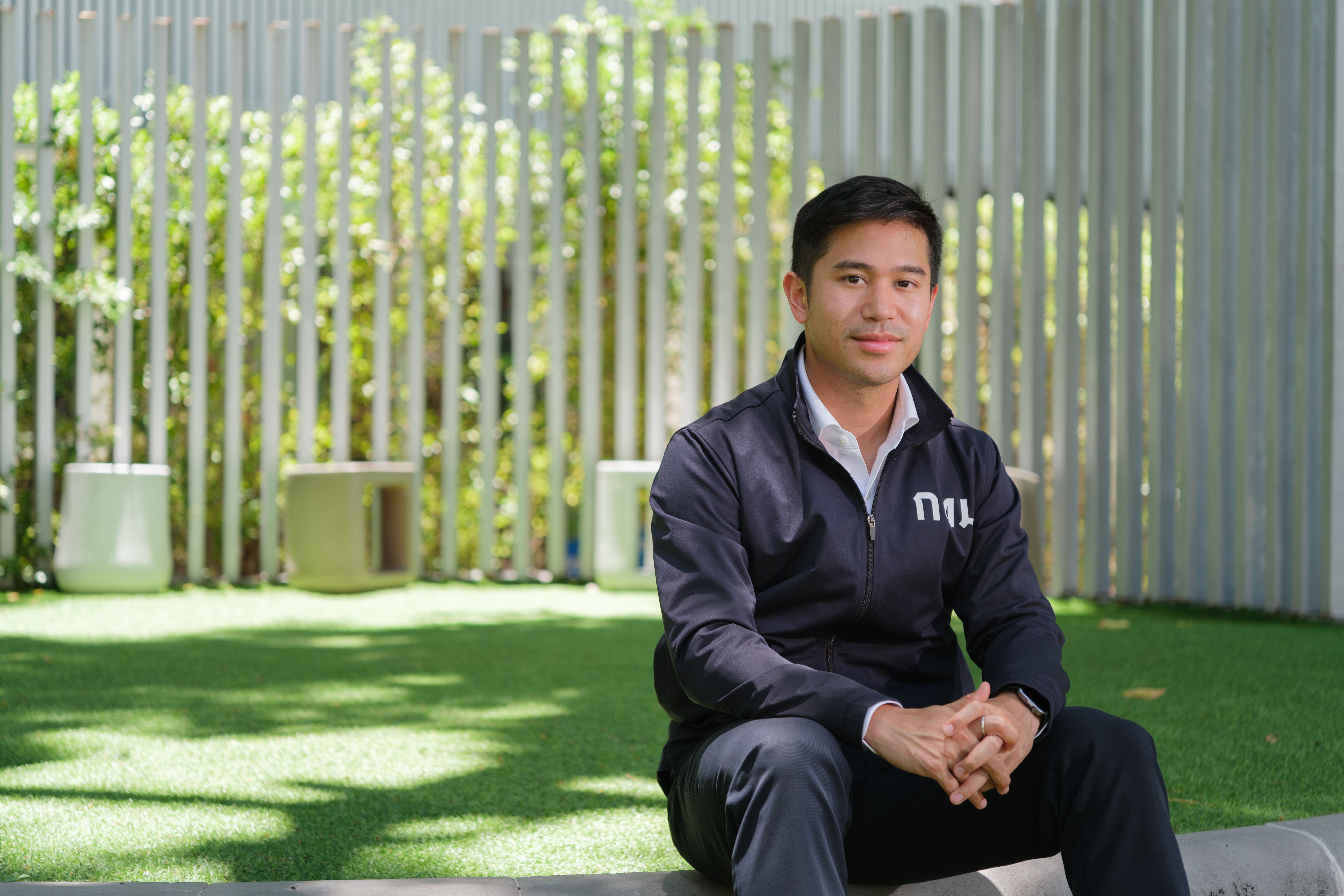
During your tenure, how has Bangkok's environmental situation progressed?
Within Bangkok's authority, we have successfully pushed 'waste management,' starting by establishing systems and promoting waste segregation. We categorize waste sources into 19 types, such as from shops, temples, schools, etc., to ensure coordinated efforts.
In the first one to two years, we laid this groundwork. By the third year, we implemented proactive measures involving fees: 'Those who produce more waste pay more; those who separate waste pay less.' Although some still do not segregate, changing habits takes time. At least now, everyone is aware of the waste separation system. Over the past four years, we've built a stronger foundation.
Next, concerning dust pollution, we've achieved progress. Last year, there were 56 days exceeding safe PM 2.5 levels; this year, only 28 days— a 50% reduction. The average particulate concentration also dropped by nearly 20%.
Our management employed a 'dust detective' approach, starting with the question: Where does the dust come from? We focused on research rather than wasting human resources on traditional smoke checkpoints, which have limited impact. Chemical analysis of the dust's 'DNA' lets us target solutions more effectively.
We discovered that vehicle dust pollution is often misunderstood. People focus on black smoke from vehicles, but PM 2.5 particles are invisible to the naked eye. Many vehicles without visible smoke emit significant PM 2.5, especially diesel engines older than 7–10 years. Research indicates that changing the engine oil filter can reduce pollution from such vehicles by about 50%.
Knowing this, Bangkok's role is to promote oil filter changes during peak pollution periods (December), when the air is stagnant. We collaborated with car manufacturers and private oil companies to offer year-end promotions, encouraging citizens to change filters. About 400,000 vehicles participated.
Regarding dust from burning, we do not just blame neighboring countries but study actual sources by tracking wind directions affecting Bangkok. We found that when three subdistricts burn for two consecutive days, the next day Nong Chok district's dust levels spike significantly.
We negotiate with farmers, district chiefs, and local authorities to encourage managing this issue, such as refraining from burning when winds blow toward Bangkok. Although addressing dust is challenging, these parties are trying to adapt.
We also understand that each area has unique problems. For example, Pak Phli district in Nakhon Nayok province experiences frequent high water levels, so they cultivate tall rice varieties like 3-meter millet, uncommon elsewhere in Thailand. After harvest, abundant stubble leads to heavy smoke when burned.
Therefore, dust solutions cannot rely on a single policy or immediate law. We need a set of policies adaptable to specific circumstances.
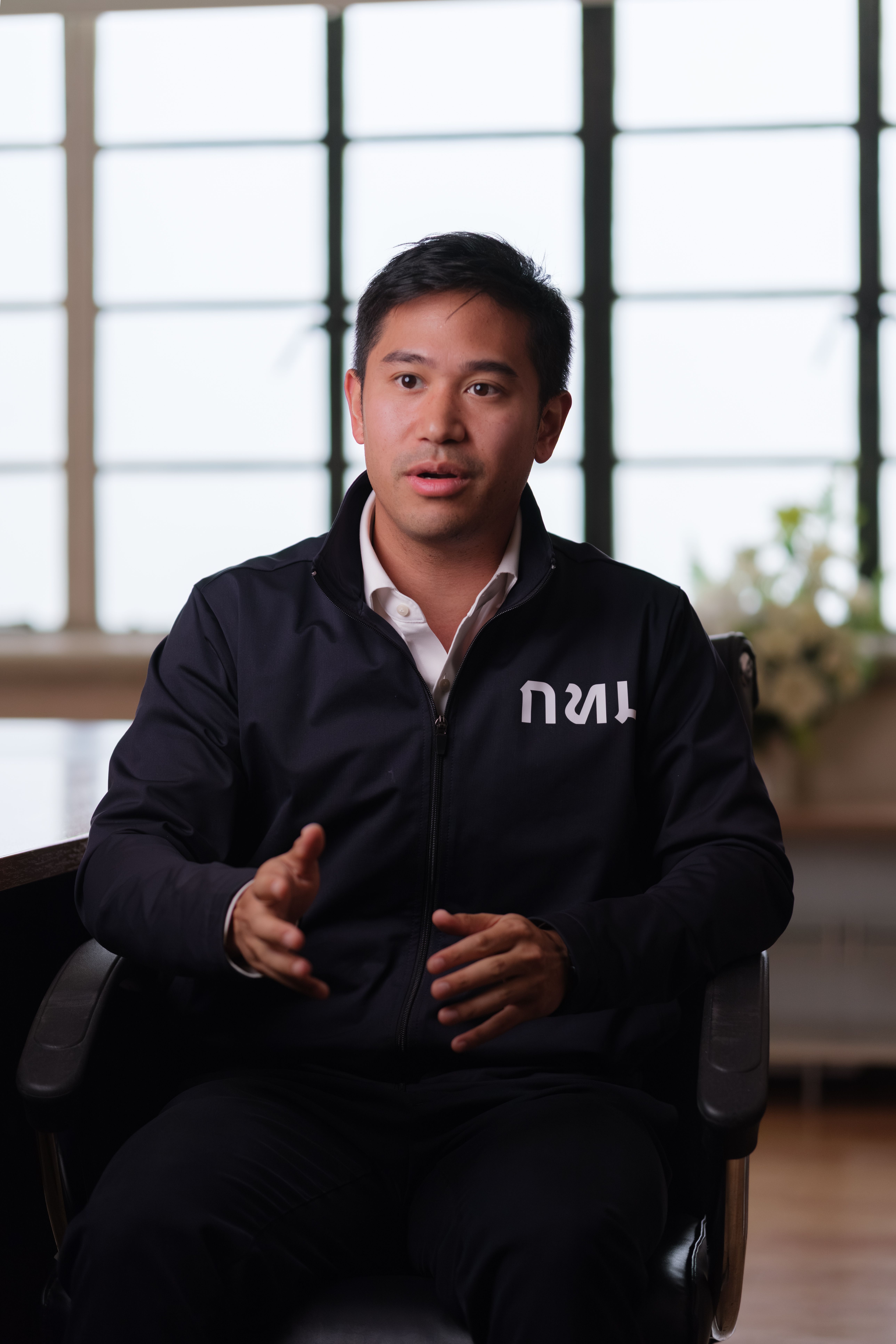
Given Bangkok's legal and procedural limitations in local governance, especially on environmental matters, how do you coordinate to achieve goals?
Though we've succeeded in part, dust pollution remains a challenge because many sources lie beyond Bangkok's jurisdiction.
For example, laws permit Bangkok to inspect black smoke only on four-wheeled vehicles. Trucks and buses fall under other agencies. We understand these vehicles are planned to be replaced by electric vehicles (EVs). We monitor proactively at bus depots, banning smoky vehicles from operating.
Even without authority over some vehicles, we think creatively. For instance, the Low Emission Zone policy prohibits trucks on high pollution days. While we cannot directly control trucks, we use disaster mitigation laws to find solutions.
Moreover, Thailand lacks a pollution-origin tax system. In other countries, old polluting vehicles pay higher taxes, incentivizing cleaner replacements. In contrast, Thailand does not impose higher taxes on older vehicles.
Another challenge is coordinating across districts with varying backgrounds. Some district directors previously worked in environmental offices and quickly grasp waste management tasks; others from different fields recognize its importance but lack detailed understanding.
Thus, Bangkok cannot govern from meetings alone. We engage communities and support staff in the field to align attitudes and goals.
Ultimately, our role is to push forward, as we understand issues and areas best. We propose solutions to the government. Last year, we submitted ten points to the Prime Minister. The government has responded, with the Department of Labor issuing ministerial regulations and installing real-time sensors, showing agency support.
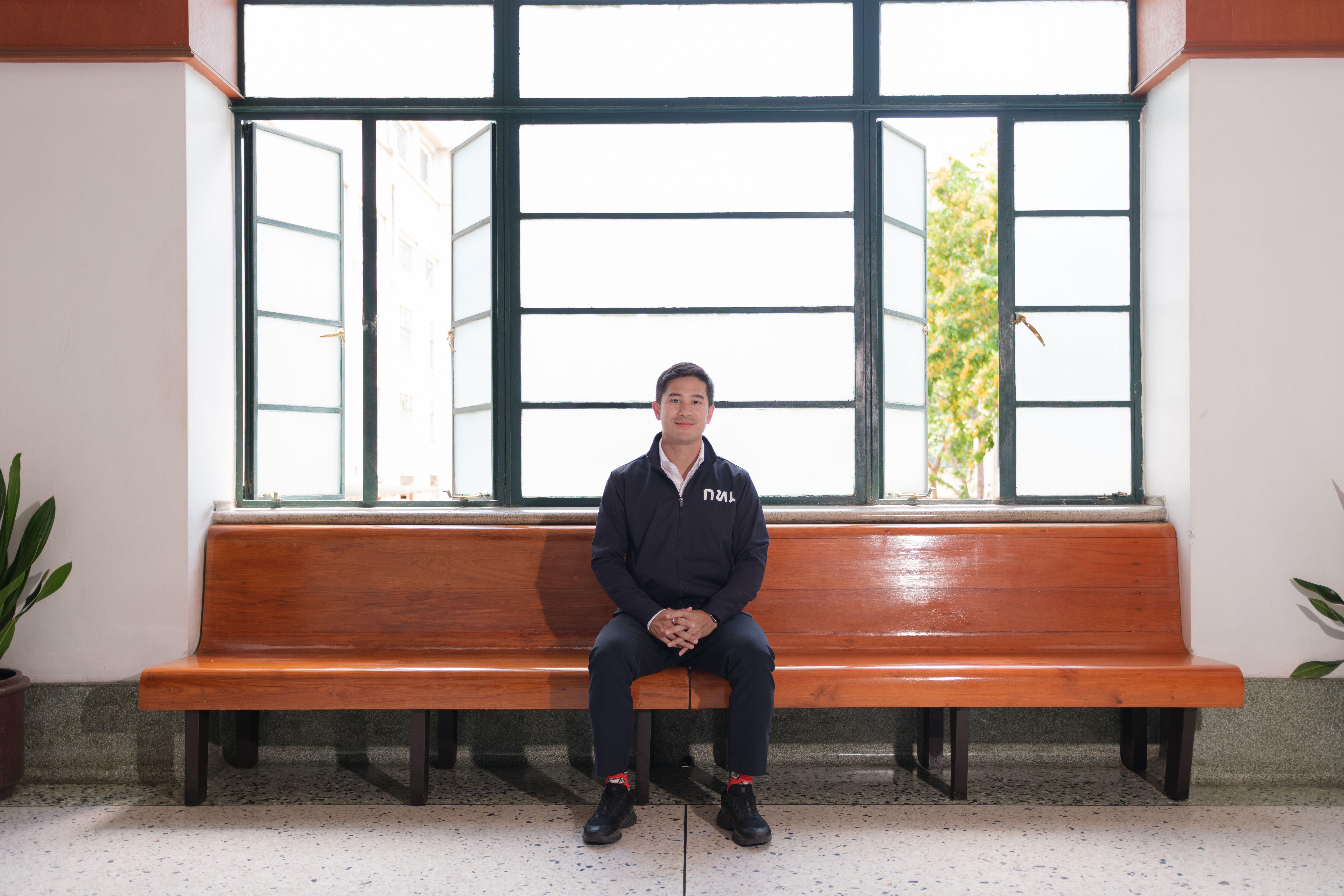
After four years, where does the flagship '15-minute park' policy stand?
In central Bangkok, there are many parks like Lumphini and Benjakitti, excellent for nearby residents. However, many suburban residents still lack good parks close to home.
Imagine living in Khlong Sam Wa district but driving to Lumphini Park for exercise. First, you create pollution by driving; second, you contribute to traffic congestion, especially during peak hours coinciding with park use. If a park were nearby, people could walk to exercise, benefiting health and reducing traffic.
The '15-minute park' concept means everyone in Bangkok should be able to walk to a public park within 15 minutes, roughly 800 meters.
The governor tasked each district with finding new park areas. For example, a district might have 10 parks. We aim for about 460 parks overall. Though not fully achieved, the policy has doubled public access from 20% to 40%.
Of over 400 parks underway, about 90% require no new budget, leveraging existing Bangkok resources like the Public Works Department or district engineers. Some receive tree or material support from private sectors.
Parks needing central budget investment are strategic or large district parks, such as near Ekamai by Khlong Saen Saeb or Pasak Forest Park in Chatuchak, where residents planted hundreds of teak trees close to communities. We invest in such areas, but most districts manage independently without central funds.
. . .
Could the requirement for every district to have a 15-minute park lead to creating parks on impractical spaces?
The target is set numerically, but inner districts like Phra Nakhon or Pom Prap Sattru Phai face challenges due to limited area. Sometimes, tiny traffic islands are labeled as parks, which are not practically usable.
To control quality, we formed district committees including private and NGO representatives, establishing a six-step checklist for field assessments: checking for lighting, clear signage, trash bins, and environmental criteria like diverse tree planting.
We also have KPIs on community involvement. A good park must not be isolated; districts must engage nearby communities to foster ownership. Parks unused after opening are ineffective.
How do you respond to shared images of parks that are mere traffic islands and not truly usable?
In the first two years, we prioritized quantity and targets. Upon criticism about unusable parks, we listened and improved. Parks failing our checklist are not discarded but districts must find additional suitable spaces.
Shared images likely depict areas no longer counted as official parks.
For example, the Patumwan intersection is within walking distance to Chulalongkorn Park, so it is not urgent. We focus more on districts lacking parks.
How does Bangkok oversee or increase green spaces in dense, high-value land inner districts?
We use policy innovation with private sectors. Many new malls in Patumwan, Bang Rak, or opposite Lumphini Park open public spaces like plazas, gardens, or promenades. This aligns with the POPS concept (Privately Owned Public Space), where private owners open space for public use in exchange for benefits like building height bonuses.
You mentioned in an interview about access to parks, public transit, and safe walkability. Do you think Bangkok can achieve these goals?
We want to encourage public transit use. Major transit investments, like various BTS lines, are federal projects.
Bangkok's role is to optimize 'capillaries' connecting homes to stations. Currently, stations may be just one kilometer away, but poor sidewalks, lack of lighting, or safety concerns discourage walking, pushing people toward private cars or ride-hailing, increasing pollution.
We map 1-kilometer radii around stations to improve sidewalks for easier rail access. We also promote bike sharing for safe, convenient cycling from homes or offices to stations.
Safety pairs with good sidewalks and lighting. We plan to replace tens of thousands of streetlights with LED bulbs, which save energy and connect to IoT systems. The Public Works Department can monitor streetlight status and dispatch repairs immediately upon alerts.
Why are sidewalk improvements still not widely visible?
Bangkok's sidewalk network is extensive. We began with key sites where Bangkok can act promptly. We focus on durable infrastructure to ensure long-lasting repairs. Once this foundation is strong, we can expand improvements elsewhere. We prioritize busy or urgent areas first.

Some citizens complain about delays or poor quality in Traffy Fondue complaint responses. What causes this and how do you address it?
Regarding delays, if the issue is within Bangkok's jurisdiction, actions are usually prompt due to KPI pressures on district directors. Delays often occur when cases must be forwarded to outside agencies less familiar with the system.
Our current weakness is 'fast repairs but poor quality.' We've added a system allowing citizens to rate services. Even if districts act quickly, poor outcomes result in low ratings, which reduce their performance scores.
What should Bangkok's environmental development plan be going forward?
Bangkok's Climate Change management covers four areas: energy, public transport, waste and wastewater management, and adaptation measures for floods and heat.
Measures to reduce PM 2.5 and black smoke from transport also cut greenhouse gases. Waste reduction aims to halve landfill waste to lower methane emissions, which have a stronger warming effect than CO2. Increasing and preserving green spaces and large trees are vital to climate resilience.
Moving forward, the focus must be on adapting to climate change. While flood and heavy rain management remains routine, addressing urban heat is a priority.
Current measures include establishing over 200 dust-free and cooling rooms where citizens can rest with air conditioning, plus more than 2,000 free water refill stations citywide. Although simple, free water points effectively help cope with extreme heat.
We also care for existing large urban trees. Besides planting new ones, we employ nearly 40 arborists ('tree doctors') to maintain and prune trees properly, preserving aesthetics and sustainable shade.
After four years of work, are projects reliable and ready for continuation?
I believe Bangkok is on the right path. The city offers more enjoyable activities, encouraging people to use public spaces. I recall visiting Paris as a child, noting lively riverbanks and popular parks. Now Bangkok shows similar signs with parks, weekend events, and outdoor music. Many prefer exercising outdoors rather than gyms. With these activities, we can expand citywide.
Our main focus over four years has been laying foundations, building systems, and establishing data frameworks, which will benefit the next four years. For example, in waste separation, we now have data and technology tracking waste amounts. Citizens are incentivized to separate waste. The BKK Zero Waste system records how well condos or communities segregate waste, affecting their garbage fee discounts. Garbage collectors adhere strictly to sorting rules, unlike in the past.
I trust that the foundational work allows future administrations to build upon it without overhauling systems. A good system enables any successor to work efficiently and advance the city positively.

From the environmental discussion with Pornprom,
Ultimately, what a good city looks like for everyone, or whether Bangkok has truly become more livable, the clear message from this insider is that Bangkok's efforts address root causes and build long-term structural foundations, not just short-term fixes.
As for Bangkok's future, we must watch whether the next leadership can leverage this solid base to continue making the city livable for all.