

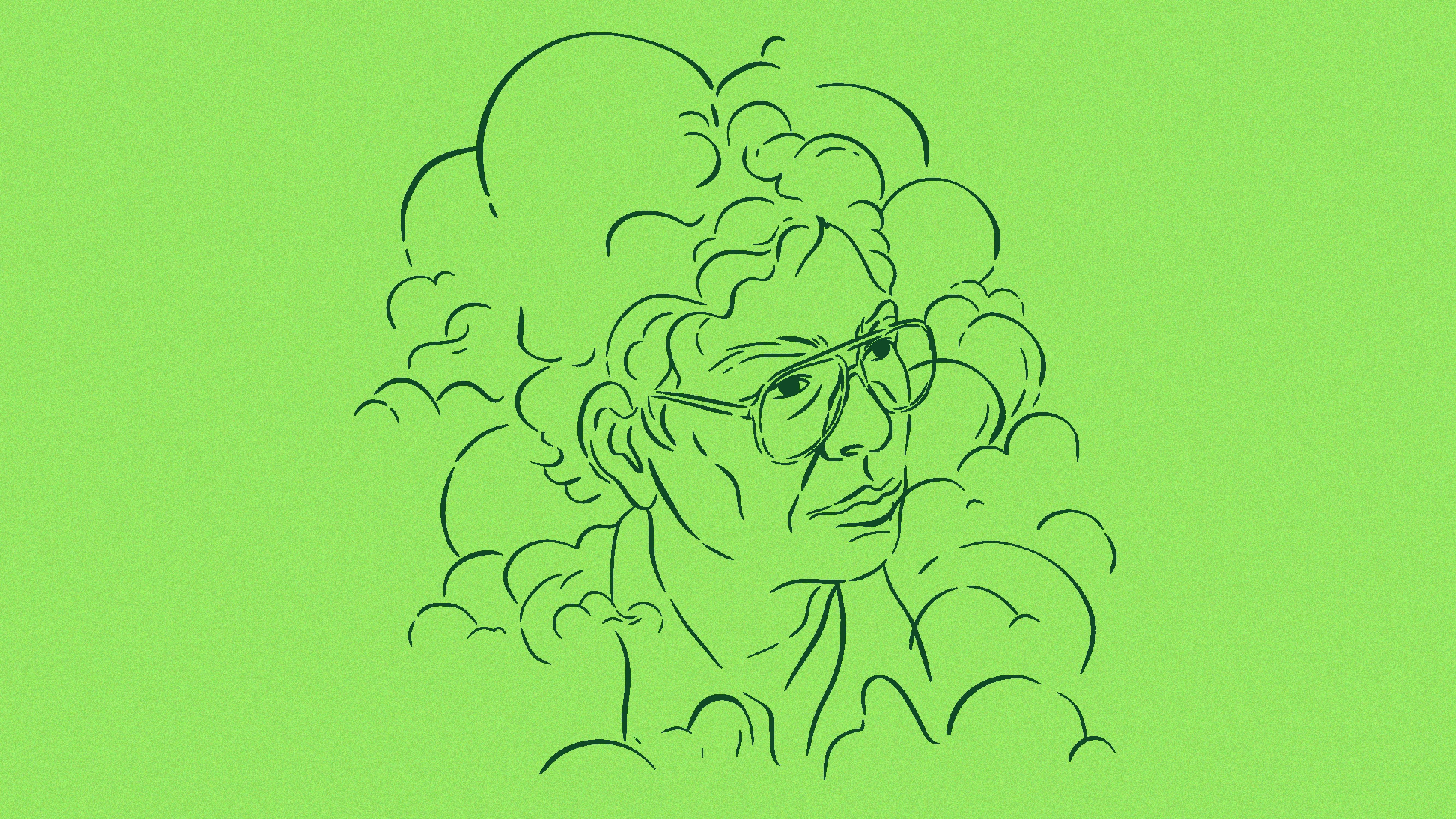
However, looking back today, the wounds on nature have changed. Forests are no longer threatened solely by capitalists or poachers but now face structural crises, conflicts between development and conservation, and increasingly severe climate change impacts.
Nonetheless, the great legacy Seub Nakhasathien left to future generations is not just an old map on an office wall but a way of thinking and working that remains relevant and adaptable across decades and social issues. Thairath Plus invites you to learn five lessons from Seub Nakhasathien that new generations can apply to drive social progress in their own ways.
Love for nature alone is insufficient; it must be supported by academic research to understand scientific processes, principles, and reasoning strong enough to fight against projects that destroy natural resources and the environment.
Seub chose to present academic data and research revealing facts and losses, including assessments of damages that cannot be economically valued, relying on sufficient ecological knowledge and understanding.
Similarly, current advocacy requires leading with credible information. Even if outcomes differ from expectations, it respects oneself by fighting with academic reasoning rather than emotion when addressing problems.
Good conservation work requires effective communication. Seub often conveyed conservation through photography, writing, public speaking, and designing exhibitions himself to bring the distant topic of forests into people's hearts, conveying nature's beauty and creating lasting impressions that help society understand and appreciate the true value of the environment.
This applies not only to conservation but also to modern social life, where communication skills are crucial—especially today when everyone has media access. Miscommunication or misunderstandings can affect relationships and have wide social impacts.
Therefore, we must learn how to communicate to precisely express our intentions, simplify complex issues, speak as a voice for others, and create meaningful social change.
Working within a system does not mean accepting injustice. Although Seub was a government official, he courageously challenged the Thai bureaucracy and sought to change things conflicting with his duties and ideals without trading principles for power or benefits. Wherever we are, boldly questioning injustice is the beginning of change.
Conservation and forest protection require sacrifice and risking dangers from wildlife and people. While serving as head of Huai Kha Khaeng Wildlife Sanctuary, Seub faced death threats, pressure, and chronic budget shortages. What carried him through was an unwavering heart and determination to protect both people and wildlife.
When we feel tired or discouraged by capitalist challenges, holding onto our original goals and sincere intentions—even for small matters—helps us persist long enough to tackle difficult tasks.
No major achievement is accomplished alone. Behind many successes are supporters offering physical and moral strength, enabling us to overcome obstacles.
For example, Seub's success in opposing state development projects like dam construction came from cooperation among academics, environmentalists, journalists, students, the public, and local villagers. Focusing on building networks and engaging people from diverse professions generates powerful, effective change.
The lessons from Seub Nakhasathien's life and work did not end with his passing; they remain a light igniting conservation efforts amidst the falling rain, inspiring those who wish to protect forests, ecosystems, and wildlife breath.
For the author, conservation work is not just about protecting natural resources or the environment but is a way of thinking and viewing the world that helps us understand that"all living beings have intrinsic value."
Every life form has evolved to perform different roles in the ecosystem. Nothing is more or less important because all depend on each other. Some animals are predators, others prey, but these roles maintain the ecosystem's balance in that area.