

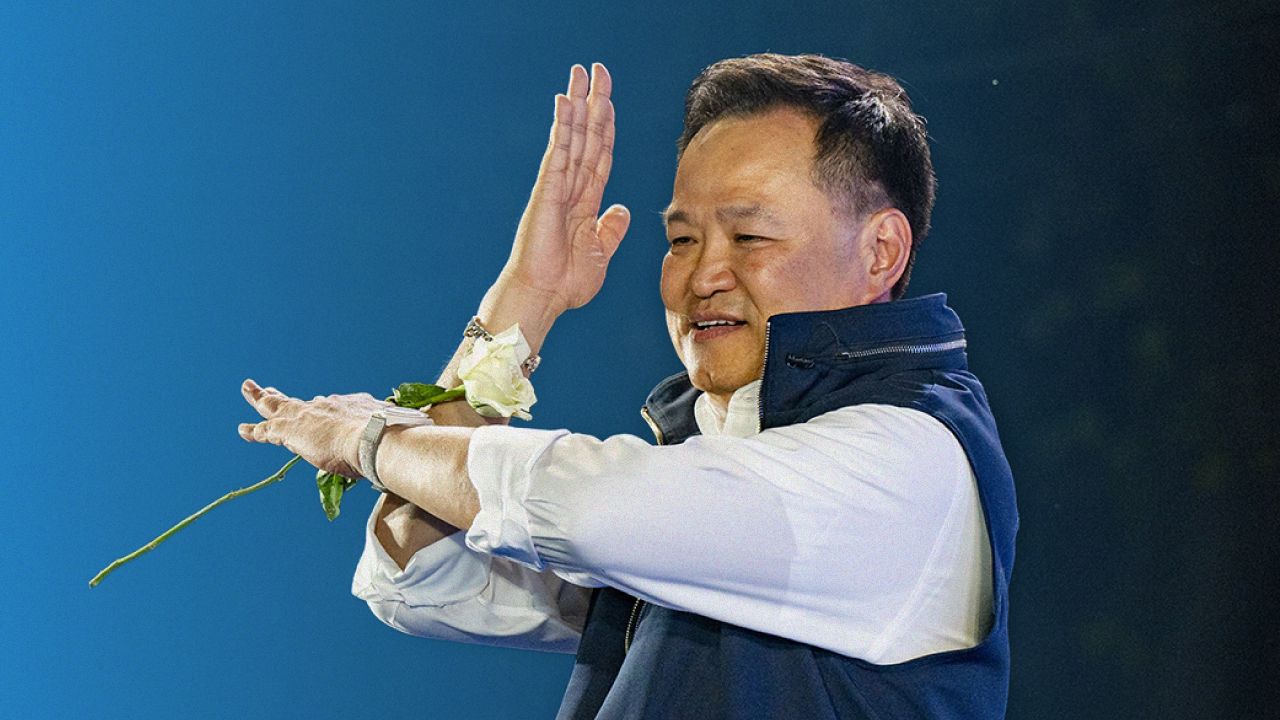
In the 24 hours following the election, Thai politics sent several important signals, from shifts in parliamentary power balance to questions about the election's legitimacy and the stability of the emerging government. These are five main phenomena reflecting that Thai politics is entering a more complex and fragile era.
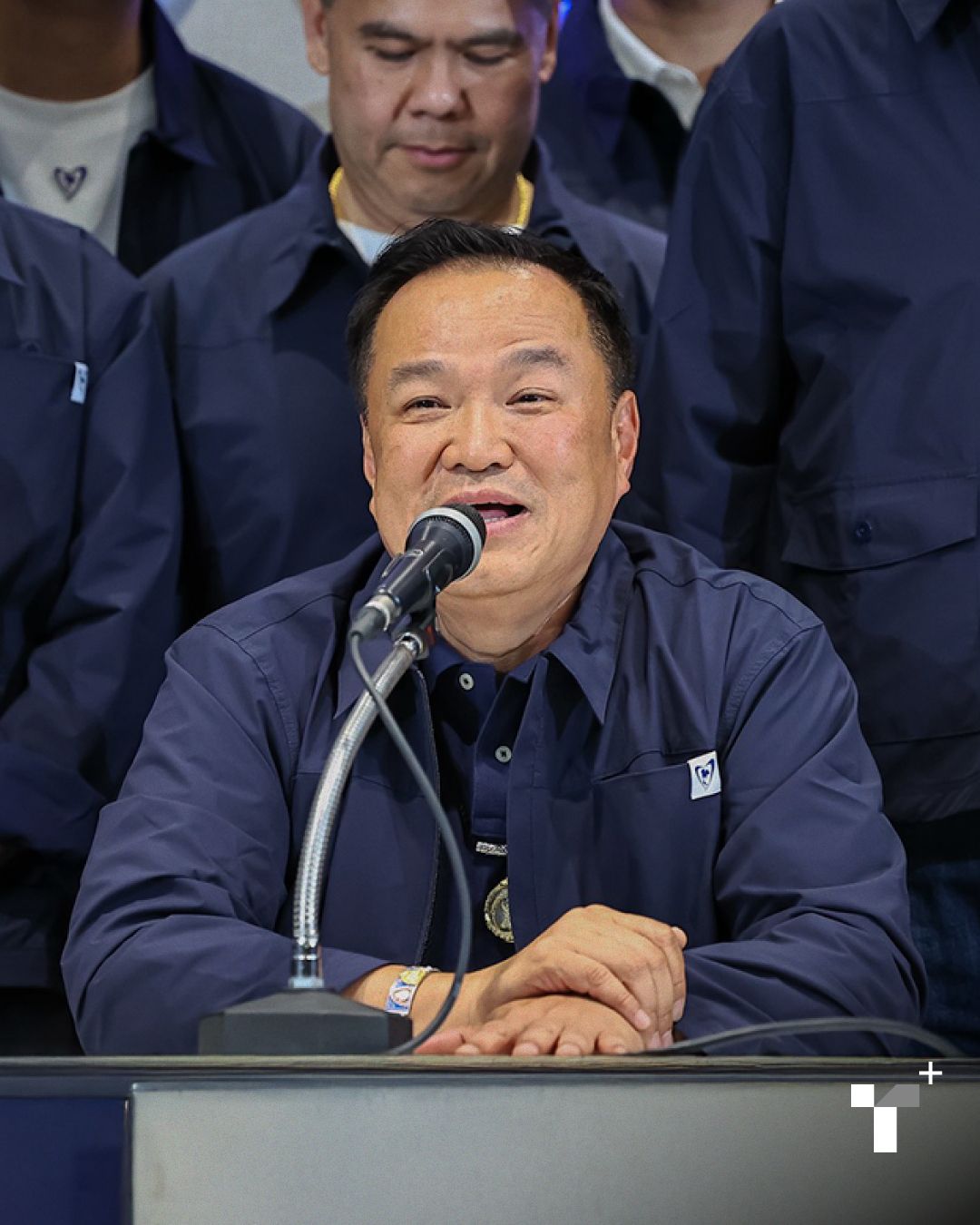
One of the most impactful phenomena was the dramatic victory of the Bhumjaithai Party, which secured 174 constituency seats plus 19 party-list seats, totaling 193 seats. It rose to become the largest party and a full-fledged government coalition leader.
Anutin Charnvirakul, the party leader, expressed gratitude with the phrase “No him then, no us today,” referring to the support from 143 former People's Party MPs. This reflects a political power consolidation dynamic that did not happen overnight but is the result of long-term negotiation and strategic political calculation.
Although the People's Party recently declared it would no longer support Anutin as prime minister, current circumstances indicate that Bhumjaithai has surpassed the stage of dependence on such support.
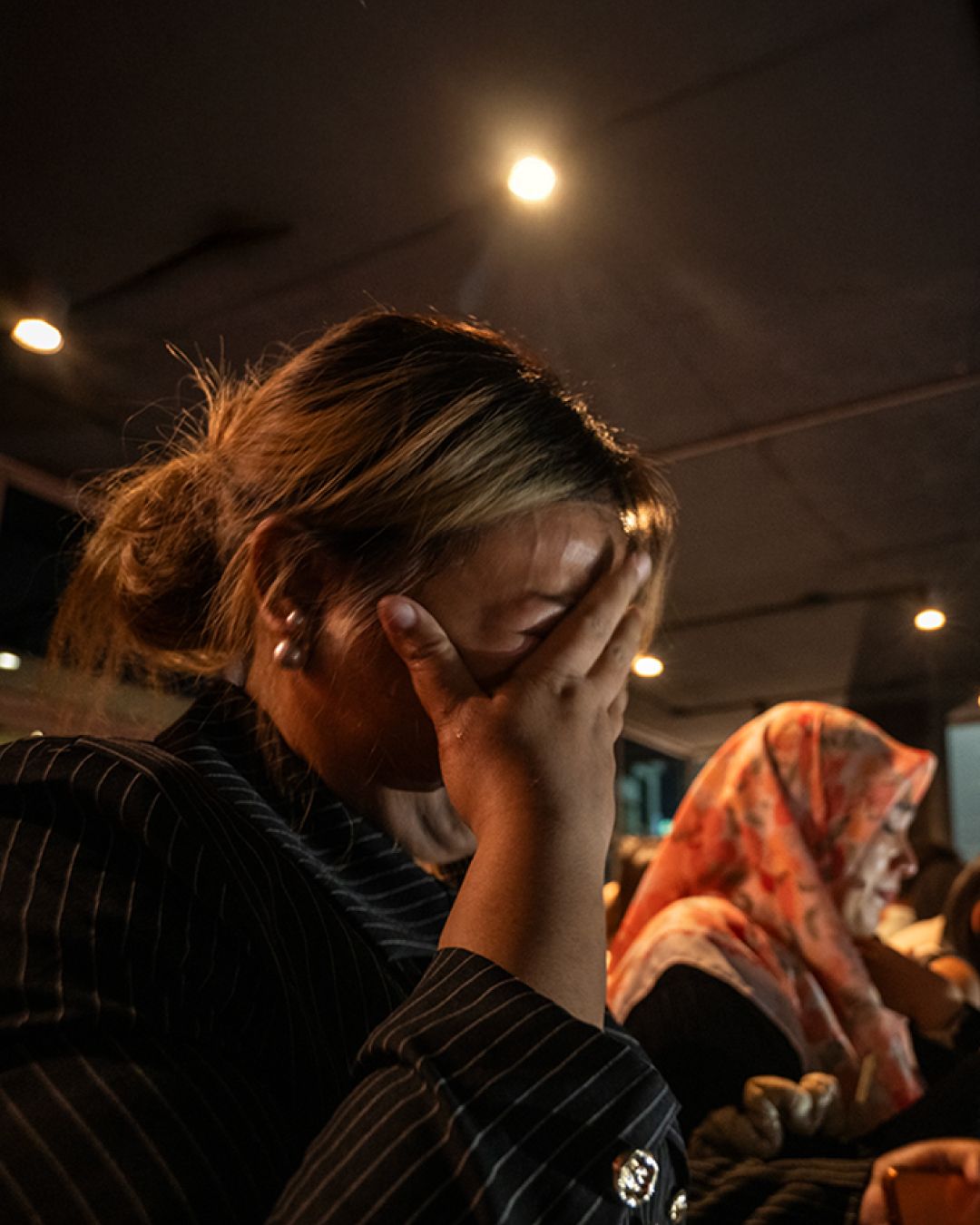
On the other side, the People's Party, once the largest party, won 118 seats, falling short of its 200-seat target. Consequently, Sarayut Jaikal announced his resignation as party secretary-general to take responsibility as promised and to address pending matters, including lessons learned from this election.
This decision reflects a political culture where party leaders take tangible political responsibility. However, the election results also highlight a key limitation: the national momentum still cannot penetrate local political structures or entrenched local power networks in many areas.

Soon after polls closed, news broke of a serious ethics investigation against 44 former Move Forward Party MPs over their proposal to amend Section 112, causing significant upheaval that could lead to political disqualifications, including two of the three People's Party prime ministerial candidates.
The key issue is not just the case content but the timing of the news release while election results remained unofficial, raising questions about political prosecutions alongside the stability of Thai political parties.
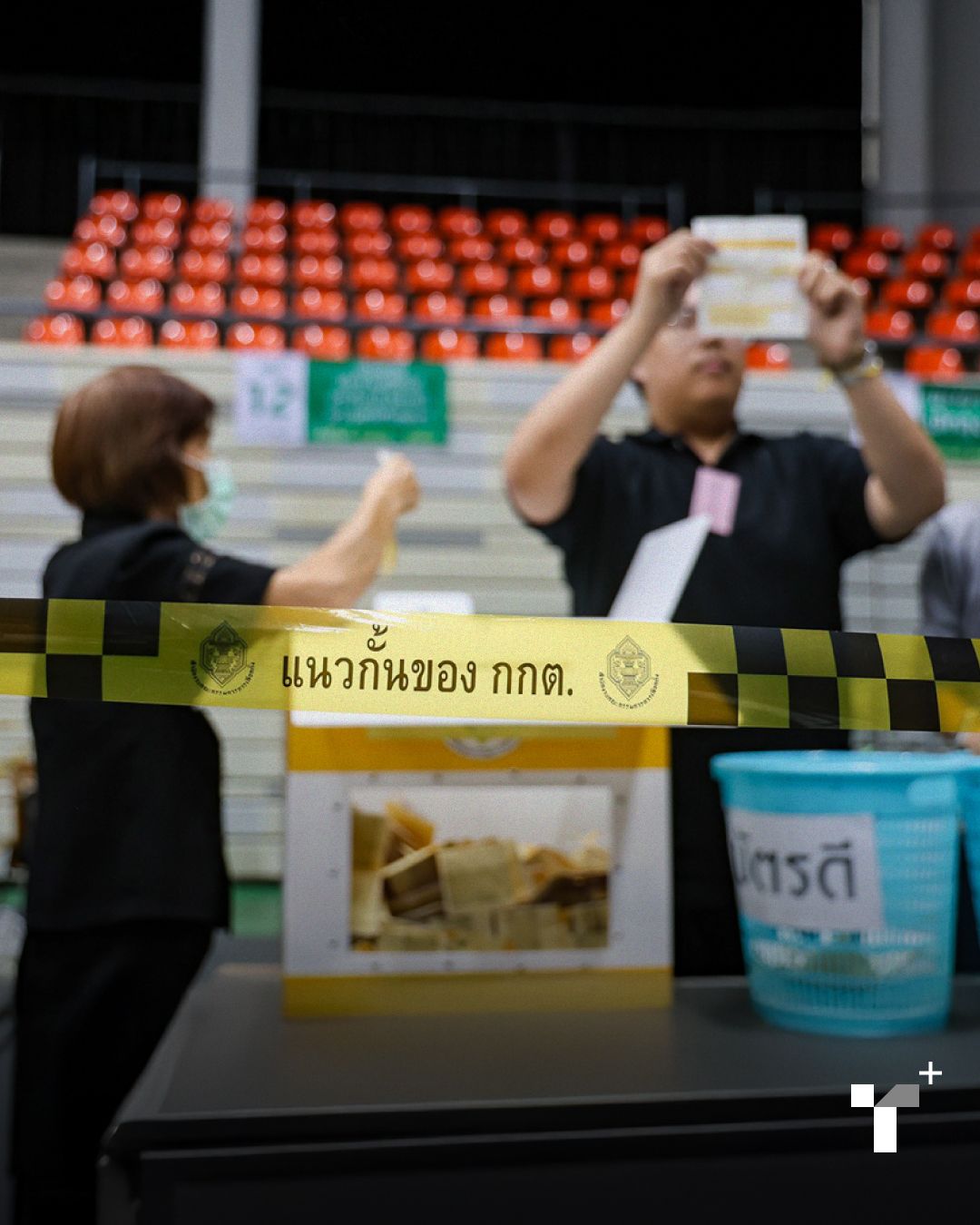
Another unavoidable factor was criticism of the Election Commission's work, particularly delayed vote count reporting after polls closed. iLaw reported that the Commission had counted 89% of votes near midnight and 93% by 02:20, not due to unfinished counting but because completed counts were not transmitted or reported promptly.
By the morning of 9 Feb 2026 GMT+7, Thais woke to news of students and citizens in Pathum Thani’s 8th district protesting election officials’ obstruction of observers and sharing images of black bags covering CCTV cameras in vote counting areas, leading to a re-count following public demand.
These events reflect the fragility of confidence in the election process, a fundamental pillar of democracy, regardless of the election outcome.
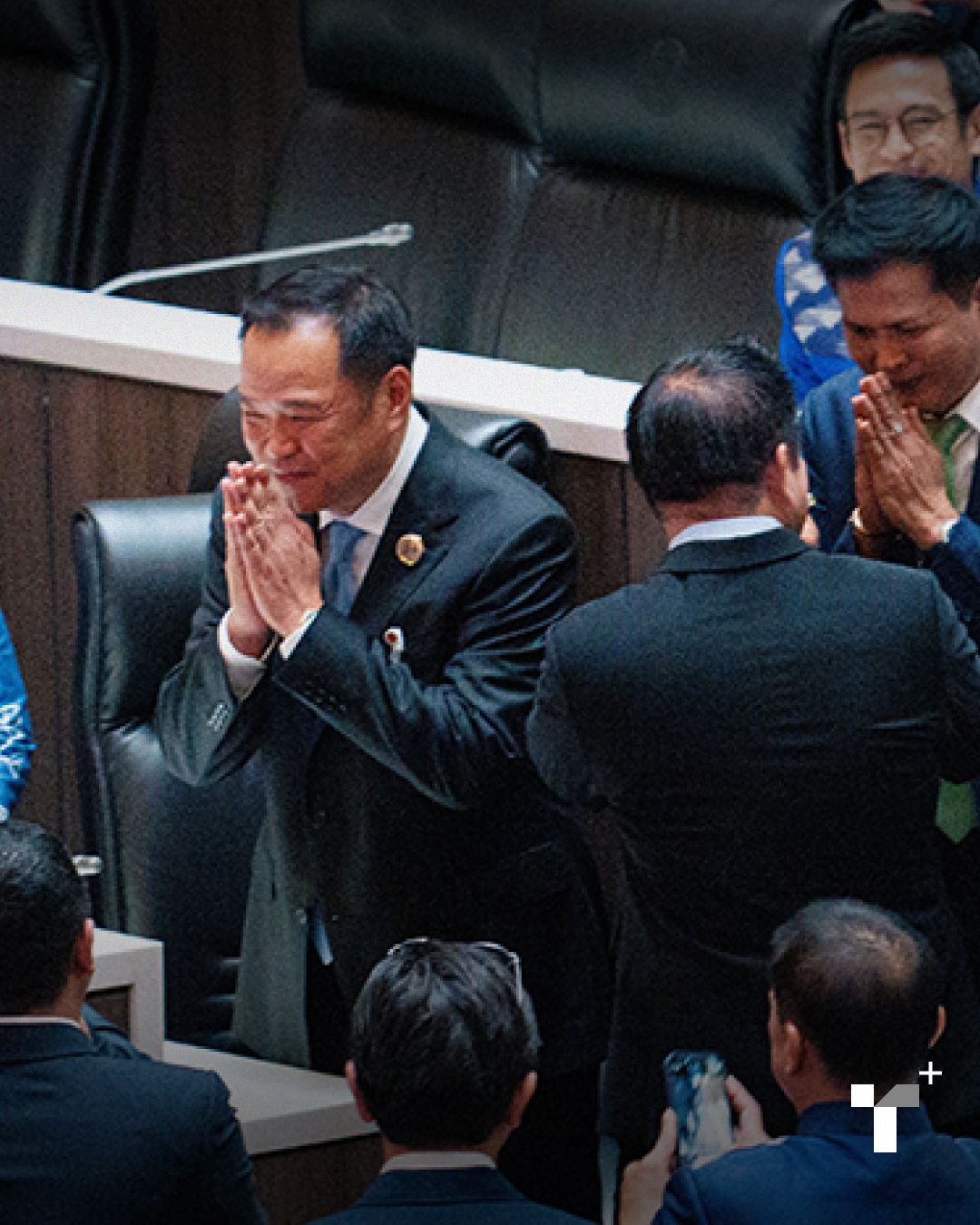
A key difference in the 2026 election is that the Senate no longer holds power in selecting the prime minister, meaning government formation will be decided solely by House MPs’ votes.
This situation returns the power negotiations genuinely to political parties. The positions declared by each party in the 24 hours after the election are not just political signals but strategic moves setting the stage for the new government.
With Bhumjaithai’s 193 seats falling short of the 250 needed for a majority, political mathematics force coalition-building, and the parties’ stances in the past 24 hours hint at the cabinet’s possible composition.
For example, the People's Party reiterated that it cannot support Bhumjaithai’s prime minister candidate, while the Democrat Party clearly announced readiness to serve as the parliamentary opposition.
Meanwhile, the Kla Party acknowledged that every party expected to be in government, and Pheu Thai declared readiness to fulfill its role fully, regardless of position.
It can be said that the 24 hours after this election did not just mark a transition to a new government but tested public trust in the entire system—from the election process and political parties’ responsibility to the role of independent agencies.
Regardless of the new government’s composition, the true challenge may not be rapid power consolidation but building confidence that this transition will not weaken democracy and will enable the country to move forward with greater stability than before.
#ThairathPlus #Thairath #Election69 #Election2026 #OneMoreElection