


Following the 2026 election results, it became clear that no party secured an outright majority. What follows is therefore not merely a vote to select the prime minister but the allocation of power through "cabinet seats" in a coalition government.
The subsequent question is not just "who will become ministers" but rather "who will control which ministries."
In Thai politics, ministry allocation by party quota is not only about policy appropriateness but serves as a measure of bargaining power and reflects each party’s strategy, especially for ministries labeled "Grade A," which commonly share three characteristics, also known as the 3Ms: Money, Manpower, and Mandate.
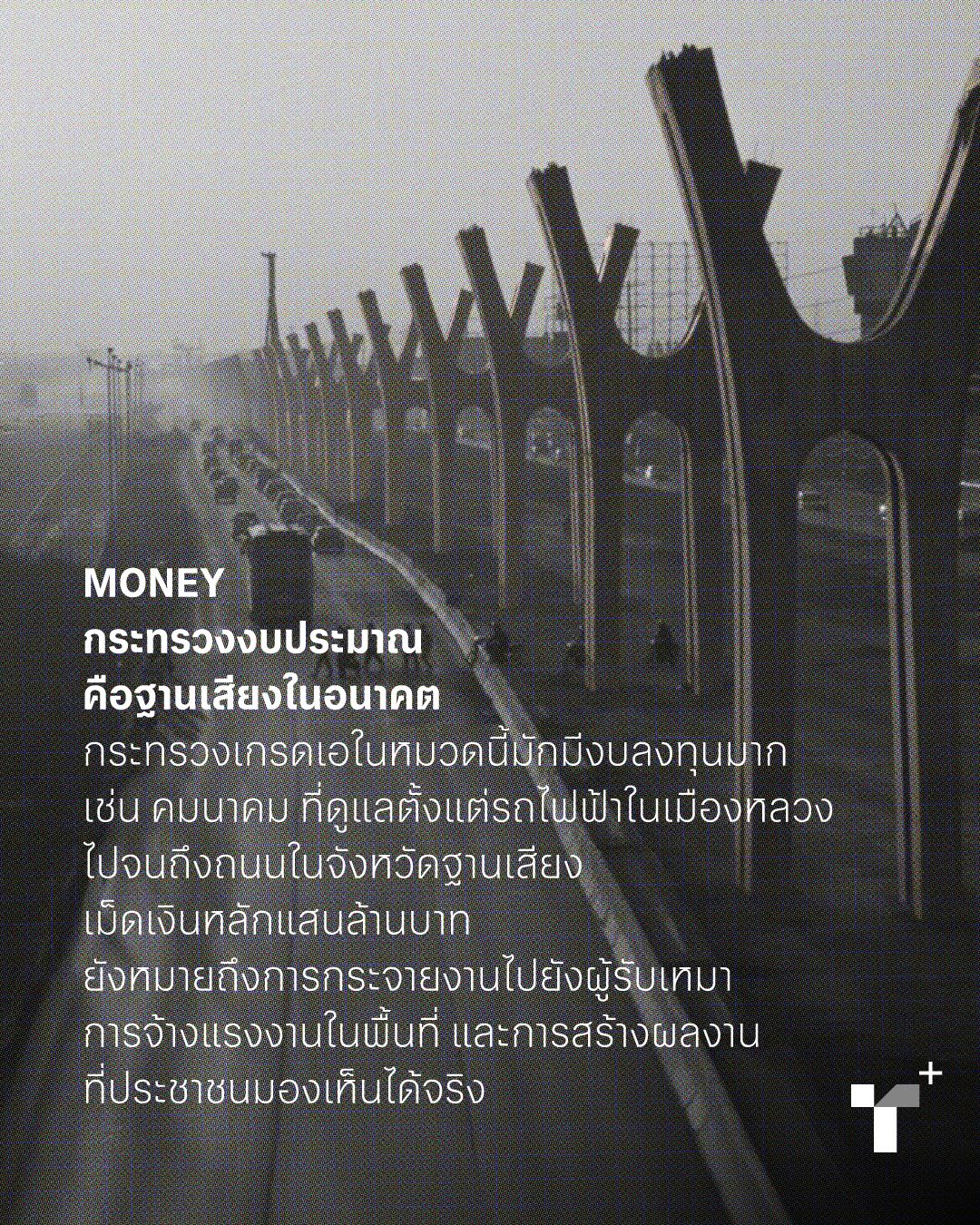
The first factor is "money." The annual budget act clearly indicates government priorities through the budget numbers allocated to each ministry.
Grade A ministries in this category usually have large infrastructure investment budgets, such as the Ministry of Transport, which oversees everything from the capital’s mass transit systems to roads in provincial electoral bases. Hundreds of billions of baht signify not only economic development but also the distribution of contracts to contractors, local labor employment, and tangible achievements visible to the public.
In a political system constantly preparing for elections, a construction project can translate into votes in the next cycle. Therefore, the transport minister position is often a key role for leading coalition parties.
Similarly, the Ministry of Agriculture and Cooperatives, though focused on grassroots work, is a large electoral base nationwide. Irrigation budgets, flood and drought management, and even converting agricultural land rights (Sor Por Kor) into official land titles are policies that genuinely impact people’s lives. It is common for coalition party leaders in various eras to take this post themselves.
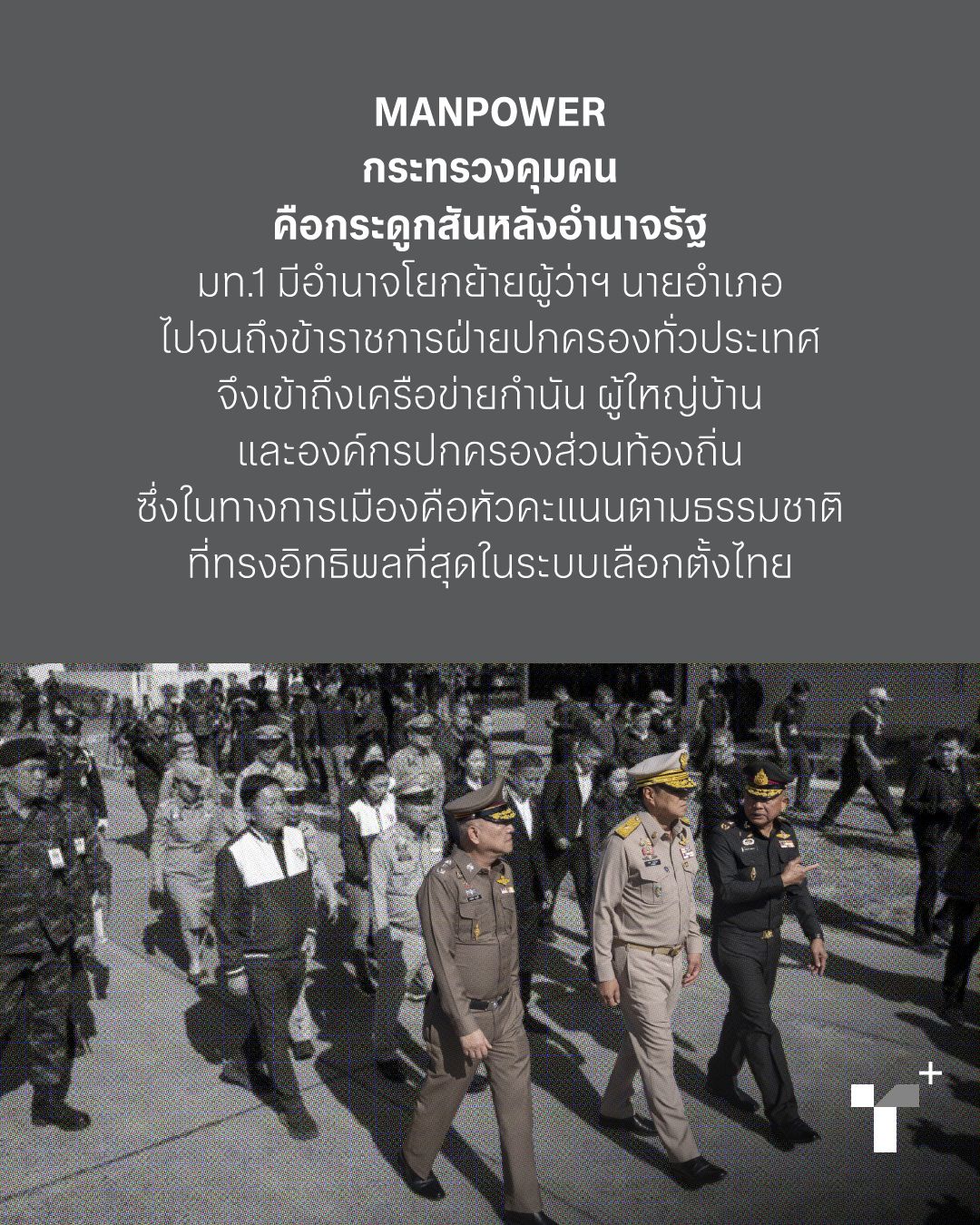
The second factor is "people." Some ministries may not have large investment budgets but wield authority over bureaucratic machinery, such as the Ministry of Interior.
The Interior Minister (MOT1) has the power to appoint and transfer provincial governors, district chiefs, and administrative officials nationwide. These roles form the critical link between government and citizens, serving both administrative functions and local power structures.
Controlling the Ministry of Interior therefore means access to networks of village headmen, community leaders, and local administrative organizations, who are natural political vote-banks with significant influence in Thailand’s electoral system.
It is no surprise that the Interior Minister post is often held by senior government leaders, from the National Council for Peace and Order (NCPO) era to post-election governments, and has recently been a source of tension within coalition parties.
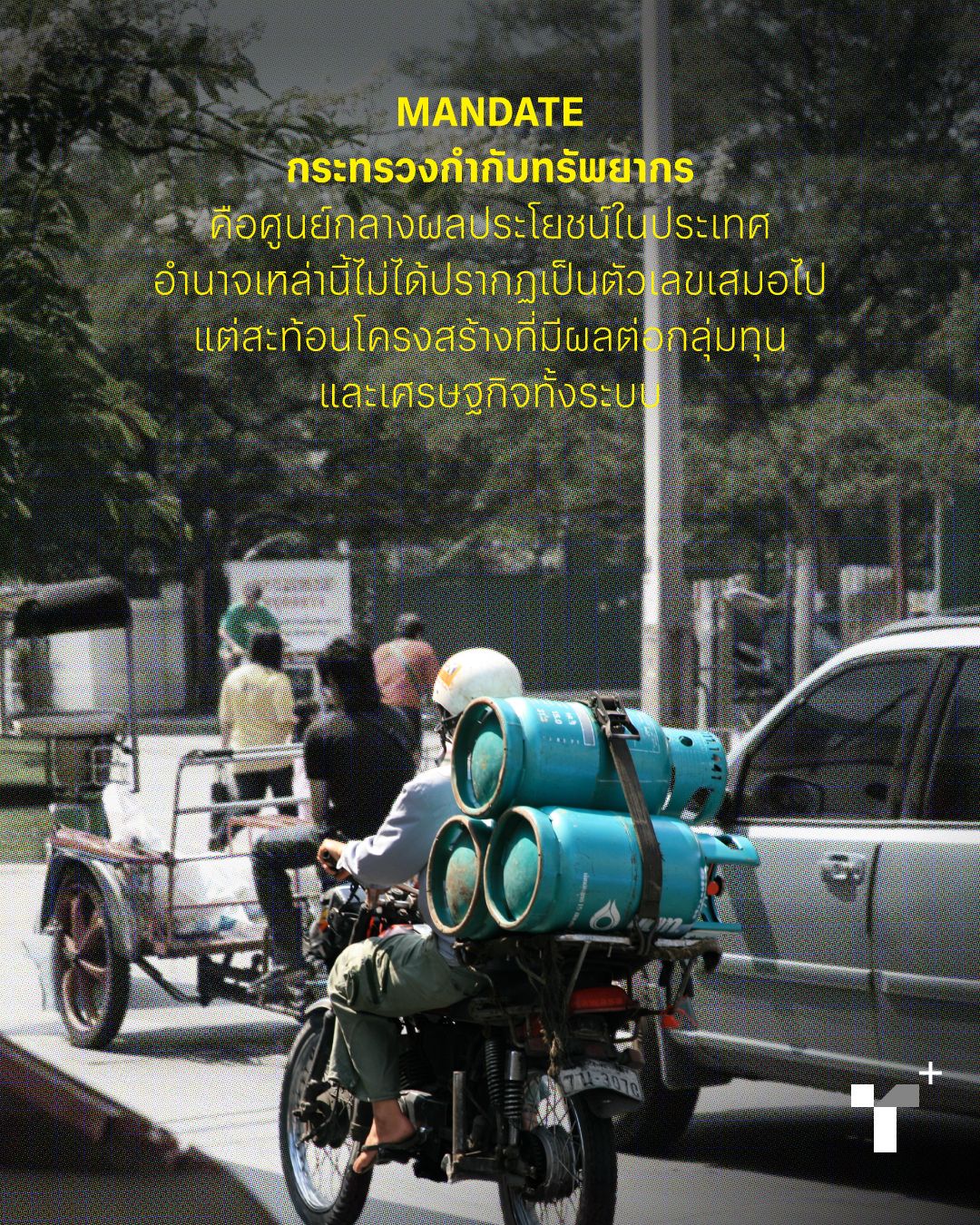
The Ministry of Energy and the Ministry of Natural Resources and Environment are central to issuing licenses, concessions, and regulating high-value resources, ranging from petroleum and energy infrastructure affecting domestic capital groups, to scrutinizing Environmental Impact Assessments (EIA) for large projects and managing forest and geological resource utilization.
These powers may not always be reflected in budget figures but represent structures influencing capital groups and the entire economy. Ministers of these ministries are often party leaders or individuals highly trusted by their parties.
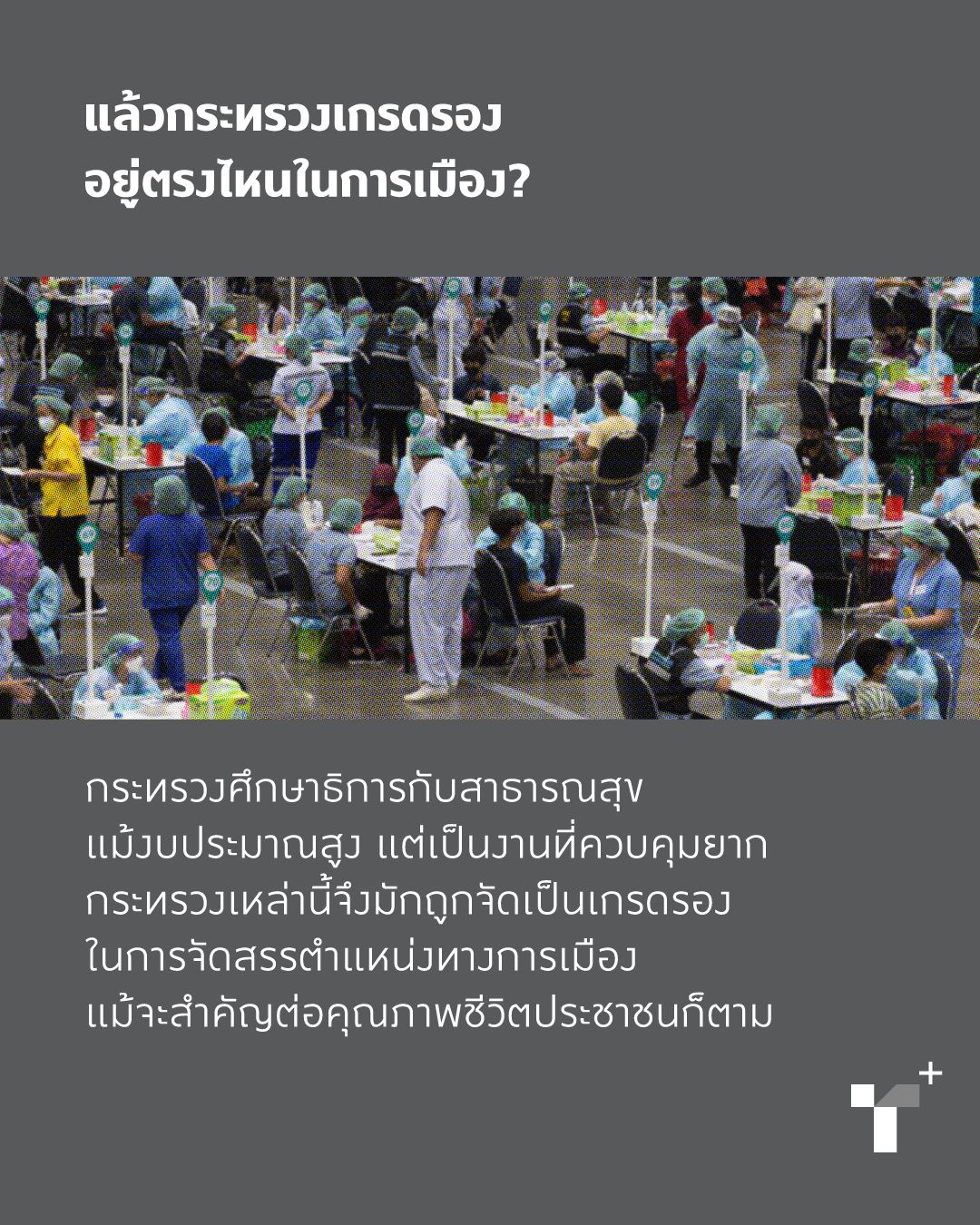
On the other hand, ministries responsible for long-term structural issues, such as Education and Public Health, despite having large budgets, involve complex work with outcomes that are not immediately visible.
Especially in Thai politics, where governments rarely complete their full terms due to scrutiny from independent agencies or conflicts among coalition partners, the work of these ministries requires policy continuity.
Hence, these ministries are often considered lower grade in political appointments, even though they are vital to citizens’ quality of life.
The difference between Thailand and many democratic countries can be illustrated by the concept of Great Offices of State in the United Kingdom, which prioritizes the Prime Minister, Chancellor of the Exchequer, Foreign Secretary, and Home Secretary as strategic cores of finance, security, and international roles.
Meanwhile, in Europe, ministries of Digital and Innovation in Germany, Cyprus, and Spain are being elevated as national strategic centers due to their direct impact on economic competitiveness and future technological leadership.
Compared to this, we may need to ask whether Thailand’s ministry grading reflects "the state’s objectives" or "the political goals" of coalition parties.
If Grade A ministries are those distributing the largest resources, then the political system revolves around budget allocation; but if Grade A ministries are those setting the country’s strategic direction, the system revolves around strategy.
The post-2026 coalition government is thus under scrutiny not only for its stability but also for how it defines important ministries, because ultimately, the allocation of cabinet seats signals not only who gains power but also how the country will move forward in the years ahead.
#ThairathPlus #Thairath #Election69 #Election2026 #AnotherElection