

This marks a notable administrative development in Thailand, as there are reports that the government under the Bhumjaithai Party following the 2026 election will push an urgent agenda to restructure key ministries to boost the country’s creative economy and tourism. The main concept is to clearly separate the Tourism and Sports ministries, merging the "Tourism" portfolio with the "Culture Ministry" while establishing "Sports" as a standalone ministry.
This is not mere rumor; it was confirmed by Sabida Thaiset, Minister of Culture, on 10 March at the Government House. She acknowledged this as the vision of Prime Minister and Minister of Interior Anutin Charnvirakul, leader of the Bhumjaithai Party, who recognizes Thailand’s multicultural potential has yet to be fully utilized. Linking tourism with culture is thus a key strategic priority expected to be concretely realized within six months.
The government explained this move as a new national strategy under the concept of "marketing Thai culture alongside tourism" to promote Thailand’s soft power internationally in a unified manner—covering traditions, arts and culture, Thai cuisine, lifestyles, and major festivals such as the Rocket Festival and Songkran. Centralizing authority and policy-making within one ministry will enhance tourism experiences and significantly boost economic value.
Meanwhile, the sports portfolio will be separated into its own “Ministry of Sports” focused on developing professional and youth sports and elevating Thai athletes to world-class levels. Although this will require further legal amendments to reorganize ministries and departments, if implemented within the proposed timeframe, it could mark a major turning point for Thailand’s bureaucracy.
This restructuring proposal has sparked varied reactions from political circles and public figures, with both supporters and critics. The former Nakhon Si Thammarat MP Thepthai Senpong strongly supports this idea, noting he had proposed it multiple times due to overlapping work and projects between the Tourism and Culture ministries. Separate management leads to a lack of unity and unnecessary budget waste. He lamented that this was not pushed during the NCPO era under Section 44, which could have expedited the process without complex legal hurdles.
Adisorn Piangkaew, a party-list MP from the Pheu Thai Party, concurs that this restructuring is “well-targeted,” recalling the bureaucratic reforms during Thaksin Shinawatra’s government when sports was merged with tourism to facilitate reform passage. The idea of merging culture and tourism into one ministry has been continuously discussed within Pheu Thai, with draft legislation already prepared.
However, in a different perspective, former Move Forward Party leader Pita Limjaroenrat argued that tourism management should not be addressed merely by horizontal ministry mergers. Instead, tourism is a vertical issue that should empower local administrative organizations to self-manage, thereby reducing income disparity among provinces. He also suggested that if the government truly wants to reform bureaucracy, the real ministries to consider merging are Commerce and Industry, a proposal discussed since 2002.
Examining the rationale and benefits of this policy reveals that merging "Tourism and Culture" aligns with global tourism trends shifting from mass tourism focused on visitor numbers toward value-based tourism emphasizing quality and experience. Modern travelers seek meaningful journeys, wishing to experience local lifestyles, taste indigenous cuisine, and understand artistic and traditional roots. Combining these agencies will remove cross-ministerial barriers, enabling the transformation of cultural capital into tourism products or soft power more comprehensively and effectively.
On the other hand, separating “Sports” as an independent ministry can be seen as pressing a reset button for Thai sports, reorganizing structures across three main dimensions: budget, management, and long-term policy. Budget-wise, escaping the shadow of tourism—which often attracts more funds and media attention—will allow more agile management of the National Sports Development Fund, reducing delays in allocating financial support to sports associations and athletes.
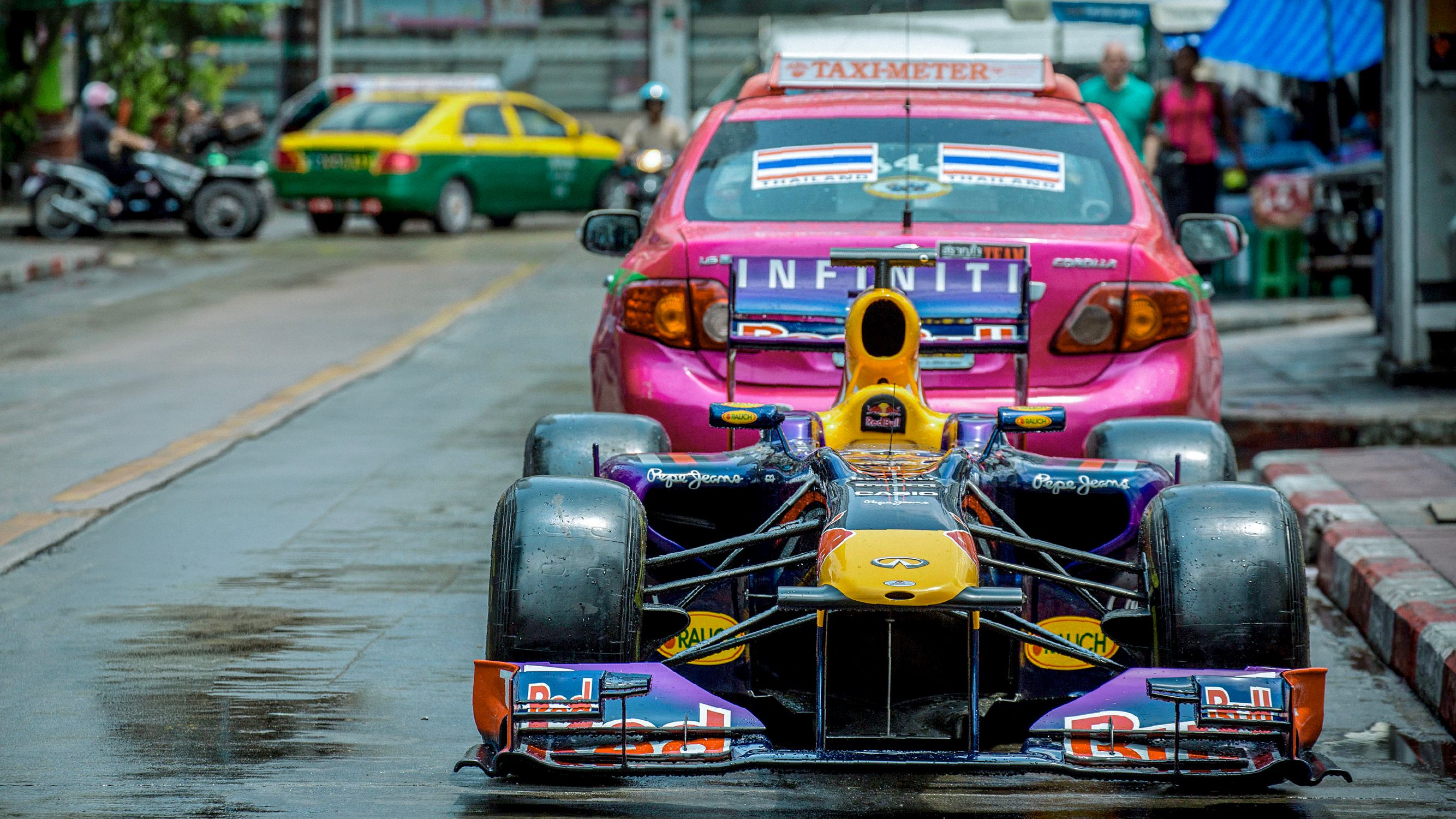
This is especially timely as Thailand aims to become a hub for global sports events, requiring significant investment and decisive decision-making. Past efforts by the Pheu Thai government targeted hosting Formula One races between 2028 and 2032 near Chatuchak Park, expected to generate tens of billions in revenue, though current government intentions remain to be seen.
This also includes extending the contract to host the MotoGP World Championship at Chang International Circuit in Buriram Province for five more years until 2031 and preparations to bid for the 2030 Youth Olympic Games in Bangkok and Chonburi. Having a unified Sports Ministry will enhance international coordination and streamline overlapping power structures between political and operational units, enabling clearer athlete development policies.
Looking at international examples, Turkey stands out as a successful model using a combined Ministry of Culture and Tourism to drive its economy through events like the Türkiye Culture Route Festival, integrating archaeological sites, arts, and cuisine to attract tourists year-round. Similarly, in ASEAN, Indonesia signed a memorandum of understanding in 2025 between its Tourism and Culture ministries, leveraging cultural diversity from Java and Bali as key attractions and focusing on building emotional connections with visitors.
Regarding the separate Sports Ministry model, France provides an instructive example where the government split sports from youth affairs to focus explicitly on sporting excellence. The ministry manages national sports and the Olympic Games while promoting health through physician-prescribed exercise for patients with chronic conditions, alongside funding youth sports clubs equally via the Pass’Sport program.
Ultimately, restructuring Thailand’s bureaucracy by merging "Tourism" with "Culture" and establishing "Sports" as an independent ministry holds strong potential to enhance national capabilities—both by increasing economic value through cultural assets and tourism industries, and by advancing sports development more fully.
However, more important than renaming ministries or reshuffling structures on paper is the integration of workflows, leadership vision, and removing the legacy of siloed operations. If these are achieved, the new ministry structure could become a crucial mechanism to propel Thailand forward steadily and sustainably.
#ThairathPlus #ThairathPlus #Culture #Tourism #Sports