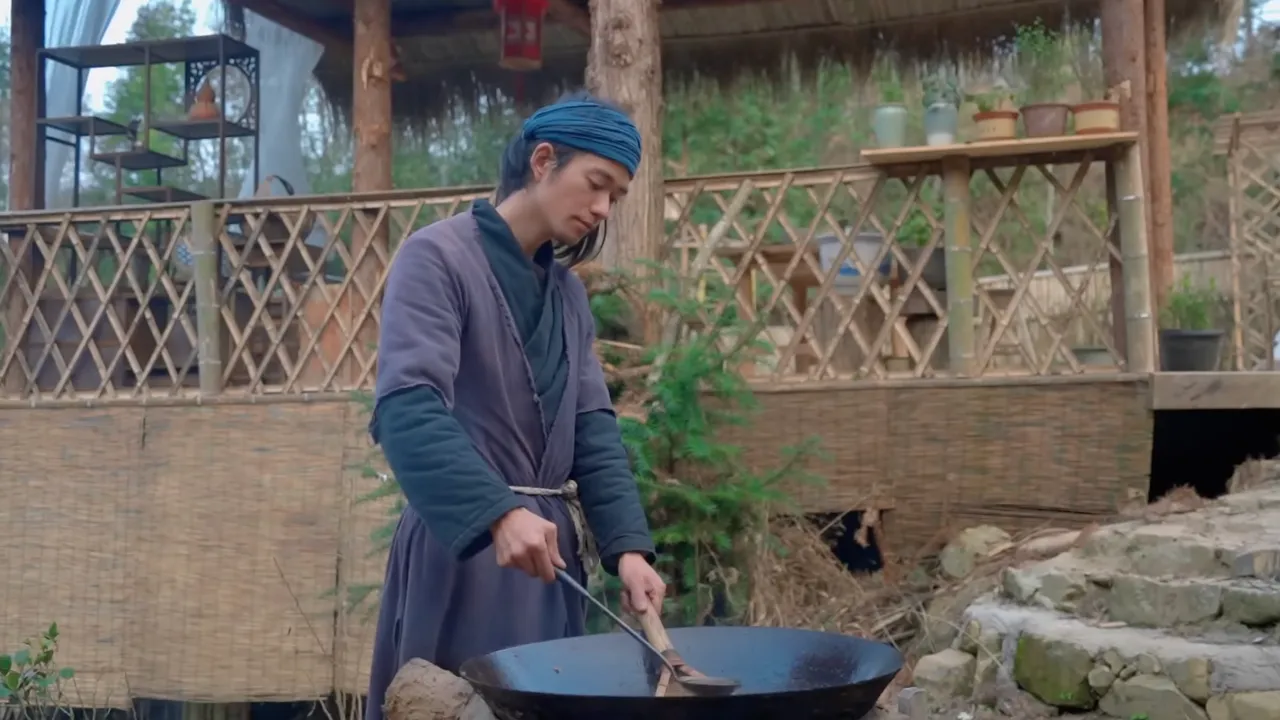
Recently, Chinese video content has been returning to tradition, featuring longer videos with slower narratives, enhanced editing, and production quality resembling cinematic scenes. Many may have encountered at least one clip portraying rural or indigenous life, led by a character carrying raw materials before methodically preparing food or handmade items from start to finish, all accompanied by soothing traditional Chinese music.
For example, there is a video demonstrating the traditional making of Huizhou Ink by a content creator. ‘山白Shanbai’ (Shanbai). His real name is Xiang Hongjun. In the video, Hongjun takes viewers through the entire traditional process of making Chinese ink sticks—from extracting sap, burning it to produce soot, mixing ingredients, to shaping the ink sticks used for grinding as seen in Chinese films. This process was filmed over two years, not just one day, following authentic Ming Dynasty methods studied from the ancient craft encyclopedia Tiangong Kaiwu. While the video has relatively modest views on YouTube, it has amassed 380 million views on Douyin.
Hongjun also produces similar videos such as making bamboo blinds, Han Dynasty paper, and cinnabar-based lipstick. He is not the sole filmmaker; his uncle, Xiang Qingbiao, conceptualizes, directs, films, and edits the content. Qingbiao previously worked in Shanghai before returning to the countryside to create content centered on traditional Chinese culture, similarly to Hongjun who graduated university in 2022 and then returned home to produce this type of content.
Li Zhi: Pioneer of Craft Content and the Gouchao Trend.
The creator truly deserving credit is Li Zhi. Li Zhi, a female content creator, pioneered cinematic, slow, and beautiful videos. She moved to rural areas and opened an online Taobao store selling agricultural products. In 2015, she realized the only viable marketing approach was to create videos showcasing local food. Utilizing filming and editing skills gained as a DJ, she personally filmed, edited, prepared items, and guided viewers through the entire process. Later, she expanded to silk production, bamboo furniture making, and gathering fresh flowers to create traditional cosmetics.
Li Zhi has 53 million followers on Douyin and 20 million on YouTube. Her Taobao store generates over one billion yuan annually, with bestsellers including Liuzhou Snail Rice Noodles.
In 2021, she quietly disappeared from online commerce due to an agency secretly registering the ‘Li Zhi’ trademark without her knowledge and attempting to exclude her from the company’s profits. With no choice, she sued but regained control in 2022. Nevertheless, she spent two more years traveling across China to study traditional culture from masters before continuing to share it through her content.
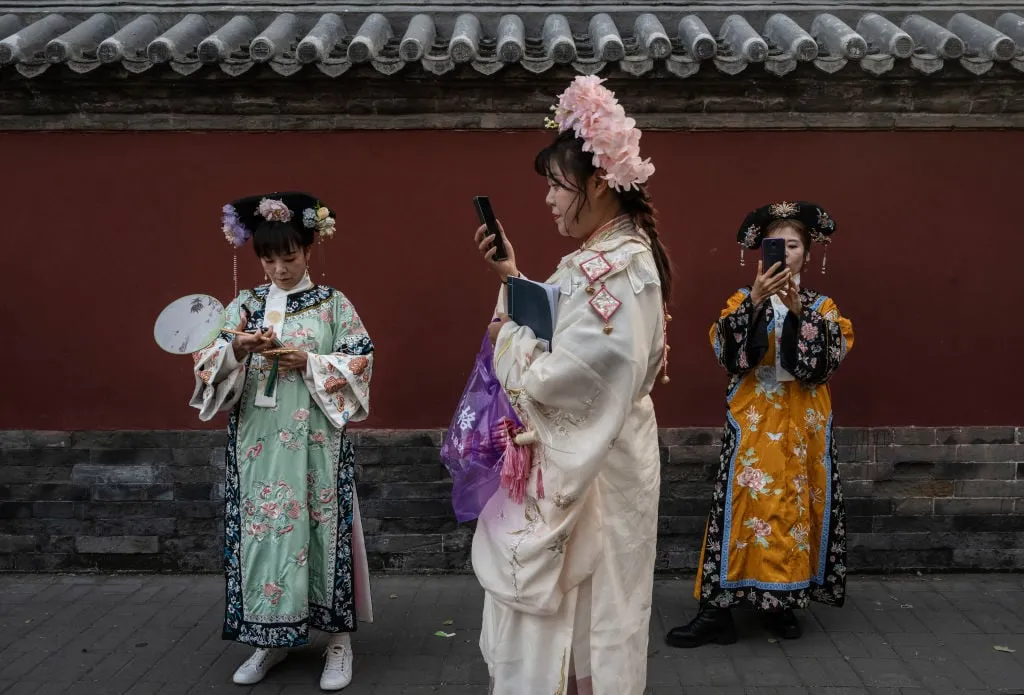
Li Zhi’s success coincided with the rise of Gouchao (National Trend or China Chic), a movement where young Chinese generations, especially Gen Y and Z, embrace Chinese culture, history, and aesthetics more deeply. This trend is evident in popular Chinese series, wearing Hanfu for photos at historic sites, and increasing cultural awareness. The meticulous craft videos by Shanbai and Li Zhi revive long-forgotten traditional Chinese ways, challenging stereotypes of low-quality Chinese products by showcasing their rich stories and careful craftsmanship.
Li Zhi was among the first to create videos embodying the Gouchao ethos, inspiring hundreds of creators to follow. This trend has influenced shops, brands, agencies, and production companies to produce similar content, aligning well with Gouchao’s popularity. Now, even small confectionery stores use this marketing style, guiding viewers through materials and processes to add depth and value to their products.
Zìxìn: The Return of China’s True Identity.
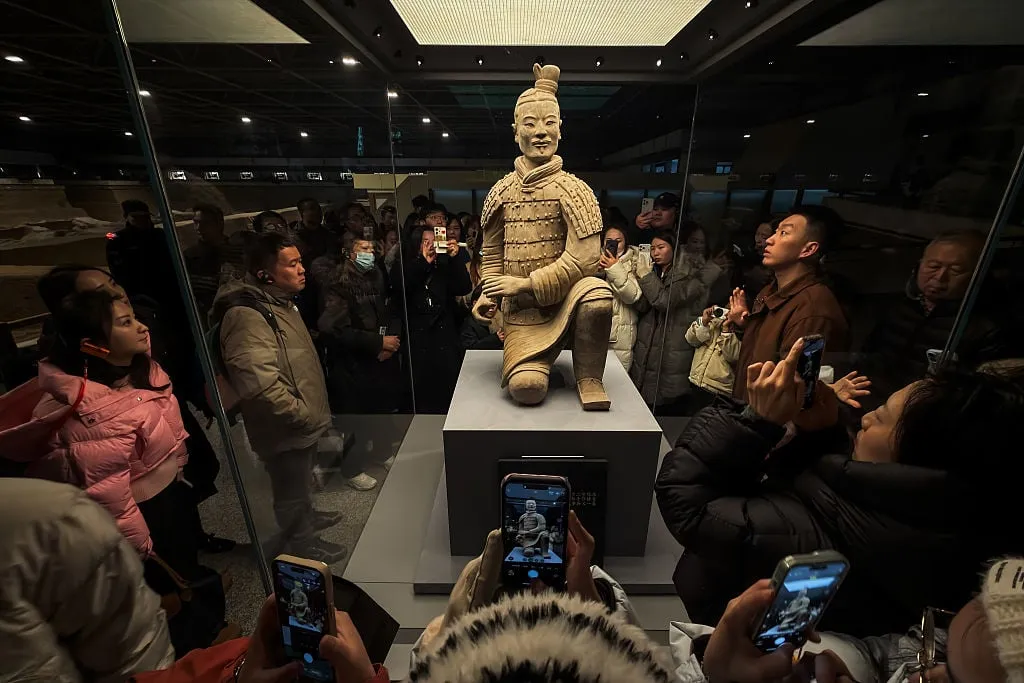
This movement is not merely a new marketing trend but reveals young Chinese increasingly looking back to their roots—Zìxìn, meaning self-confidence, reflecting pride in their cultural heritage. This extends beyond consumption to cultural tourism, including museums. In 2025, museum visits in China rose by 60 million, a 17 percent increase from 2024. Key sites like the Qin Shi Huang Mausoleum, Sanxingdui archaeological area, and the Forbidden City saw higher visitation. Officially, over 856 museums registered on platforms, with related content garnering 124.6 billion views in 2024.
Zìxìn also influences brand marketing. Adidas collaborated with Chinese designers for its 2025 Chinese New Year jacket collection, widely popular even in Thailand. Small items like art toys, building blocks, and dolls now feature designs inspired by ancient artifacts, and there is increased promotion of traditional performances. Zìxìn represents the advanced evolution of Gouchao, transforming a trend into a clear national identity.
Scholars and historians have studied and proposed that Zìxìn and Gouchao did not simply arise from young people rejecting rapid technology or Western brands. A key factor is the 'lost roots' of Chinese culture eradicated during the Cultural Revolution (1966), when the Four Olds—old ideas, old culture, old customs, and old habits—were eliminated.
This created a generational curiosity about the true roots and identity of the nation, prompting deeper learning and appreciation compared to previous generations. Wearing Hanfu represents cultural identity liberation suppressed during the Cultural Revolution. This trend reconnects people with their cultural foundation. Similarly, Li Zhi’s content enhances national product value while educating viewers about traditional Chinese culture’s beauty, gaining global attention and fostering understanding of Chinese identity without the extreme political influences of the past.
References: