

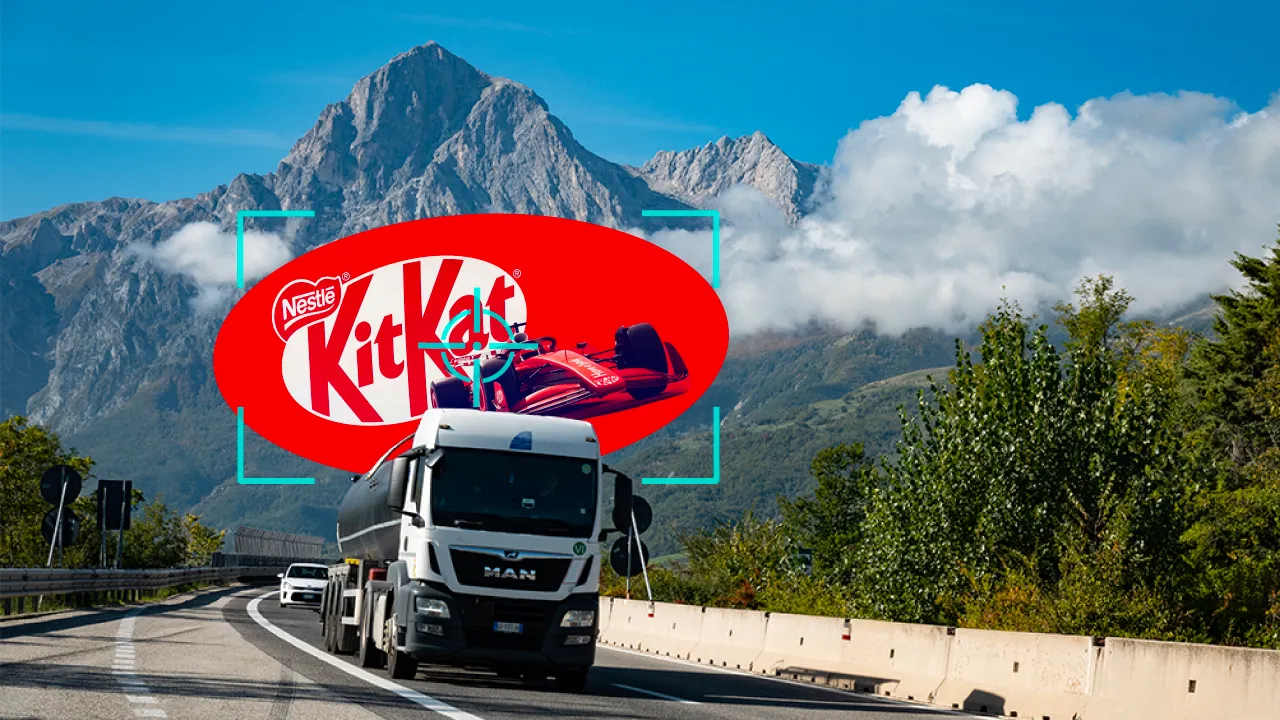
The theft of over 400,000 KitKat chocolate pieces, weighing more than 12 tons, from trucks in Italy has captured global media and online attention. The story resembles a movie plot but reveals a strategic crisis communication approach by a major brand, alongside highlighting illegal crime trends within the global supply chain system.
Why did the thieves target chocolate? The answer lies in the uniqueness of the product—not ordinary KitKat bars sold widely, but a special line distributed under the campaign where Nestlé partnered with Formula 1 (F1) for the 2025-2026 season.
The KitKat chocolate, named after Christopher Catling, a famous London meat pie shop owner from the 17th–18th century, was recently molded into F1 race car shapes aimed at motorsport fans worldwide. This limited edition became a rare item, suggesting criminals recognized its sentimental and collectible value among F1 enthusiasts willing to pay for these limited products even through black market channels.
When a large batch went missing, the focus was not only on catching the culprits but also on how Nestlé handled the situation. Instead of issuing a harsh statement, the brand humorously played on its legendary slogan: "We support everyone to Have a break, always thinking of KitKat, but it seems these thieves took it literally by breaking off and stealing 12 tons of our chocolate."
Furthermore, the brand leveraged traceability technology by inviting consumers to scan unique codes on packaging; if the system detects a code matching stolen goods, a prompt guides users on how to report tips to the company.
This strategy not only mobilizes the public as eyes and ears to track stolen items but also engages consumers interactively during the incident. Additionally, social media buzzed with conspiracy theories and humorous memes suggesting this might be an Easter Bunny's supply heist plan.
Though the brand's approach elicited laughter, it reflects a grim reality in the logistics business, especially as chocolate demand surges before Easter in Europe. Fast-moving consumer goods like sweets become prime targets for criminals due to ease of resale, rapid distribution in black markets, and greater difficulty in tracking compared to technology or electronics products.
Data from the Transported Asset Protection Association EMEA (TAPA EMEA) reveal a concerning trend: supply chains are attractive and relatively easy targets for transnational criminals. Francesco Giannini, CEO of Multiprotexion, emphasized that criminals are developing increasingly sophisticated, cunning, and brazen theft methods.
In December 2025 alone, 557 such crimes were reported across 38 countries in Europe, the Middle East, and Africa. Alarmingly, only 100 incidents (17.9%) disclosed estimated damages totaling 43,162,049 euros, averaging losses of 1.39 million euros daily that month.
Thorsten Neumann, CEO of TAPA EMEA, predicts that this year will see a rise in organized crime targeting transportation systems, especially in Europe, as perpetrators understand the high value of goods compared to the relatively low risk of committing these crimes. It is important to note these statistics cover only member companies of over 700 organizations, implying actual figures may be several times higher.
Ultimately, the theft of 12 tons of KitKat may be a viral news story adding color to feeds, but on a macroeconomic level, it signals a clear warning: global logistics businesses face major challenges. While brands must prepare crisis communication strategies, transport providers need to enhance security measures to counter increasingly advanced criminal networks.
#ThairathPlus #KitKat