

This week, global oil prices surged rapidly after Trump threatened to attack Iran, while Iran continues to block the Strait of Hormuz, prompting the international community to urgently seek a resolution amid concerns that this energy crisis may be prolonged.
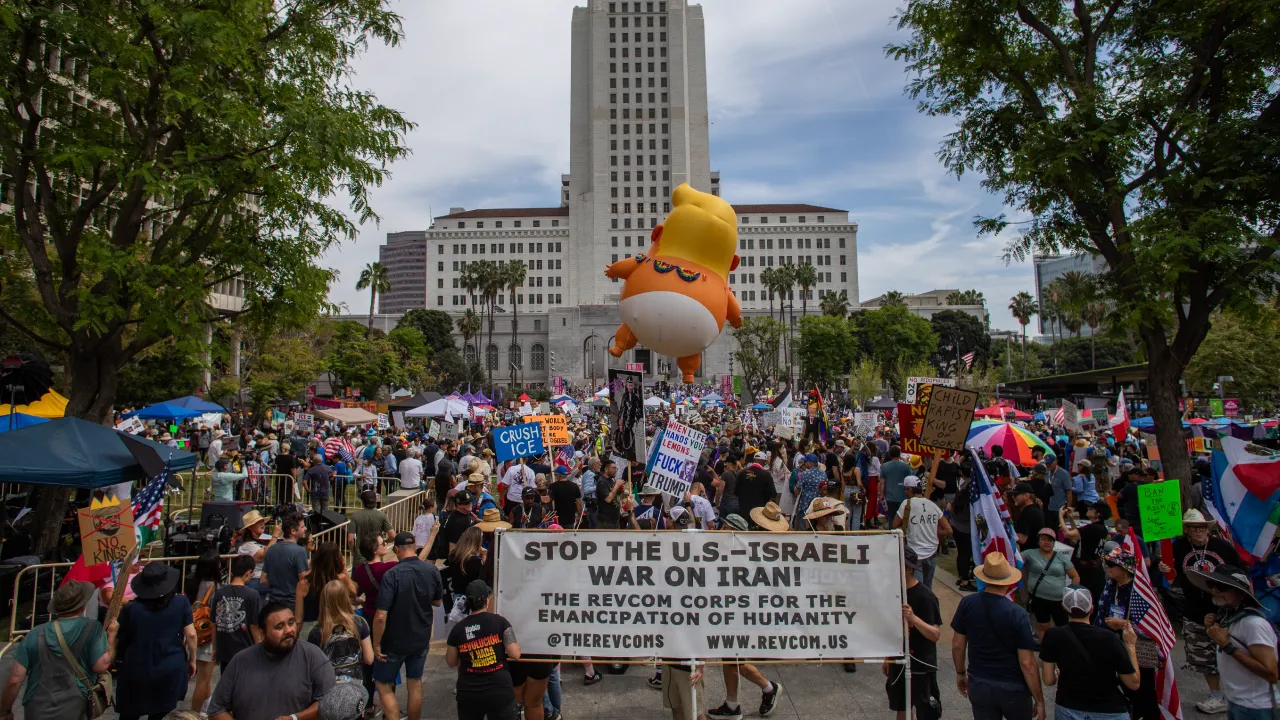
Across the United States, large-scale protests took place nationwide under the "No Kings" campaign opposing Donald Trump's immigration deportation policies and war efforts, underscoring a crisis of confidence that has lowered Trump's approval ratings ahead of the upcoming midterm elections later this year.
NASA successfully launched the Orion spacecraft with four astronauts on the Artemis II mission toward the moon for the first time in 54 years, aiming to capture images of the moon's dark side as a step toward future human missions to Mars.
Celine Dion announced a major 10-show concert series in Paris, marking her full stage return after six years of battling Stiff-Person Syndrome, while the Eiffel Tower was lit up in a grand display to welcome her comeback.
Senior General Min Aung Hlaing officially assumed the presidency of Myanmar following the conclusion of elections, amid analysts' criticism that this move serves as a whitewash to perpetuate the military junta's hold on power.
A powerful 7.4-magnitude earthquake struck off the coast of Indonesia's Ternate Island, causing waves to hit the shore and resulting in one fatality; authorities have since lifted tsunami warnings but continue to urge residents to remain vigilant for aftershocks.
The government of the Democratic Republic of Congo declared a special public holiday for citizens to celebrate after the men's national football team qualified for the World Cup finals for the first time in 52 years, bringing joy to a country long plagued by conflict.
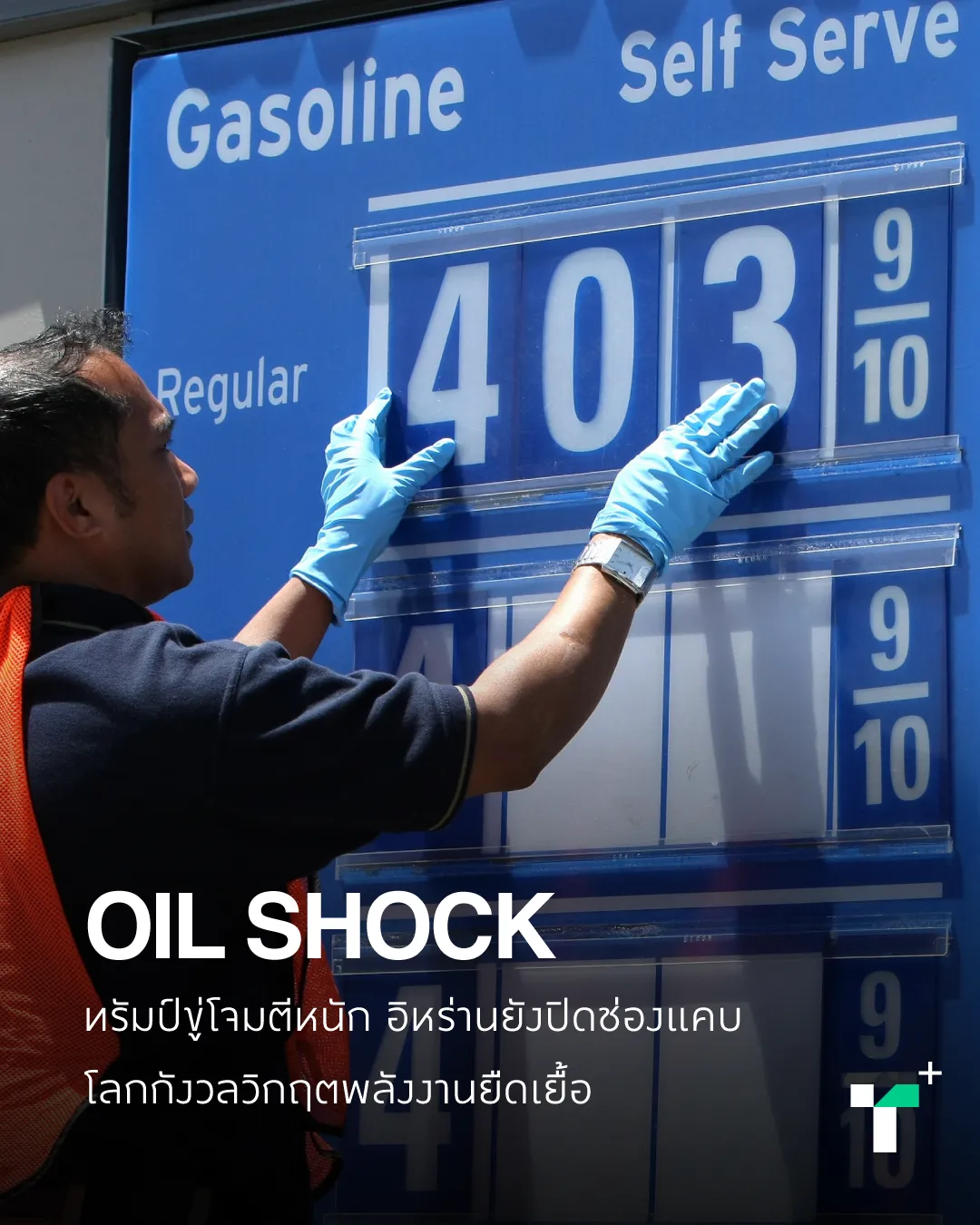
The global energy market remained highly volatile this week as U.S. WTI crude oil prices surged over 10% to reach $110 per barrel, while Brent crude soared past $107 per barrel. This followed President Donald Trump's firm declaration of readiness to launch a severe attack on Iran. In response, Iran continued its attacks on oil tankers and maintained its blockade of the Strait of Hormuz. The United Kingdom convened a meeting of foreign ministers from over 40 countries to discuss ways to reopen the Strait amid ongoing international conflict uncertainties, raising concerns that the oil price shock may persist.
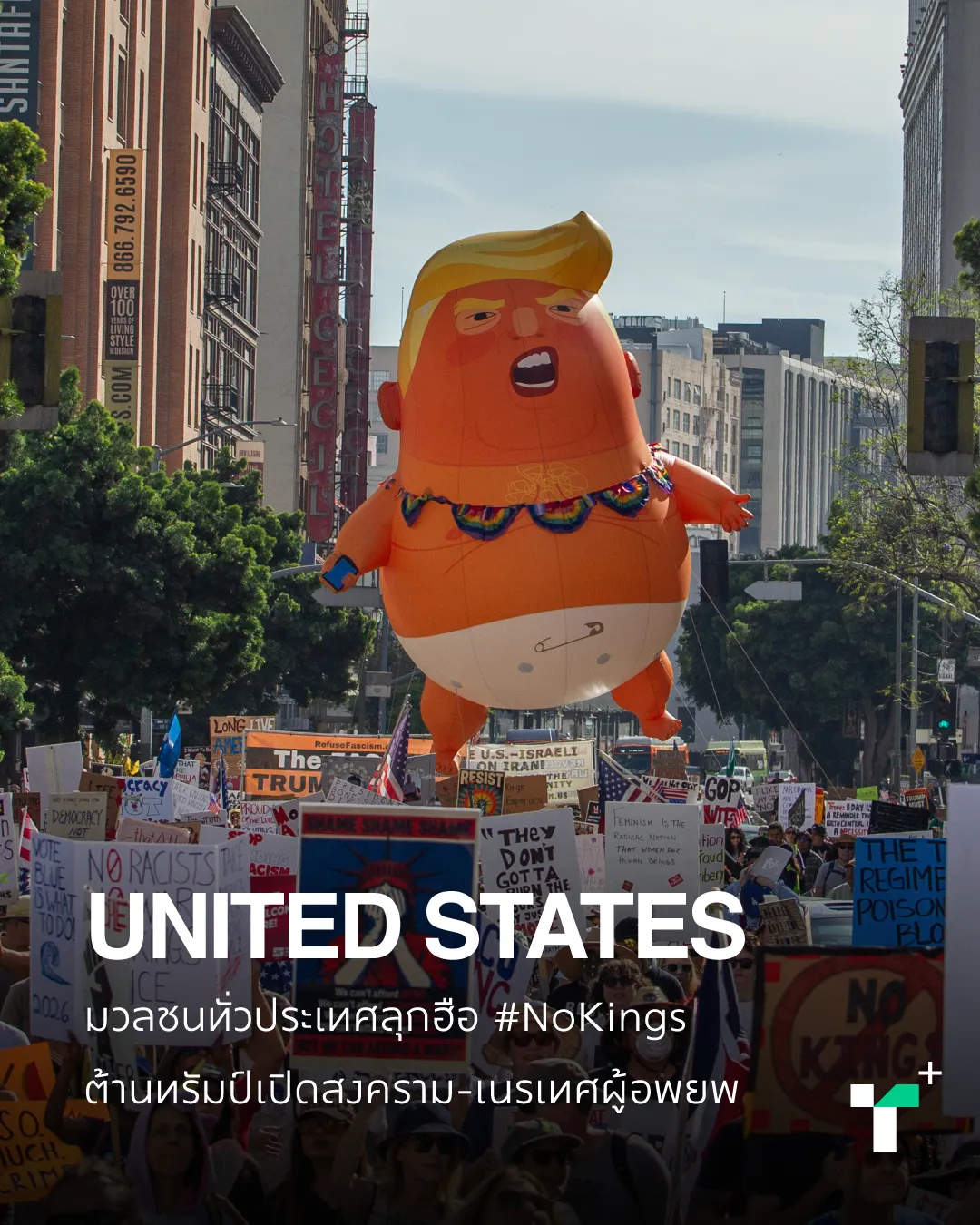
Protesters across all 50 U.S. states held the third wave of the "No Kings" demonstrations at more than 3,200 locations, opposing President Donald Trump's policies of immigrant deportations and Middle East wars. Democratic leaders and politicians took the stage, accusing the Trump administration of authoritarian governance. Reports included clashes with the far-right Proud Boys group and arrests of some protesters in Los Angeles and Dallas. This backlash coincides with Trump's approval rating dropping to 36%, signaling danger for the Republican Party ahead of the midterm elections this November.
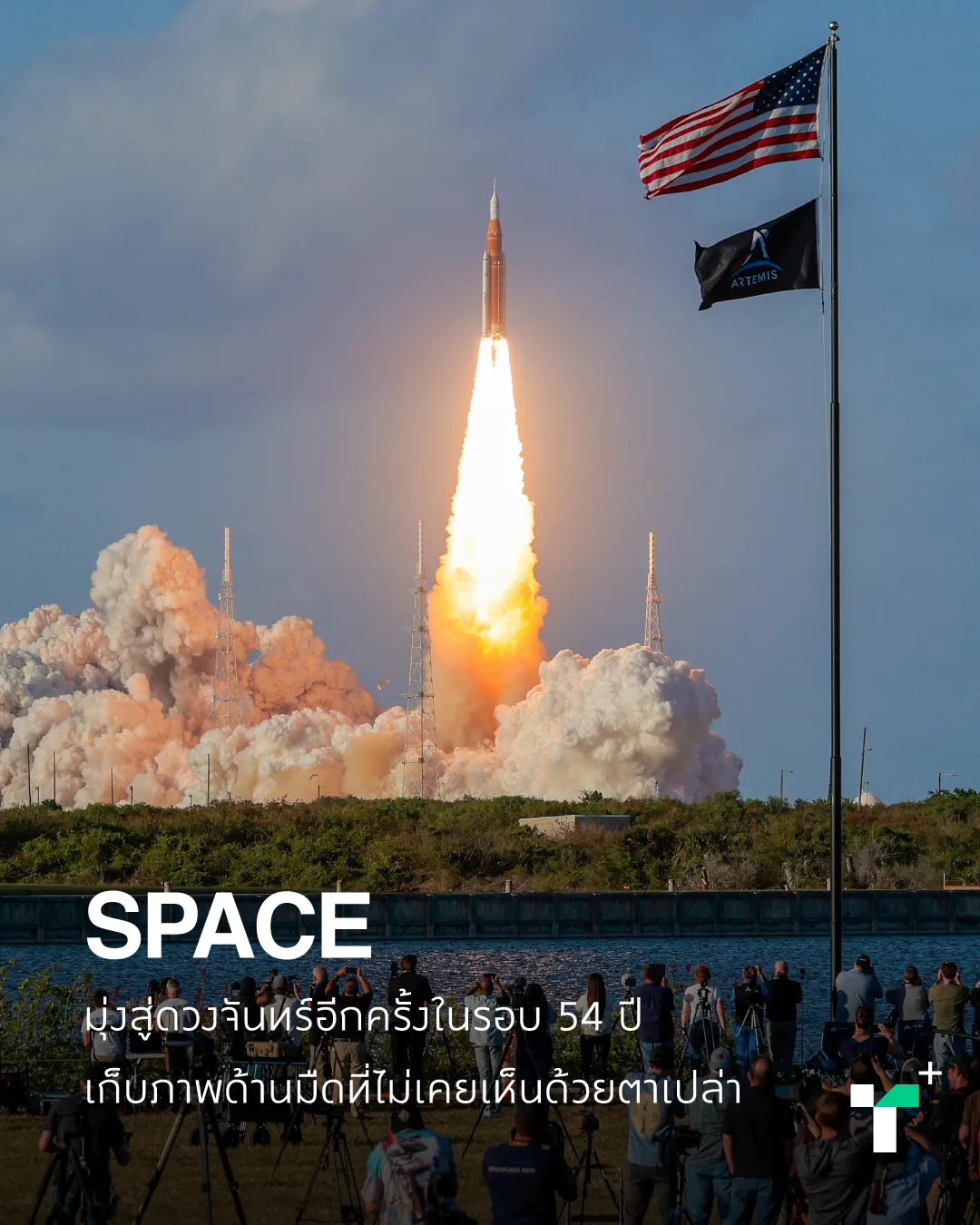
NASA launched the Orion spacecraft with four astronauts on the Artemis II mission, successfully escaping Earth’s orbit for the first time since Apollo 17 in 1972. This historic 10-day mission will have Orion fly by the moon on 6 April to capture high-resolution images of the lunar far side, never before seen by the naked eye, before returning safely to the Pacific Ocean. NASA described this as a key step in space exploration that will pave the way for future manned missions to Mars.

The Eiffel Tower was illuminated with purple and Titanic Blue lights, displaying messages to welcome the return of powerful love-song queen Celine Dion. She announced the happy news on her 58th birthday of a full-scale comeback with 10 concerts at the Paris La Défense Arena from September to October. This is her first major concert series in nearly six years since her battle with Stiff-Person Syndrome forced her to cancel worldwide tours. Although she previously impressed audiences at the Paris 2024 Olympic opening ceremony, she described this upcoming tour as the best gift of her life and thanked supporters who helped her regain strength to perform and sing beautifully for fans once again.
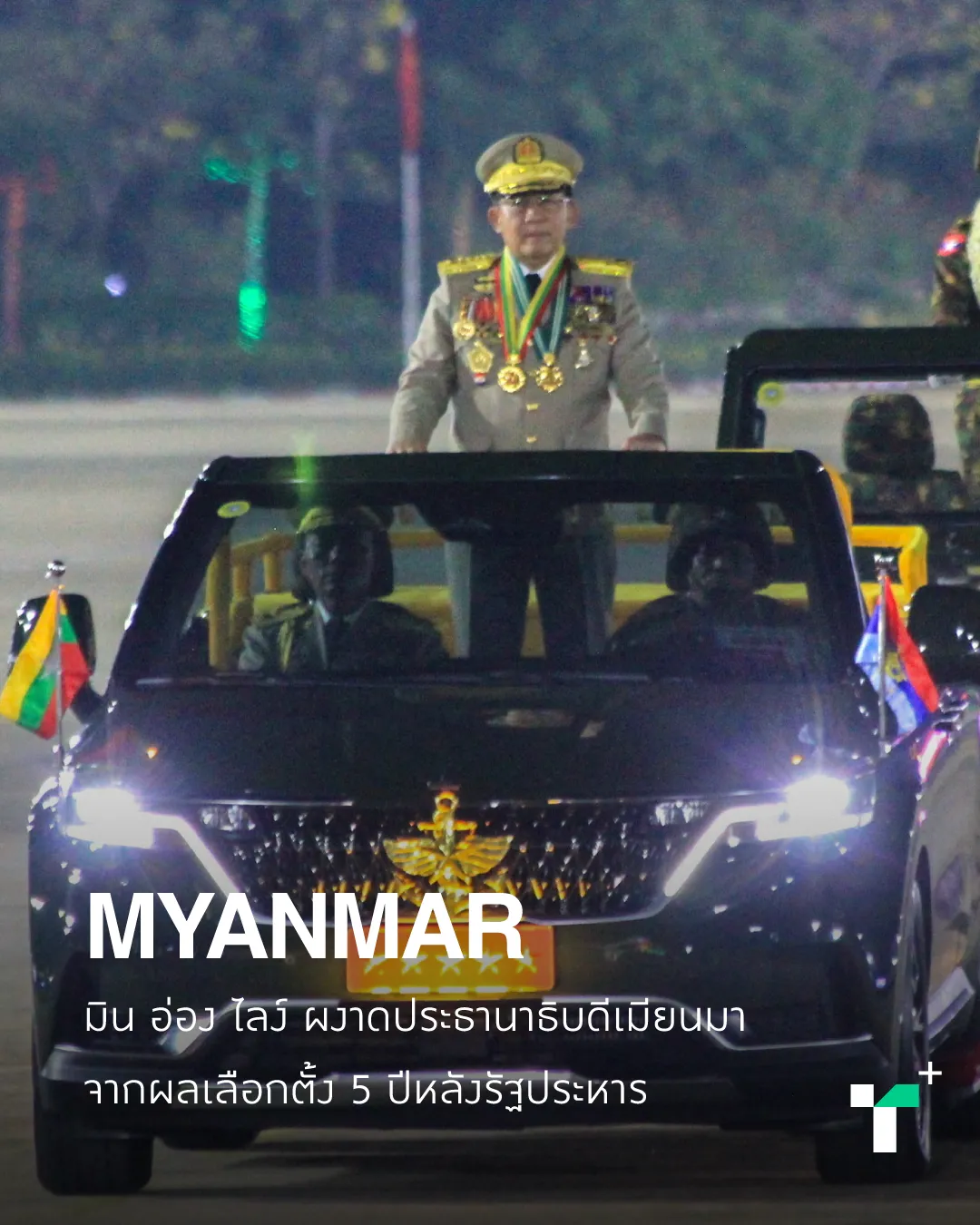
Senior General Min Aung Hlaing, leader of Myanmar’s military junta, officially assumed the presidency, relinquishing his role as commander-in-chief to a trusted general. This marks the conclusion of parliamentary elections held from late 2025 to early 2026 after over five years of military rule, which triggered a civil war between the army and ethnic minority forces. The conflict caused an economic crisis and displaced over three million people. Some analysts view this as a whitewashing effort by the junta to maintain its grip on power.
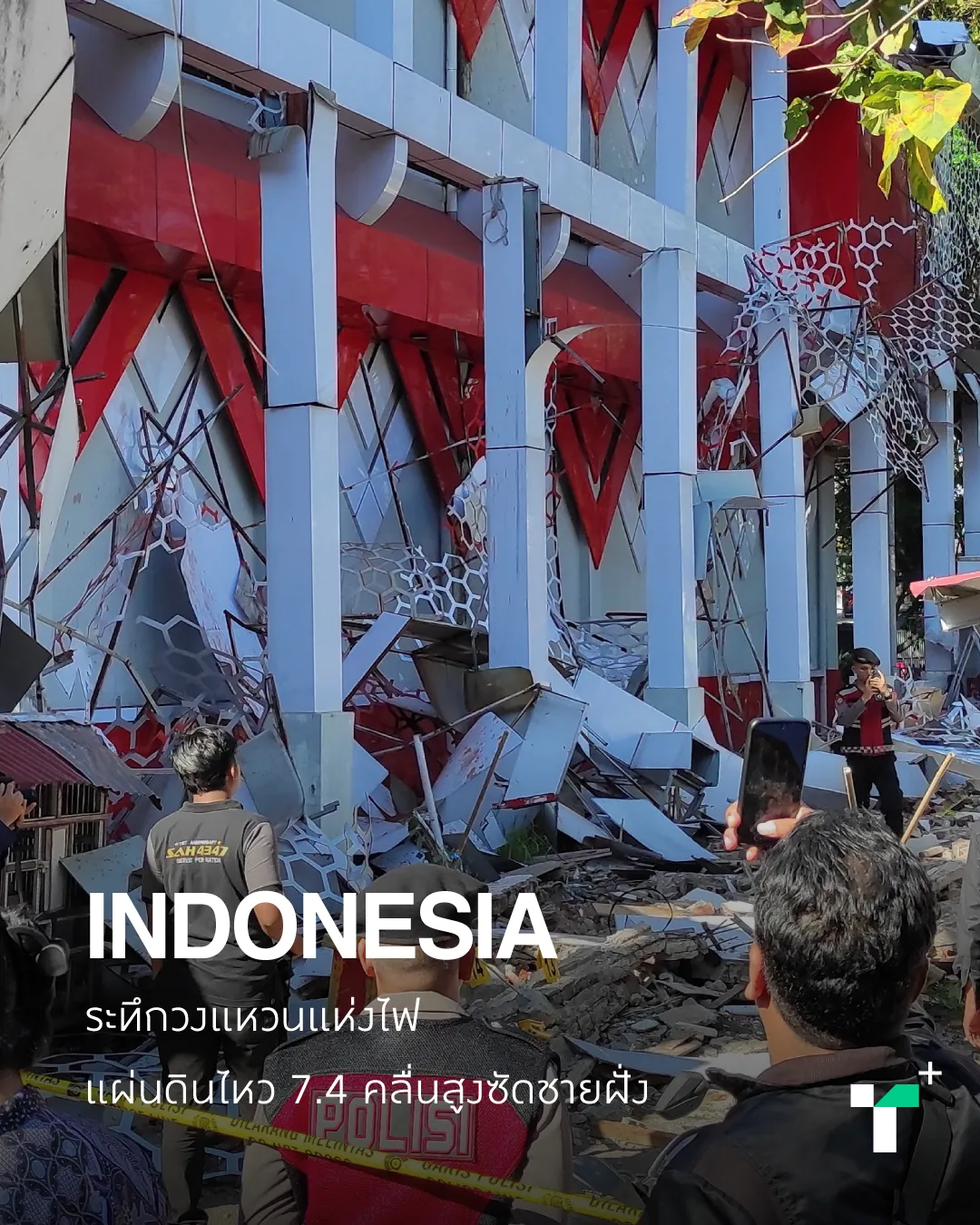
Indonesia experienced a 7.4-magnitude earthquake off the coast of Ternate Island in North Maluku province, prompting a tsunami warning. Waves nearly one meter high struck northern Sulawesi’s shores. The disaster claimed the life of a 70-year-old woman and injured several others. Although the tsunami warning was later lifted, authorities urged coastal residents to remain alert for aftershocks. This type of natural disaster is common in Indonesia, which lies along the Pacific Ring of Fire.
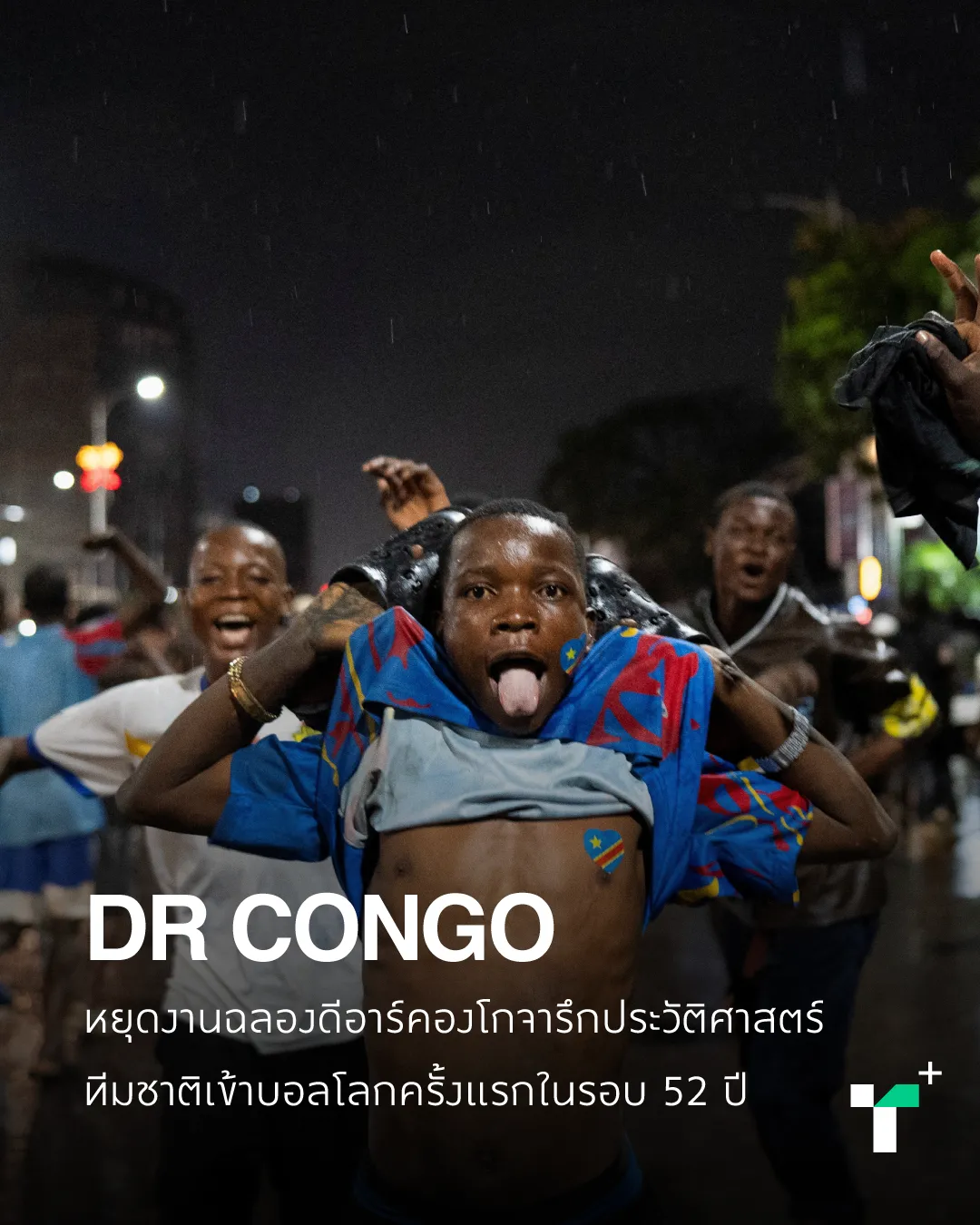
The Democratic Republic of Congo government declared an additional public holiday for citizens to celebrate after the national team, known as the "Leopards," miraculously qualified for the World Cup finals for the first time in 52 years. The national hero, Axel Tuanzebe, a former Manchester United youth player, scored the decisive goal against Jamaica during extra time. This victory brought joy to Congolese people long suffering from prolonged conflict. They now await their first match against Cristiano Ronaldo’s Portugal team in the United States on 17 June.
#ThairathPlus #ThairathPlus #WhatHappenedWorldwideThisWeek