

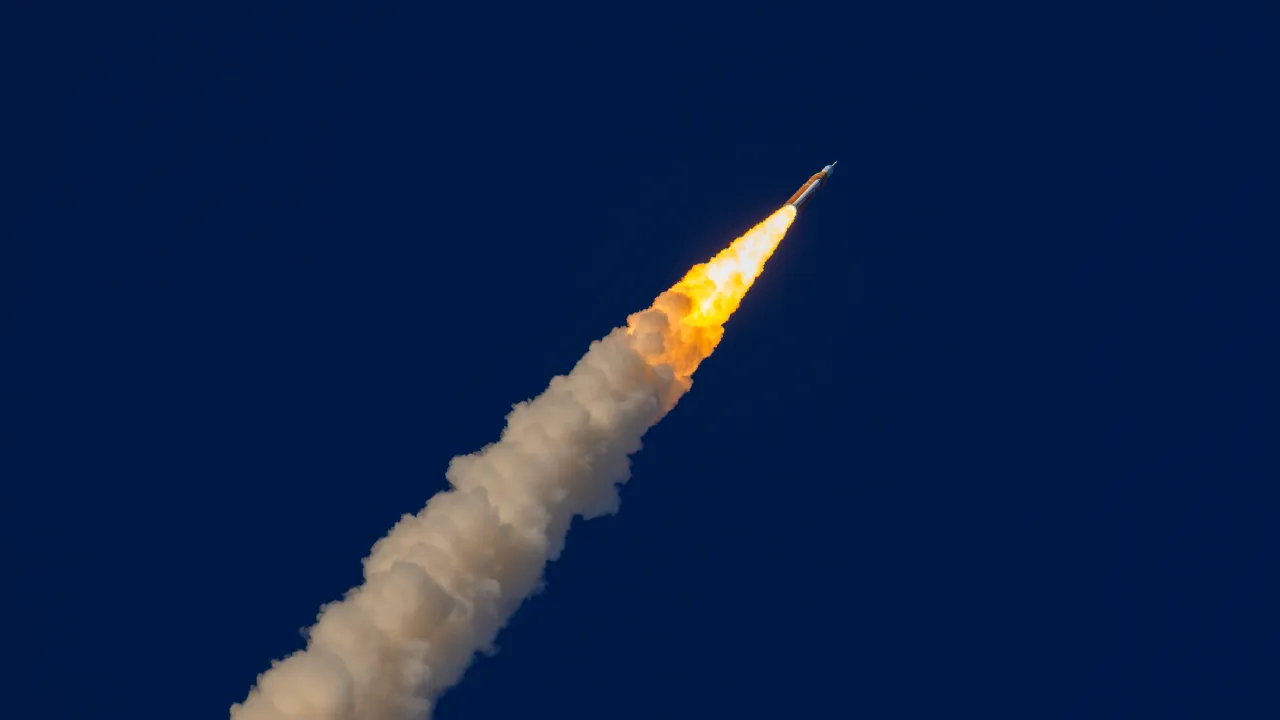
NASA's Artemis II mission has made a new historic mark in space exploration as the four astronauts set new records, experienced thrilling moments, and witnessed unprecedented beauty unseen by any human in over half a century. Here are six key moments from this historic mission.
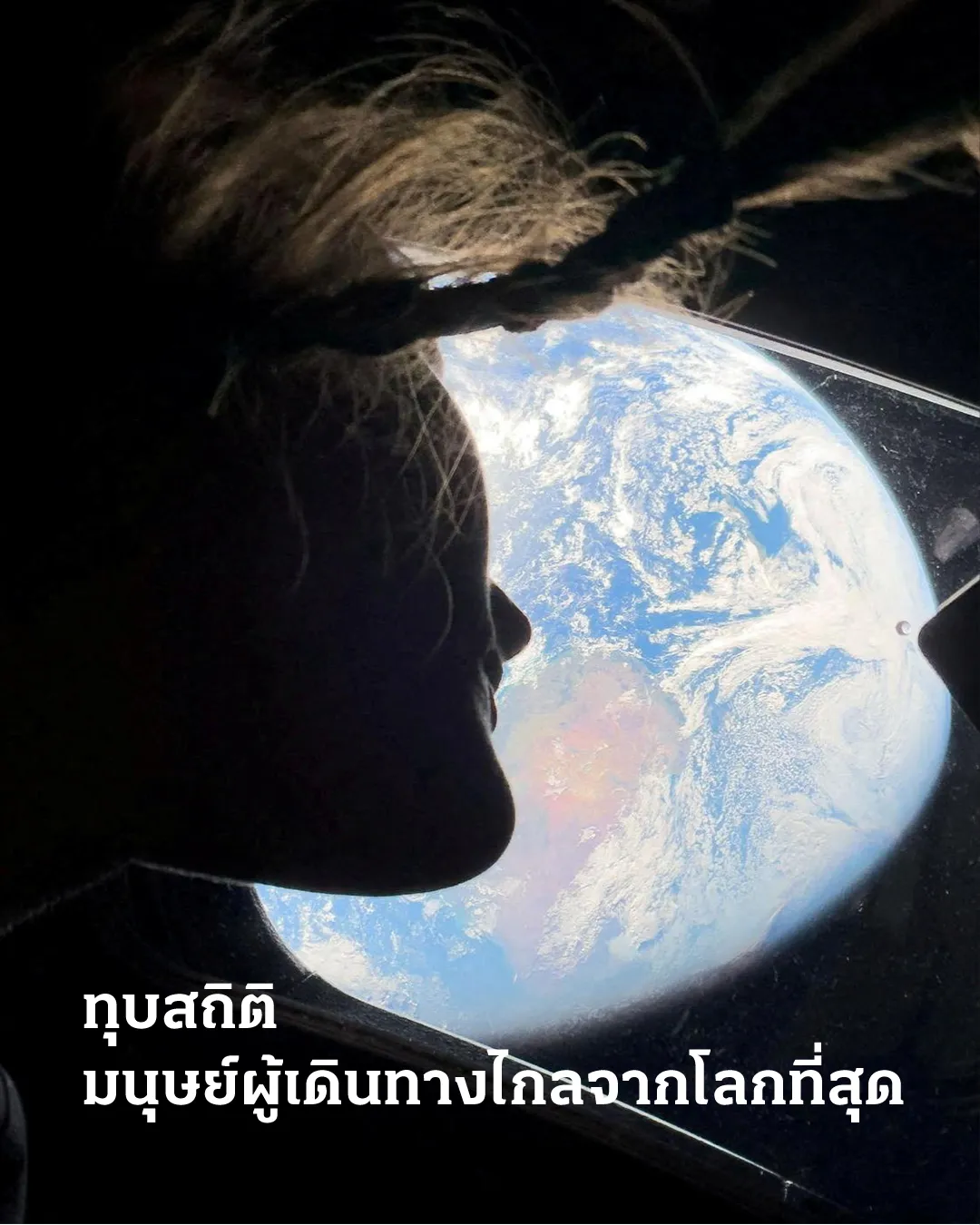
The Artemis II crew surpassed the previous record for the farthest distance humans have traveled from Earth, formerly held by Apollo 13 in 1970 at 400,171 kilometers. On this mission, the Orion spacecraft traveled as far as 406,771 kilometers during its lunar fly-by, exceeding the old record by 6,602 kilometers.
Mission commander Reid Wiseman shared that they witnessed "views no human has ever seen before," while pilot Victor Glover said there were no words to describe what they saw. Mission specialist Jeremy Hansen challenged future generations to "not let this record stand for long."
The spacecraft followed a free-return lunar trajectory, utilizing Earth's and the Moon's gravity in a figure-eight path to return to Earth with maximum fuel efficiency.
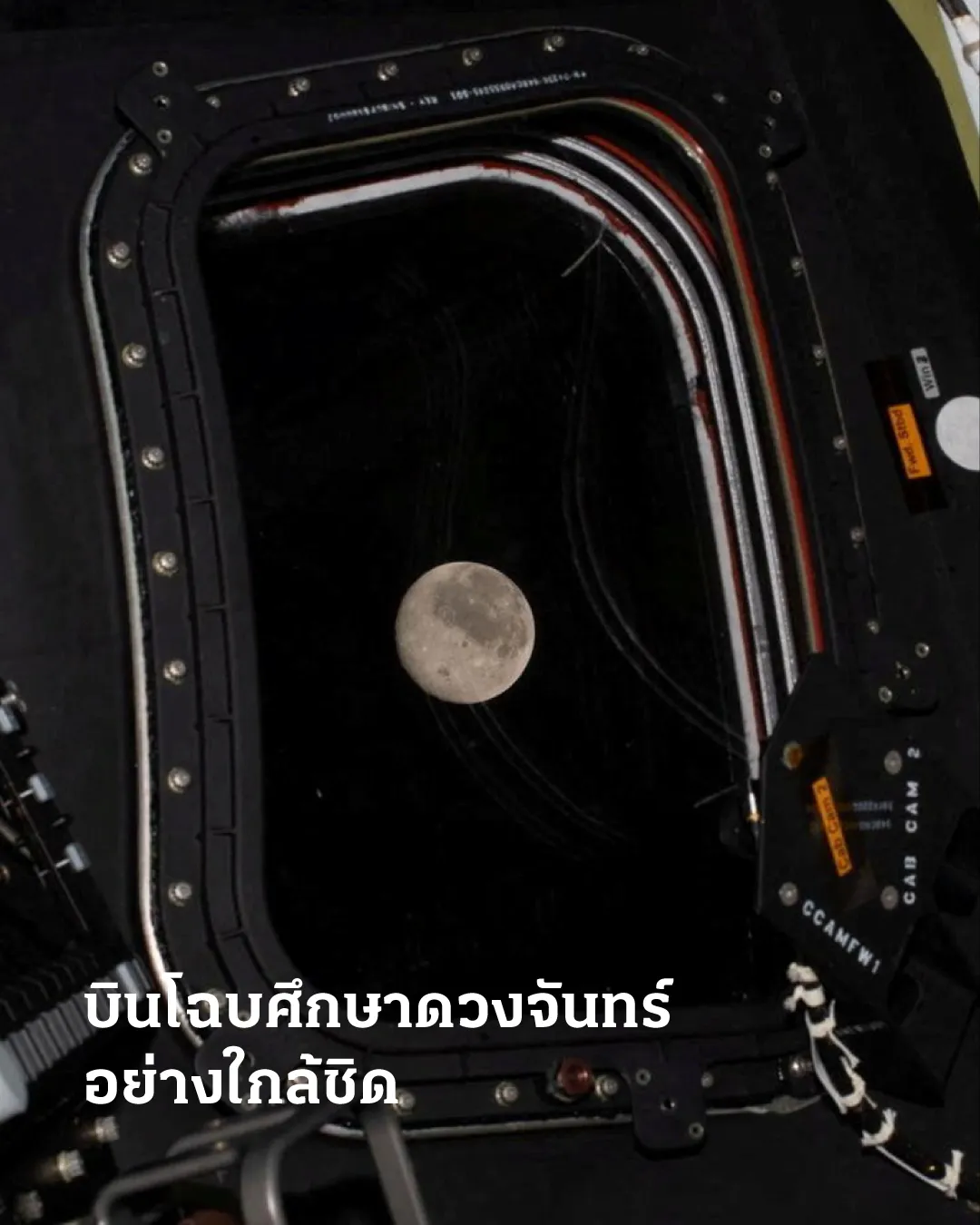
Astronauts spent over six hours observing and photographing the lunar surface directly with their own eyes, rather than relying solely on robotic images as before.
Using high-performance Nikon cameras at about 9,000 kilometers altitude, the crew was tasked with reading rock formations, identifying cliffs and solidified lava, and sending high-resolution photos and laser data back to geologists to piece together the Moon's crust formation over billions of years.
They especially focused on the lunar poles, future landing sites for missions searching for ice deposits, and observed lunar dust particles lifted by electrostatic forces and sunlight to better understand particle movement on Earth's satellite.
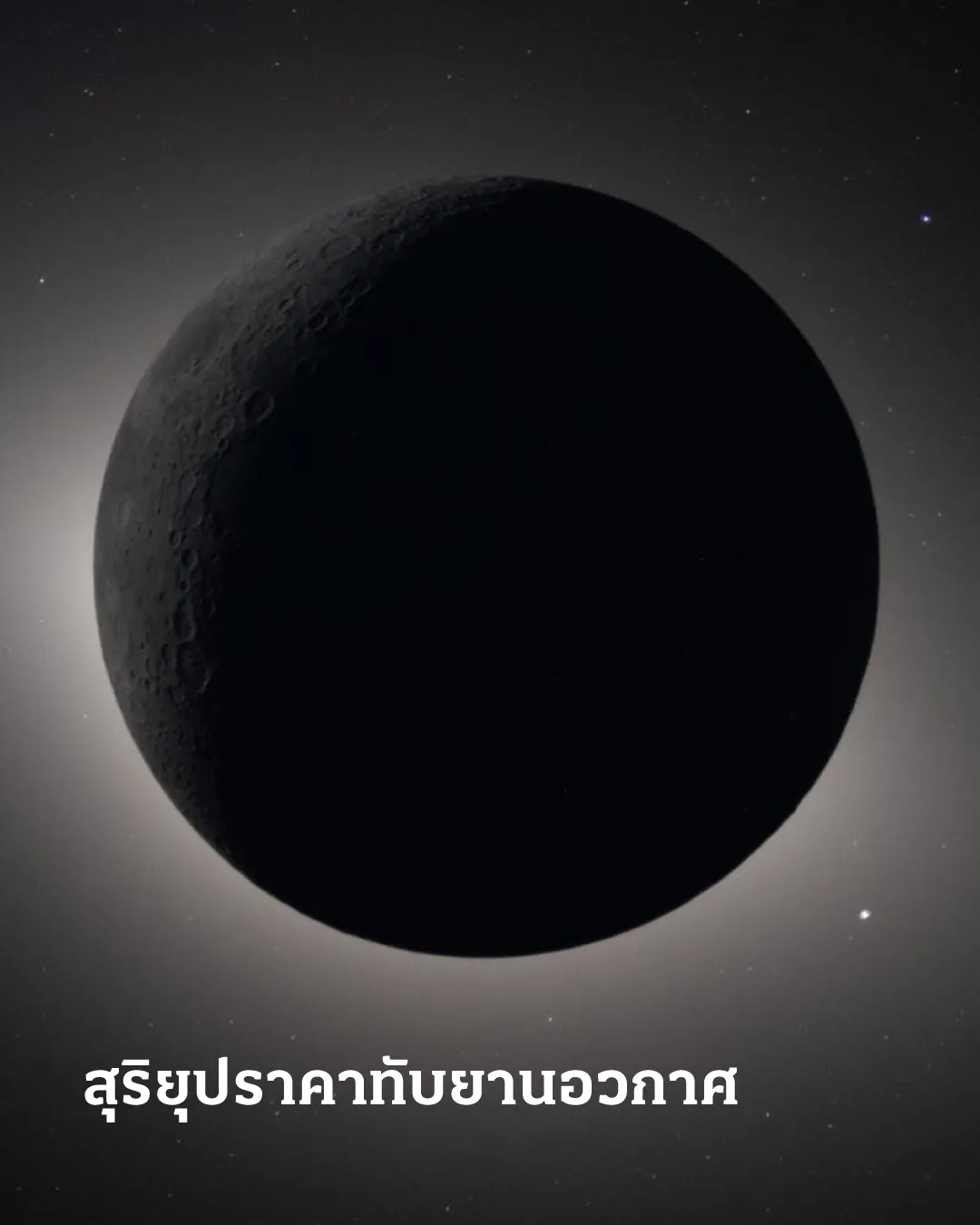
Another highlight was a total solar eclipse lasting about 57 minutes—not one seen from Earth, but the Moon’s shadow completely obscuring the spacecraft from sunlight.
The four astronauts divided into “cabin team” and “window team,” with the former monitoring sensor and camera data, and the latter capturing every moment from the first partial obscuration through total darkness, including the spectacular “diamond ring” effect.
Uniquely, looking sideways during the eclipse, they still saw Earth as a glowing sphere, faintly showing clouds and continents amidst the shadowy backdrop.
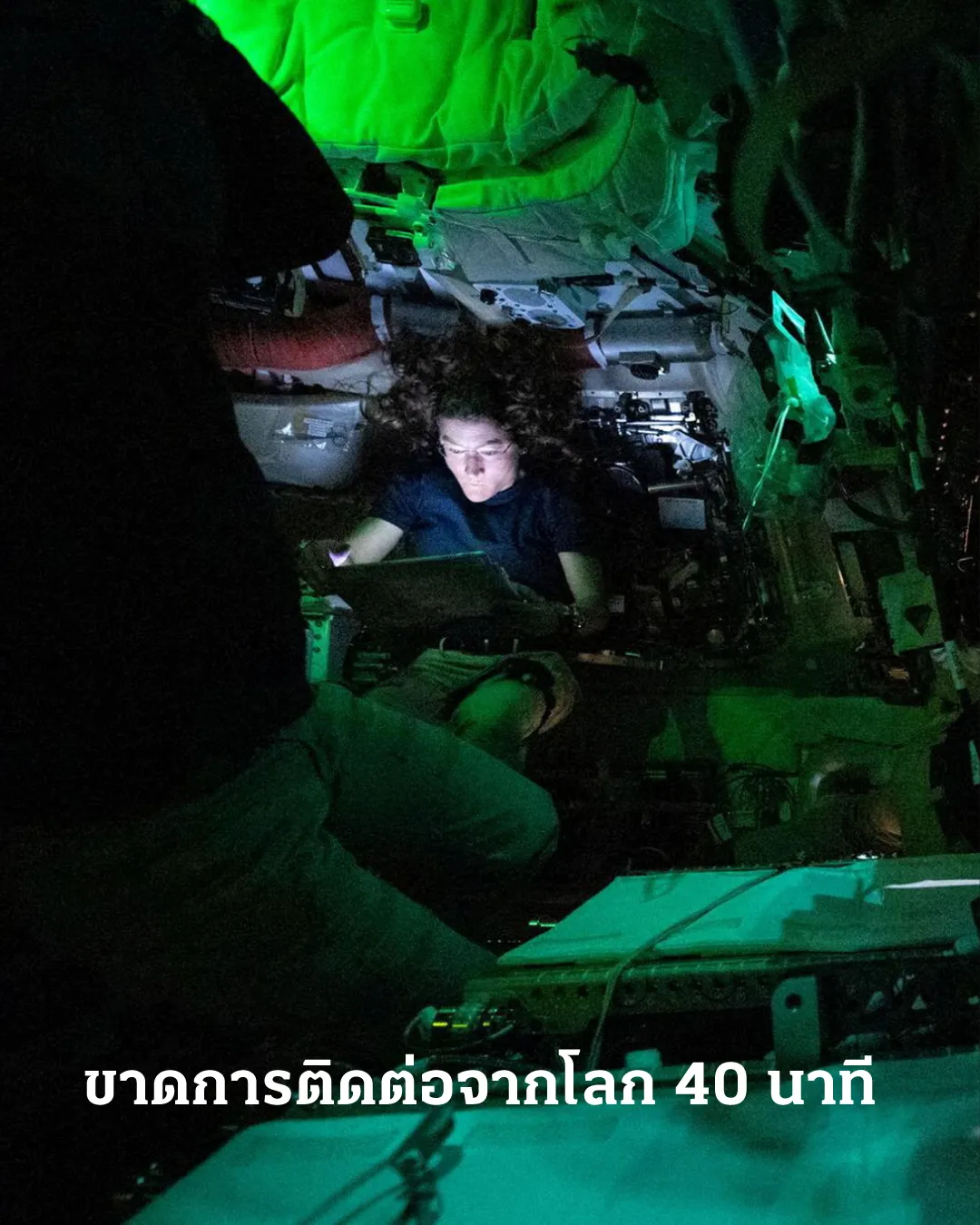
As Orion moved behind the Moon, radio and laser signals to Earth were completely blocked, causing a 40-minute period of radio silence—the farthest and most isolated moment humans have ever experienced.
Although NASA had anticipated this, it was a tense time for the crew with no support voice from mission control, only the sounds of fans and onboard electronics, while the computer systems worked hard to manage engines and adjust the spacecraft’s orbit from the Moon’s far side back toward Earth.
During this solitude, astronauts continued observing, photographing, and studying the lunar surface, previously visited only by robots, until the spacecraft emerged from the blind spot and radio contact resumed.

Once normal contact was restored, U.S. President Donald Trump spoke directly to the four astronauts, praising them for making history and filling Americans with pride. He invited them to visit the White House upon return and remarked that while he rarely asks for autographs, he wanted theirs.
Glover told the President he quietly prayed during the communication blackout, while Wiseman spoke about future Mars exploration: "We are excited to see our nation and the world become a species living on two planets."
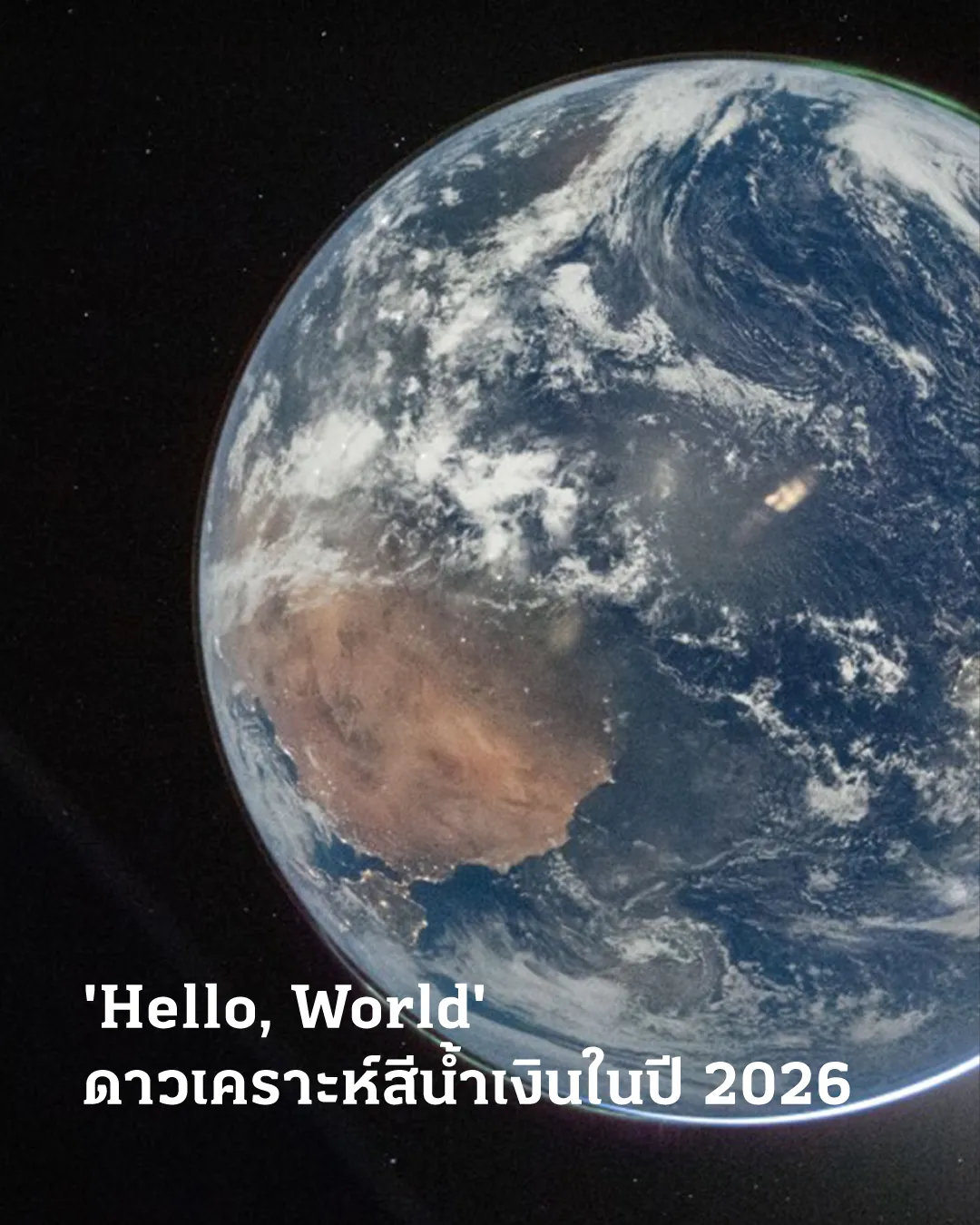
NASA released a historic high-resolution image titled “Hello, World,” taken by Artemis II crew at the midpoint between Earth and the Moon. It reveals the vast blue Atlantic Ocean, the glowing atmospheric limb as Earth blocks the Sun, and green auroras at both poles.
In this image, Earth appears tilted, showing the western Sahara Desert and Iberian Peninsula on the left, and eastern South America on the right, with the bright planet Venus visible at the lower right corner.
NASA also compared this 2026 image with one taken by Apollo 17 crew in 1972, the last human mission to the Moon. Some online observers noted apparent shrinkage of polar ice or a dulling Earth, but NASA’s page concluded impressively:
We have come a long way in 54 years, but one thing that never changes is that our home always looks beautiful when seen from space.
ReferencesThe Guardian,BBC
#ThairathPlus #Thairath #Artemis2 #ArtemisII #Space