

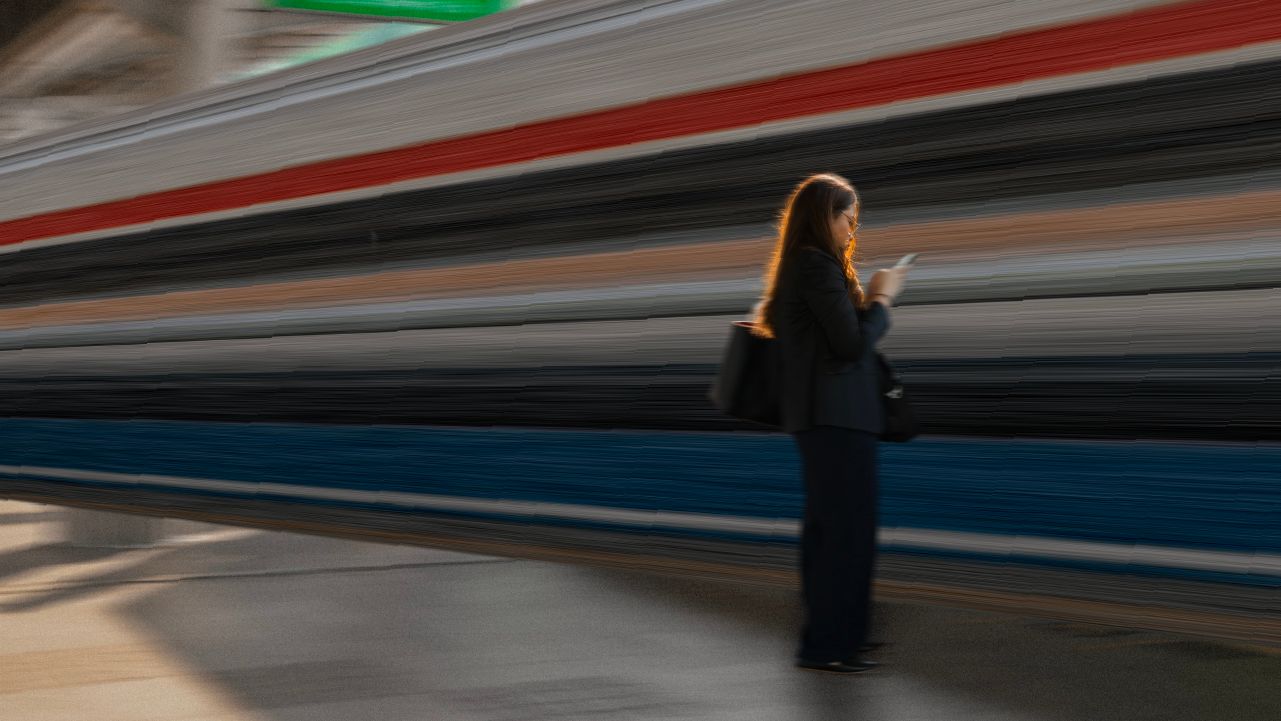
The government has encouraged the public to use the "public transportation system" to reduce oil consumption amid the Middle East-related crisis, prompting questions whether this is a genuine call for cooperation or merely a shift of burden onto the people.
Examining actual daily expenses, round-trip fares on Bangkok's electric trains can reach 100-150 baht per day. Compared to a minimum wage of about 300-400 baht, this means Thais spend 30-40% of their income just commuting to work. In contrast, many major international cities keep transportation costs to no more than 10-15% of daily income.
This situation may cause guilt-tripping for those who still need to drive cars or ride motorcycles, even though the root problem is not a lack of environmental awareness among citizens, but inadequate infrastructure and expensive fares that have never truly allowed access to public transit, a problem made more evident during the current fuel energy crisis.
One fundamental issue lies in Thailand's concession structure, which treats public transportation as a profit-driven business rather than a basic welfare service like roads, electricity, or schools.
A lack of comprehensive, affordable services has driven people to buy private cars or motorcycles. Worse, with transit systems concentrated only in the capital, electric trains have become a premium option for those who can afford it, while buses remain the option for lower-income groups.
Data from the Thailand Development Research Institute (TDRI) clearly highlights this inequality: using electric trains (BTS, MRT, ARL) costs 26-28% of the minimum wage, air-conditioned BMTA buses cost 15-16%, and contracted buses cost 14%.
In practice, people often use multiple transit modes—from motorcycle taxis, vans, buses to electric trains—causing costs to multiply, especially due to overlapping entry fees. As a result, over 43% of Bangkok residents choose private cars, 26% use motorcycles, and only 24% use public transit.
The Consumer Organization Council commented that although several political parties in the 2026 election promoted fare reduction policies, such as 20-baht electric train rides or 10-baht bus fares under the 2025 Unified Ticketing Act, in practice these policies are stalled by over 20 pending subordinate laws and lack clear government subsidy sources. Moreover, the government lacks a strategy to renegotiate concession contracts with private operators, delaying affordable fare policies in the near future.
There are further blind spots in Thailand’s transport system, such as the Mo Chit 2 bus terminal being pushed outside the city without feeder services, forcing extra motorcycle taxi or taxi fares; the quality of suburban trains used daily; school bus safety; uncontrolled airline ticket prices; and ambiguous legal status of ride-hailing apps, vans, and double-decker buses, with unclear accident liability and protection standards.
These conditions mean that when commuting costs are too high, life opportunities become limited. Many cannot access better jobs or must rent central city housing to save on travel costs, slowing middle-class wealth building.
Since perfect infrastructure cannot be expected soon, here are five initial strategies to help us wisely cope with the imposed burden and survive on the roads.
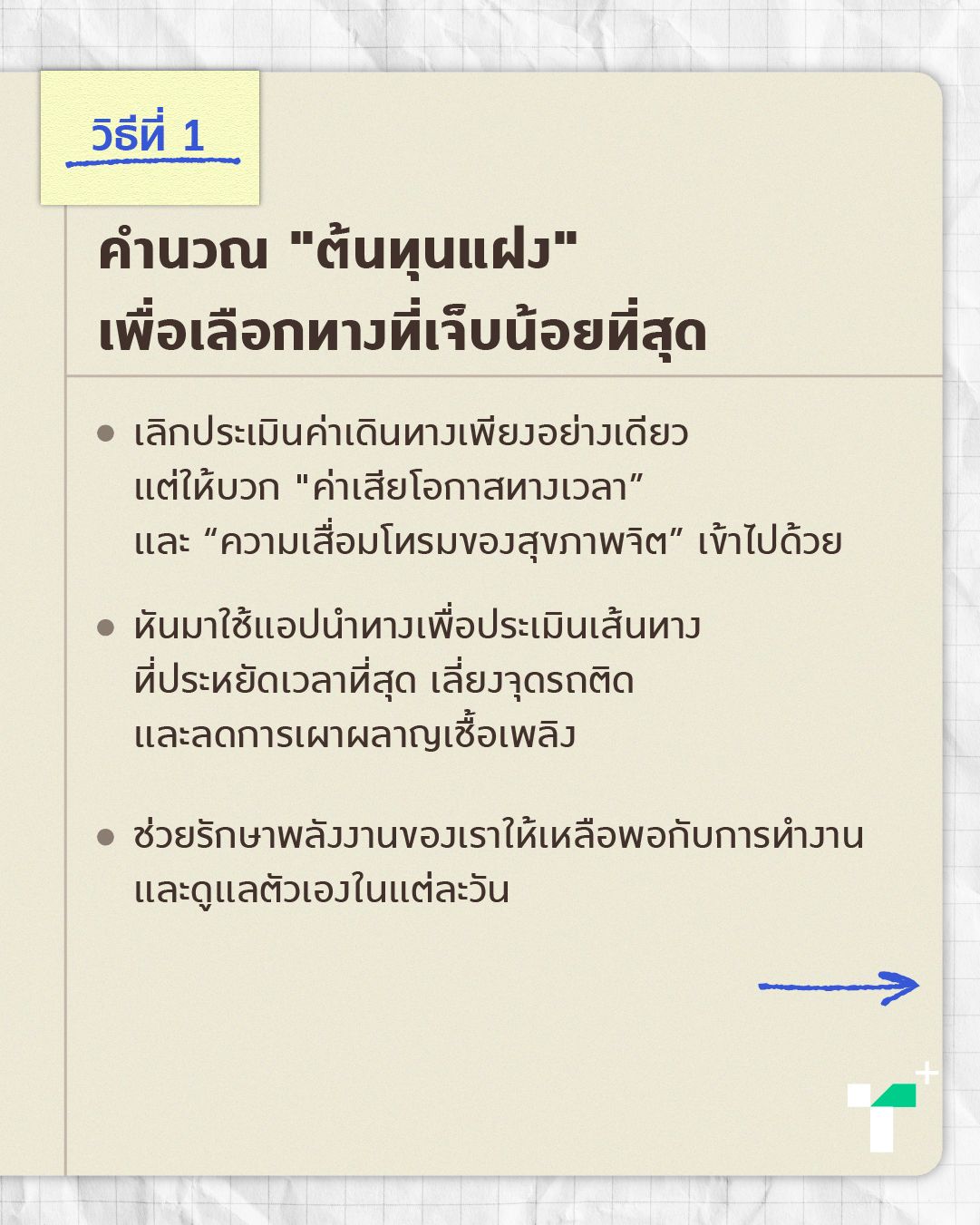
Stop evaluating travel costs solely by ticket or fuel prices; also include "opportunity cost of time" and "mental health deterioration." Using navigation apps to find time-saving routes or paying a bit more to avoid traffic jams and reduce fuel consumption is a worthwhile investment if it preserves your energy for work and self-care each day.
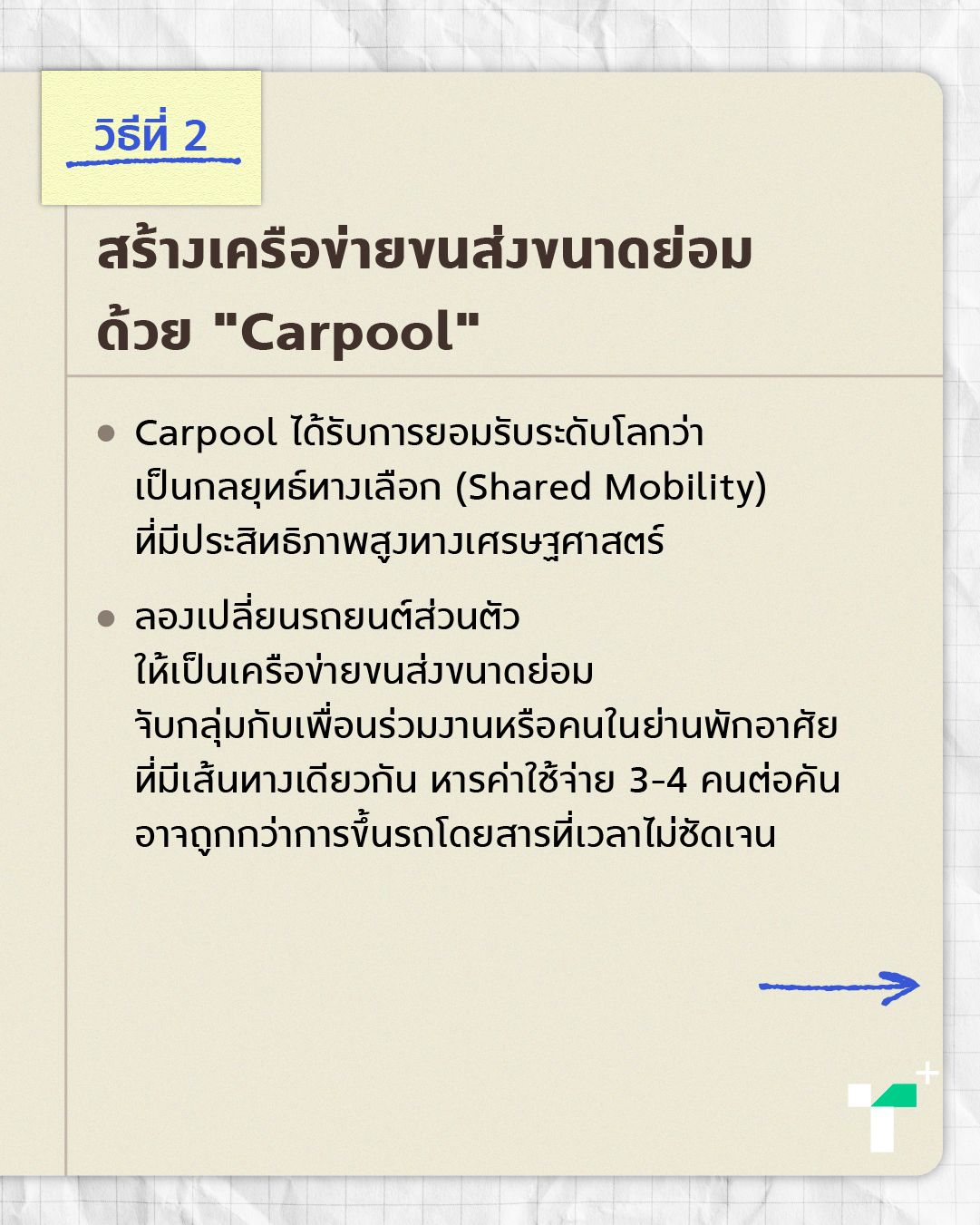
When public transit falls short and personal fuel costs become too heavy, carpooling is a global, economically efficient shared mobility strategy. Turn your private car into a small transport network by grouping with coworkers or neighbors who share routes, splitting costs among 3-4 people. This usually costs less per person than electric trains with overlapping entry fees, reduces road congestion, benefits the environment, and can be more worthwhile than risking hours on unpredictable buses.
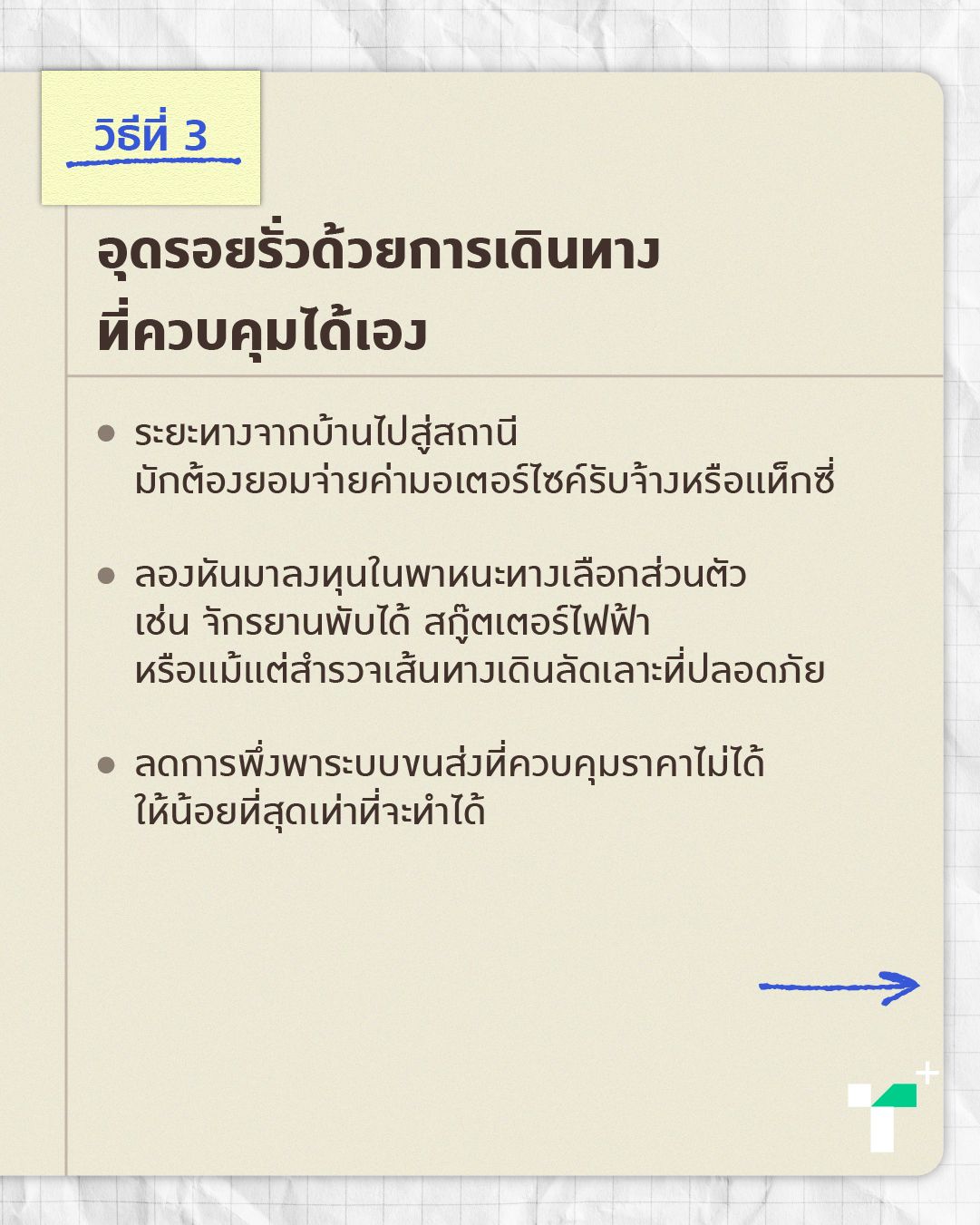
The biggest money drain in Thailand’s transport system is the distance from home to stations, where people often must pay motorcycle taxis or taxis. Consider investing in personal alternative vehicles like folding bicycles, electric scooters, or exploring safe shortcut walking routes to plug financial leaks and minimize reliance on uncontrolled-price transit.
When the government centralizes growth in business districts and forces everyone to pay expensive travel costs to access opportunities, try building a personal ecosystem to reduce travel dependency. Seriously apply the "15-Minute City" concept by restructuring life to live near essentials like supermarkets, fitness centers, and parks, all within walking or short ride distance.
Since city structure is hard to change, negotiate work arrangements instead. Discuss flexi-hours to avoid rush hour travel or push seriously for hybrid and remote work policies, because life balance shouldn’t be destroyed by commuting constraints.
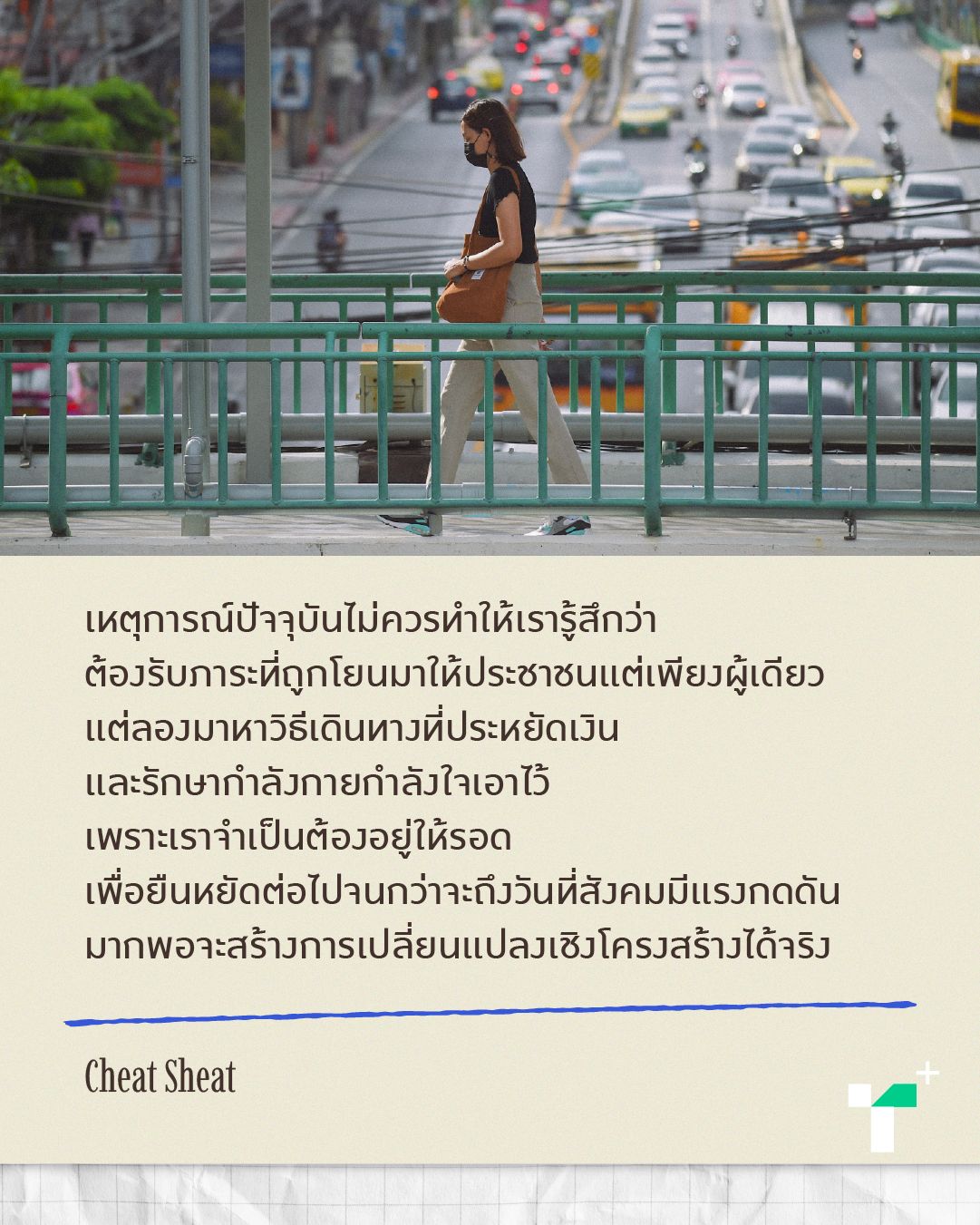
We do not reject using public transport and are willing to help alleviate the energy and environmental crisis. But many have the right to question being forced to pay premium prices for basic services that should be citizens’ rights from the start.
Individual adaptation is necessary but must be paired with active policy advocacy—demanding unified ticketing, transparent fare subsidies, and improved transit station quality.
Current events should not make us feel we alone must bear burdens pushed onto citizens. Finding ways to travel economically and protect mental health is not selfish; it’s preserving physical and emotional strength because we must survive while the government imposes burdens, standing firm until society exerts enough pressure for real structural change.
#ThairathPlus #Thairath #PublicTransport #OilCrisis #FuelPrices