

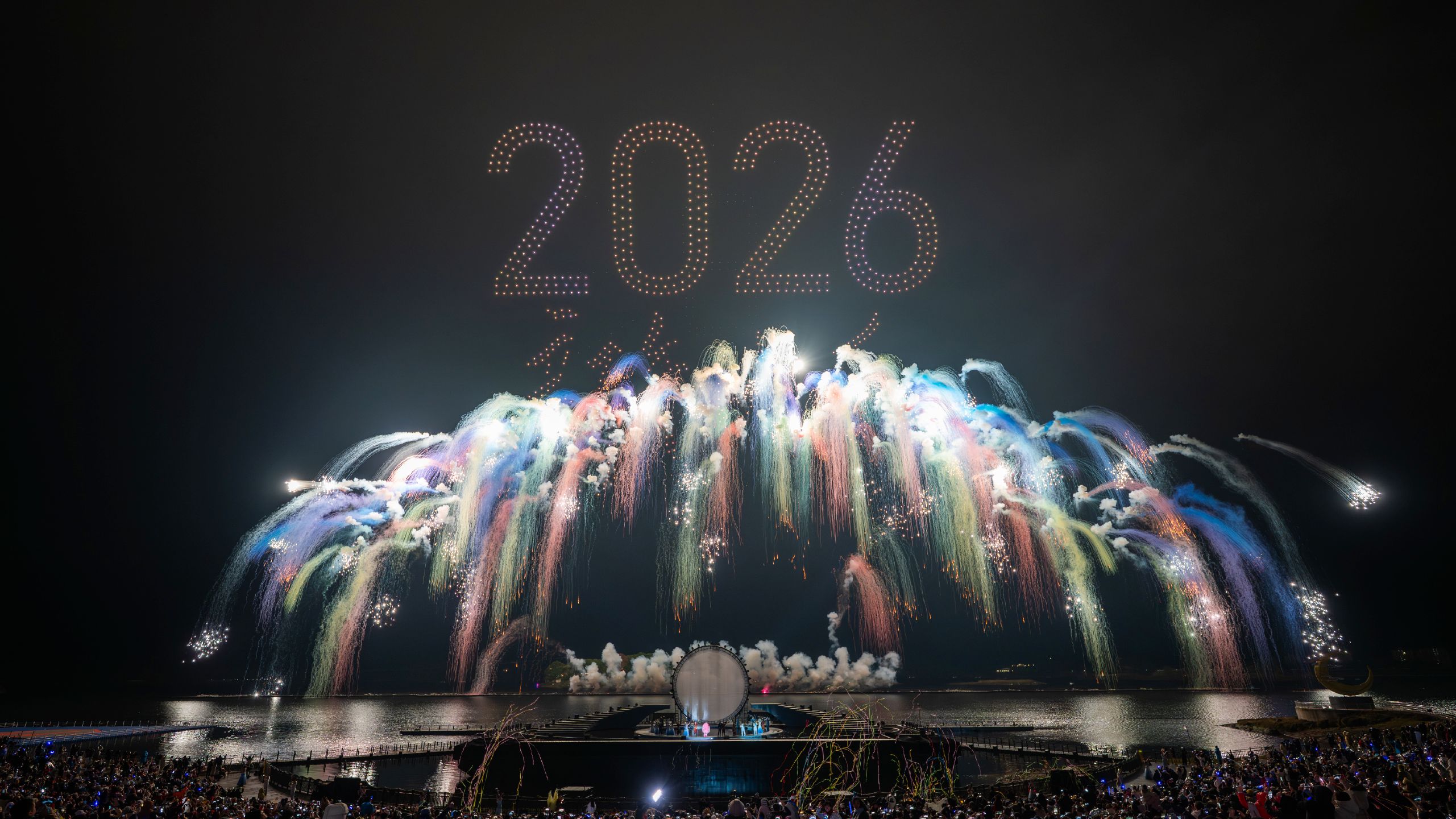
Before we realized it, the clock hands had brought us to stand at the threshold of the year 2026.
At first glance, reaching this point might seem like just the routine change of seasons, but a deeper look at this transitional moment reveals that our current worldview is not simply revolving along the same old orbit. Instead, the world and society are swinging themselves into 'new territories' across almost every sector, including Thailand, which finds itself amid unpredictable turbulent storms.
Referring to late last year, experts and academics from various fields pointed in unison that 2026 will be a 'significant milestone of change' for Thailand, as it is the convergence of multiple 'storms' arriving simultaneously—ranging from the climate crisis nearing its limits, politics searching for new solutions, to an economy struggling to stay afloat.
At the same time, amid the brewing storms, there is space to relax and take a break from difficult issues by anticipating the major global sporting events happening this year.
Therefore, all these reasons make 2026 more than just 'another year' to get through; it is a year where we must answer long-standing important questions: amidst the waves of overwhelming change, will we adapt to survive, allow ourselves to drift with hopeful winds, or resign to being swept away by obsolescence into the shadows of the future?
Here are five key issues we invite everyone to watch closely in 2026.
Believe it or not, these issues will affect you in one way or another.
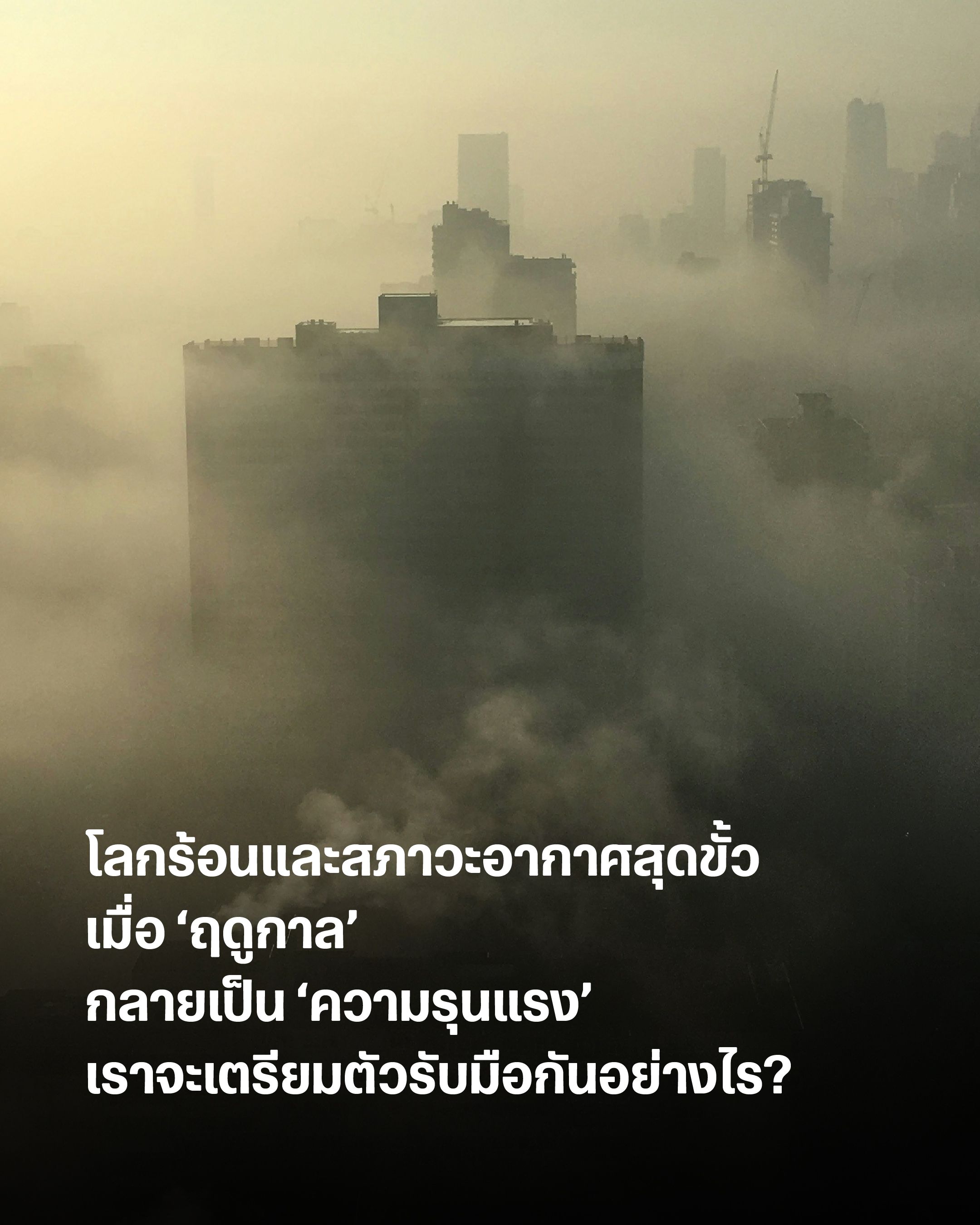
Did you know that the latest global forecast from the UK Met Office indicates that the average global temperature in 2026 is likely to be 1.46°C above the baseline average, with a high chance of reaching 1.5°C? This is the 'deadline' or danger threshold that scientists worldwide have been striving to prevent.
Focusing specifically on Thailand, data from Tara Buakamsri, former director of Greenpeace Thailand and environmental expert, along with research from Berkeley Earth, a nonprofit climate science organization (501c3), show that Thai land has already warmed rapidly by about +2°C compared to the past—higher than the global average.
Therefore, this may be the first year we can say that global warming is no longer a distant or close issue but has become an intrinsic part of our lives, as its impacts infiltrate every breath and way of living. Coupled with last year's events, it is clear how much the warming world has already caused damage to Thailand—floods, erratic weather, extreme heat, and recurring dust seasons.
Thus, 2026 is not just a year of increased heat; it is a year when heat becomes a permanent multiplier of severity across all sectors. We should seriously ask ourselves if it is time to stop viewing global warming as merely a matter of weather and accept that it is a problem that demands responsibility from the government, private sector, and the public alike.
If we remain indifferent, the nightmares experienced last year may only be the 'prologue' to a new series of intensifying disasters arriving in the coming year.
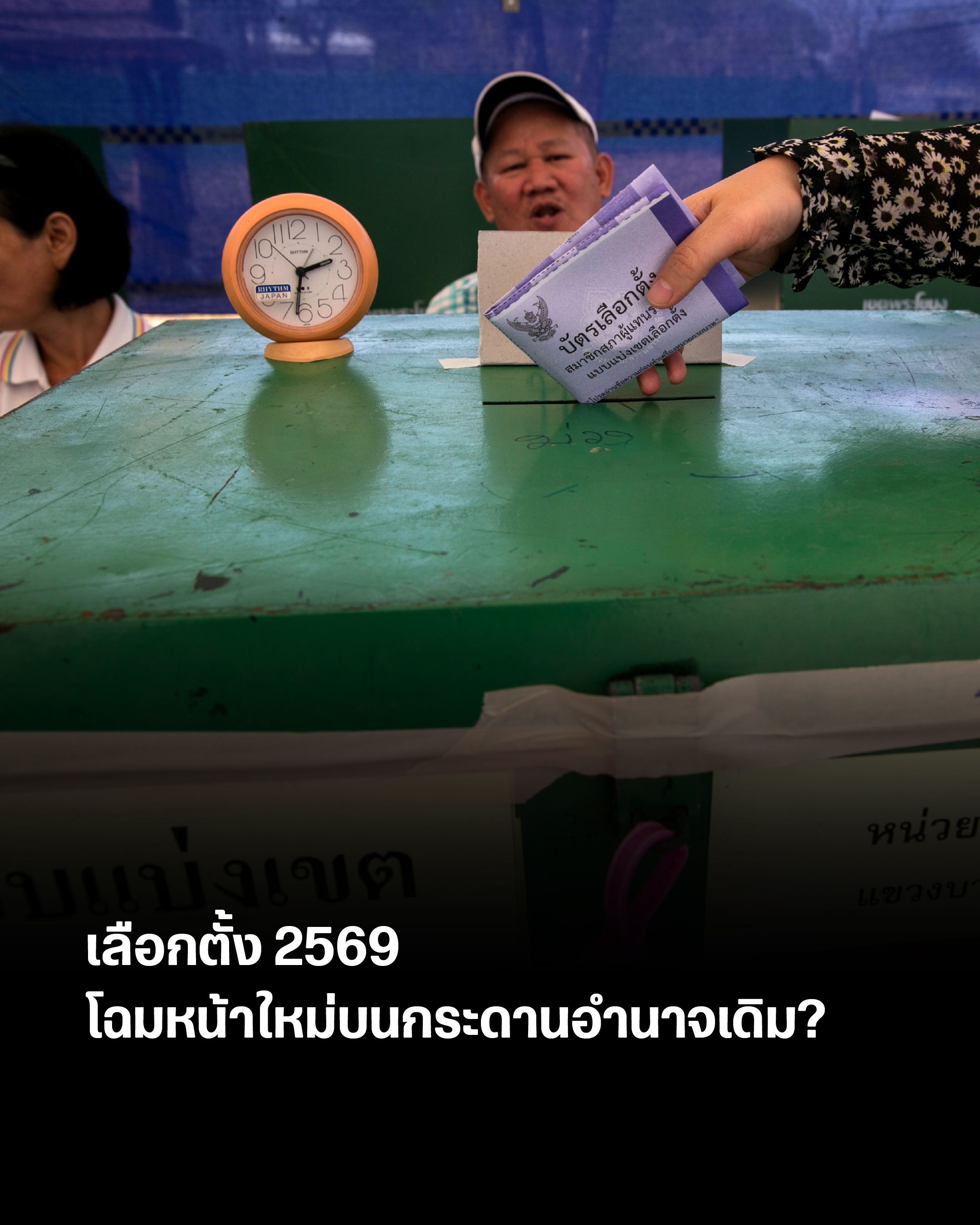
The political arena awaiting us at the start of 2026 promises an intense atmosphere unlike any before. This is not just a routine ballot but the most pressing clash between the 'new world' and 'transitional ideologies.' We may see players changing directions and political strategies breaking away from traditional formulas, driven by an unprecedented rise in public awareness. However, factors such as the ongoing conflict along the Thai-Cambodian border and the persistent rise of nationalism nationwide add unpredictability.
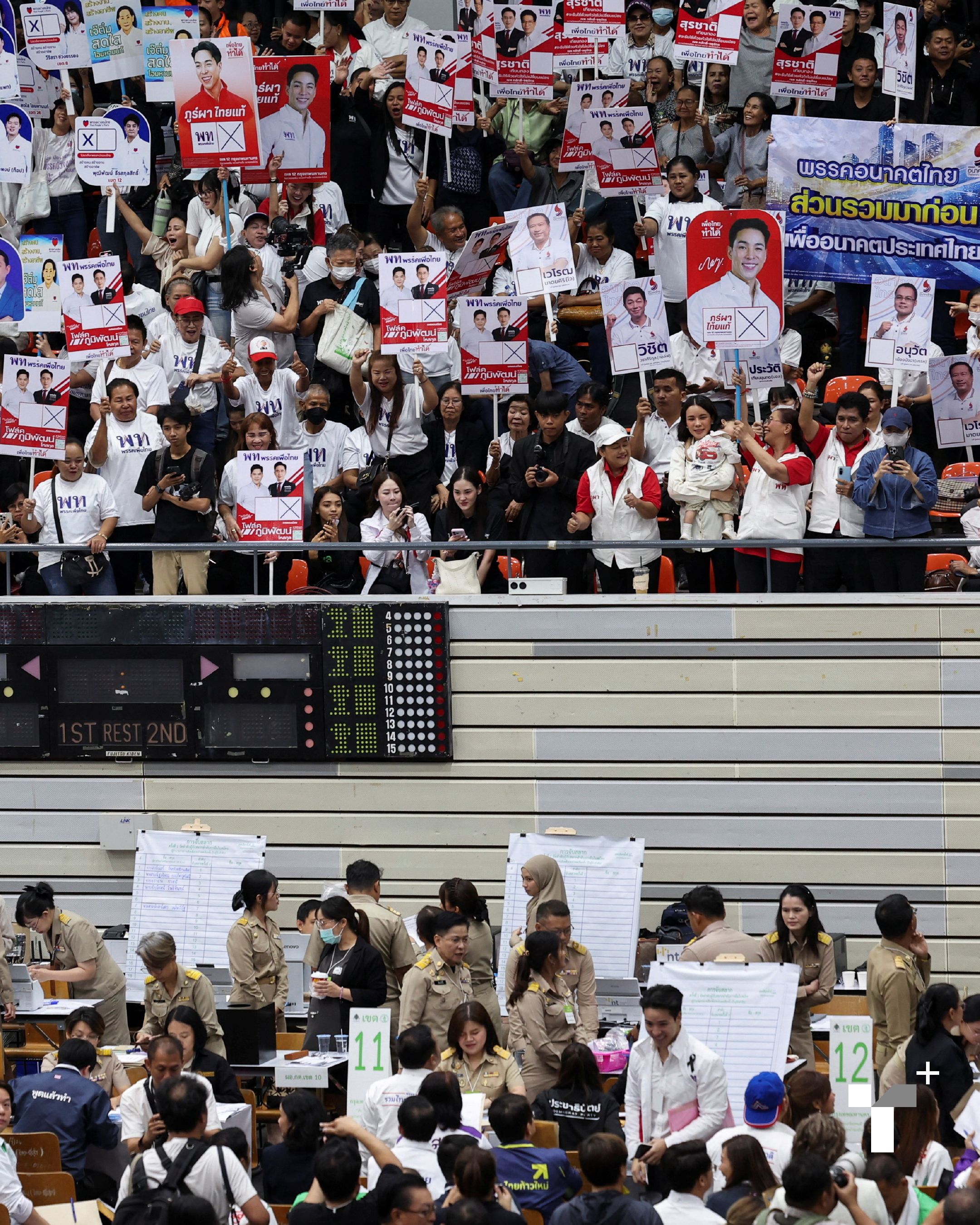
Therefore, the 2026 election is undeniably a critical decision point determining Thailand’s future direction. It is worth watching how much the people's 'voice' can shake deeply entrenched power structures. This election tests whether Thai politics can transcend its own shadows to meet the world's 'New Normal' or if 2026 will simply mark the start of old conflicts in a new guise.
This year also includes other elections: subdistrict administrative organizations on 11 January, governors of Bangkok and Pattaya around July, and the social security board whose term is ending. Insured persons await to see if board members will be selected by election as before.

Another key development running alongside the elections is the mission to 'amend the 2017 Constitution,' which has been criticized as a rule designed to freeze the country in an outdated context, reducing public participation. For example, citizens cannot directly initiate the removal of politicians because power lies with independent bodies appointed by others, weakening checks and balances. The constitution also ties the country to a 20-year national strategy and allows prime ministers to be chosen from outside parliament, contradicting democratic principles.
This constitution acts like shackles restricting the state's adaptability to the volatile modern world. Thus, the 2026 referendum on a new constitution is not just a legal process but a genuine restoration of power to the people. It declares the intention that the rules governing the nation must be rewritten by the sovereign people to build a democratic foundation resilient enough to face future challenges.
We urge everyone to closely watch the upcoming referendum, as it is a crucial test of Thailand's governance—whether it can open space for constructive criticism and participation. If the fundamental constitutional framework remains distorted, solving major problems like inequality or environmental crises becomes nearly impossible. This mission is like 'demolishing an old, dilapidated house' to prepare for sustainable rebuilding.
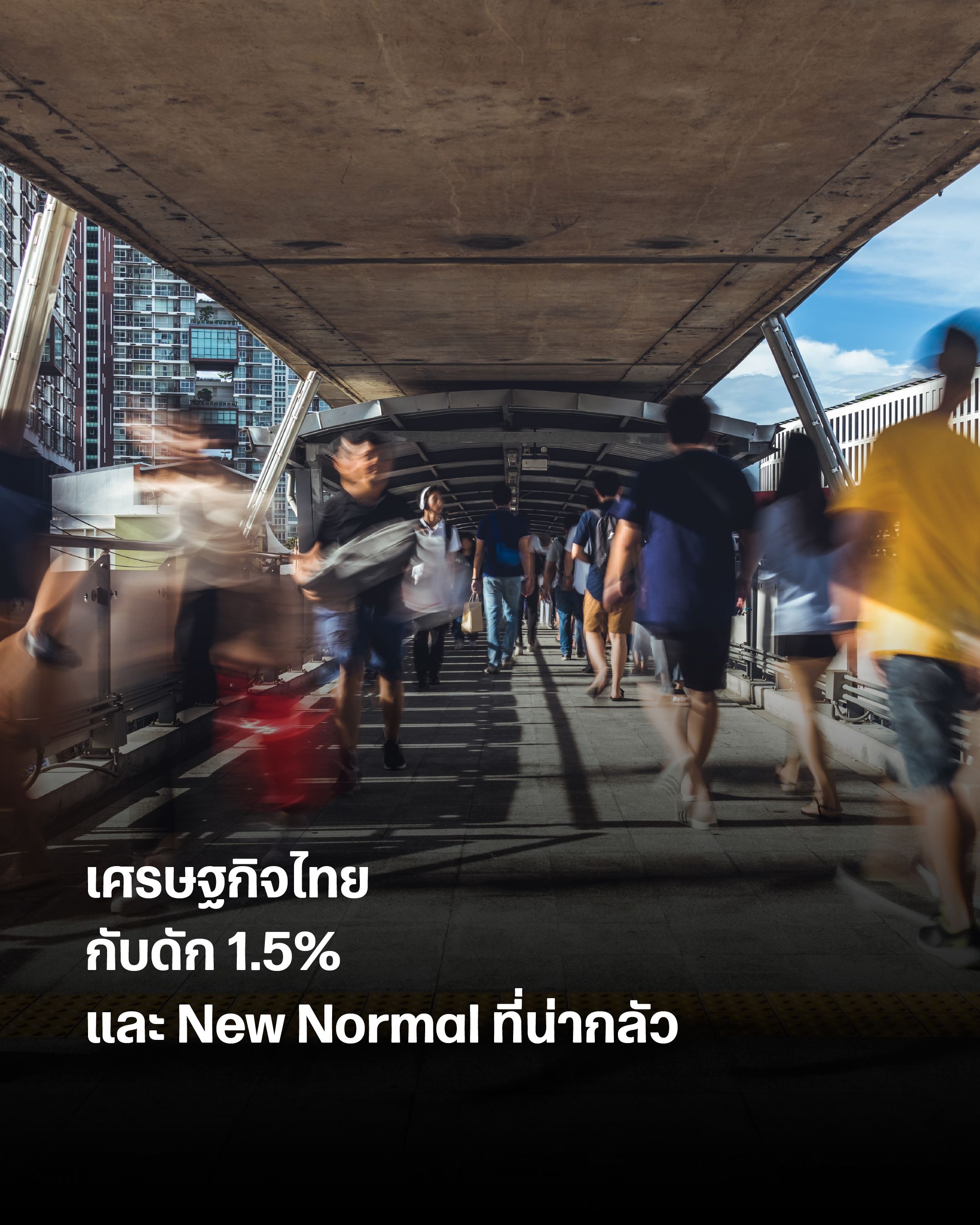
If economic figures measure a country's health, the latest data from SCB EIC signal alarming warnings that could be life-threatening. It forecasts that Thailand’s economy may grow only about 1.5% in 2026, which, excluding global crisis years, would be the first time in three decades that growth falls below 2%.
This forecast reflects a stagnation that has become a ‘New Normal’ threatening the nation’s future. This results from pressures like trade wars and an influx of foreign goods, while domestically, household debt and fragile small businesses erode purchasing power, leaving little momentum. Political uncertainty may delay the 2027 budget, affecting all sectors. These factors darken economic recovery prospects further. Therefore, 2026’s crucial task in Thailand’s economic history is to seriously pursue structural reforms to build new growth engines. Otherwise, Thailand risks credit rating downgrades and loss of international confidence, causing even more severe damage.

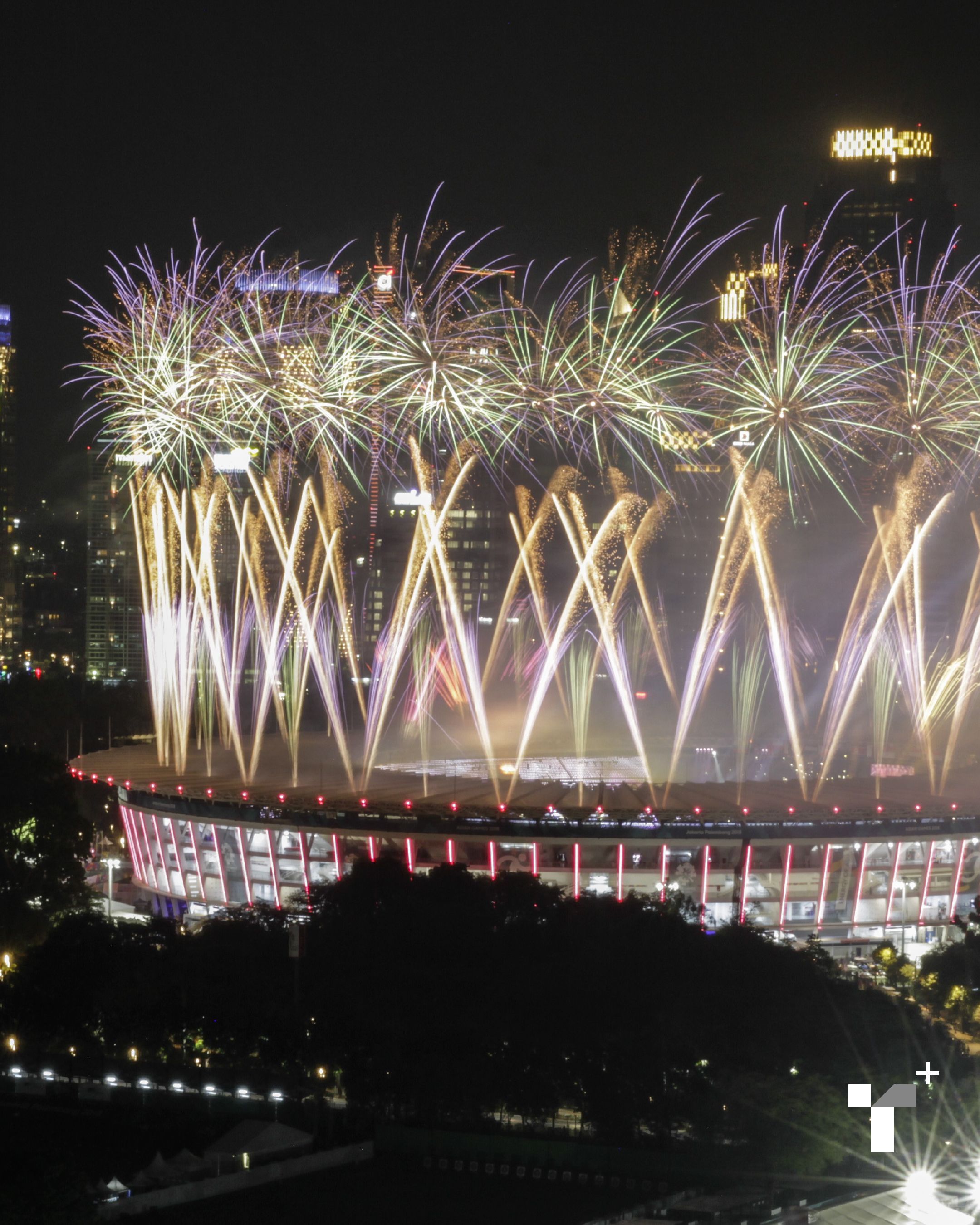
Amid the stresses of the crises mentioned, 2026 is not only about worries. There is still room to breathe through major sports events like the FIFA World Cup 2026, hosted by the USA, Canada, and Mexico, featuring a record 48 teams. This is followed by the 2026 Asian Games in Aichi-Nagoya, Japan, a key stage to showcase the strength of Thai athletes on the continental level.
Certainly, these two major sports events will bring vibrant spirits and celebrations. Such activities serve as 'emotional nourishment' that soothes people through hardships and remind us that no matter how much the world changes or how fierce the storms of change are, the fighting spirit and unity of humanity will always rejuvenate and empower people's hearts.
From all this, for us, 2026 is not merely a calendar milestone but a large 'mirror' reflecting humanity's and Thai people's true capabilities. As the world throws us into the eye of the most complex storm we have ever faced, this is no longer the time to wait for circumstances to resolve themselves naturally. Instead, it is a decisive moment to choose how to cross old boundaries toward a new, sustainable place.
Ultimately, when the clock passes this year, we do not want to be mere survivors of the storm; we want to be among those laying the foundation of a new home—a home where, no matter how strong the storm, its inhabitants can feel secure, well-fed, and sleep peacefully at last.