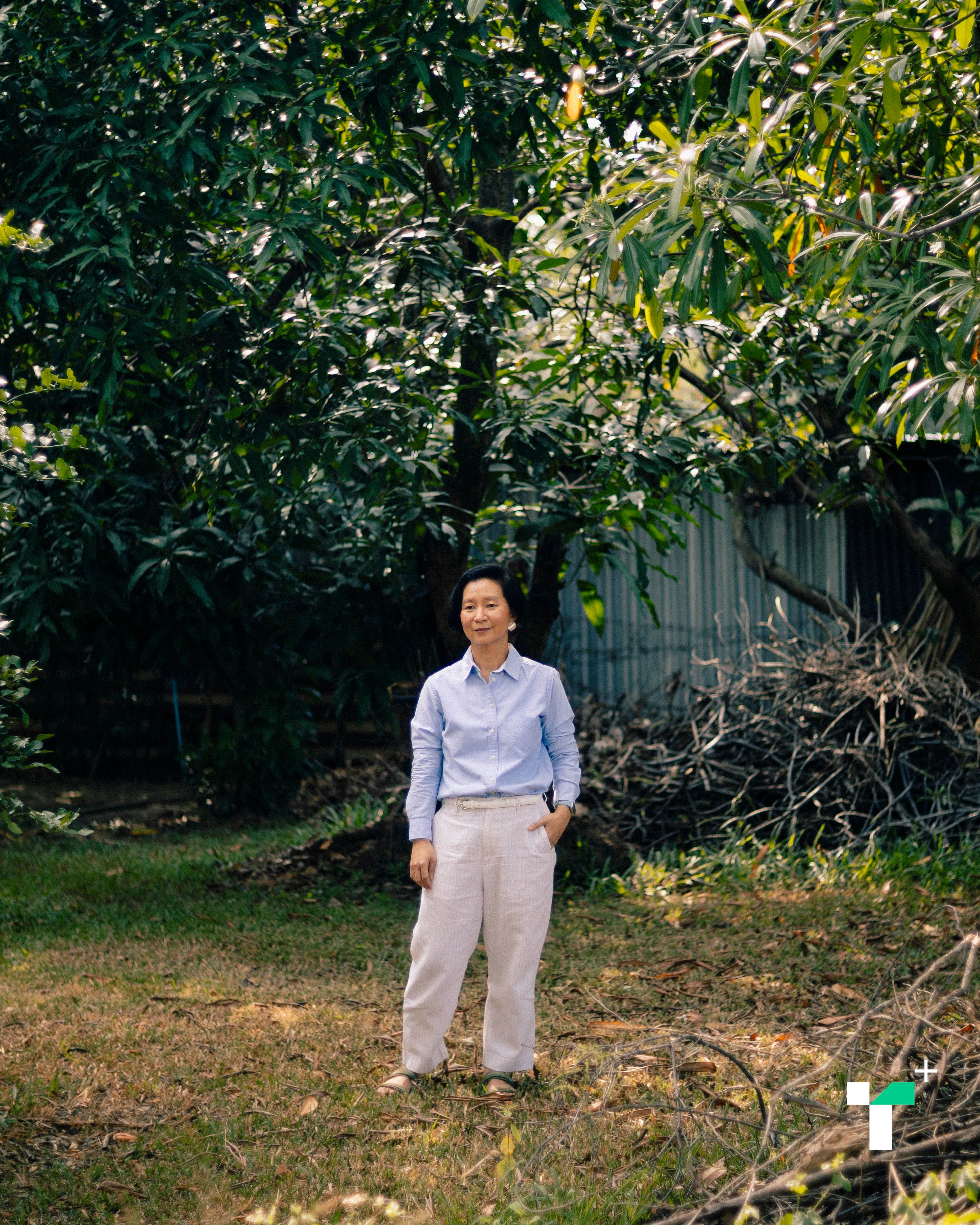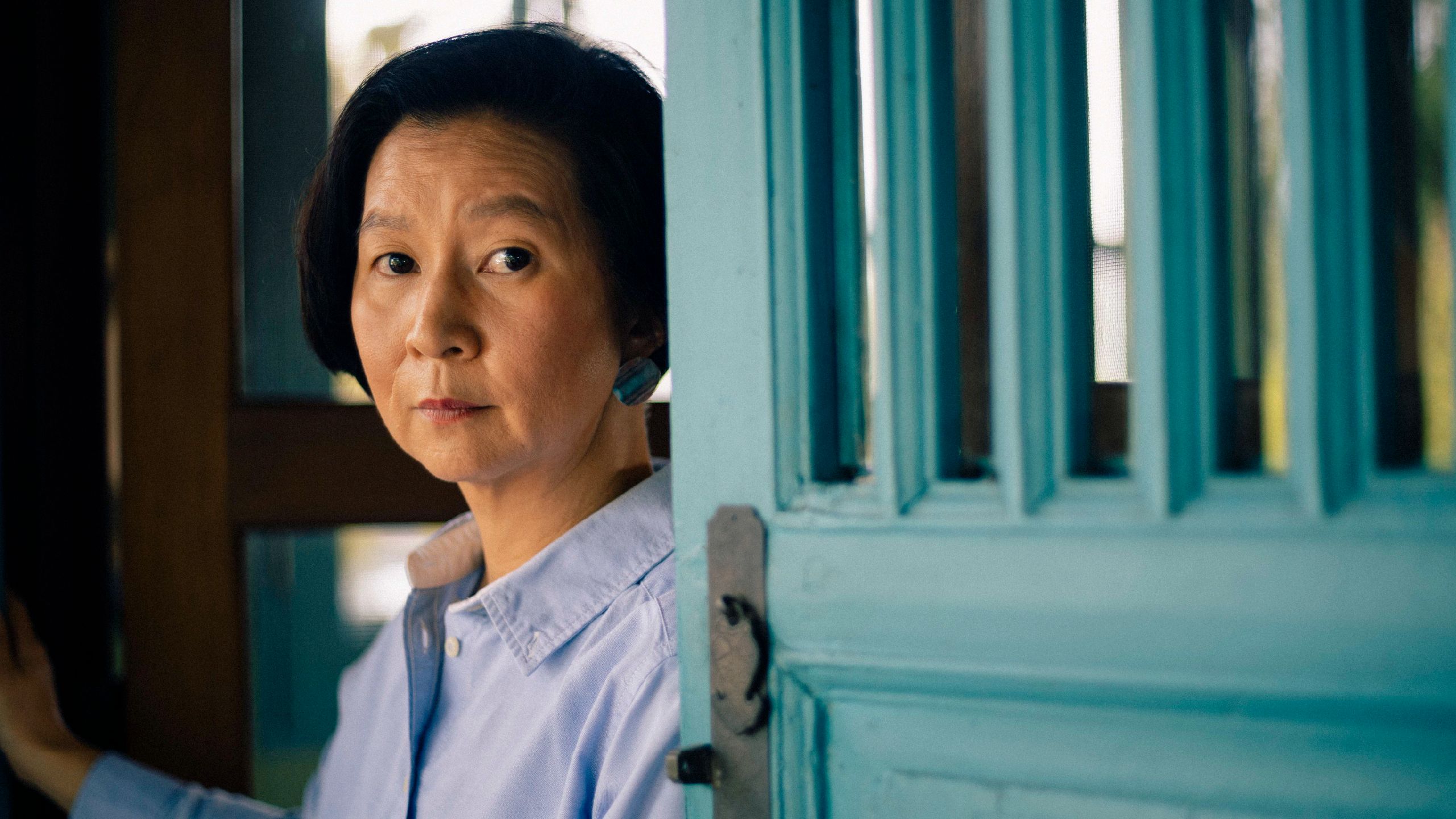
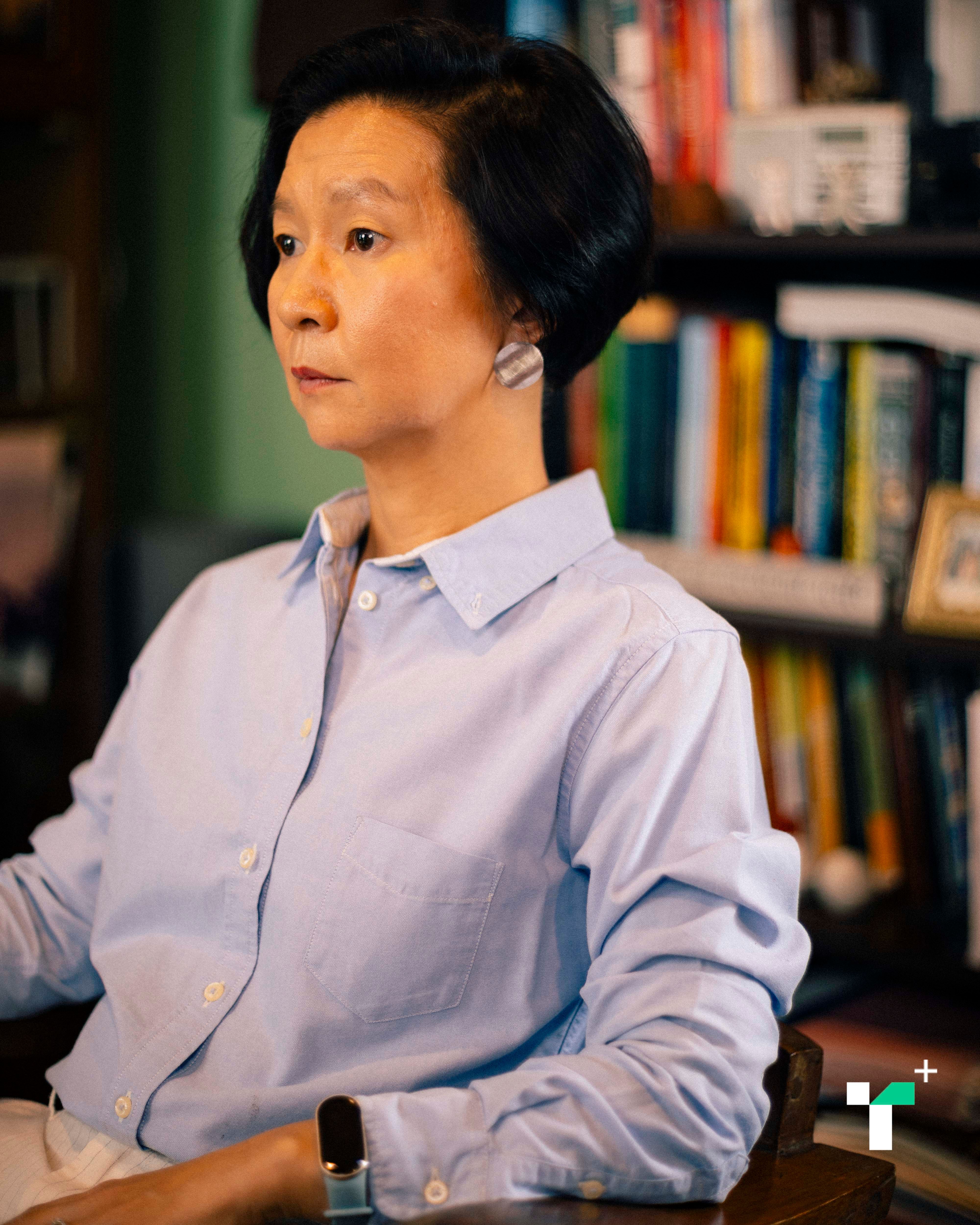
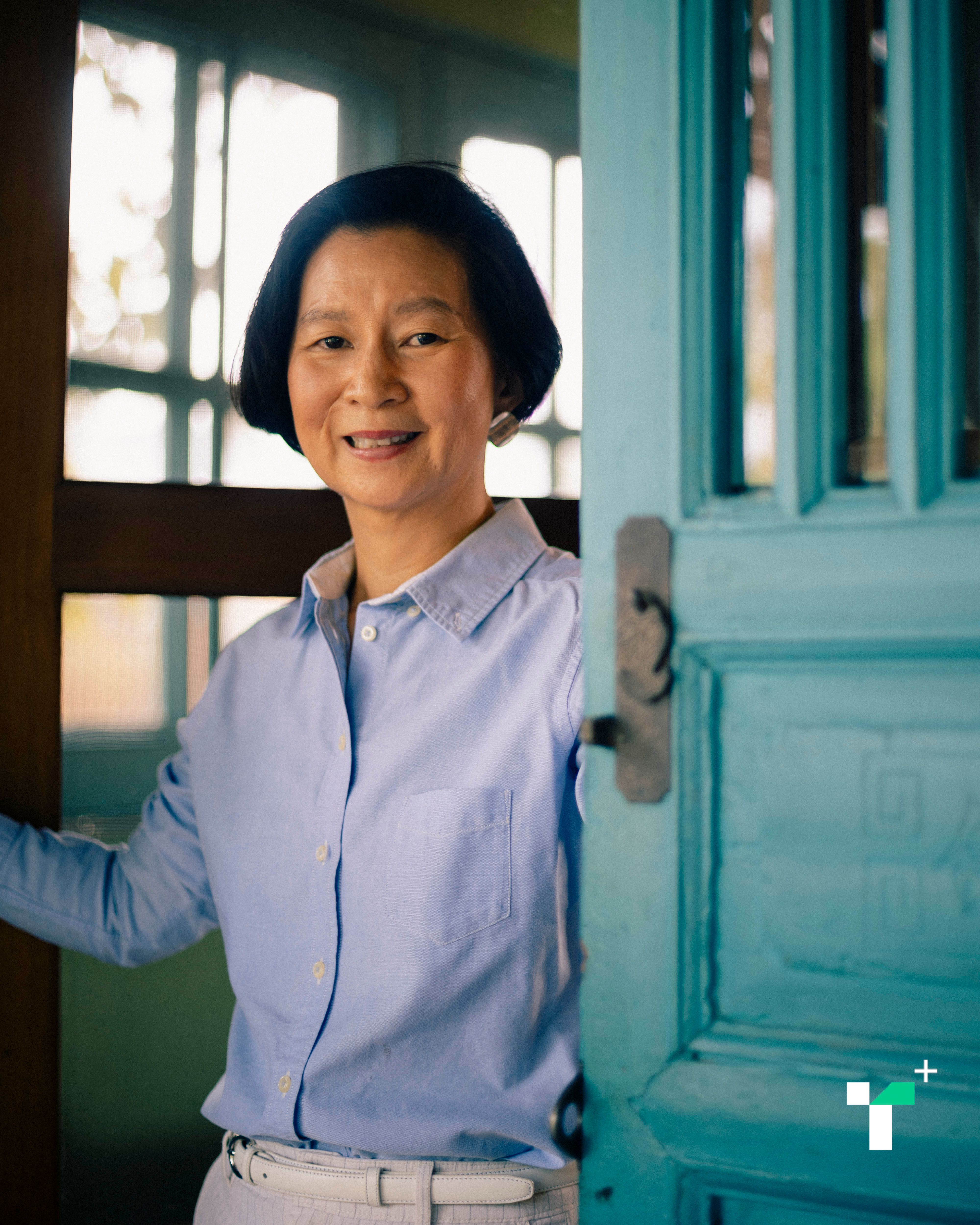
Photo: Jittima Lakboon
The year 2025 was one in which Thai society faced overwhelming problems, making hope almost invisible: earthquakes, floods, conflicts along the Thai-Cambodian border, multiple cabinet reshuffles in one year, road collapses, elevated expressway failures, and many other issues that easily led to political burnout.
, Associate Professor Dr. Kanokrat Lertchusakul from Chulalongkorn University's Faculty of Political Science tells us not to lose hope yet because many initiatives we have driven over the past five years have started bearing fruit this year, including marriage equality laws, ethnic group legislation, and progress in Thailand's liquor laws. Importantly, citizens have become active and awakened, never to return to ignorance again.
Kanokrat also emphasizes that if we never stop doing these six things in 2026 and beyond—never stop scrutinizing, never stop demanding, never stop creating, never stop learning, never stop participating, and never stop dreaming that the world can change—Thai society will definitely improve for the better.
both the government and the political parties we have elected to work for us.
and never stop wanting to see those proposals realized.
because, in truth, our political parties may not be capable enough to understand how creative and innovative your proposals are. Since political parties are rigid institutions, they may not adapt quickly to the world. Therefore, you must keep innovating and telling them that there are many alternative choices and solutions.
The reason parties may not understand is that, after all, those who claim to be young party leaders are mostly approaching 50 years old now. They probably will never understand Generation Z, Generation Alpha, and all these changes.
so that your proposals align with a world that changes daily and present ideas that previous generations, political parties, and elites cannot reject.
Participation gives your demands power. In the past five years, young people have made older generations realize your existence and the legitimacy of your demands. Now is the time to prove that the endurance of the new active citizen generation is long-lasting and exerts enough pressure.
Because nowhere in the world do elites, political parties, or state mechanisms accept when ordinary people rise to demand and pressure them by saying, “Oh, I feel sorry for you; I will grant everything you ask.” That’s impossible because elites, bureaucracy, and political parties benefit from the current policies. Therefore, they will only respond to ordinary people's demands if you continuously demand and make them know your voice affects their survival.
because if you stop dreaming that the world changes, it will not change. Throughout modern political history—just the last 500 years since the Dark Ages—people in both Western and Eastern countries that have developed believed the world can change.
When you start thinking about wanting to change the world, it will surely change one day. But if you stop believing the world can change and stop thinking that one person's voice can make a difference, the world will not change.
Therefore, you must never stop dreaming that the world can change, then begin again with these steps: never stop scrutinizing, never stop demanding, never stop creating, never stop learning, never stop participating, and never stop dreaming that the world can change—powered by one person, yourself.
I only hope Thai elites learn that ordinary people are awakened and have social demands. In the future, the cost of no change for elites will become increasingly high.
Currently, they still believe they can pay that cost because they think the awakening five years ago used legal warfare and parliamentary processes, and that you might get tired, bored, and turn your back on political participation to live life without thinking the world can change.
If their assumption is correct, they will win, and change will not occur. But if they are wrong, meaning you never stop dreaming, their cost will keep rising. Elections and parliamentary politics will come to a point where they can never win, leaving them fewer and fewer choices. So, in this sense, it is a decision for every Thai person: what will you choose?
Will you choose to change society or symbolically give up—stop believing the world can change, stop participating, stop demanding, stop scrutinizing because you are tired and think it’s impossible? If you give up, then those opposing change have already won.

Another conclusion is that when we feel burned out, we can’t just stop. It’s like starting a business—everyone fails at first. No one becomes a millionaire overnight. We try, fail, and learn amid an imperfect system, imperfect political parties, imperfect elites, and imperfect bureaucracy. But how can we be the key mechanism to make it more perfect? We have the right to feel burned out; everyone must accept that political burnout is real.
It’s truly exhausting—political parties don’t meet our expectations, policies we push don’t succeed. The devil is in the details.
We could stop demanding and just live life, graduate, earn about 15,000 baht a month, and live that way. No one will pressure you. Or you can believe that welfare states are possible, change is possible, conscription laws can change, and anti-monopoly efforts can succeed. If the world can change, why can’t Thai society?
Thai democracy is nearly 100 years old, and we have come this far. I learn about the world through history. Thus, my way to recover from political burnout is to revisit history and the political victories of other countries. If you want to be like South Korea, Japan, Taiwan, or many other countries, study why they succeeded. They certainly did not win on day one.