

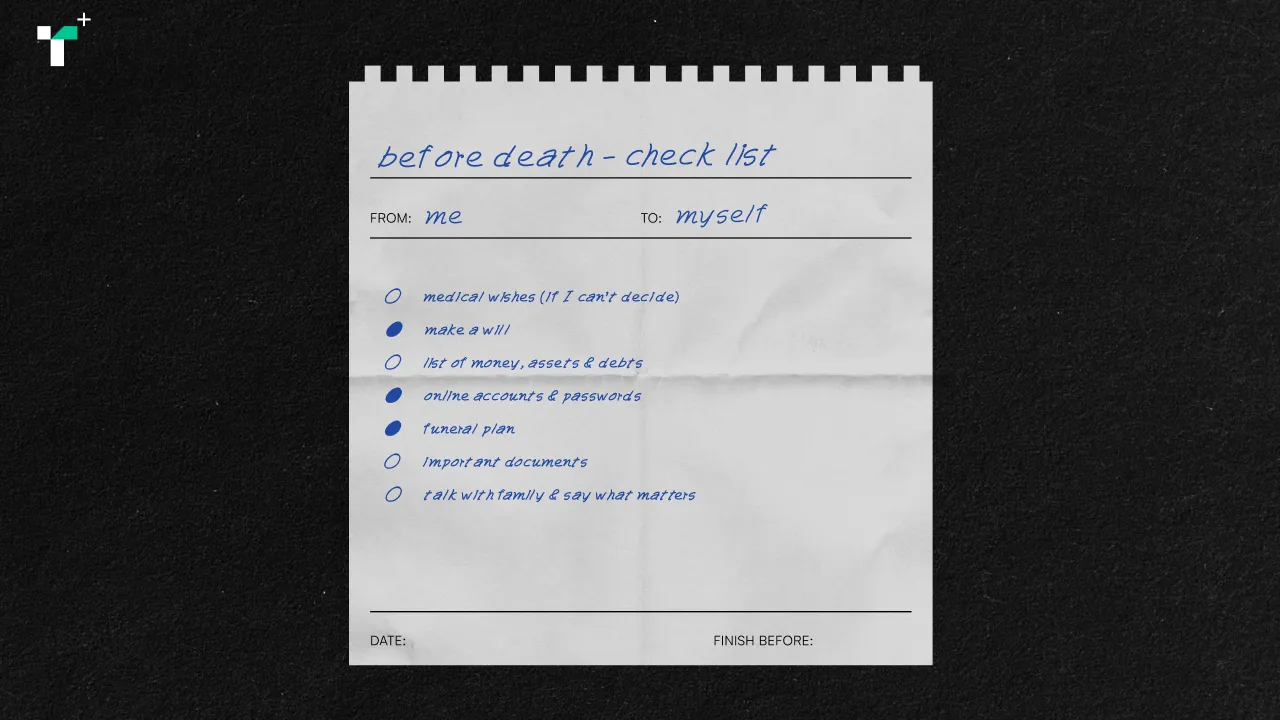
We all know our own birthdays, but no one knows their death day. Therefore, preparing before the final day arrives helps us embrace and be ready to face death at any moment.
Death Planning involves organizing and allocating significant life matters before we leave this world. This planning is not a curse or guessing the future, but preparation for peace of mind and to reduce complications for family or loved ones during the most fragile and difficult times. Nowadays, more people are beginning to plan their deaths.
Planning ahead before departure does not require waiting until that day nears; we can start today. The sooner we prepare, the better equipped we are to handle any situation. Here are seven steps for planning before leaving with a warm heart.
1 - Medical planning by making an advance directive regarding medical treatment, such as whether to perform CPR or use a ventilator if the heart stops. It can specify palliative care preferences to ensure a peaceful, least painful passing.
2 - Creating a will to express wishes about who will manage property or valuables. It should clearly specify executors and beneficiaries. Wills can be made anytime and updated as circumstances change. To prevent future conflicts, it should be in writing and legally valid.
3 - Financial planning by gathering information on assets like houses, cars, land, bank accounts, life insurance, investments, and outstanding debts. All information should be kept together, with clear beneficiary designations for insurance or accounts, and family should be informed in advance.
4 - Managing digital accounts, especially nowadays when we all have important information online like emails or photo libraries. Plan in advance how to handle social media or digital data. Also, collect passwords and access details in a notebook or pass them to family so they can act according to your wishes.
5 - Planning your own funeral by imagining the desired format, venue, food for guests, or keepsakes to give away. Decide whether you want a simple, peaceful ceremony or one filled with color to create smiles and laughter at life's end. Prepare a budget for this, or consider funeral insurance as a good option.
6 - Preparing necessary documents by gathering and storing important papers in one place, such as ID cards, house registration, will, marriage certificate, property documents, or certificates. Keep them safely and inform family members in advance.
7 - Talking with family and passing on memories is the most important time to openly discuss past stories, present life, and the remaining future together. Also, share final messages or thoughts as lasting memories. Ultimately, we should all talk and live each day as if it were our last.
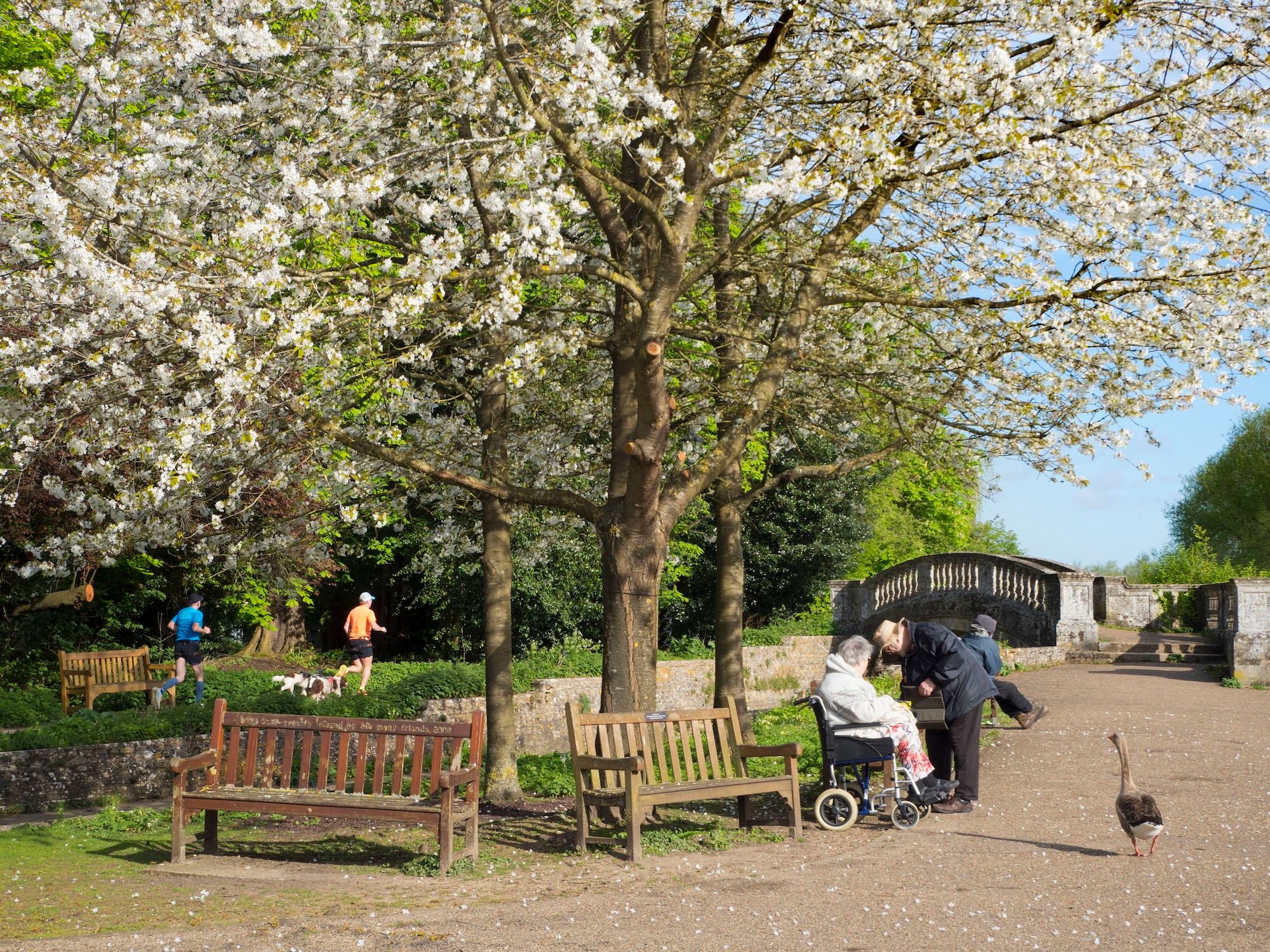
Additionally, the Lifestyle Strategy APAC report: Finding Good Death by WGSN presents the 'Good Death' trend in Asia, inviting us to see death not just as life's end but as a design space connecting personal life, social structures, and business opportunities. It summarizes five pathways to help plan death and approach life's final stage.
Pathway 1 - Integrate final life plans into daily wellness care, from designing homes suitable for elderly living with supportive facilities, subscription home care services, to focusing on nutrition and activities that allow seniors to live comfortably and securely.
Pathway 2 - Create Death-conscious Discourse by opening spaces where people can accept death as a natural part of life through festivals or creative activities that ease death anxiety. This is not neglect but understanding and better preparation.
Pathway 3 - Imagine 'spaces and rituals' aligned with urban lifestyles and contemporary tastes, flexible and open without strict religious ties. Use furniture, decorations, or venues that truly reflect the identity of the deceased.
Pathway 4 - Design 'times of remembrance' lasting beyond the funeral day. For example, Taipei uses biodegradable urns buried in gardens with seasonal trees, making family visits akin to strolling through a living garden rather than just standing by a grave. In Japan, thousands of crystal Buddha statues link to individual ashes, lighting a memorial room like a night sky. In Thailand, platforms like sharesouls offer cloud storage for loved ones' stories, preserving memories beyond photos in the digital world forever.
Pathway 5 - Make post-funeral processes convenient, swift, and compassionate. For example, the Report-a-death Hub helps families handle death notifications and documents once, with government agencies managing the rest. This views post-death services as 'care moments' beyond paperwork. In Asia, online platforms and financial institutions simplify heirs' access to accounts, so families aren’t burdened with complex paperwork during difficult times.

Planning before death and the Good Death trend aim to design life's final stage with meaning, memory, and humanity—from advance preparation, frank conversations about death, new space and ritual designs, to document and identity management after passing. The true afterlife may not be entering another world but preparing well to leave no unresolved matters or burdens for those left behind.