

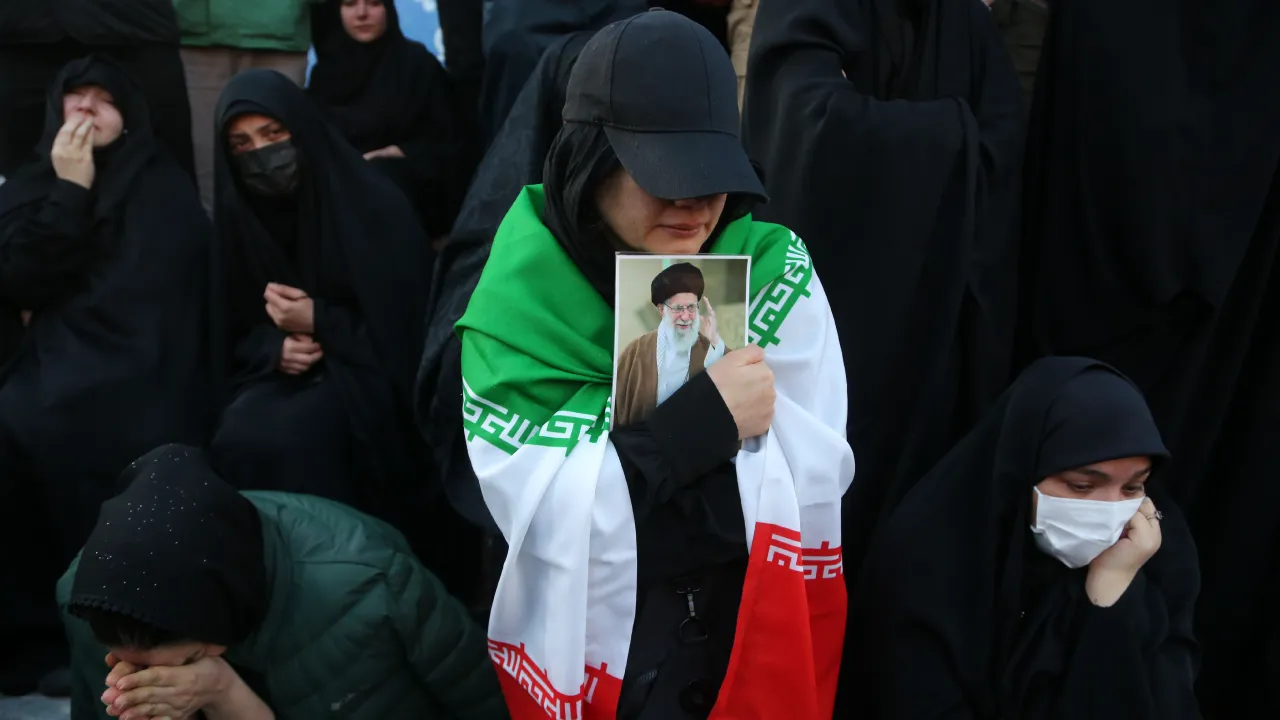
Seven key events over the past 48 critical hours have marked a historic turning point in the Middle East. After Israel and the United States launched attacks targeting the power center in Tehran, resulting in the death of Iran’s Supreme Leader, the conflict escalated with cross-border retaliations, including strikes on U.S. bases in Arab countries, the closure of the Strait of Hormuz disrupting global oil prices, and widespread suspension of commercial flights.
What has happened during this crucial turning point, and what direction will the future of the Middle East take amid global scrutiny? This article summarizes all events in one comprehensive report.
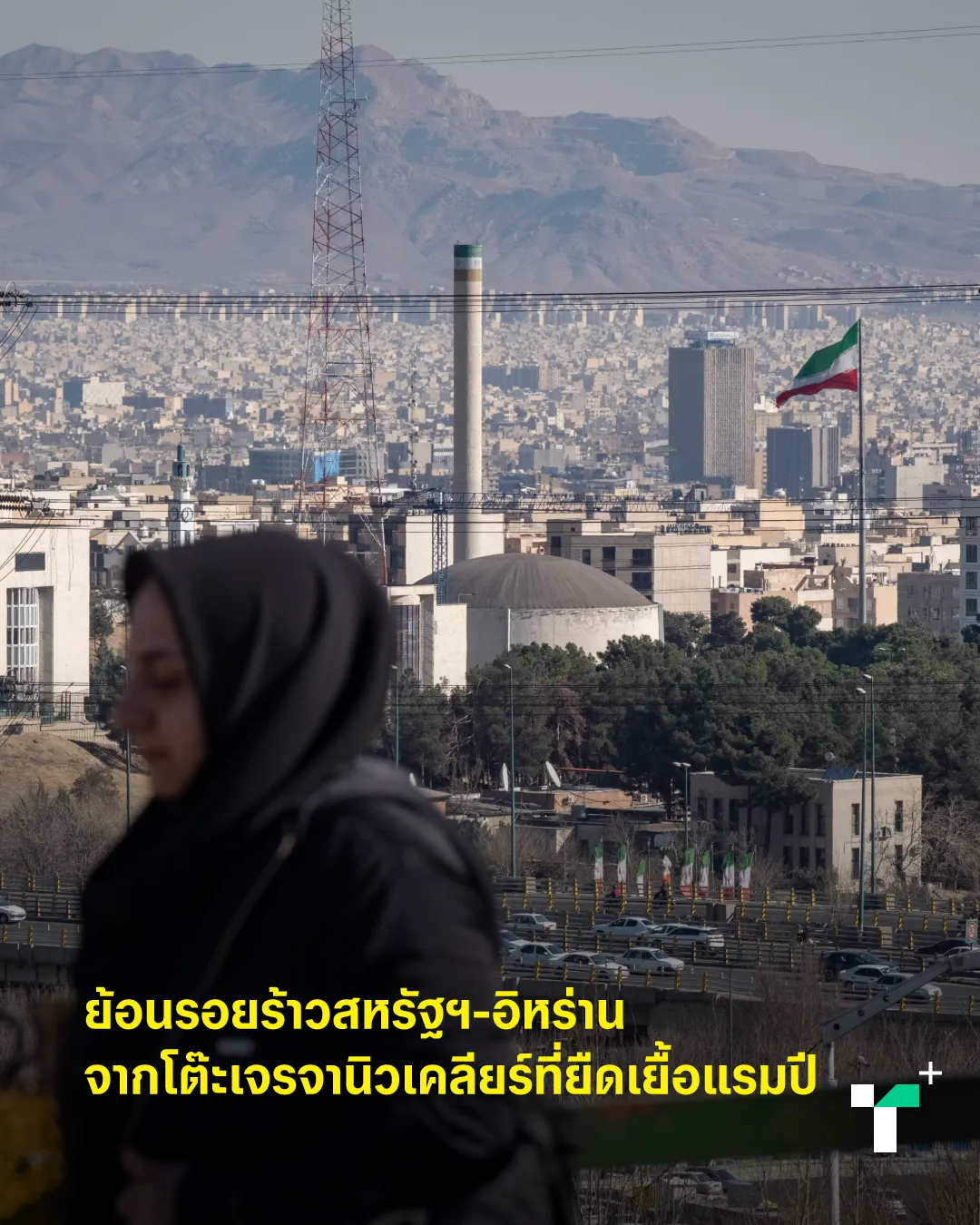
The return of President Donald Trump for a second term not only demonstrated a firm stance alongside Israel but also focused on negotiating control over Iran’s nuclear program. However, progress was slow, and in June 2025, Israel launched airstrikes on Iranian nuclear facilities, sparking a 12-day intense conflict that ended with a ceasefire agreement. Nevertheless, Iran insisted on its right to enhance uranium enrichment capabilities, prompting new rounds of sanctions from the U.S. and Europe. This worsened Iran’s economic conditions, causing soaring prices and sparking protests against the government from late 2025 into early 2026. Tensions escalated further when the U.S. signaled military intervention and deployed troops near Iran’s coast. Despite the looming crisis, diplomatic efforts resumed with three rounds of nuclear talks in Geneva during February 2026, the last on 26 February. Oman, acting as mediator, believed significant progress was made, but ultimately, hopes were dashed two days later.
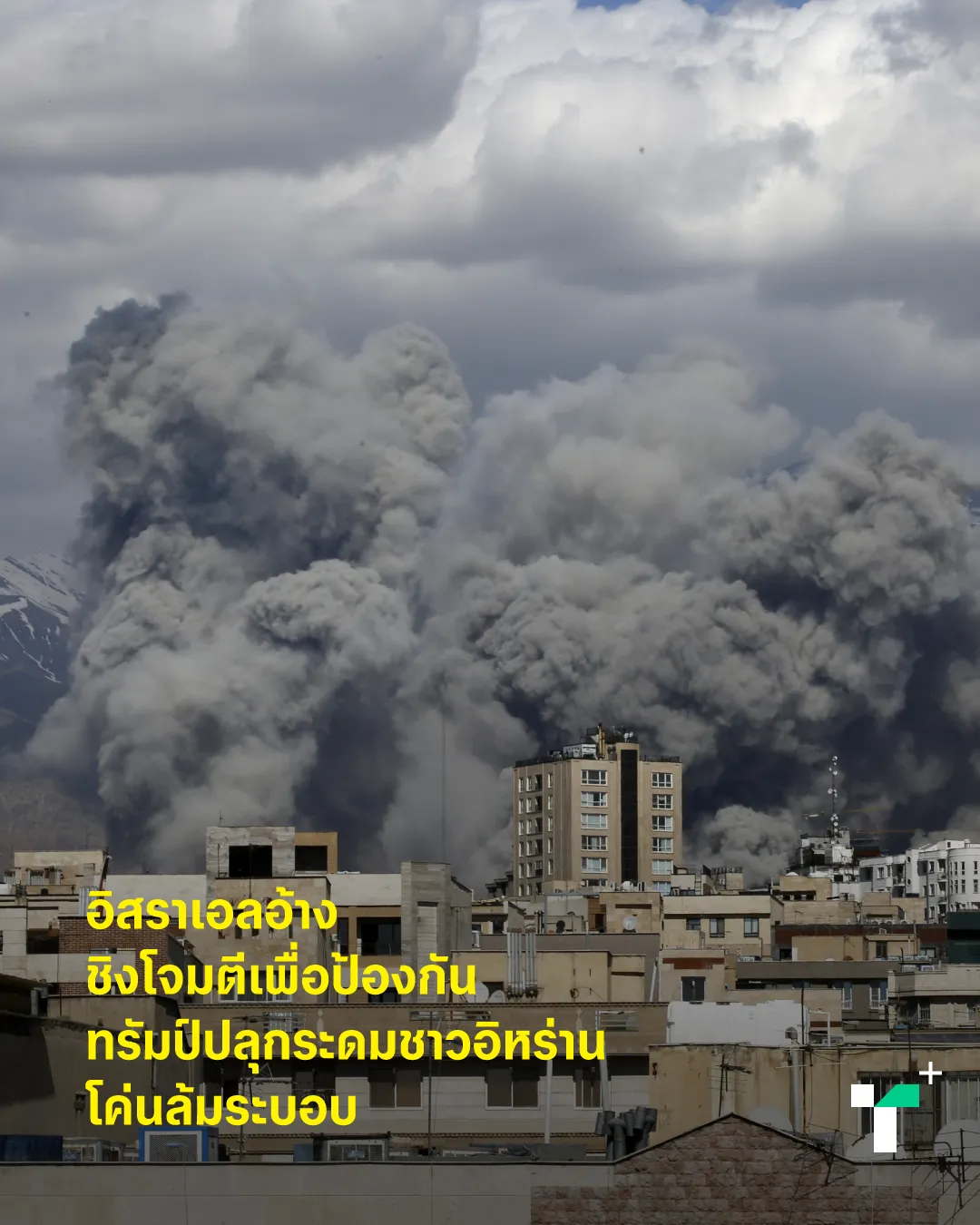
On the morning of Saturday, 28 February 2026, Israel announced the launch of a pre-emptive attack against Iran for self-defense and declared a nationwide state of emergency. Iran’s Fars News Agency reported multiple missiles targeting key areas in Tehran and other cities. U.S. President Donald Trump posted an eight-minute video confirming U.S. involvement in the major military operation, alleging Iran’s attempts to revive its nuclear program and develop long-range missiles threatening European allies and the American mainland. Israeli Prime Minister Benjamin Netanyahu echoed this stance, emphasizing that Iran’s regime must never possess nuclear weapons threatening humanity. Both leaders urged all ethnic groups within Iran to seize this moment to rise up and overthrow their government, aiming to establish a free and peaceful Iran.
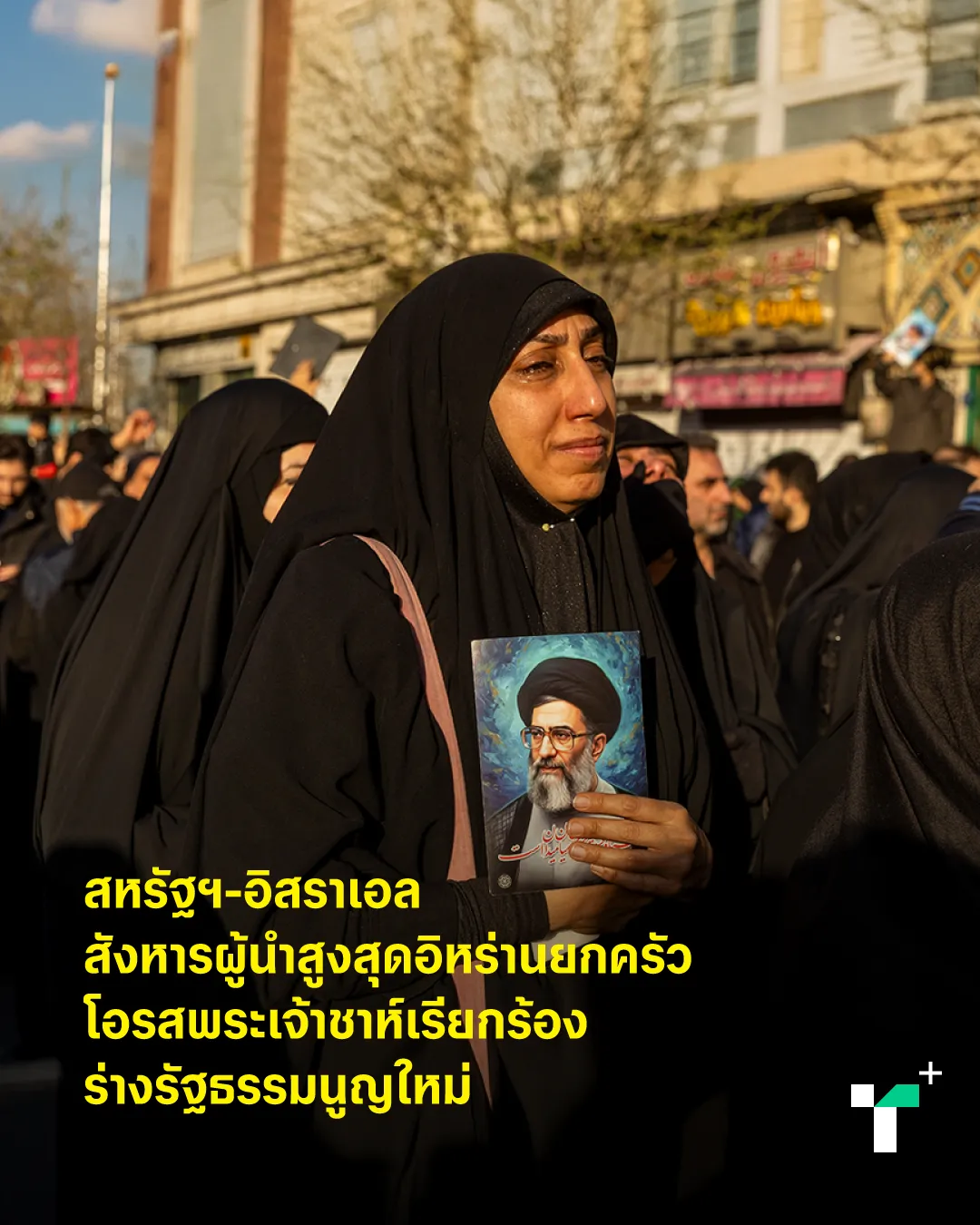
This military operation resulted in a historic loss for Iran. The Israel Defense Forces (IDF) revealed that, based on months of intelligence preparation, they struck while senior leaders were gathered at the power center in Tehran. This attack killed Ayatollah Ali Khamenei, Iran’s Supreme Leader, along with his daughter, son-in-law, daughter-in-law, and grandchild in his private office early Saturday morning. Iran’s state television and the Supreme National Security Council later confirmed his death. Both U.S. and Israeli leaders proclaimed the operation’s success, with Donald Trump calling Khamenei one of history’s most evil figures. Reza Pahlavi, son of the exiled former Shah of Iran, congratulated the event and urged military and police forces to defect and join the people in drafting a new constitution. Iran’s authorities established a special committee comprising the president, the chief justice, and members of the Guardian Council to oversee the transition of power.
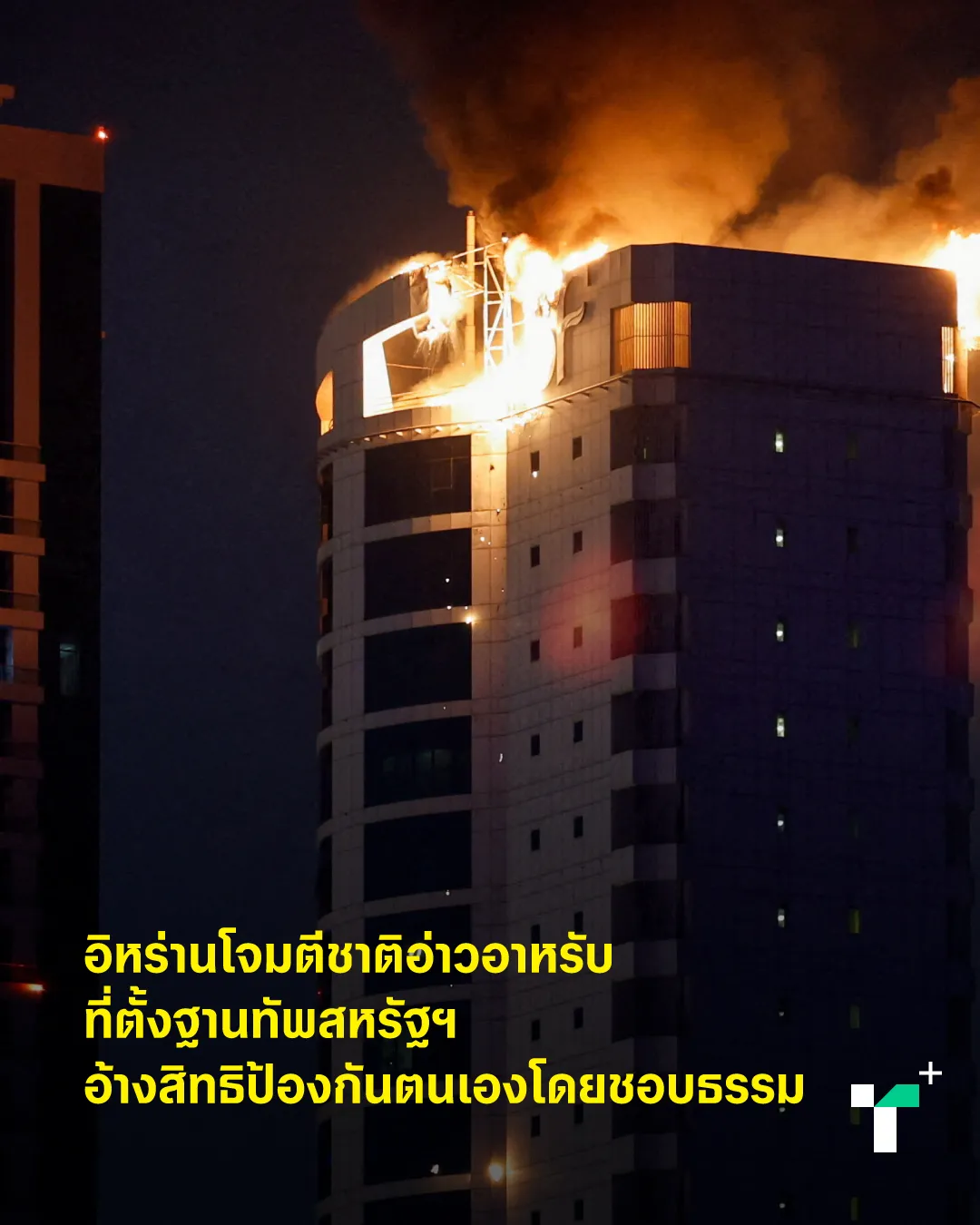
Iran’s Supreme National Security Council and Ministry of Foreign Affairs declared they would retaliate proportionally to the U.S. and Israeli attacks, asserting their legitimate right to self-defense. They issued direct warnings to neighboring Arabian Gulf countries not to allow their territories to be used as bases for attacks against Iran. Simultaneously, Iran launched continuous strikes on U.S. infrastructure and bases across the Middle East, including explosions at the Fairmont The Palm hotel in Dubai, United Arab Emirates, injuring four people. The UAE Ministry of Defense deployed new missile and drone interception systems. Other reported explosions occurred near Al Udeid Air Base in Qatar, the U.S. naval base in Bahrain, attacks via drones on Kuwait’s airport, and U.S. bases in Iraq. Jordan intercepted two missiles. Israel faced waves of missile attacks with sirens blaring nationwide. Additionally, an oil tanker was attacked off Oman’s coast, injuring four crew members. This escalating situation prompted the Gulf Cooperation Council (GCC) to hold an emergency meeting on Sunday, 1 March, issuing a statement condemning the attacks, blaming Iran for violating sovereignty, and warning of strict measures to safeguard regional security.
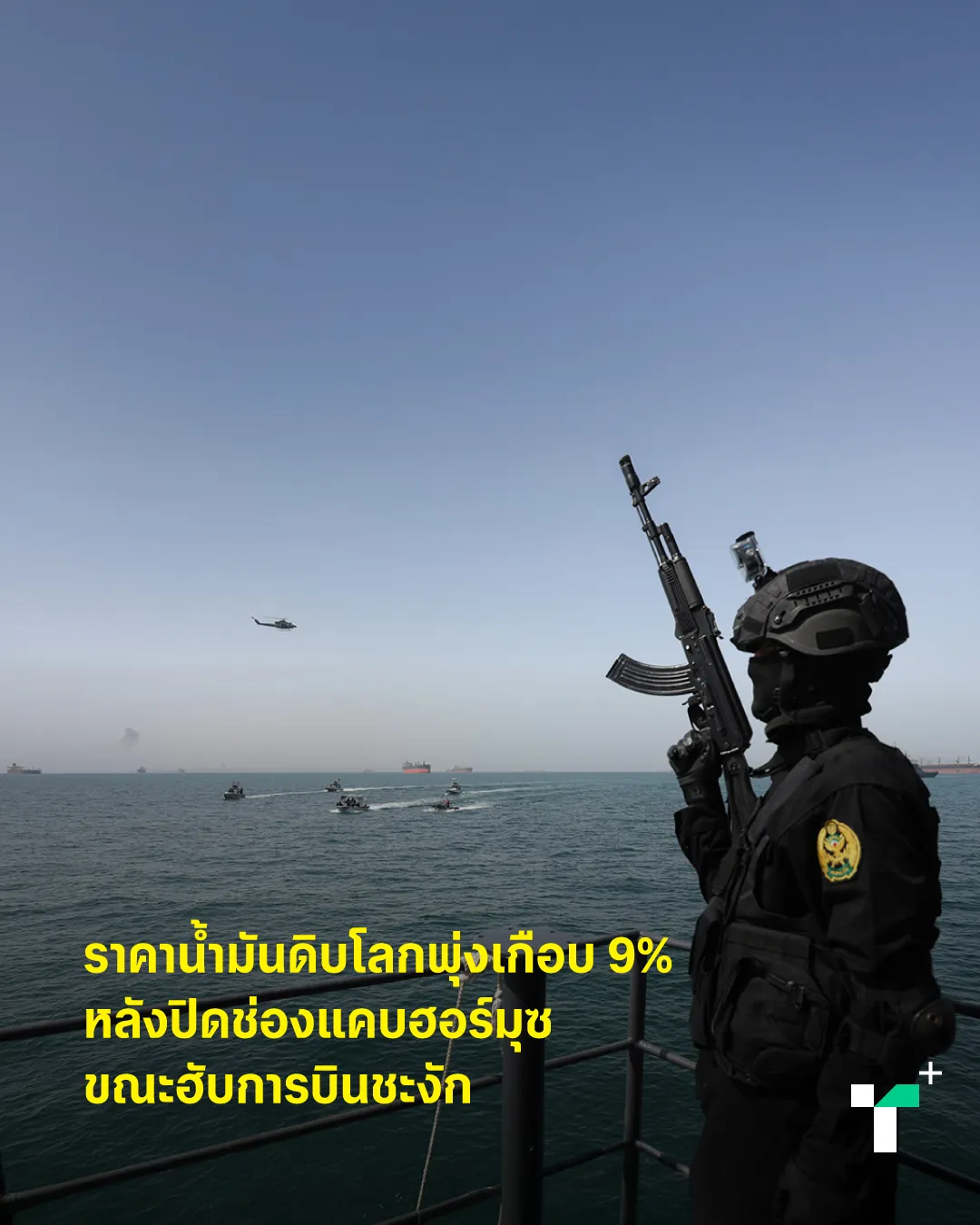
The security crisis sent shockwaves through the global economy and transportation. Airlines canceled and rerouted flights from the Middle East, a major hub for global air travel and cargo. Dubai and Abu Dhabi airports suspended flights temporarily, as did Doha airport. Meanwhile, Tasnim News Agency, closely linked to the Islamic Revolutionary Guard Corps (IRGC), reported Iran’s closure of the Strait of Hormuz, warning all vessels not to transit this crucial chokepoint that handles one-fifth of the world’s oil and gas shipments. Consequently, Brent crude prices surged nearly 9% at the Asian market open on Monday, 2 March, reaching $79.30 per barrel, while Nymex crude rose about 8.5% to $72.70 per barrel.
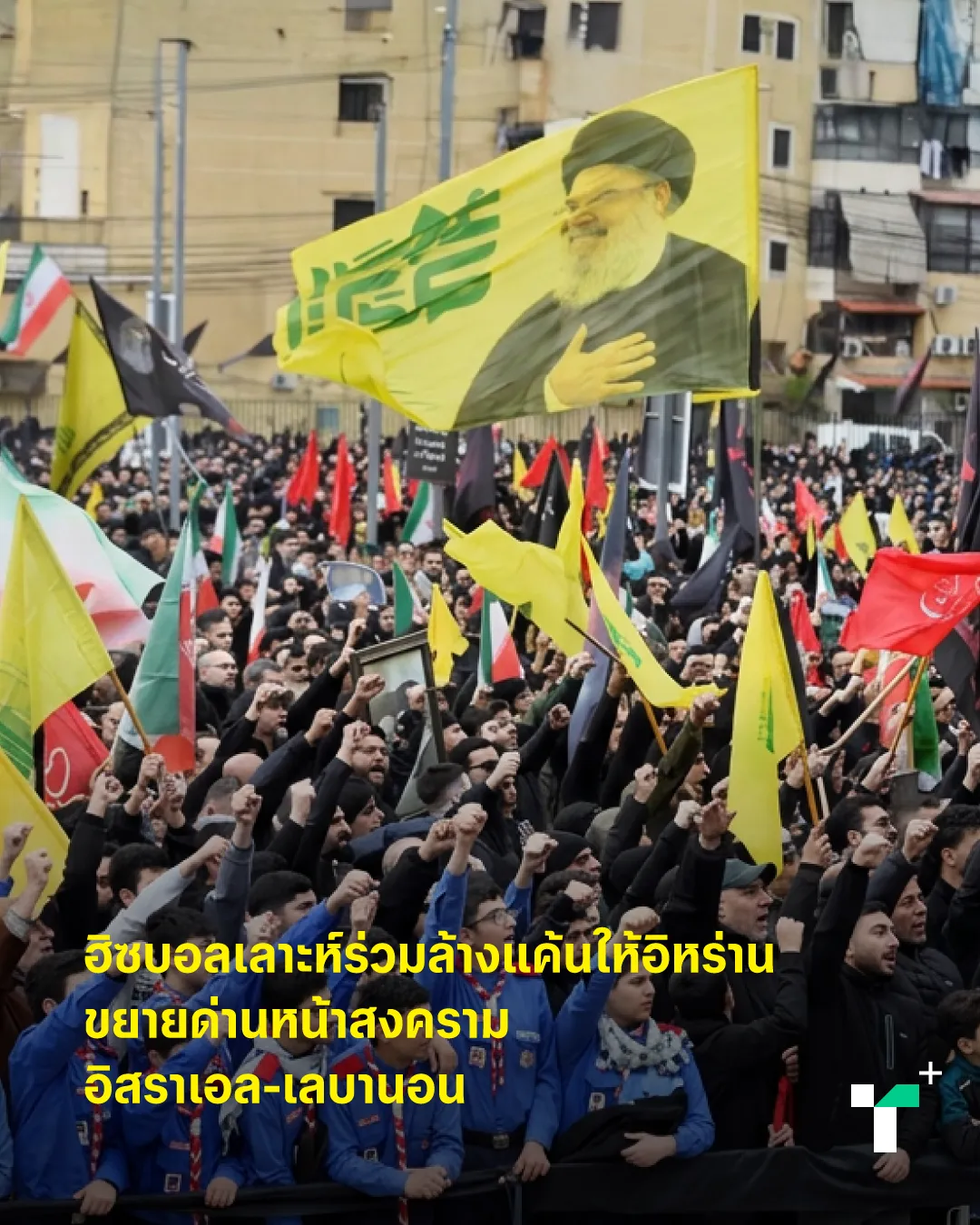
Fury over the assassination of Iran’s Supreme Leader spread to northern Israel’s battlefield. Naeem Qassem, Hezbollah’s leader in Lebanon, hailed Khamenei as a martyr and condemned the U.S. and Israel for heinous crimes, vowing thorough retaliation. Hezbollah launched missiles and drones across the border into open areas of Israel, prompting the IDF to initiate a counteroffensive with heavy airstrikes targeting Hezbollah positions in the southern suburbs of Beirut. Over 50 villages in southern Lebanon were evacuated for safety. Although Hezbollah suffered in a war 18 months prior, its deep political and financial ties to Iran make it unable to avoid the widespread regional conflict now engulfing the Middle East.
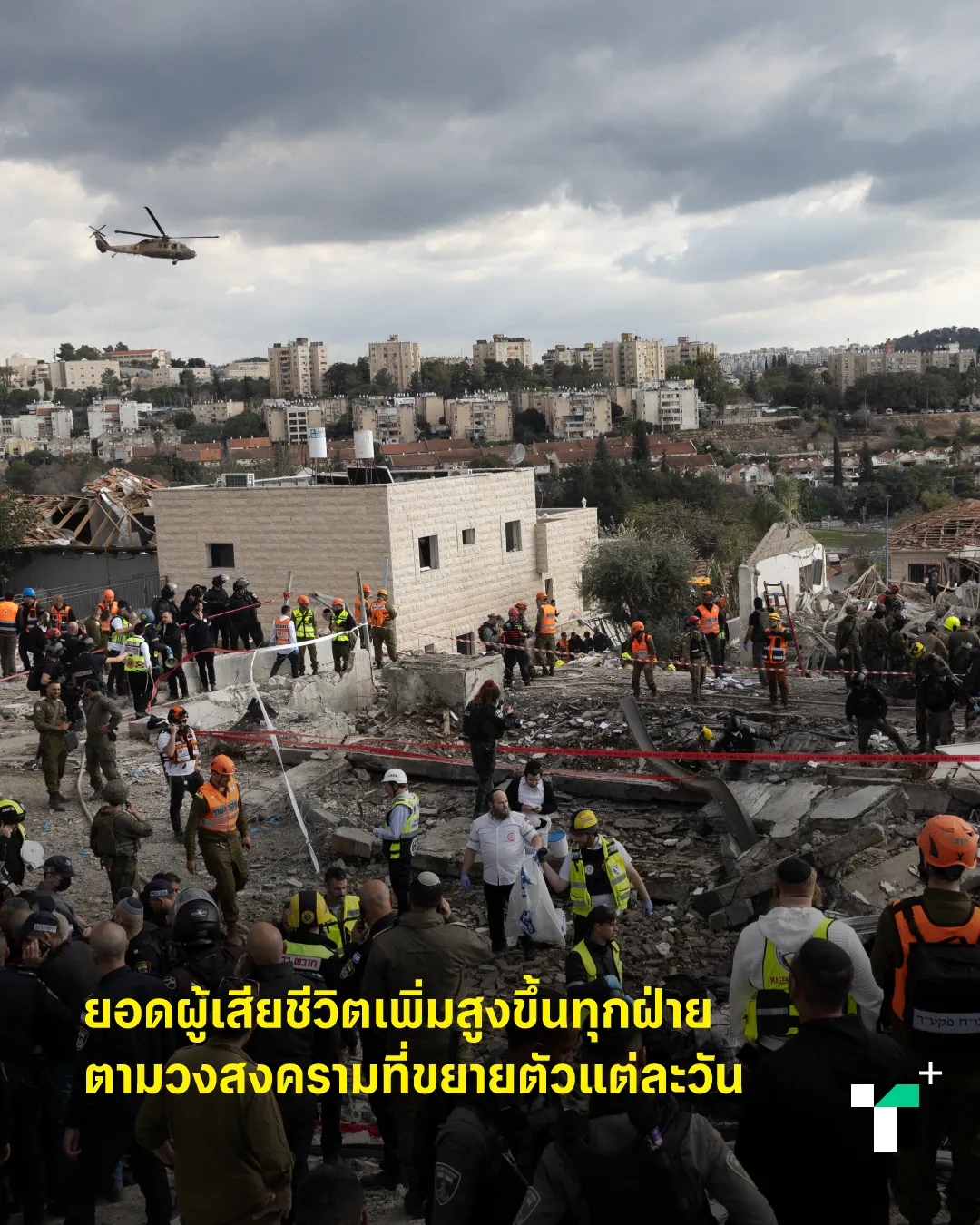
The fighting that expanded over the past 48 hours caused heavy casualties on all sides. Iran’s official IRNA news agency reported 153 deaths from Israeli bombing of an all-girls primary school in Minab, Hormozgan Province, only 600 meters from an IRGC base. The U.S. Central Command (Centcom) confirmed three American military deaths and five severe injuries—the first U.S. fatalities since operations began. President Trump vowed to punish Iran’s regime accordingly. Israel accused Iran of killing innocent civilians after missiles struck Beit Shemesh, killing nine. The UAE reported three deaths from Iranian attacks. On the Israel-Lebanon front, Lebanon’s Ministry of Health reported at least 31 deaths and 149 injuries from Israeli strikes. Jordan reported 101 incidents of falling debris and shrapnel but no casualties.
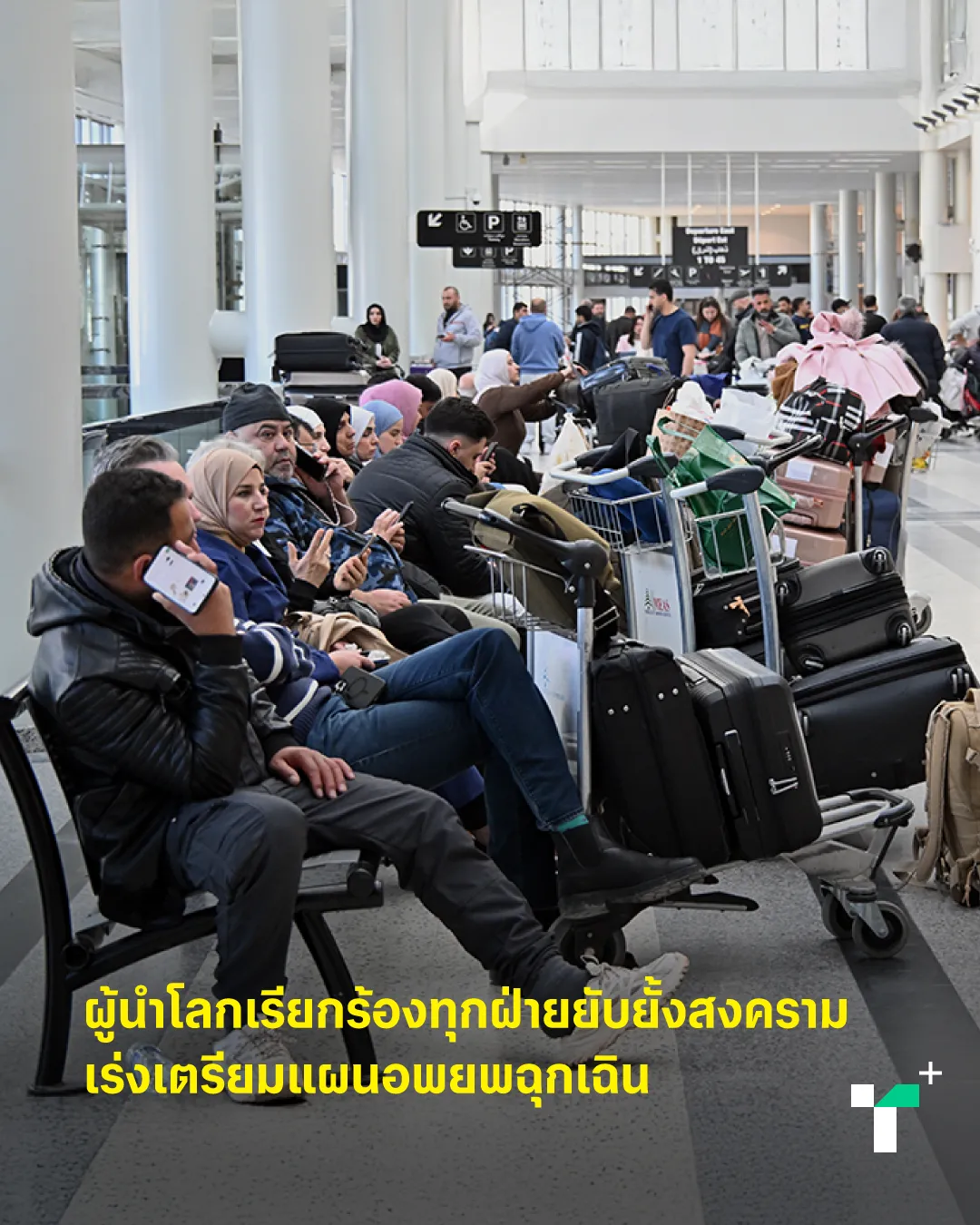
The international community has rapidly mobilized to prevent the regional war from escalating further. The European Union, United Kingdom, France, and Germany condemned Iran’s actions and urged maximum restraint from all parties. China called for an immediate ceasefire to protect civilians. Italy and Australia expressed support for the Iranian people's rights. Conversely, Russian President Vladimir Putin expressed regret and condemned the assassination of Iran’s Supreme Leader as a repugnant violation of morality and international law. Thailand’s Prime Minister reaffirmed the country’s neutral stance, with the Ministry of Foreign Affairs calling for an end to violence and diplomatic negotiations. Thailand is coordinating with embassies, airlines, and neighboring countries to expedite evacuation plans for Thai citizens in the region. Similarly, the UK and several other countries have begun emergency registration systems to evacuate their nationals across multiple countries in the area.
#ThairathPlus #Thairath #Israel #Iran #MiddleEast #War #InternationalNews #OilPrices #Hezbollah