

There is a street meme in Tehran showing rows of American franchises such as Applebee’s, Dave & Buster’s, Pizza Hut, In-N-Out, and Whole Foods Market, captioned simply “Iran next year,” which has gone viral online amid Middle Eastern conflicts.
This image is not merely a joke; it satirizes the U.S. government's ultimate goal of regime change in Iran, raising the question of whether the current war might lead to the collapse of the Supreme Leader's regime and open the door for Western capitalism to flood in once again.
Looking back to the 1979 Islamic Revolution and prolonged sanctions, especially in April 1995, when President Bill Clinton signed Executive Orders 12957 and 12959, which completely banned trade and investment between the U.S. and Iran, resulting in American brands being frozen out and disappearing from Persian soil.
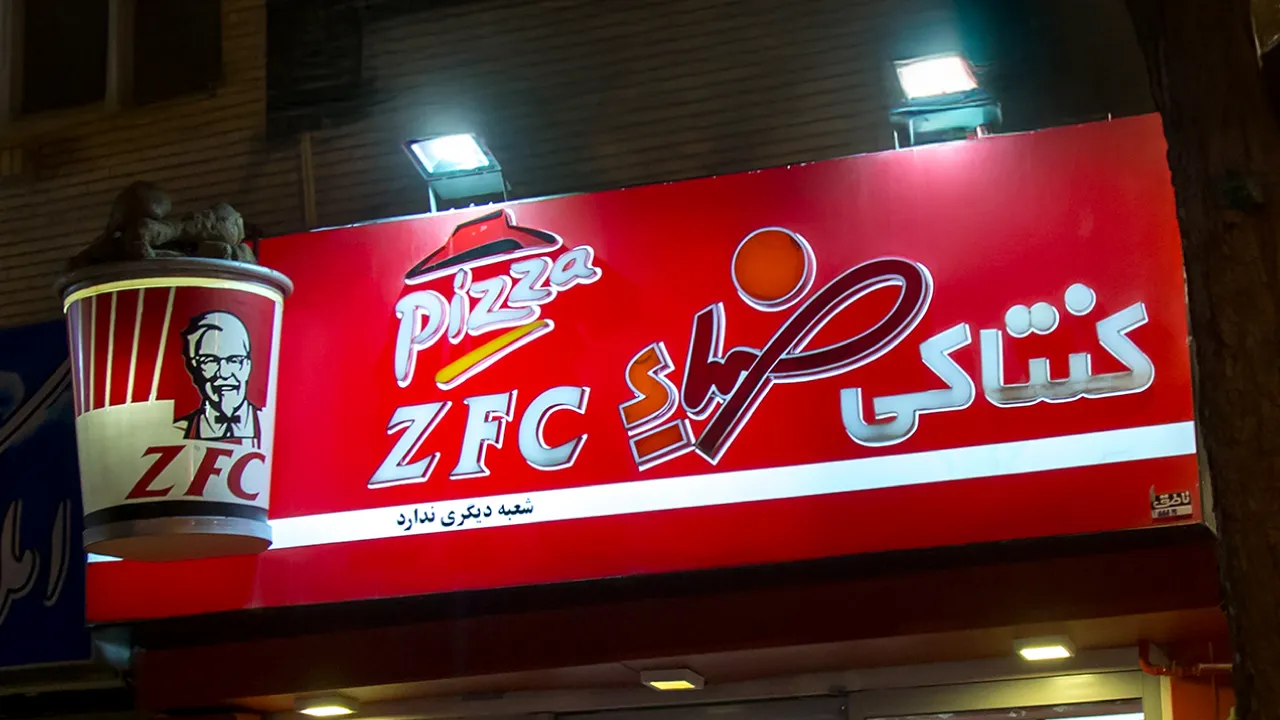
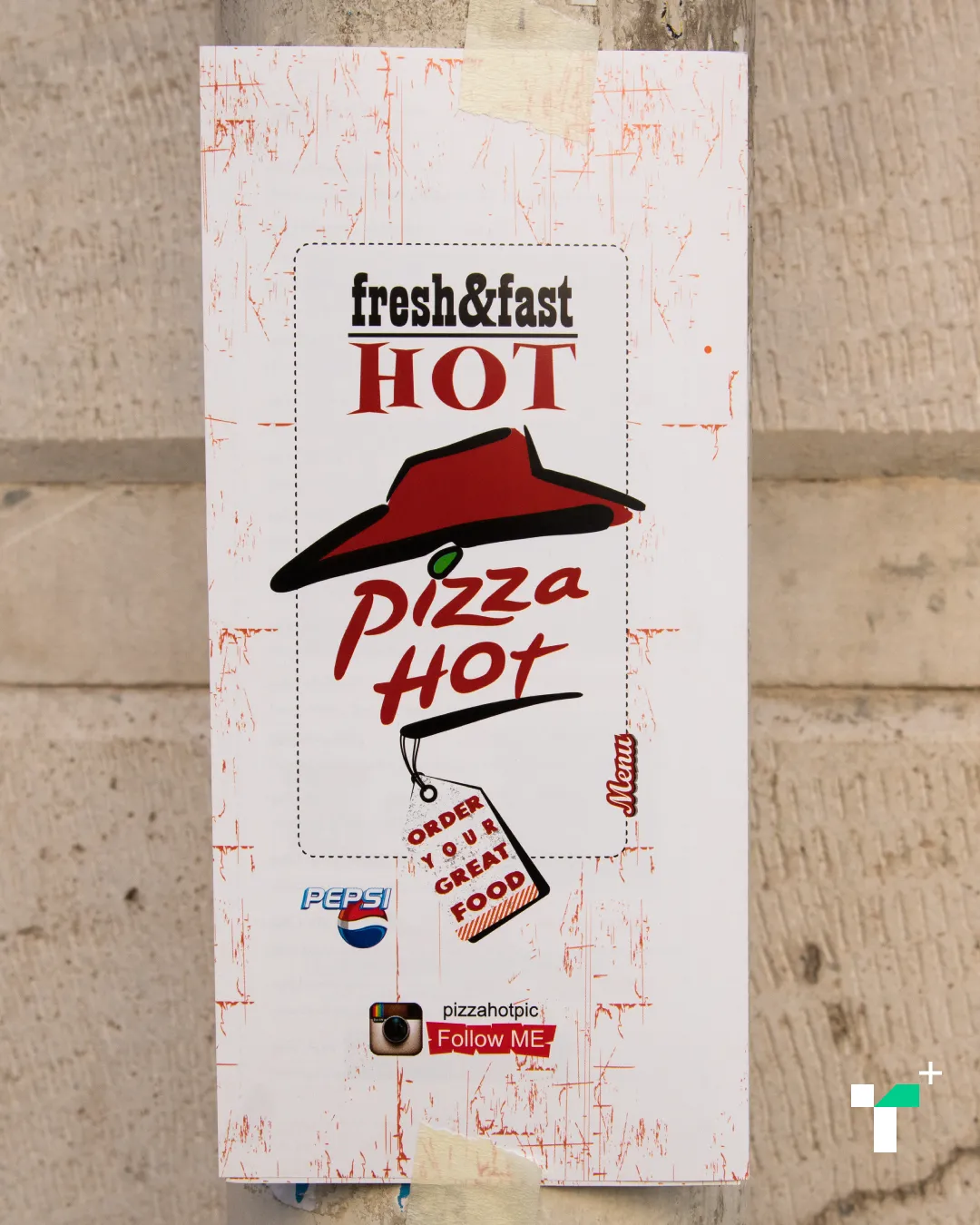
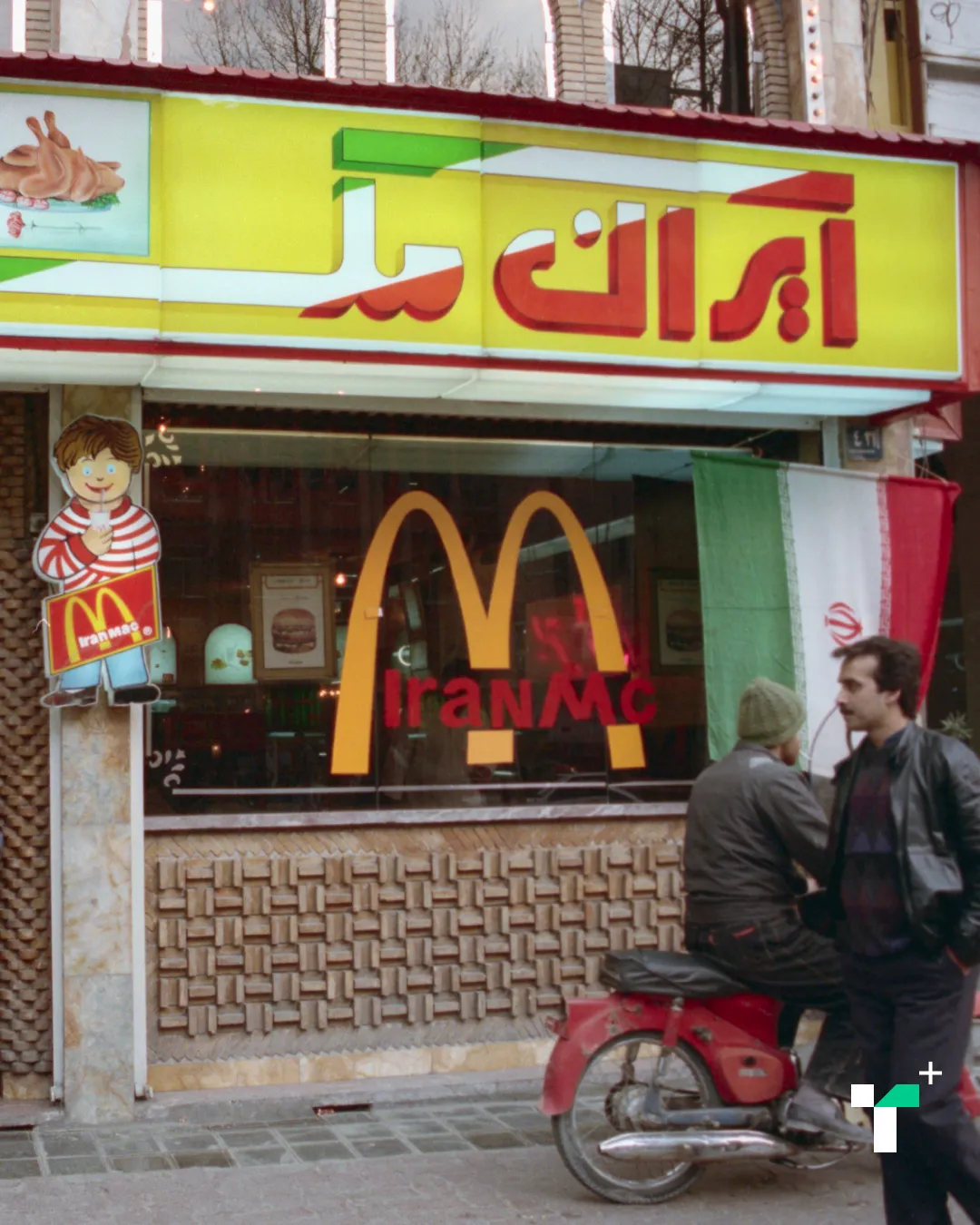
Although the law banned American products, it could not stop people's cravings. Some citizens still yearned for American flavors and lifestyles. Clever entrepreneurs exploited legal loopholes and gray areas, creating bootleg chains like Mash Donald's replacing McDonald's and Pizza Hot impersonating Pizza Hut, since international copyright laws are hardly enforceable in Iran.
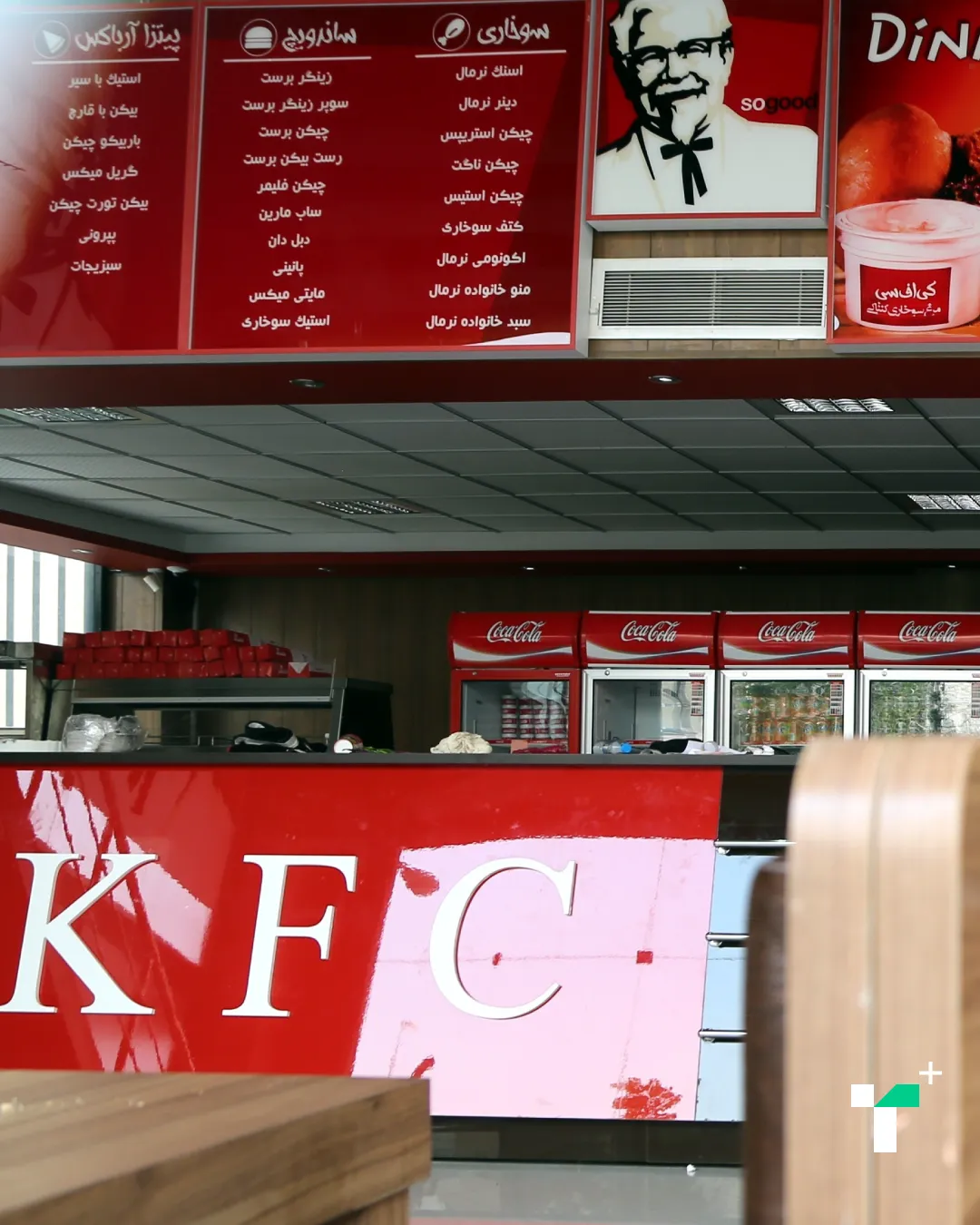
The most ironic case was “Halal KFC” in 2015, which opened for just one day before being shut down. Police claimed the shop used a fake license, but manager Abbas Pazouki insisted, “This is a misunderstanding. We are Halal KFC from Turkey, a Muslim brand, actually a competitor to American KFC.”
Even Ali Fazeli, then president of the Iranian Chamber of Commerce, confirmed no approval was given to Western brands and that all actions complied with the Supreme Leader's orders. This story was picked up by international media, reflecting Iranian conservatives' caution toward the influence of American fried chicken.
Thus, the fast food conflict is not just about copyright but a cultural war, as hamburgers and fried chicken represent “Westoxification,” which the Iranian regime views as a symbol of cultural domination. The Supreme Leader has consistently pursued policies to purge and ban American products, from cars in 2016 to businesses linked to Israel in the latest 2025 orders.
The survival instincts of imitation shops in Iran are remarkable. They redesign logos to still remind people of the original brands or label themselves as Halal as religious cover. These phenomena highlight the fact that, no matter how much the government despises America, ordinary people remain captivated by food culture that knows no borders.
Returning to the present, military operations by Israel and the U.S. have shaken Tehran's government. The loss of several high-ranking officials has left Iran's regime stability fragile.
While analysts believe an immediate collapse is unlikely because Iran has a systematic succession mechanism for the Supreme Leader, deep-rooted geopolitical fissures and decades-long sanctions cutting off businesses and industries continue to freeze trade between Iran and the West, allowing only some humanitarian goods to slip through.
Ultimately, whether next year Iranians finally taste genuine McDonald's or continue queuing for Mash Donald's, the story of these imitation fast food outlets shows that culture and livelihood cannot be fully controlled. Every bite is not just flavor but a taste of the freedom they choose.
ReferencesIBTimes,Atlantic Council,BBC
#ThairathPlus #Thairath #Israel #Iran #MiddleEast #War #InternationalNews