

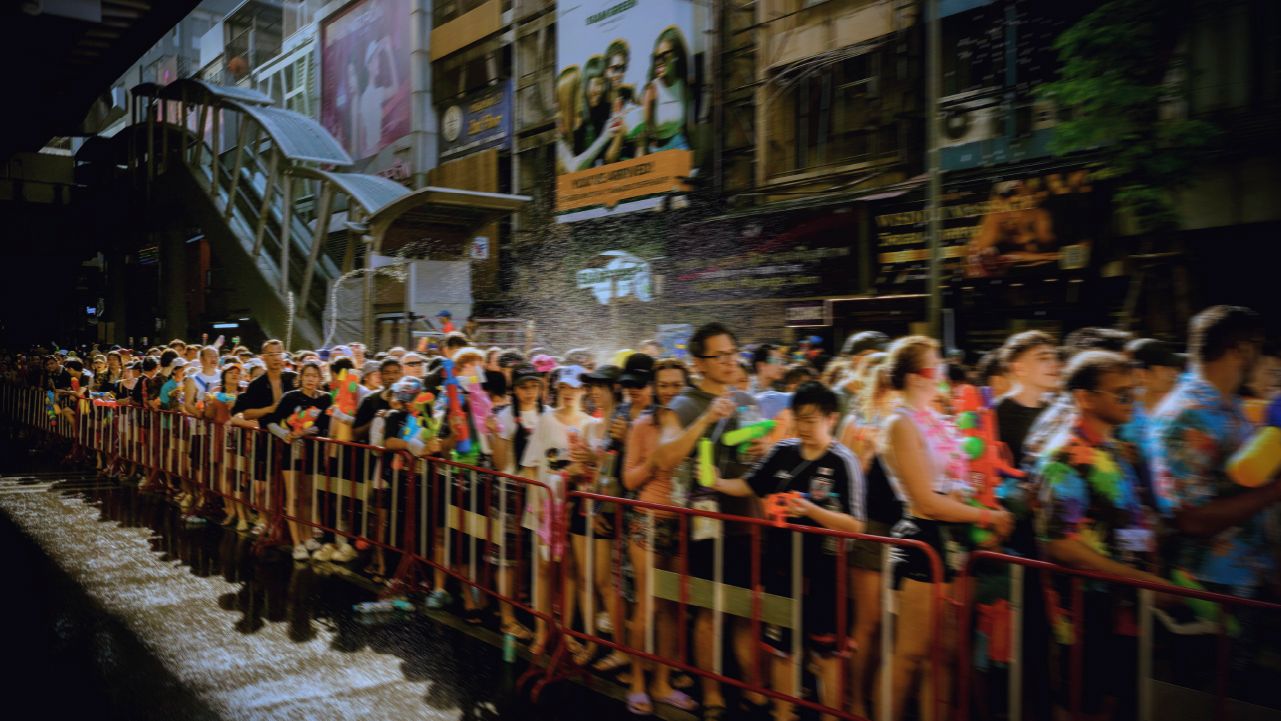
Foreign media have dubbed Thailand the "World Water Festival," the capital of global water festivals, and it was ranked as the world's number one destination in April 2026 by Big 7 Travel, a leading UK-based online travel media outlet.
Moreover, the government estimated that throughout the 2026 Songkran festival, at least 6.5 million participants—both Thai and foreign—took part nationwide, generating an economic turnover of no less than 30 billion baht. This success was credited to the entire Thai population acting as gracious hosts welcoming tourists from around the world.
With this year's success established, many wish to build on these positive impressions for the following year. Social media has seen demands and suggestions on how to sustain Songkran's global standing without overlooking the recurring problems each year.
Thairath Plus invites readers to learn from the other side of the experience hidden amid the festivities, reflecting on the major challenges still needing urgent resolution before truly becoming an international festival.
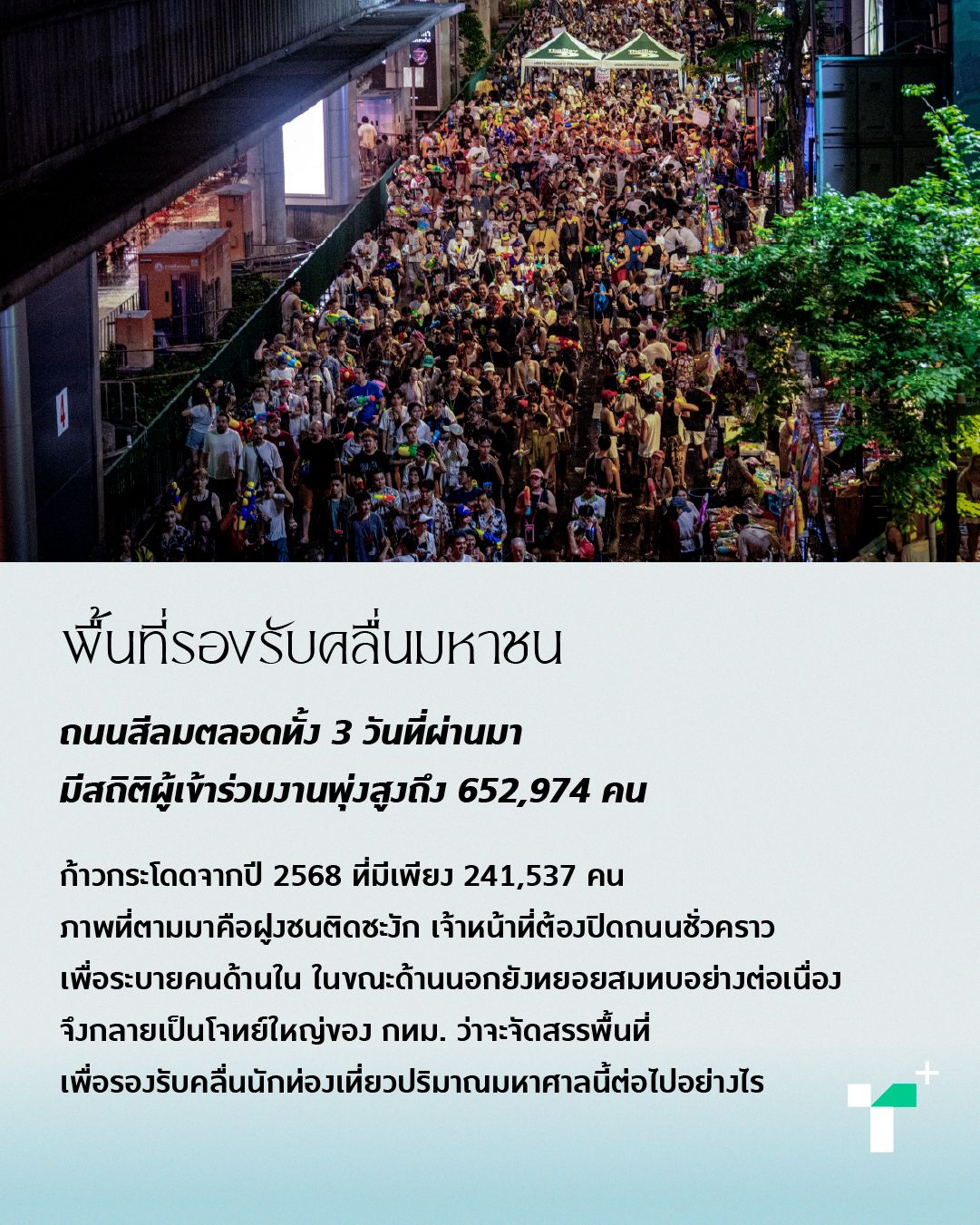
One major challenge with peak popularity is overcrowding at event sites. A clear example occurred on Silom Road, where over three days the attendance soared to 652,974 people—a sharp rise from the 241,537 total over three days in 2025.
This led to crowd congestion blocking movement out of the BTS Skytrain exit, forcing authorities to temporarily close the road for safety and to ease internal crowding, while more people continued arriving outside.
This sparked debate on social media about whether the water play area around Silom should be expanded, while others expressed concern over impacts on residents and businesses in buildings with only one entrance or exit.
Thus, it remains a key challenge for Bangkok in the coming years to allocate space effectively to accommodate this huge influx of tourists.
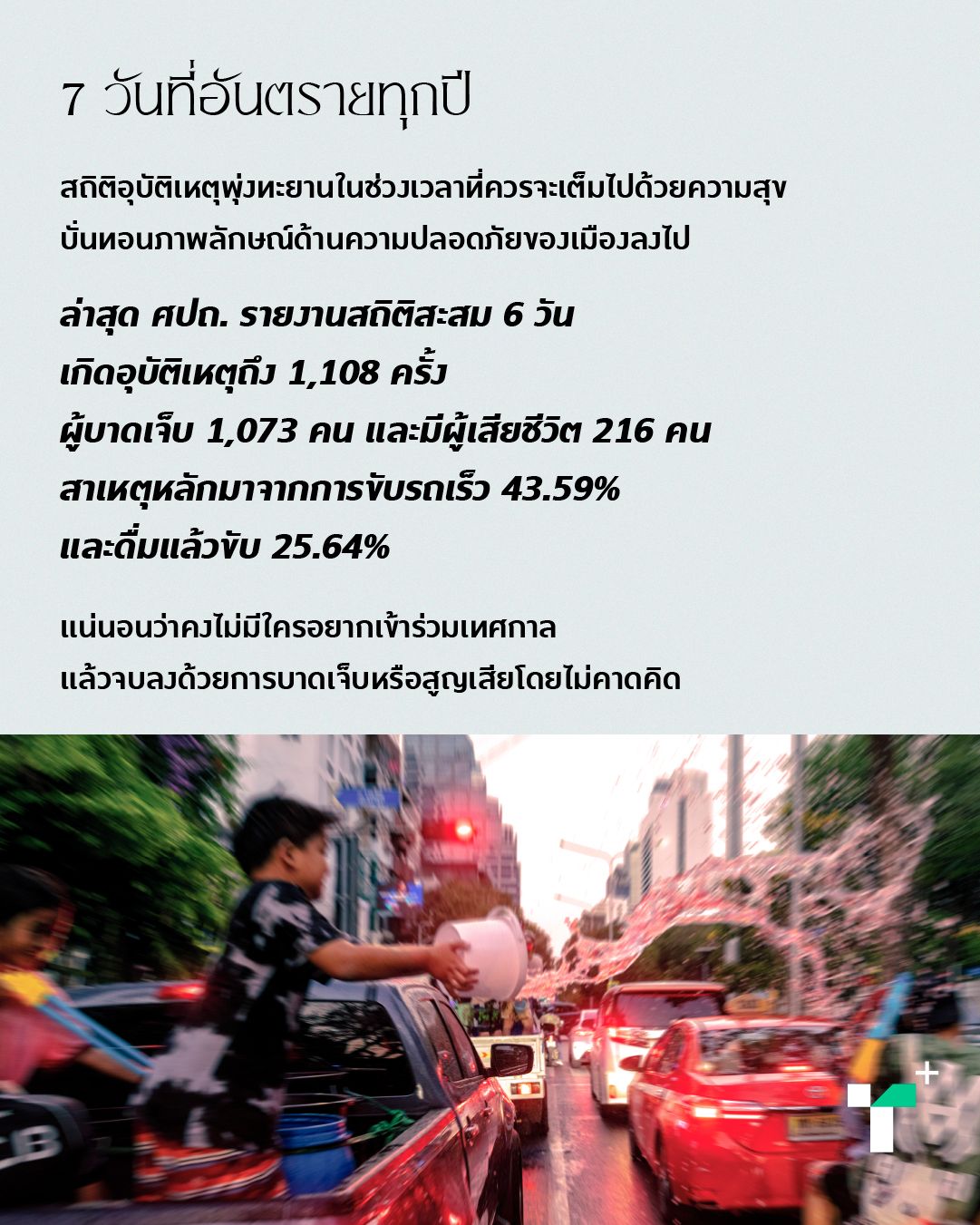
Another issue frequently raised by foreign media is the "Seven Dangerous Days": the spike in accidents during what should be a joyful festival. The celebratory image is often overshadowed by loss, damaging the city’s safety reputation.
Recently, the Road Safety Center for Songkran 2026 (RSC) reported that over six campaign days (10–15 April 2026), there were 1,108 accidents, 1,073 injuries, and 216 deaths. The highest casualties were among people aged 20 to 29.
The main causes were speeding at 43.59% and drunk driving at 25.64%, with motorcycles involved in 67.84% of accidents.
Certainly, neither Thai nor foreign participants want to end a fun festival with unexpected injury or loss.
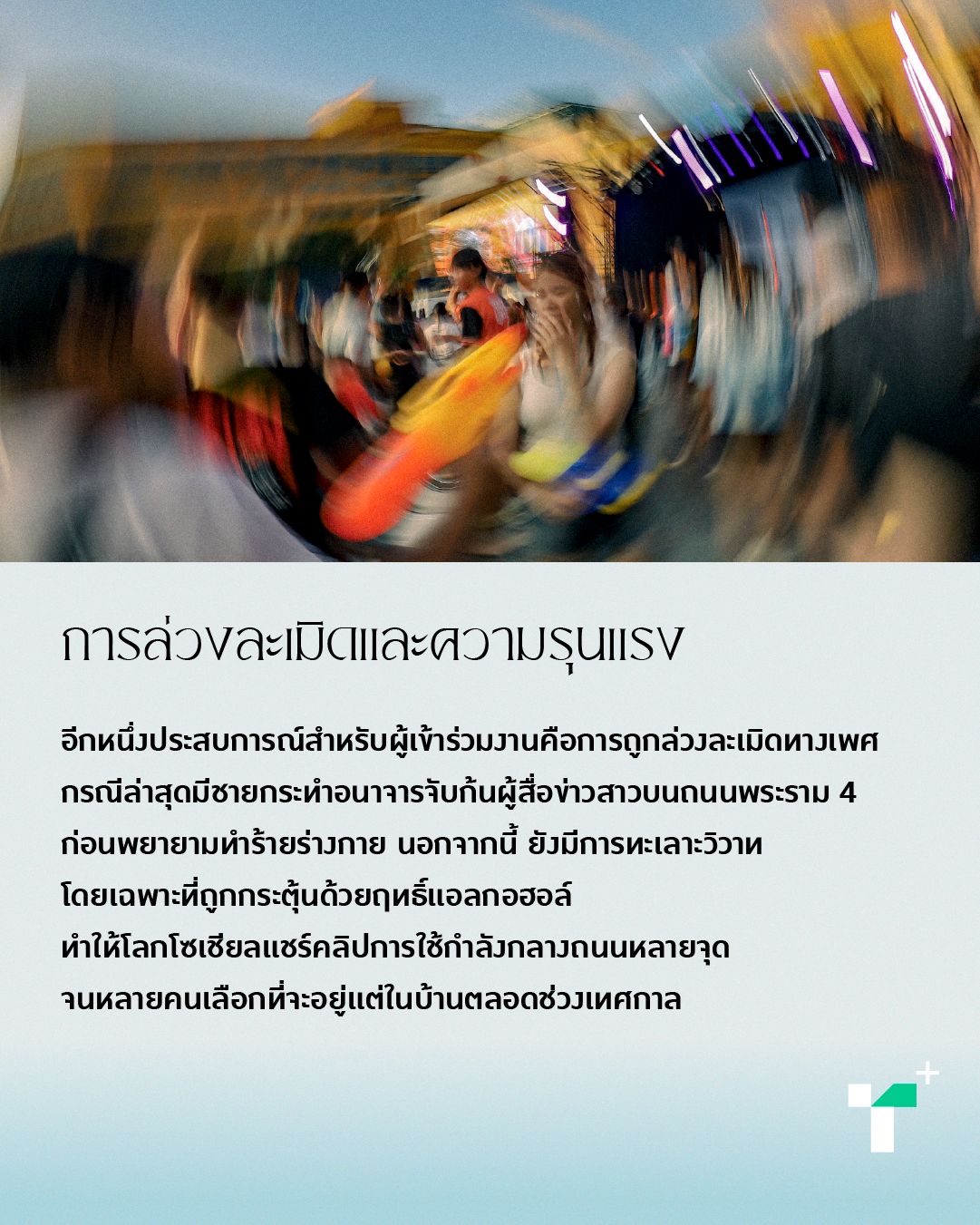
Another issue faced by attendees is sexual harassment and violence on the streets, which accompany the festival period in Thailand.
The latest case occurred on 13 April 2026, when Pathumwan police arrested a man who indecently groped a female reporter covering news on Rama 4 Road. The suspect also attempted physical assault upon seeing her press ID. The court ordered his detention at Bangkok Remand Prison as he could not post bail.
Additionally, brawls, often fueled by alcohol, were recorded at multiple street locations and shared widely on social media, leading many to choose to stay home during the festival.
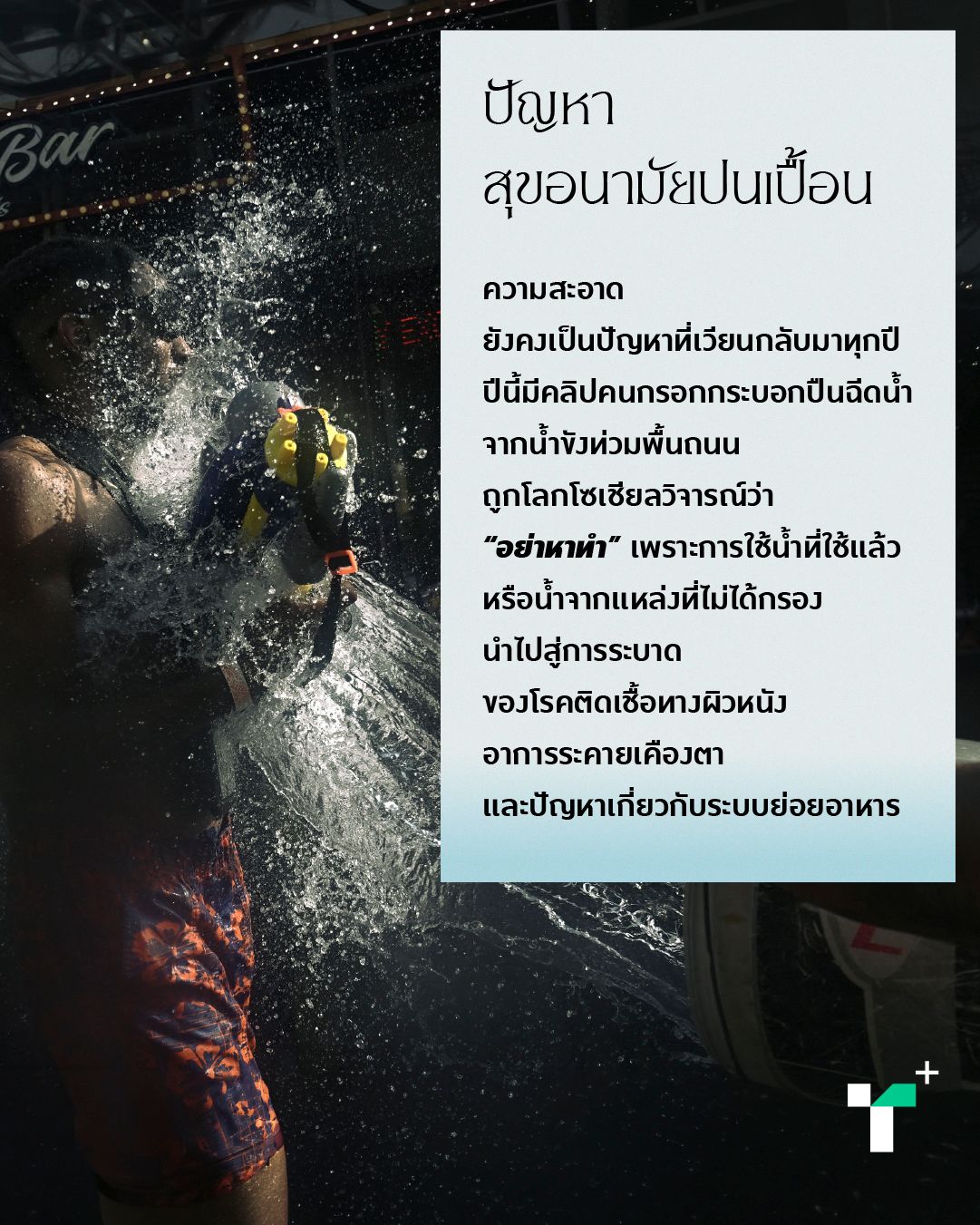
Cleanliness remains a recurring problem annually. This year, a viral video showed someone refilling a water gun from street floodwater, drawing social media criticism saying, "Don't try this."
Using unfiltered or reused water has led to outbreaks of skin infections, eye irritation, and digestive issues.
These risks increase with hot weather conducive to bacterial growth, combined with dense crowds and large amounts of trash, causing many tourists to end the festival hospitalized.
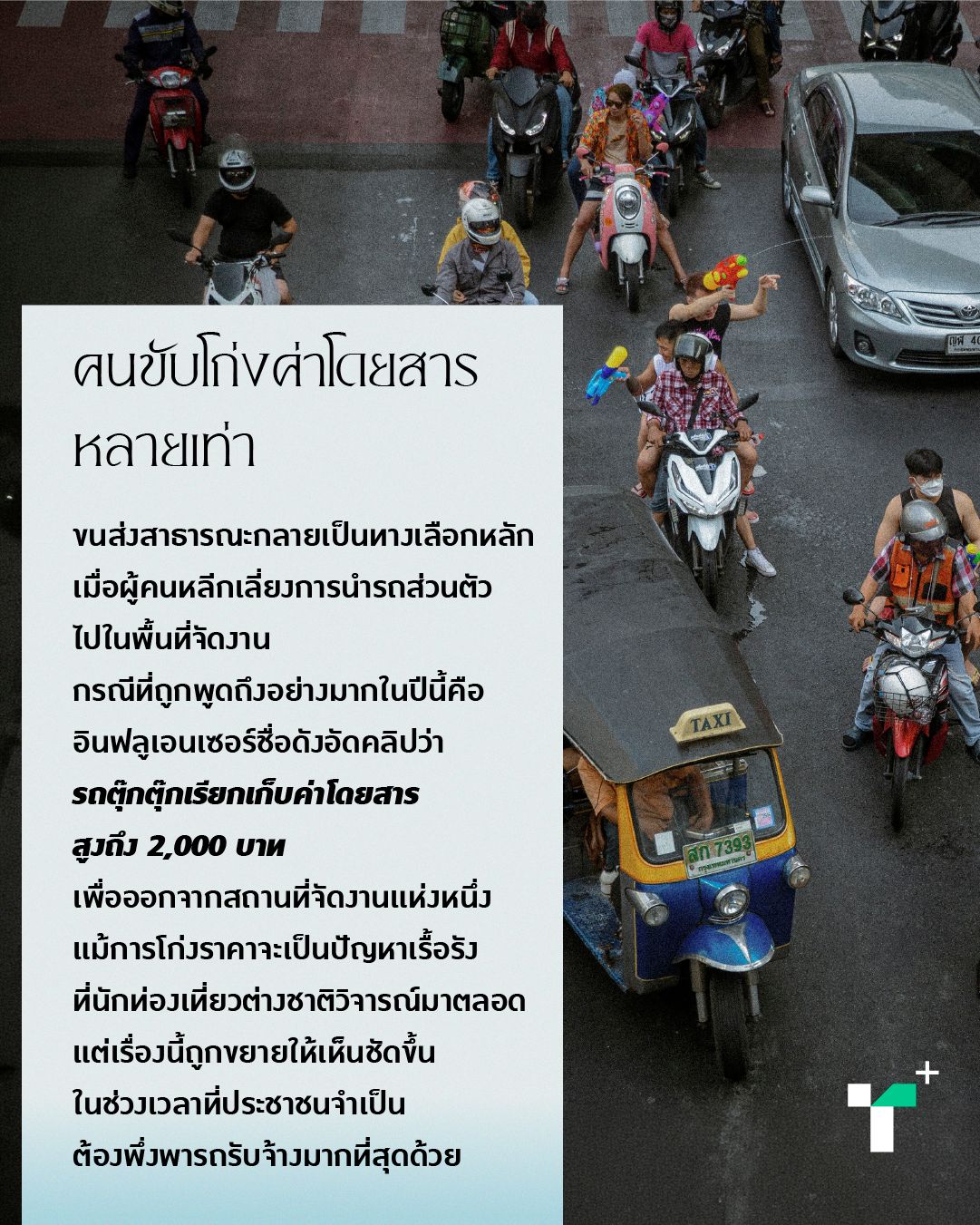
As people avoid driving personal vehicles in event areas, public transport becomes the main option, but many face unfair overcharging.
A widely discussed case this year involved a famous influencer posting a video where a tuk-tuk driver charged 2,000 baht to travel just 700 meters from a festival site.
Although fare gouging has long been criticized by foreign tourists, this issue became more prominent and severe during periods when the public most relies on hired transport.
These facts may sound heavy, but global feedback and criticism are not calls to cancel the festival; rather, they act as a mirror showing vulnerabilities that must be urgently addressed to sustain this joyful period.
Looking at Oktoberfest in Germany or Rio Carnival in Brazil, these world-class festivals have also gone through chaotic phases and experienced the growing pains of expansion.
Songkran 2026 has proven Thailand's charm can attract millions globally every April. Yet, acknowledging problems, enhancing safety measures, designing clear activity zones and space management, and strictly enforcing laws may be key factors to leverage existing advantages.
This will help ensure that future Songkran festivals are not just the world's largest water parties but truly beautiful, safe World Water Festivals embracing global diversity with international standards.
#ThairathPlus #Thairath #Songkran #WorldWaterFestival #Songkran2026 #7DangerousDays