

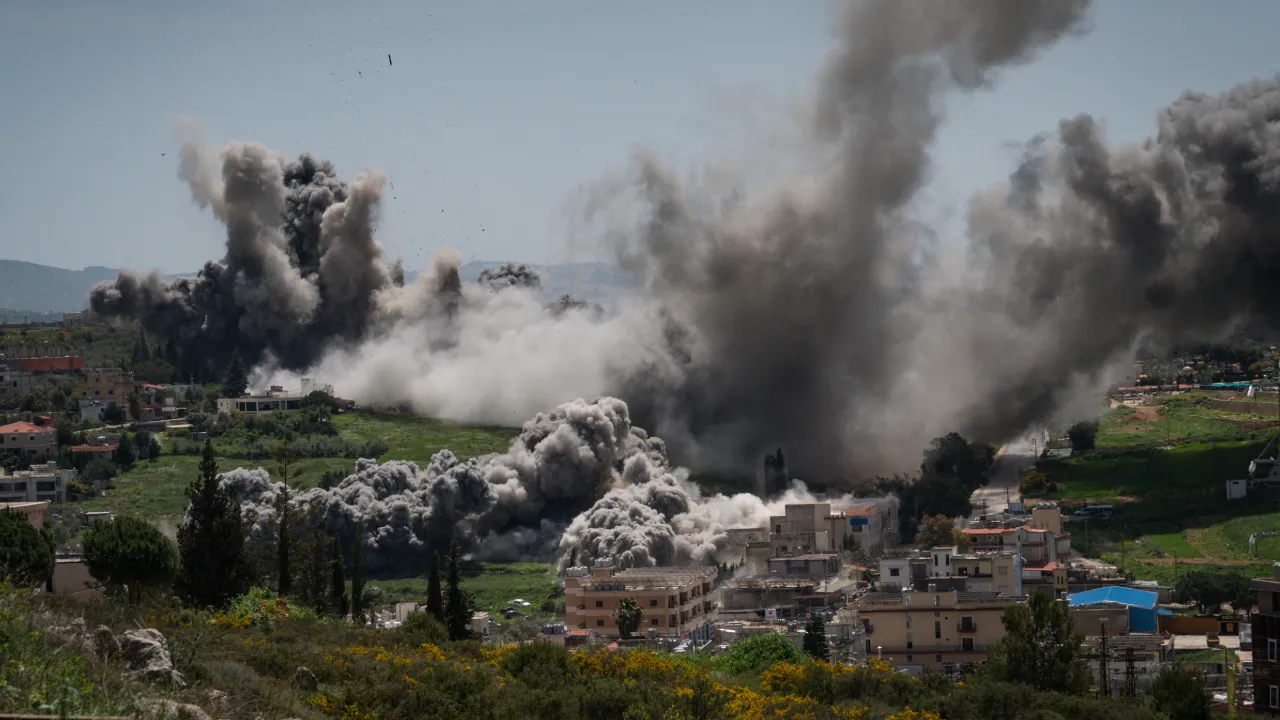
This week, the United States announced the success of negotiations for a 10-day ceasefire between Israel and Lebanon, amid a heated controversy in which Italy’s Prime Minister, an ally of President Trump, stepped in to defend the Pope after heavy US criticism of the pontiff’s foreign policy.
Russia launched the most intense drone attacks on Ukraine this year following the end of the Easter ceasefire period, prompting Ukrainian President Zelensky to call on Western countries to maintain strict sanctions against Russia.
Japan announced support exceeding 10 billion US dollars to assist Asian nations in purchasing and stockpiling oil, aiming to protect regional supply chains from disruption caused by the global energy crisis.
The Turkish government intensified efforts to crack down on youths on social media who posted imitative behaviors following a tragedy where a 14-year-old boy carried out a school shooting, marking the second violent incident of this kind within a week.
Hungary’s opposition party achieved a landslide victory, ending 16 years of right-wing government rule, shifting its stance to support Ukraine and preparing to restore relations with the European Union.
Hindus in Bangladesh continued an ancient tradition during the Lal Kach Festival by covering themselves in bright red body paint and dancing through the streets to dispel evil and welcome prosperity for the Bengali New Year.
Conservation efforts in Africa have seen a major breakthrough after park officials discovered two pairs of mountain gorilla twins within just three months—a rare natural phenomenon.
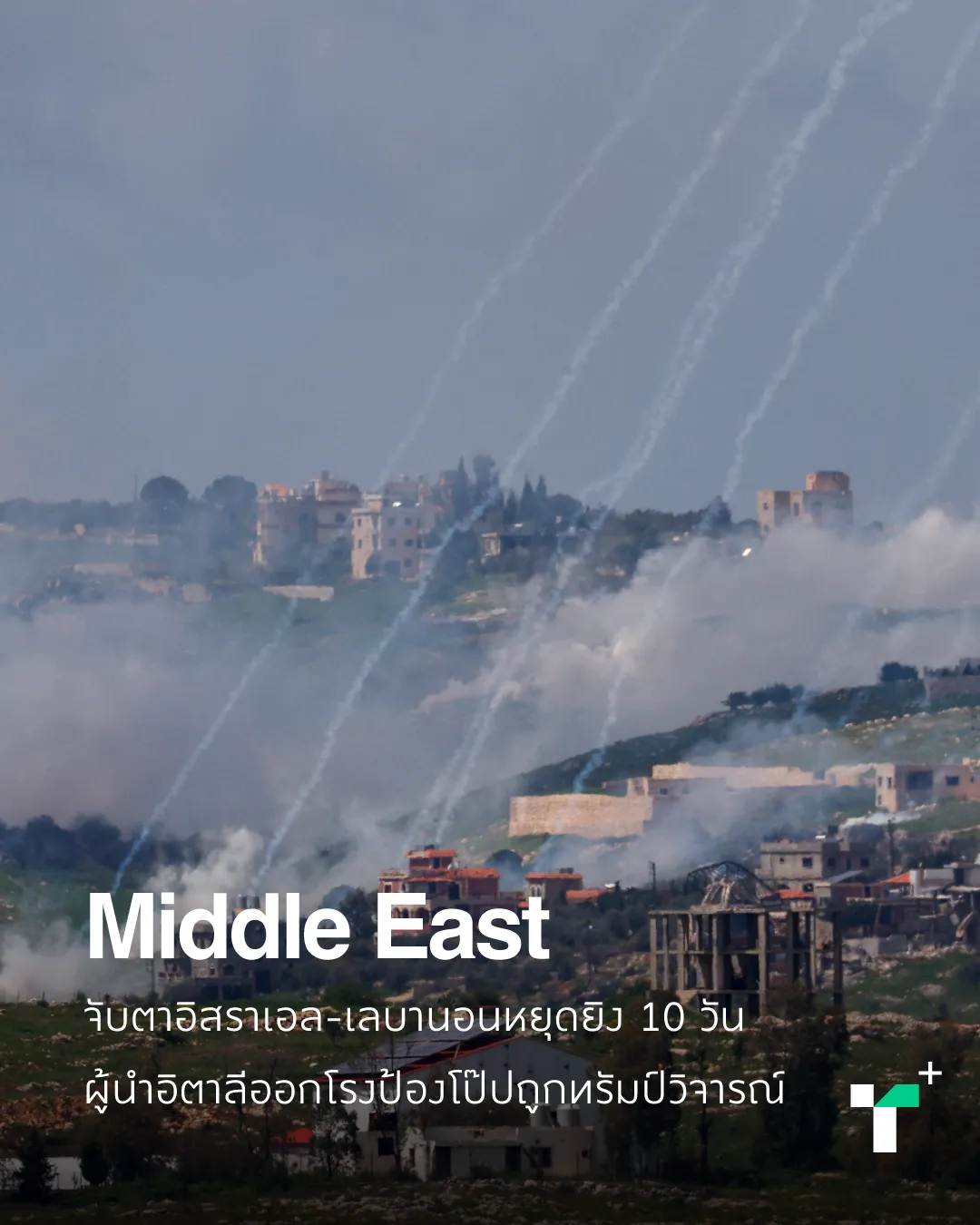
US President Donald Trump announced that Israel and Lebanon have agreed to a 10-day ceasefire, claiming to have spoken directly with both leaders. Lebanon’s Prime Minister welcomed the agreement, hoping displaced citizens can return home. Meanwhile, Hezbollah demanded that Israel halt movements and withdraw forces from the area. Trump also criticized Pope Leo XIV, head of the Catholic Church and Vatican City, accusing him of weakness on crime and poor foreign policy, after the Pope condemned Trump’s threats against Iran. In response, Italy’s Prime Minister, an ally of Trump, condemned the US leader’s remarks as unacceptable.
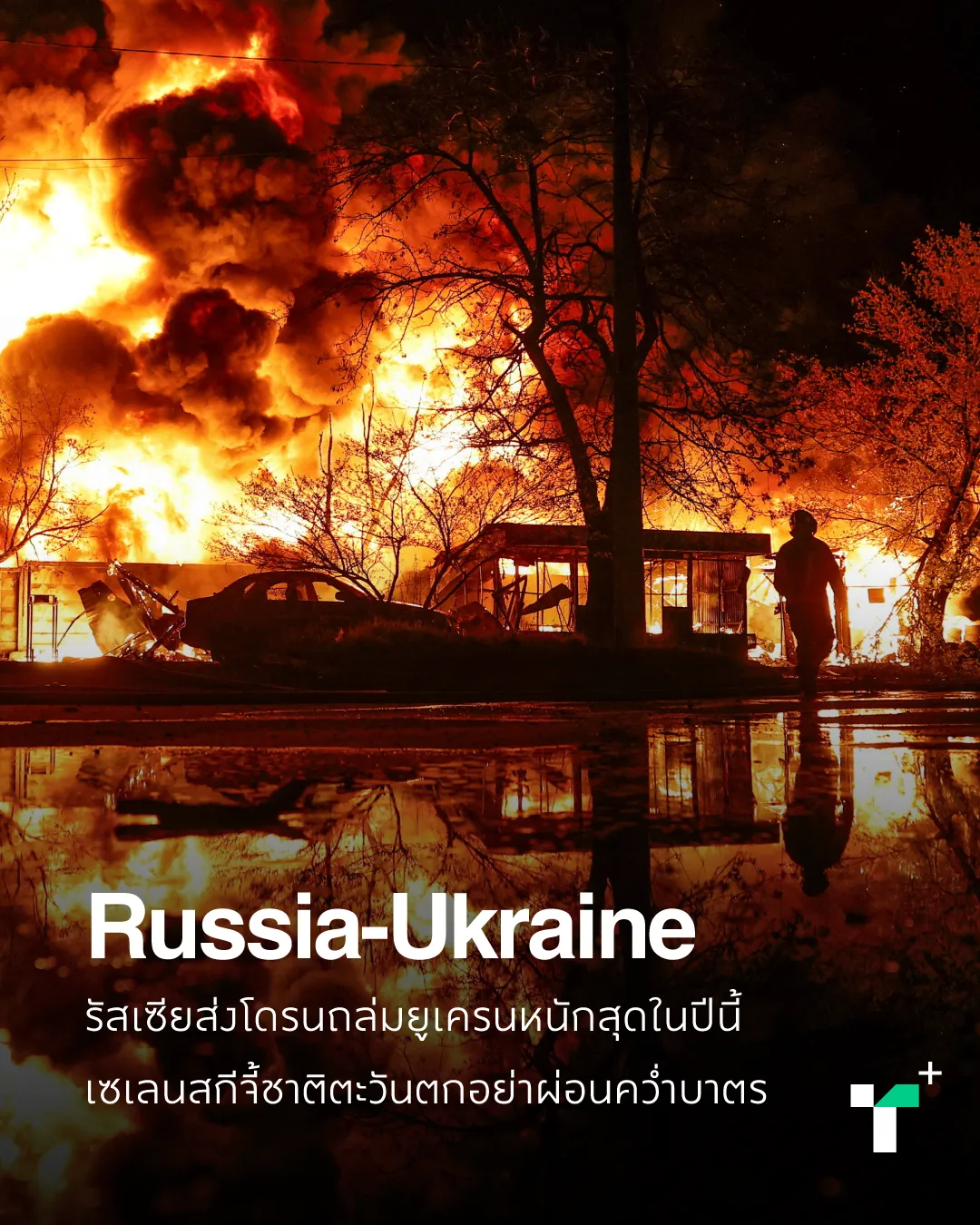
Immediately after the end of the 32-hour Easter ceasefire, Russia’s military launched the most severe attacks of the year, firing nearly 700 drones and missiles at Kyiv, Odessa, and Dnipro. The strikes killed 17 Ukrainian civilians and injured over 100, targeting weapons factories and energy infrastructure. The civilian casualties led Ukrainian President Volodymyr Zelensky to call on Europe to maintain strict sanctions against Russia. The European Commission supported this stance, while Ukraine’s military retaliated by drone-bombing a Russian oil depot in Crimea. This underscores that peace negotiations remain unclear, amid US attention shifting towards the Middle Eastern conflict.
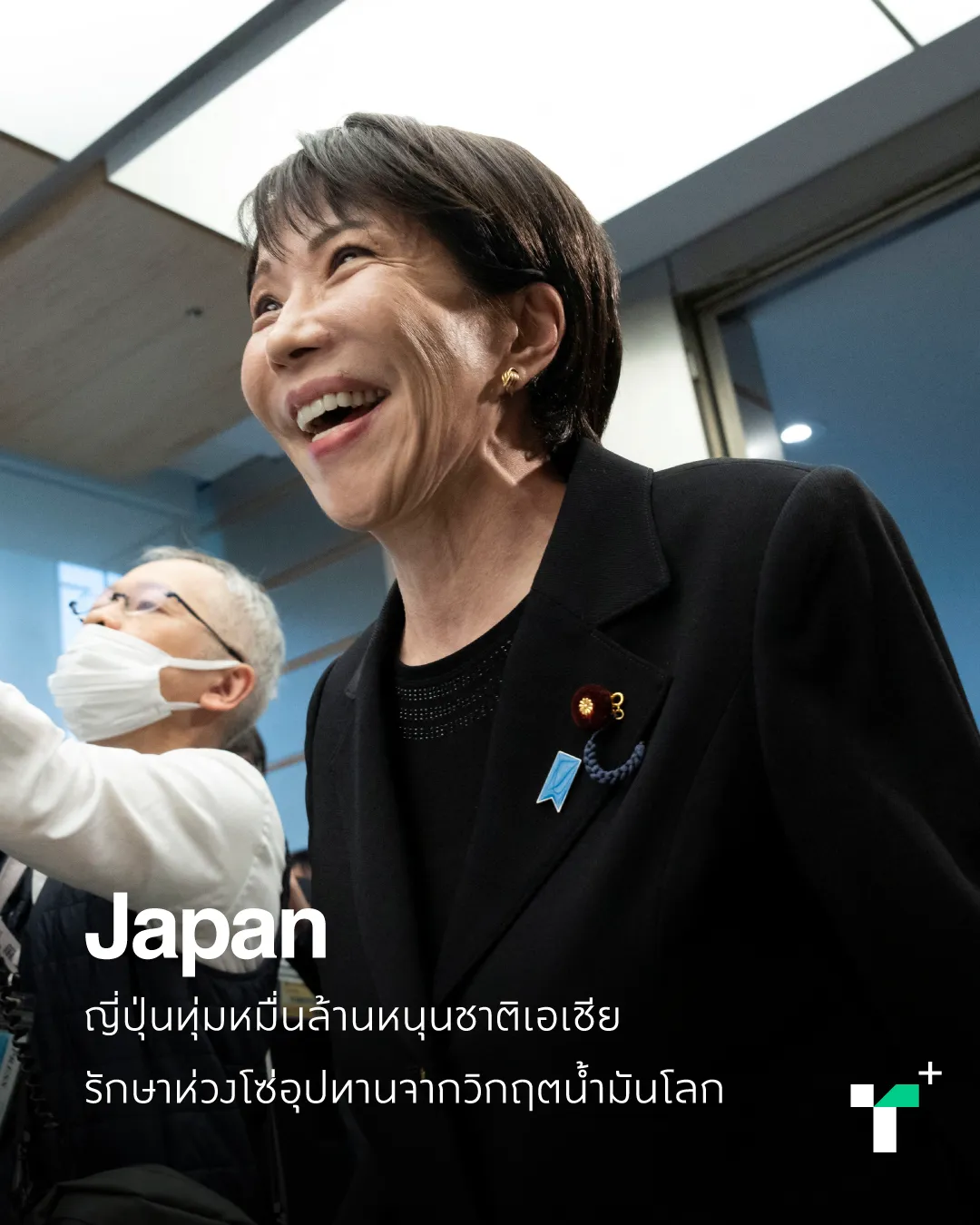
Japanese Prime Minister Sanae Takaichi announced support exceeding 10 billion US dollars (approximately 320 billion baht) to assist Asian countries, especially ASEAN members, in purchasing crude oil and expanding oil reserves. This follows Middle East conflicts that have sharply driven up oil prices, severely affecting Asian countries without large reserves. Japan recognizes that disruptions in Asia’s supply chains will inevitably impact imports of petroleum products and essential goods in the future.
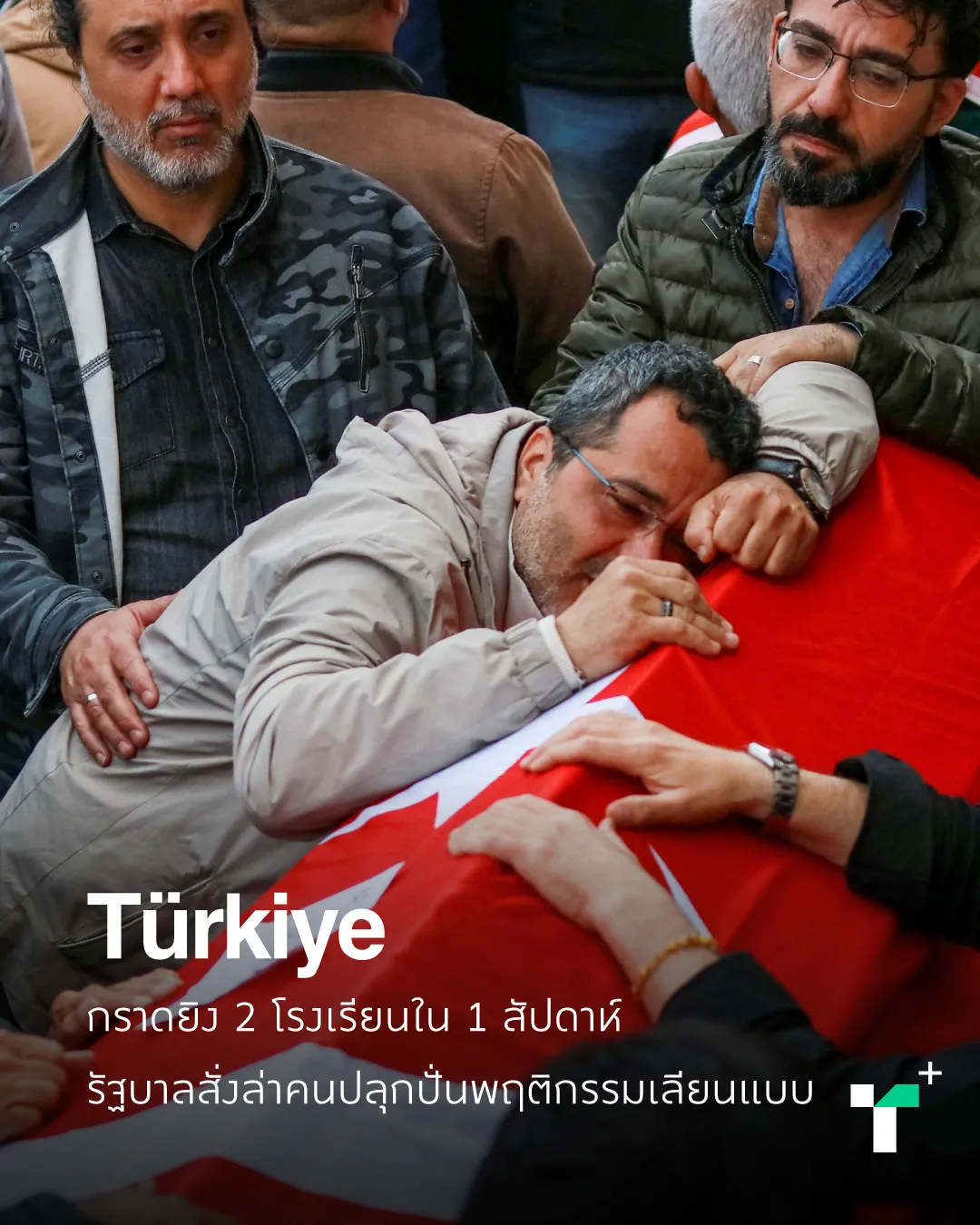
A tragic incident occurred in Turkey when a 14-year-old boy carried out a school shooting in Kahramanmaraş, killing nine students and one math teacher before taking his own life. Police believe the shooter stole a gun from his father, a former police officer. This marked the second school shooting within about two days, following an earlier attack in Şanlıurfa that injured 16 people. The government convened an emergency meeting to enhance school security nationwide. Meanwhile, the Ministry of Justice reported arresting over 67 youths on social media who posted threats or imitated such violent behavior, targeting 54 other schools at risk.
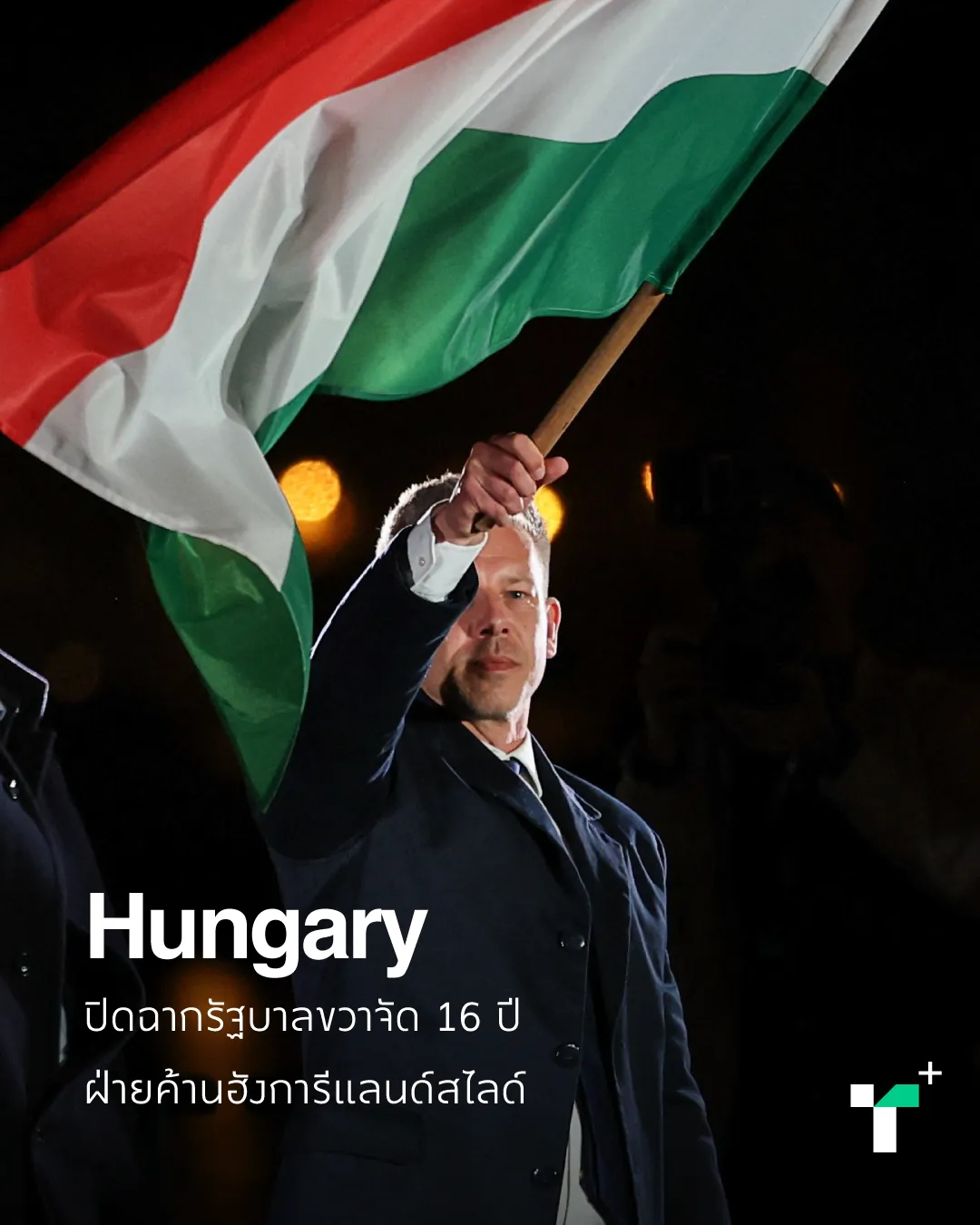
Right-wing Prime Minister Viktor Orbán, who ruled Hungary for 16 years, conceded defeat in the general election after the Tisza party, led by Péter Magyar, won a landslide victory with 138 out of 199 parliamentary seats. Upon winning, Magyar declared a stance completely opposite to the previous government, especially regarding the Ukraine war, describing Ukraine as a victim with legitimate rights to defend its territory. This signals a positive development for Kyiv as Hungary begins to open doors to negotiations. Similarly, the European Union, which had strained relations with the previous government, promptly signaled willingness to restore ties with Hungary once Magyar officially assumes office in May.

Amid global tensions, Bangladesh witnessed a beautiful display of hope and faith during the Lal Kach Festival held in a village in Munshiganj. Marking the Bengali New Year, young men cover their bodies in bright red paint made from turmeric and white lime, transforming into warriors of Shiva. They raise swords to the sky and dance through the streets to the beat of drums. This centuries-old ritual is more than entertainment; it embodies the belief that the dancers’ movements dispel evil and misfortune of the past year, welcoming hope and prosperity for the year ahead.
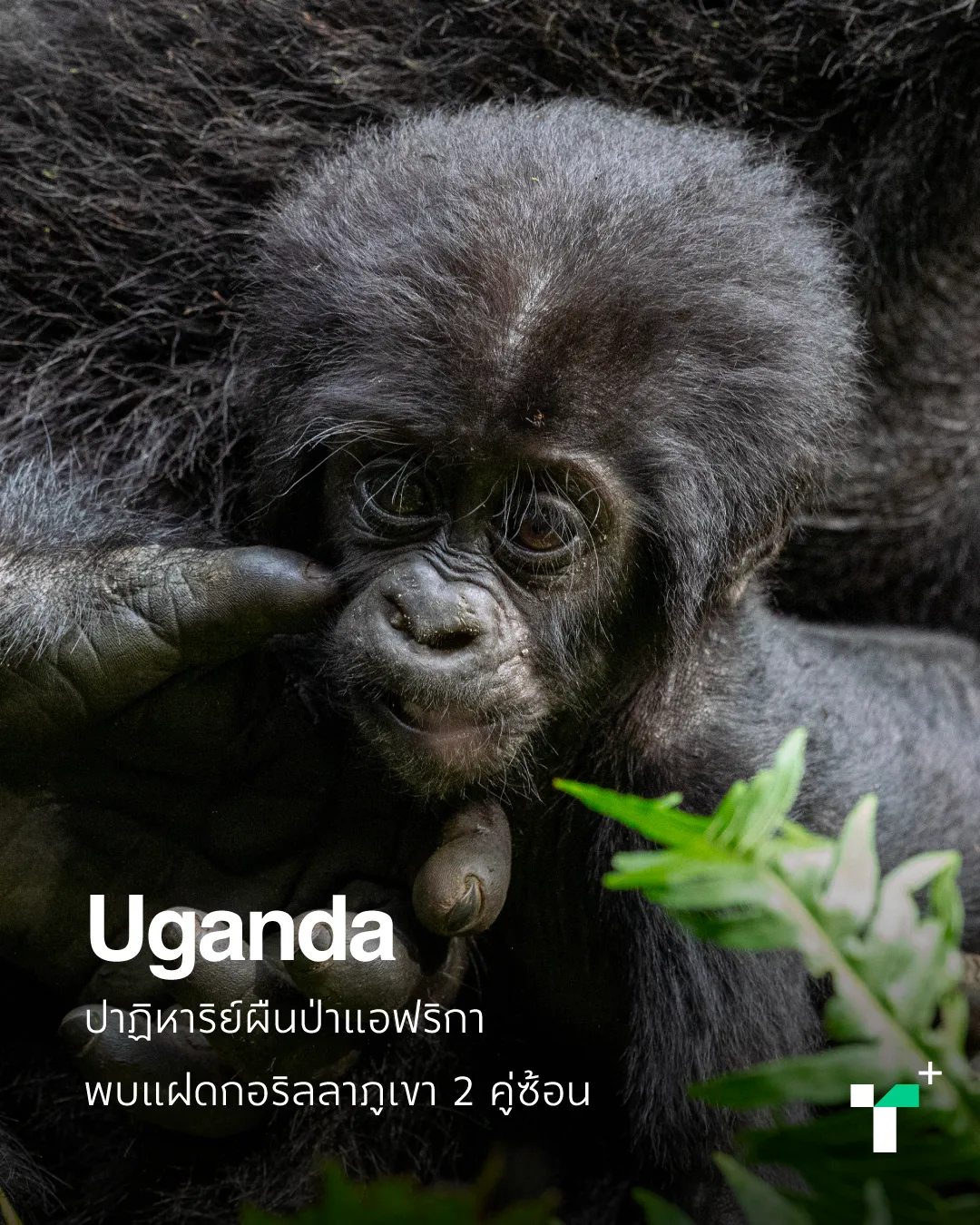
Rangers in Virunga National Park, which borders Uganda, Rwanda, and the Democratic Republic of Congo, discovered two pairs of mountain gorilla twins within just three months. This extraordinary event is nearly impossible, given that the chance of twin births is less than 1%. Despite dangers from armed groups and poachers, and a population decline to only 250 in the 1980s, the mountain gorilla population has now surpassed a thousand. This reflects the success of conservation efforts by veterinarians and rangers.
#ThairathPlus #ThairathPlus #GlobalEventsThisWeek