

The escalating tension between the United States and Iran that flared up in early 2026, although not yet escalating into full-scale war directly affecting oil production, serves as a clear warning signal revealing the vulnerability of the global energy market unequivocally.
It is undeniable that the Middle East is a crucial hub for pumping crude oil and natural gas which sustain the world, especially the existence of the Strait of Hormuz, a strategic shipping lane through which more than 20 percent of global maritime oil trade passes.
If an unexpected event disrupts this route even overnight, world oil prices are poised to soar rapidly, and the countries most immediately impacted would be those heavily dependent on oil imports, such as Thailand.
Looking back at our domestic context, the hidden truth is that we still rely heavily on crude oil imports, exceeding 90 percent. Therefore, the real threat from geopolitical crises is not limited to the figure of"rising oil prices"on gas station signs but rather"supply security,"or the availability of oil for use.
If crude oil maritime transport is halted, our domestic refineries will lack feedstock and cannot continue production, meaning an economic and societal shutdown nationwide.
In the past, Thailand's key shock absorber during crises has always beenthe Fuel Oil Fund,which acts as a buffer stabilizing short-term energy prices by subsidizing diesel and liquefied petroleum gas prices to support businesses, control transport costs, and prevent inflation from surging to levels that would severely affect living costs. This mechanism helps keep domestic retail prices from fluctuating wildly with global markets and buys time for the public to adapt to situations.
However, looking deeper into the core issue, the Fuel Oil Fund is merely a 'price management' tool, not one for 'supply security.' While the fund helps lower pump prices, it cannot import crude oil if transport routes are blockaded. If a crisis prolongs causing real oil shortages, price caps become meaningless without oil to fill tanks. Worse, prolonged subsidies may burden the fund with massive debts, eventually forcing the government to allow retail prices to rise.
This limitation directs us to study lessons from developed countries like the United States, Japan, South Korea, and members of the International Energy Agency (IEA), which rely not only on price management but also on establishing
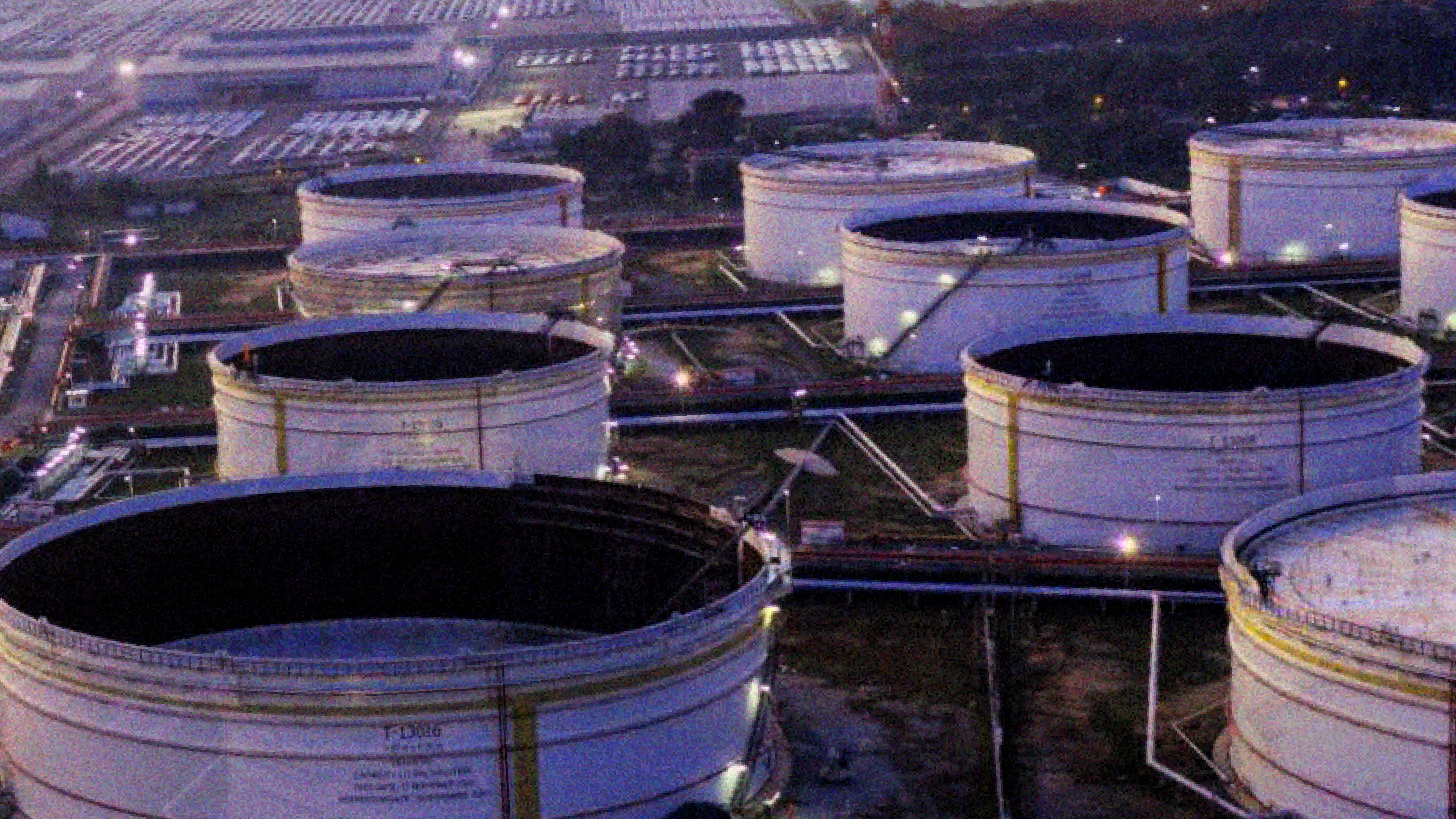
a "Strategic Petroleum Reserve" or Strategic Petroleum Reserve (SPR) as a shield to protect energy security. The SPR system involves stockpiling vast quantities of crude oil or petroleum products in state reserves, ready to be released during emergencies such as war, disasters, or supply shortages. This mechanism helps replenish supply, calm public fears, and stabilize market prices from excessive volatility.
If Thailand had its own Strategic Petroleum Reserve (SPR), our crisis response would transform dramatically. At a crisis's onset, the government could still use the Fuel Oil Fund to ease living cost burdens normally. If the situation worsens and crude imports falter, the government could unlock the SPR reserves to supply refineries, maintaining production levels and preventing domestic shortages. This would protect the economy and reduce impacts on the population concretely.
The current US-Iran tensions thus serve as a vital lesson that energy security in the 21st century demands preparedness beyond mere price control.
It may be time for Thailand to reconsider and adjust the Fuel Oil Fund's role to focus on maintaining price stability within appropriate and sustainable timeframes while seriously studying the feasibility of establishing a Strategic Petroleum Reserve (SPR). Additionally, supporting and promoting domestic bioenergy production is another key piece in reducing crude oil dependence.
Ultimately, the Fuel Oil Fund and the Strategic Petroleum Reserve (SPR) are not substitutes but complementary mechanisms that fill gaps and work together seamlessly.
The fund serves as the frontline economic relief for citizens initially, while the SPR is the security guarantee assuring continuous fuel supply.
Having both tools ready will be crucial for Thailand to navigate regional conflicts and global energy crises successfully and enhance long-term economic security.
Thanks to Mr. Weerapol Jirapraditkul, energy expert, for the information.
#ThairathPlus #Thairath #OilPrices #HighOilPrices #EnergyCrisis #ThaiEconomy #EnergySecurity #FuelOilFund #StrategicPetroleumReserve #MiddleEastWar #StraitOfHormuz