

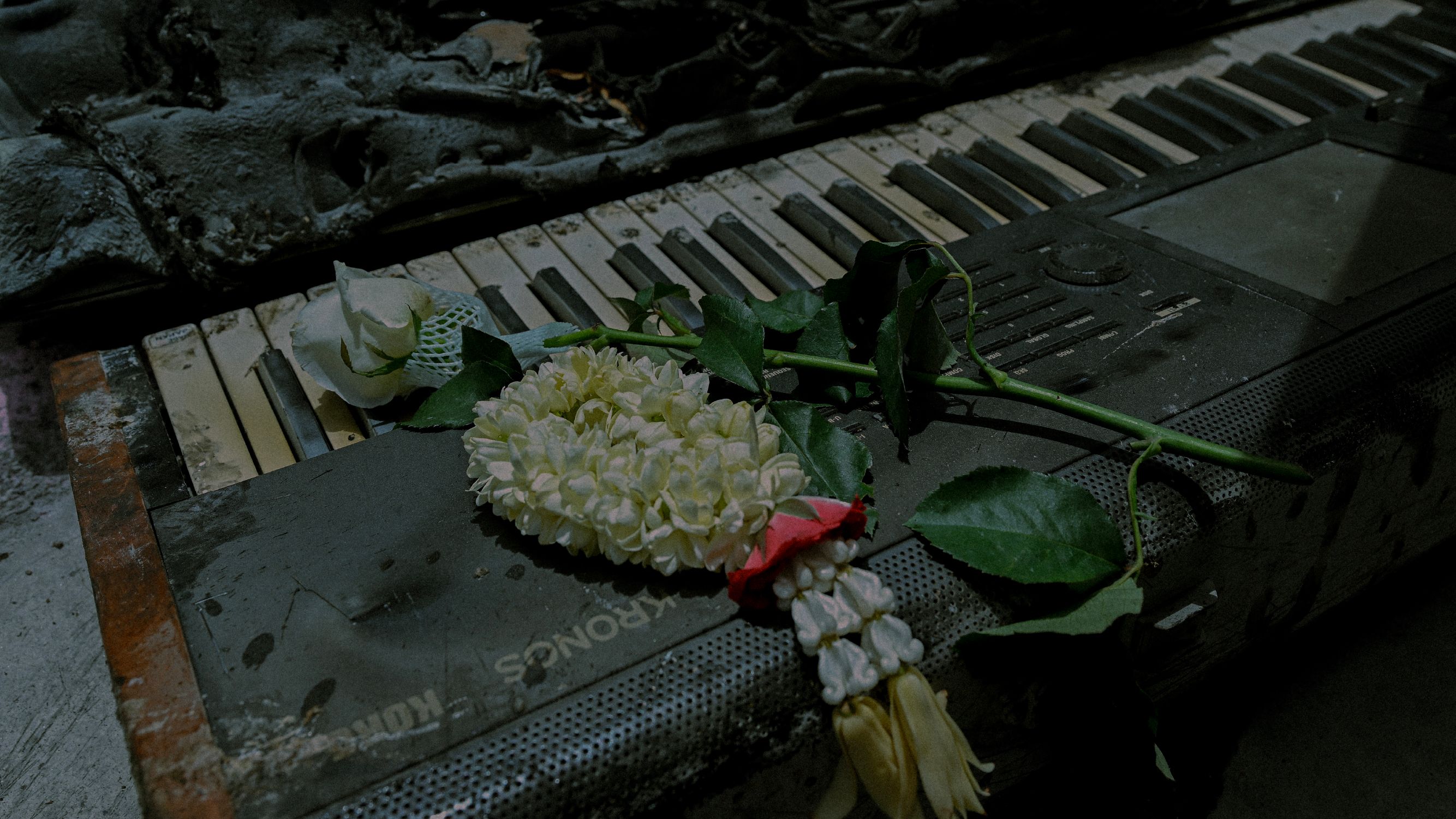
Amid the many issues surrounding the Lat Phrao brewery fire news, a key debate has arisen over compensation for the deceased, with some people opining that the state should not use public tax money to compensate those who chose to visit a disreputable venue themselves.
However, others argue that this was simply a normal outing, no different from other leisure activities or tourism. No one could have foreseen risking their life in this way; it was not due to negligence or a conscious choice to put oneself at risk or to visit a disreputable place.
Does choosing to go to pubs and bars mean that we are negligent, knowingly putting ourselves at risk, and must leave our lives and safety at the door?
If this line of thinking is followed, it suggests that some Thais are applying personal moral definitions—which differ among individuals and are not necessarily correct—to judge the value and fundamental rights of human beings, even though human life itself should be valued above moral measures rooted in Buddhist society.
‘Disreputable venues’: A prejudice that tramples on human rights.
Although Thai society often uses religious beliefs as a framework for life, labeling venues as ‘disreputable’ and assuming that visitors are negligent is inappropriate in a society that respects human rights and equality. Everyone has the right to safety protection, and those present included not only visitors but also employees, musicians, and service staff working there to earn a living and build a better future.
Moreover, categorizing people simply as good or bad, or viewing nightlife patrons as negligent and deciding whose life deserves compensation, can, according to the religious principles many hold, be seen as lacking compassion toward fellow humans.
The right to compensation is clearly stated in the 2001 Victim Compensation and Defendant Reimbursement Act, which specifies that anyone who is a victim of a criminal case and not involved in wrongdoing has the right to compensation without moral judgments or the venue’s nature being conditions for consideration.
We pay the state with ‘taxes,’ not with moral standards.
If some question why their tax money should compensate victims in this incident, the reality is that state tax revenue does not come only from activities seen as morally pure, such as merit-making events, but also from taxes on alcohol, beer, and entertainment venues. Huge sums from these industries are collected as value-added tax and excise tax on alcoholic beverages, which are levied at high rates.
Besides consumption taxes, operators pay corporate income tax, local taxes, and signboard taxes to the state. Meanwhile, servers, cooks, and musicians working there are citizens who pay personal income tax just like workers in other professions.
Therefore, the same pool of tax money used by the state for compensation partly comes from taxes paid by all. Since the state licenses these businesses and collects taxes from all their activities, it also has a duty to ensure safety in all such venues.
Why should the state bear responsibility?
One factor prompting public scrutiny of the fire is the venue’s safety standards. A security guard revealed that the establishment had no fire sprinklers at all, and investigations found that the foam soundproofing on the ceilings was flammable and of poor quality, likely causing the fire to spread within seconds.
This raises the question of why this place was not legally regulated to meet entertainment venue safety standards. It was disclosed that it was registered as a restaurant rather than a pub or bar, so safety standards did not fully apply.
Many pubs and bars in Bangkok face similar issues because most operators must register as restaurants, since the law permits entertainment venues only in three designated Bangkok areas. Operators outside these zones can only register as restaurants. Even within the zones, many avoid registration due to associated costs. Moreover, if a business is unregistered, authorities may fail to inspect it thoroughly, as inspections rely on random checks rather than comprehensive audits.
This issue connects to the point that while fires can happen, such a deadly fire should not have occurred. Responsibility, both civil and criminal, primarily lies with the operator who neglected safety. However, such a large-scale fatality would not have happened without lax enforcement by the state, which issues licenses and therefore shares responsibility for public safety.
Today, if some still create a myth blaming victims for choosing to go and question why the state should be responsible, it indicates that our society has made no progress. If we desire a moral society that respects one another, we should show compassion rather than expressing merciless opinions that contradict the very 'goodness' many claim to uphold.
At the same time, state responsibility is a basic right. If the state cannot protect or ensure the safety of its citizens, then what is the purpose of having a state at all?