

Following the Supreme Court ruling in the case where Netiwit Chotiphatphaisal was sentenced to prison and awaited punishment for refusing military conscription, the issues of civil disobedience and freedom of thought have once again sparked debate in Thai society. From a human rights perspective, one term often cited in such cases is "Conscientious Objector."
By international definition, a Conscientious Objector is a person who claims the right to refuse military service based on freedom of belief or religious principles. This principle was recognized by the United Nations Human Rights Commission as early as 1995, affirming that individuals performing military duties should not be denied their conscience opposing conscription. Many countries allow such objectors to perform alternative social service instead.
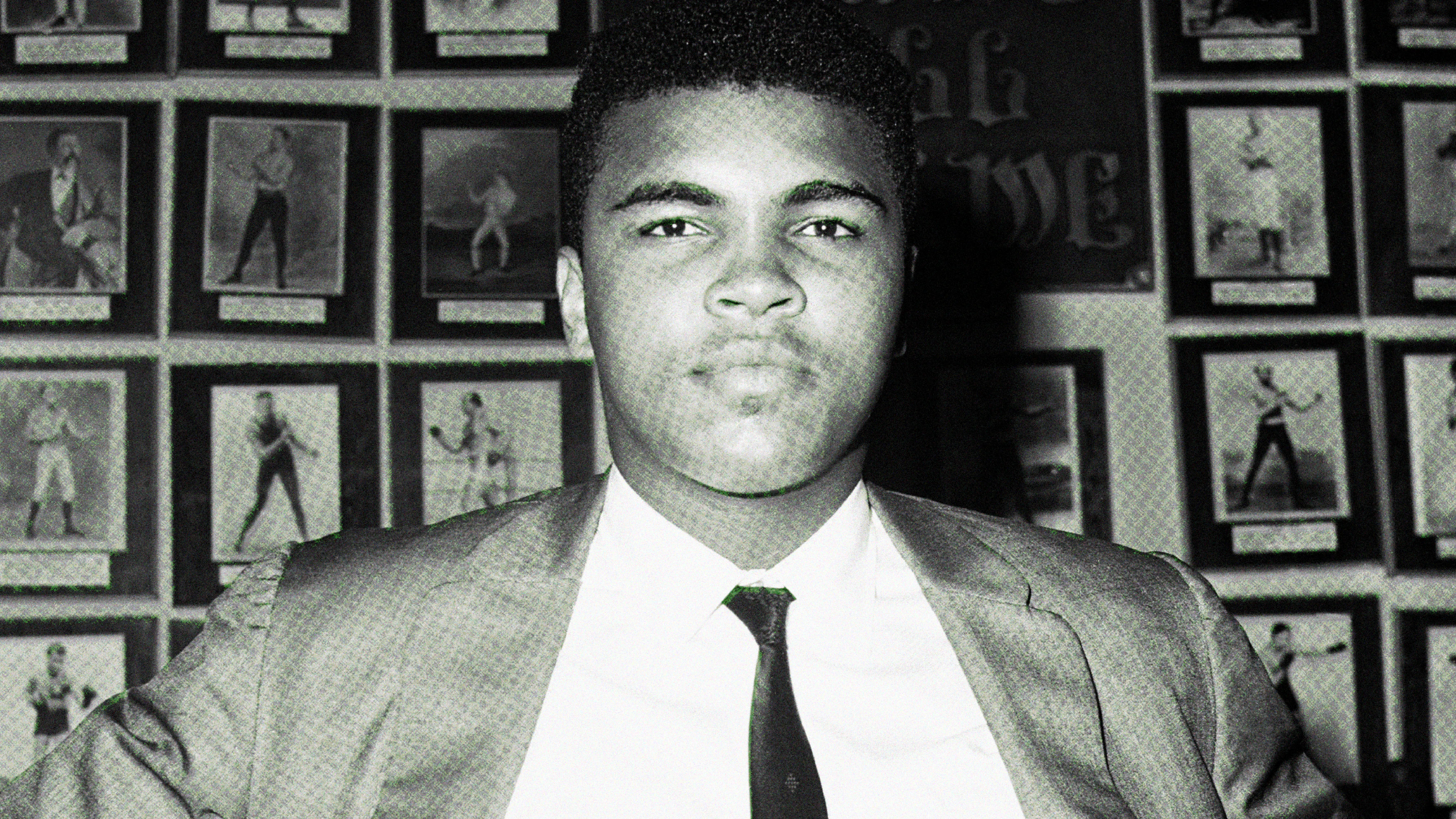
To best understand this concept, no case in world history is as illustrative as the story of the late legendary boxer Muhammad Ali.
Muhammad Ali, originally named Cassius Clay, grew up in the racially segregated American South. He harnessed his talent in boxing to win an Olympic gold medal in 1960 and became the youngest heavyweight world champion by defeating Sonny Liston in 1964.
Ali was not only skilled in the ring, famously described as "float like a butterfly, sting like a bee," but also possessed charismatic oratory that captivated people, making him one of the world’s biggest superstars. Later, he converted to Islam and officially changed his name to Muhammad Ali.
The most pivotal moment in Ali's life did not happen in the ring but in April 1967, at the height of the Vietnam War, when the U.S. military drafted him. At his athletic peak, Ali declared his refusal to serve, citing religious beliefs and human rights principles.
His historic statement was, "I have no quarrel with the Viet Cong," questioning why he should travel across the world to kill poor, dark-skinned people while African Americans in the U.S. remained oppressed and denied equal rights.
This decision brought numerous obstacles. During a time when most Americans supported the Vietnam War, his stance was heavily condemned. Legally, Ali was not immediately granted conscientious objector status because the law required opposition to "all wars," whereas Ali said he was willing to fight if it was a holy war under Islamic principles.
As a result, Ali faced harsh penalties: all U.S. state athletic commissions stripped his world title, banning him from boxing for three and a half years during his prime. Most severely, he was sentenced to five years in prison for draft evasion. Although released on bail pending appeal, his life and career were shattered instantly.
While banned from boxing, Ali transformed from athlete to symbol of resistance and civil rights advocacy. His firm stance fueled the anti-Vietnam War movement, prompting Americans to question the war’s legitimacy. He also inspired African Americans to demand equality and set a precedent for athletes using their fame to oppose social injustice.
After four years of legal battles, in 1971 the U.S. Supreme Court unanimously overturned his conviction. This legal victory not only freed him but expanded protections for those refusing conscription on moral and religious grounds, easing such refusals in the future.
Ali returned to boxing and reclaimed the world championship in historic fights like the Rumble in the Jungle and Thrilla in Manila. Later in life, he was celebrated as one of the world's most beloved athletes and honored by lighting the Olympic flame in 1996.
Muhammad Ali’s story remains a crucial case study illustrating the intense conflict between "duty to the state" and "personal conscience." His actions sparked major debate and demonstrated that when a beloved public figure stands firmly for their beliefs—even at the cost of their highest achievements—it can create a ripple effect that changes history.
ReferencesBritannica,University of Louisville,NPR
#ThairathPlus #Thairath #Netiwit #MilitaryDraft #MuhammadAli #EndMilitaryDraft #HumanRights