

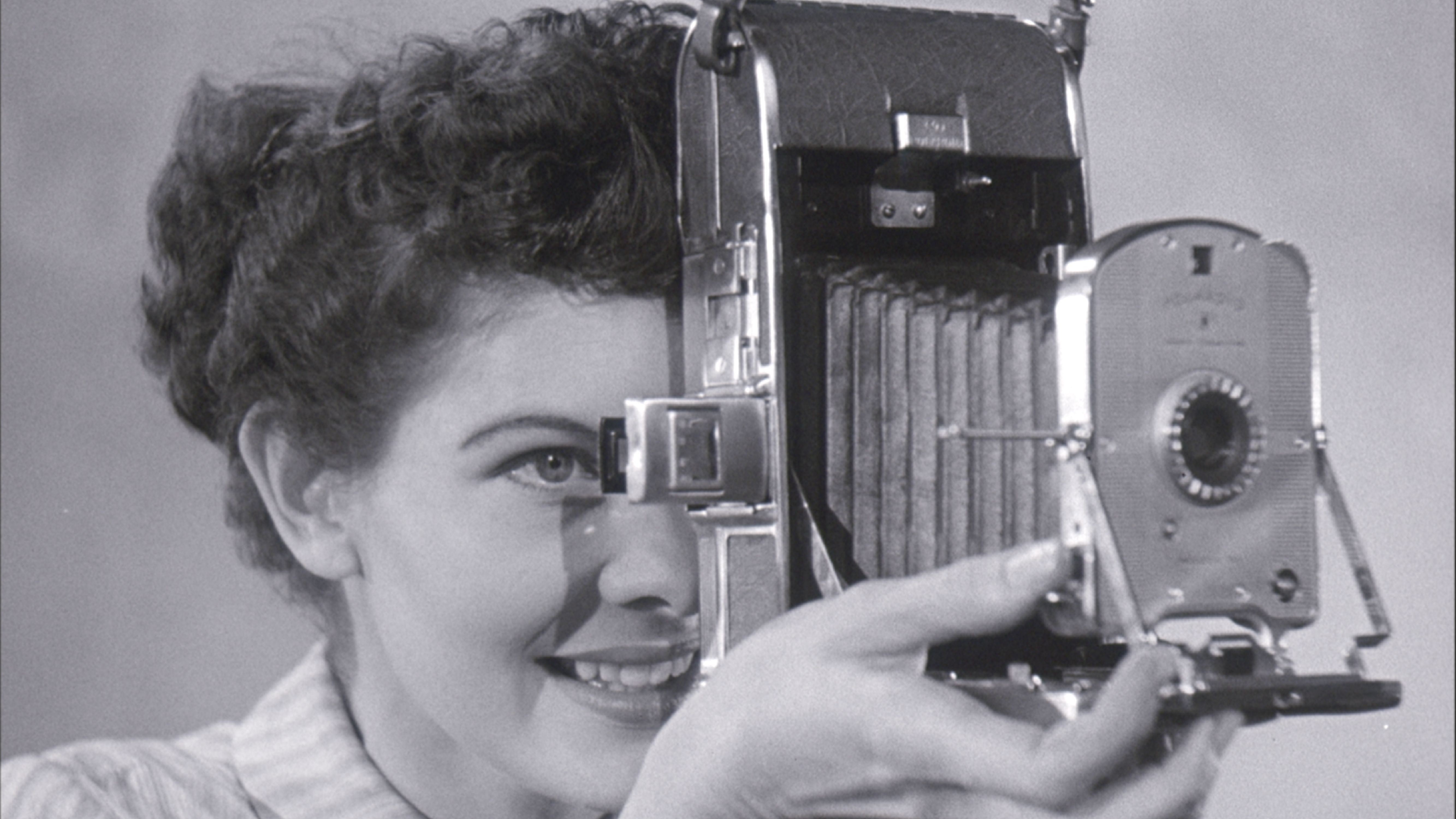
"You press the button, we do the rest" was Kodak's slogan that forever changed how we take photographs. On 4 September 1888, George Eastman patented the idea of a "portable camera" using a shutter to capture images and the "film roll" for general public use.
At that time, photography was a serious, formal affair. Not everyone could take photos at home. Photographers needed their own studios, arranged lighting and rooms, used massive cameras weighing dozens of kilograms, and required chemical knowledge for developing images.
People were familiar with old photography using glass plates, a method now rare and maintained by only a few photo labs. Instead of camera sensors or negative film, the image was captured on chemically coated glass plates. Besides chemical hazards, these plates were heavy and cumbersome to carry. In the 1870s, a bank clerk named George Eastman, preparing to travel to Santo Domingo to photograph real estate, realized the camera preparations were complicated and time-consuming. He canceled his trip to immediately seek a solution.
Eastman began by studying the latest British invention: gelatin dry plates. Unlike traditional wet glass plates that required immediate use, these dry plates could be factory-made, stored for months, and used later. Experimenting in his mother's kitchen, Eastman eventually developed a way to mass-produce dry plates and founded the Eastman Dry Plate Company in 1881.
However, dry plates remained heavy and fragile. Eastman sought a more flexible material that could be used multiple times without lengthy reloading. In 1884, he developed paper film rolls—gelatin-coated paper rolls sensitive to light. The challenge was that after shooting, photographers had to manually remove the gelatin sheet in a darkroom and mount it onto glass plates. This solved the glass plate issue but remained inconvenient.
Since Eastman was the sole inventor of paper film rolls, no cameras were compatible. In 1888, he created a camera specifically for this purpose—thus the first Kodak camera was born. The name "Kodak" had no meaning; Eastman simply liked the sound of the letter K.
The first Kodak, simply called the Kodak Camera, was a handheld box sold for $25 (equivalent to $800 today or about 26,000 Thai baht). It held paper rolls for 100 exposures. Shooting involved cocking the shutter, pressing the button, then advancing the paper for the next shot—much like modern film cameras. After finishing, customers sent the entire camera to New York, paid $10 for developing, printing, and reloading, and then received it back. This process inspired the slogan "You press the button, we do the rest." Eastman patented this camera’s mechanism and film roll case on 4 September 1888.
At $800 in today’s value, the camera was not cheap, akin to a top-tier smartphone now. Still, middle-class consumers showed interest, as it allowed photography at will without studio confinement. Kodak’s main customers were "women and children," indicating the camera’s ease of use, especially since education for women was limited at the time. Kodak’s "Kodak Girl" advertisements, featuring women in fashionable attire holding Kodak cameras, symbolized freedom and progressive femininity.
In 1889, Eastman advanced from paper rolls to film rolls using celluloid sheets without paper backing. Kodak became a turning point for photography, changing worldviews forever and creating the "snapshot" culture—capturing daily life from unexpected perspectives. This evoked new emotions in viewers, ranging from envy to satisfaction and delight. The art world debated whether photography threatened traditional painting. Charles Baudelaire once described photography as "a refuge for those wanting to be painters and lazy painters," viewing it as a mechanical record of reality lacking intellectual effort.
When Eastman’s patent expired on 4 September 1905 and entered the public domain, companies began producing cameras using his mechanism, increasing photography’s popularity. However, this also led to privacy concerns as snapshots became more common. Kodak’s convenience advanced media, enabling journalists to own cameras and capture events themselves, increasing public intrusion by film and lenses. Ordinary users photographing in public could inadvertently invade others’ privacy. Susan Sontag noted in "On Photography" that cameras became weapons, with "shooting" photos akin to wielding a weapon against someone’s private life.
Kodak’s creation was not just an invention to overlook; its significance parallels Thomas Edison’s impact on lighting the dark world. Kodak enhanced how we meaningfully perceive the world through technology, yet also fundamentally altered human behavior and perspectives. The ordinary became special, rich with memories, but also addictive illusions—whether as news or within capitalism’s sphere.
.