

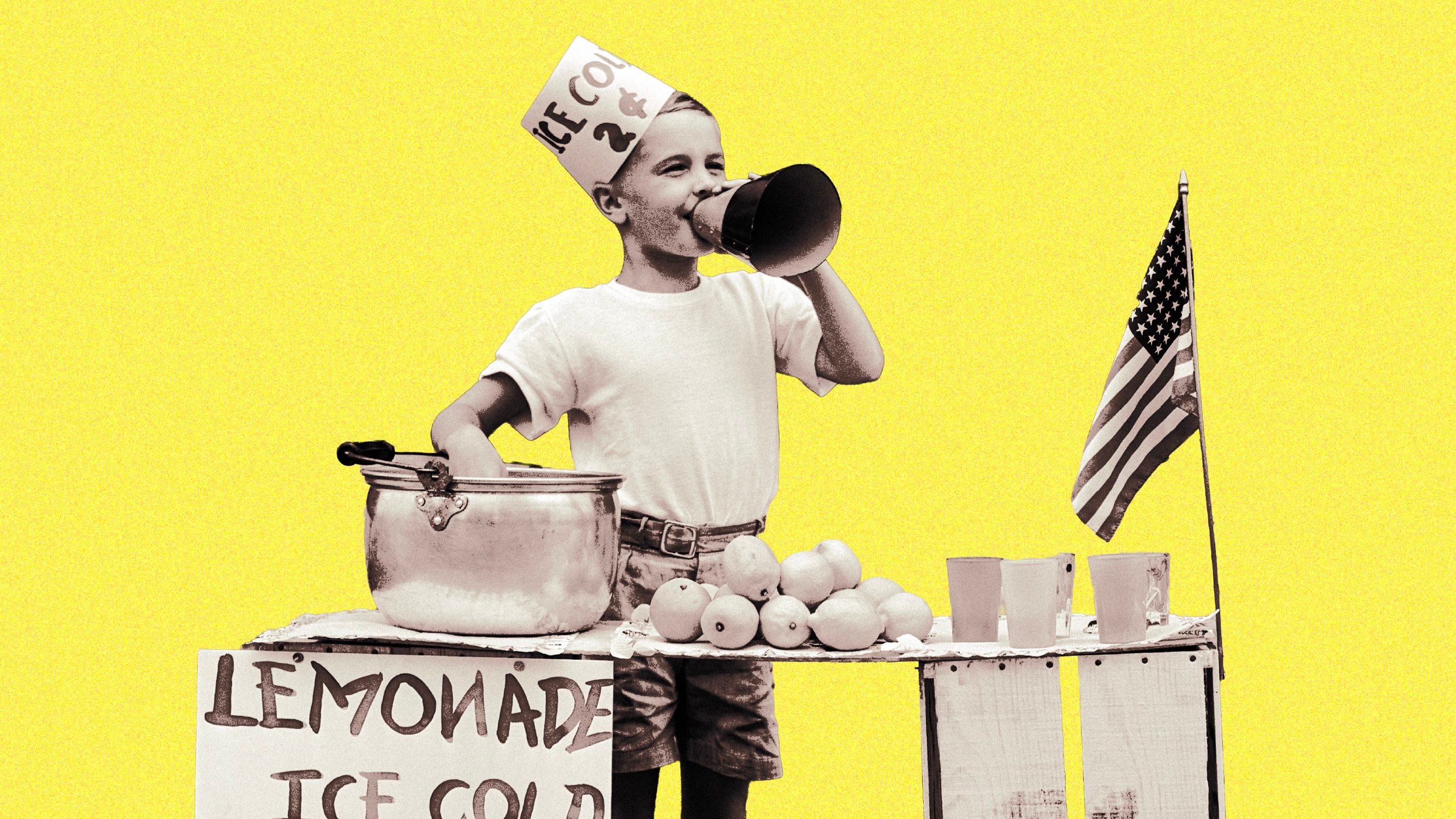
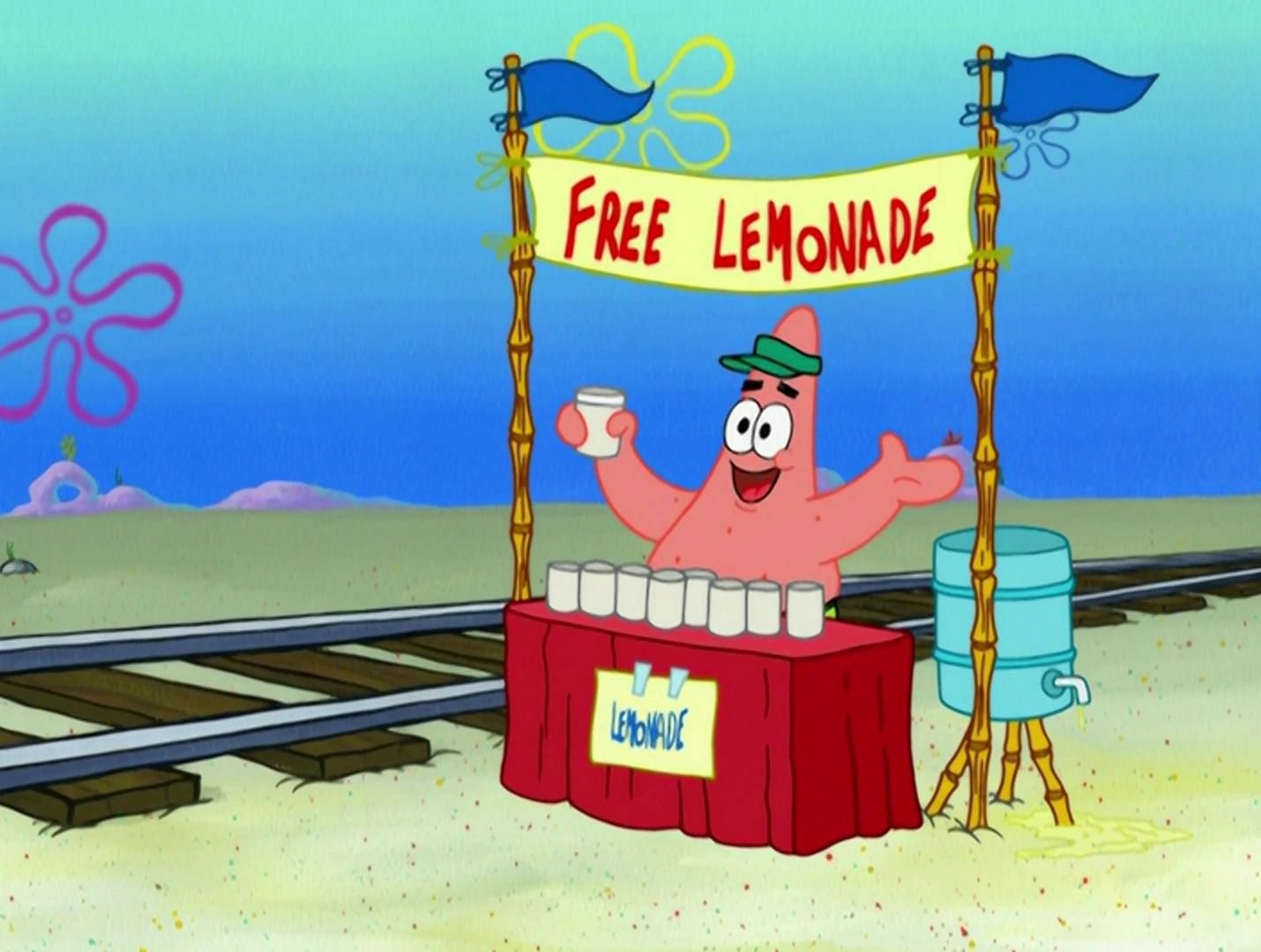
Everyone may be familiar with lemonade stands appearing in scenes when watching American movies, series, or TV shows. Even in cartoons like SpongeBob, The Simpsons, or The Powerpuff Girls, there are scenes where characters nail wood planks to build small roadside stands with signs selling lemonade for a few cents. Most sellers are usually youths between 7 and 12 years old.
The image of children running lemonade stands might seem confined to media, but in reality, such businesses still exist in many U.S. states. Those browsing Instagram or YouTube will find clips of people selling cold lemonade by the roadside. Thus, lemonade selling is not just a business aiming for easy profits on hot days but a part of American culture—even being offered as a welcoming drink to guests visiting homes.
 Allowing children to run lemonade stands is the only business in the U.S. legally permitted without a license. For example, states like Texas and Colorado have Lemonade Stand Laws that allow youth to sell lemonade without any licensing. Setting up a stand is simple, requiring only ingredients like lemons (sometimes powdered mix for higher profit), ice, and paper or plastic cups. The stand itself need not be fancy—just a table and a front sign to open shop. Prices typically range from 50 cents to 2 U.S. dollars, depending on costs and pricing set by the stand owner.
But why lemonade? And why has the image of children selling lemonade been so closely tied to American youth for so many years?
The lemonade business can be considered part of American culture instilled in youth early on, teaching them to try running their own business and understand basic trade concepts such as investment and profit. We can say this business is the starting point for grasping fundamental capitalism principles. This idea gained popularity through the story of Edward Bok, a 10-year-old Dutch immigrant who came to New York with his family.
Bok wrote about his childhood in his autobiography The Americanization of Edward Bok, recounting that when he first arrived in Brooklyn, New York, in the 1870s, he noticed many passengers waiting for horse-drawn carriages looking thirsty. Bok had the idea to fill a barrel with cold water and sell cups to passengers for one penny each. Soon, others saw what he was doing. We must understand that at that time in the U.S., many immigrants sought to earn as much as possible to establish themselves. Seeing Bok’s profitable venture, many followed suit. Lemons were very cheap fruit then because, in the early 19th century, lemon cultivation expanded greatly. After the railroad system developed, lemons could be transported nationwide at low cost. Lemons were thus an easy choice for mixing with water since their flavor, aroma, and juice produced refreshing drinks. One lemon could be used multiple times, making it a cheap fruit that easily generated profit. When Bok noticed increased competition, he innovated by mixing lemon juice with water and a little sugar, then raised the price to 3 cents per cup, distinguishing his business from others.
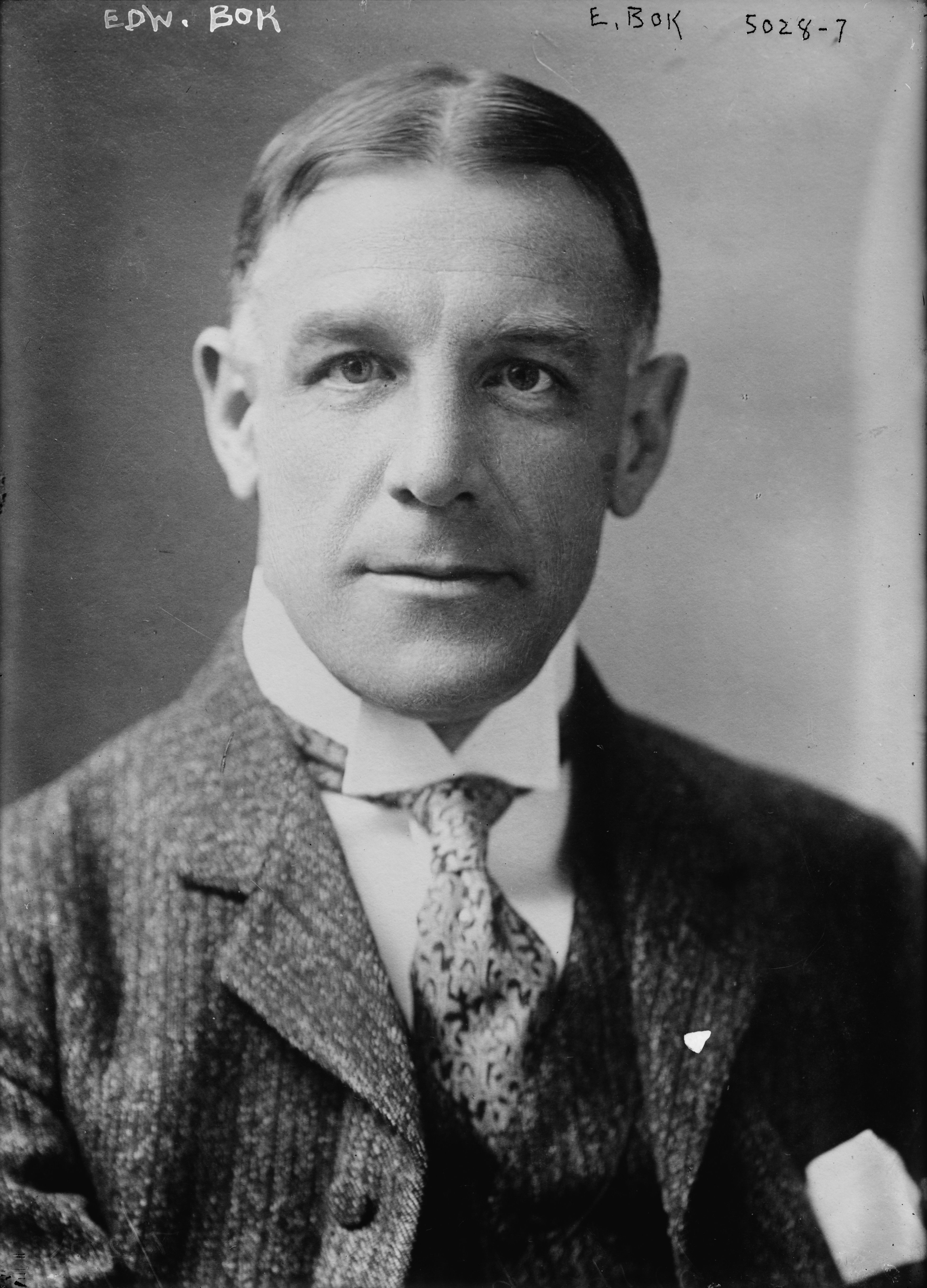
This story became well known among Americans in the 1920s, the year The Americanization of Edward Bok won a Pulitzer Prize. Bok also became editor-in-chief of The Ladies’ Home Journal, a popular American magazine of that era. His story became familiar among the middle class, encouraging parents to teach their children about hard work and earning income independently—helping them understand self-reliance, self-development, and entrepreneurship from an early age.
The commonplace view of lemonade selling is interesting because it reflects American values: capitalism and free trade—the right of individuals to own property and run businesses freely with minimal government interference. These values are the accumulation of customs, religion, and beliefs passed down since early European settlers arrived, especially the Protestant work ethic linking religion with hard work, saving, and financial success as virtues. Emphasizing freedom and individual rights means starting a business, making profits, or failing independently is an American ideal of freedom.
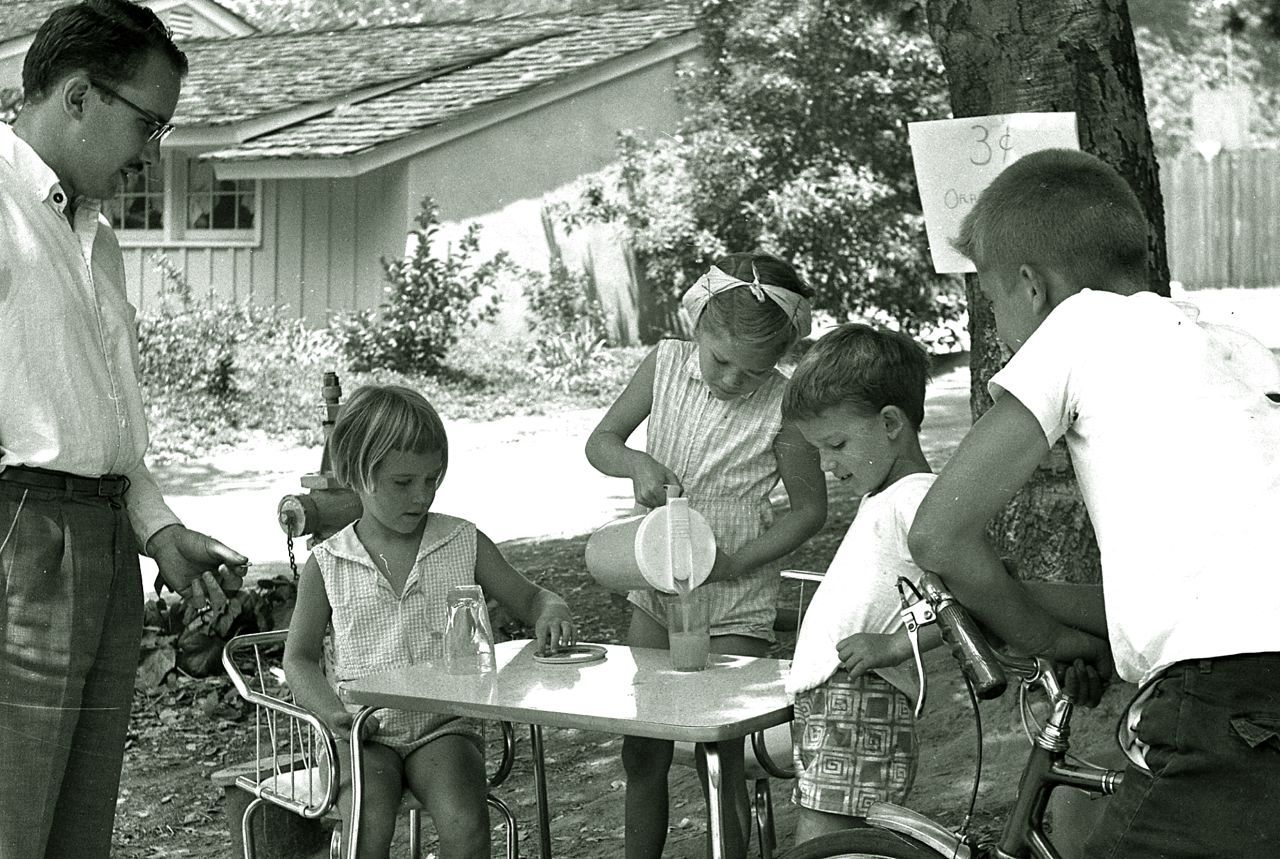
Though lemonade selling may seem modest, it is a starting point for American youth to learn the basics of capitalism and free trade—like learning to write letters before essays or simple addition before physics. For this reason, Texas established Lemonade Day in 2007, a nonprofit teaching youth to start their own lemonade businesses. They begin by choosing a store theme, deciding what kind of lemonade to sell, and identifying target customers. Then, they learn how to find investors for ingredients like sugar or lemons—often parents or local shop owners involved in the program. After opening, children use earnings to repay investors and keep profits. The organization’s core teaching is simple: “Spend some, save some, and share some,” helping youth understand investment returns and charitable giving.
Therefore, roadside lemonade stands are more than just a summer activity for American children; they are an introductory life classroom harmoniously simulating the real world—from lessons on costs, profits, and the freedom to take initiative to sharing back with the community. This reflects the American spirit that adults proudly say success comes from taking action, starting simply by opening a small wooden lemonade stand.
References: