


This week's good news: Indians nationwide celebrated the Vijayadashami festival with great enthusiasm, including a ceremony burning a Ravana effigy as a symbol of good triumphing over evil.
The Brazilian Senate passed a significant law for the nation's workers, abolishing the six-day workweek and increasing paid vacation days for employees.
At the same time, recent studies show that Brazil's environmental policies have helped protect over 20,000 square kilometers of the Amazon rainforest from destruction.
In the United States, Stanford researchers discovered a way to rapidly revive bleached coral within seven weeks, achieving results never seen before.
In Europe, Amsterdam Zoo successfully performed surgery to fit a rhinoceros hornbill with both upper and lower 3D-printed prosthetic beaks for the first time in the world.
Global sales of gasoline-powered cars fell below 50% in the first half of 2026 for the first time in history, amid the rising trend of electric vehicles.
Wrapping up in Paris, the city is investing in expanding bike lanes by another 140 kilometers and enforcing traffic discipline strictly as cycling numbers continue to rise.

Millions of people across India celebrated the Dussehra or Vijayadashami festival, one of the major Hindu religious festivals widely observed with parades, prayers, and the burning of a giant Ravana effigy symbolizing Lord Rama's victory over evil. The festival takes place on the 10th day after Navaratri, amid festive atmospheres, food, and entertainment, also marking the countdown to the Diwali festival of lights in 20 days.
 Brazil ends six-day workweek; Senate passes labor reform law.
The Brazilian Senate voted 75 to 1 to pass a constitutional amendment reducing the standard workweek from 44 hours or six days to 40 hours with two paid rest days per week, aligning with international standards. The law will be implemented gradually to allow businesses to adjust. The Senate President stated this would increase workers' rest time and work-life balance, a long-awaited improvement for Brazilian laborers.
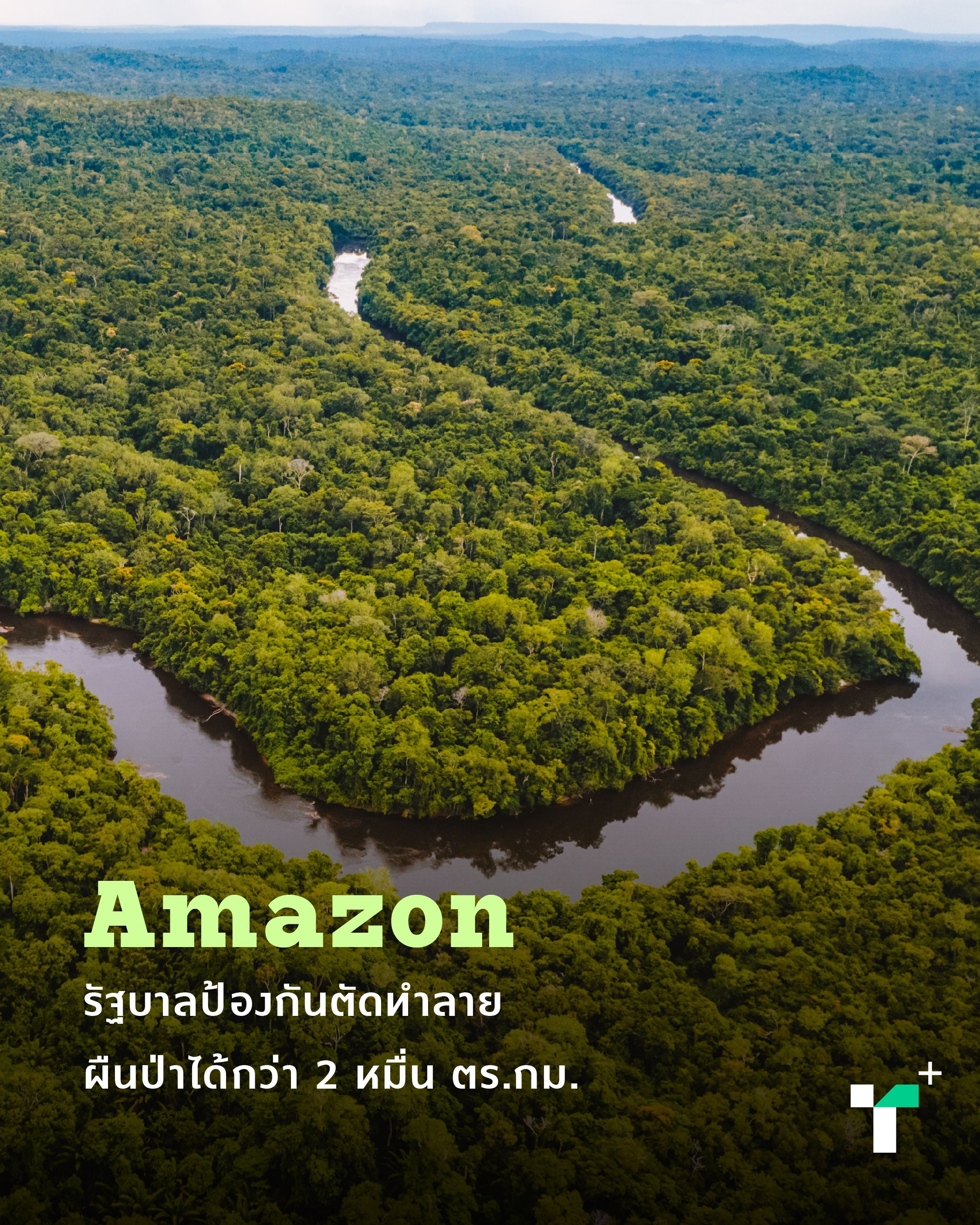
Analysis by Carbon Brief reveals that Brazil's environmental conservation policies and strict law enforcement under President Luiz Inácio Lula da Silva have protected more than 20,000 square kilometers of the Amazon rainforest from deforestation compared to the era of former President Jair Bolsonaro. Deforestation rates dropped sharply since 2022 and are on track for record lows in 2026.

A team of scientists from Stanford University discovered a way to save coral suffering from bleaching due to rising global temperatures by exposing damaged coral to healthy coral. Experiments showed their tissues could fuse within days, allowing nutrient flow to restore the coral’s health and vibrant color within just seven weeks, offering new hope for coral restoration amid the climate crisis.
 Netherlands: Amsterdam Zoo achieves world first by fitting rhinoceros hornbill with 3D-printed prosthetic beak.
Veterinarians at ARTIS Zoo in Amsterdam, Netherlands, collaborated with Utrecht University to successfully perform surgery fitting a 3D-printed titanium upper and lower prosthetic beak on a southern rhinoceros hornbill that suffered an accident damaging both parts of its beak. Using CT scanning and precise design, the operation remarkably restored the bird’s ability to live naturally.
 Automobiles: Global gasoline car sales drop below 50% for the first time.
Data from Mobility Global shows gasoline-powered cars accounted for only 49% of new car sales worldwide in the first half of 2026, marking the first time this figure fell below half, down from 73% in 2021. Rising oil prices due to Middle East crises and consumers seeking cost savings have driven increased purchases of electric and hybrid vehicles, especially in rapidly growing markets like China and Europe.
 France: Paris plans to expand bike lanes by 140 km and enhance safety measures.
Authorities in Paris, France, announced plans to expand cycling infrastructure following a 47% increase in city bike usage since 2020. The plan includes adding 140 kilometers of new bike lanes, converting 220 kilometers of one-way streets to allow two-way cycling, and improving safety at 420 intersections. Police will also enforce traffic rules strictly to reduce accidents and protect cyclists and pedestrians.
.
https://www.bbc.com/news/articles/c98rzynj6e1yo
https://www.goodnewsnetwork.org/brazil-ends-long-tradition-of-6-day-workweek-via-constitutional-amendment/
https://www.carbonbrief.org/analysis-lula-presidency-saved-at-least-20000km2-of-brazilian-amazon-since-2022
https://www.euronews.com/2026/10/15/theyre-not-dead-yet-bleached-corals-recover-in-record-time-after-touching-healthy-clones
https://www.goodgoodgood.co/articles/endangered-species-world-first-prosthetic-beak
https://electrek.co/2026/10/05/gas-cars-fall-below-50-percent-global-new-car-sales/
https://www.bluewin.ch/en/news/paris-continues-to-expand-its-bike-path-network-li.3636403
#ThairathPlus #ThairathPlus #news #internationalnews #TheGoodGoodNews