

Today, we often hear the term 'foundation' in the media. Sometimes it appears in news about disaster relief, sometimes about caring for children and the poor, environmental conservation efforts, or even scandalous stories.
But have you ever wondered why society needs foundations, and what roles these organizations play in people's lives?
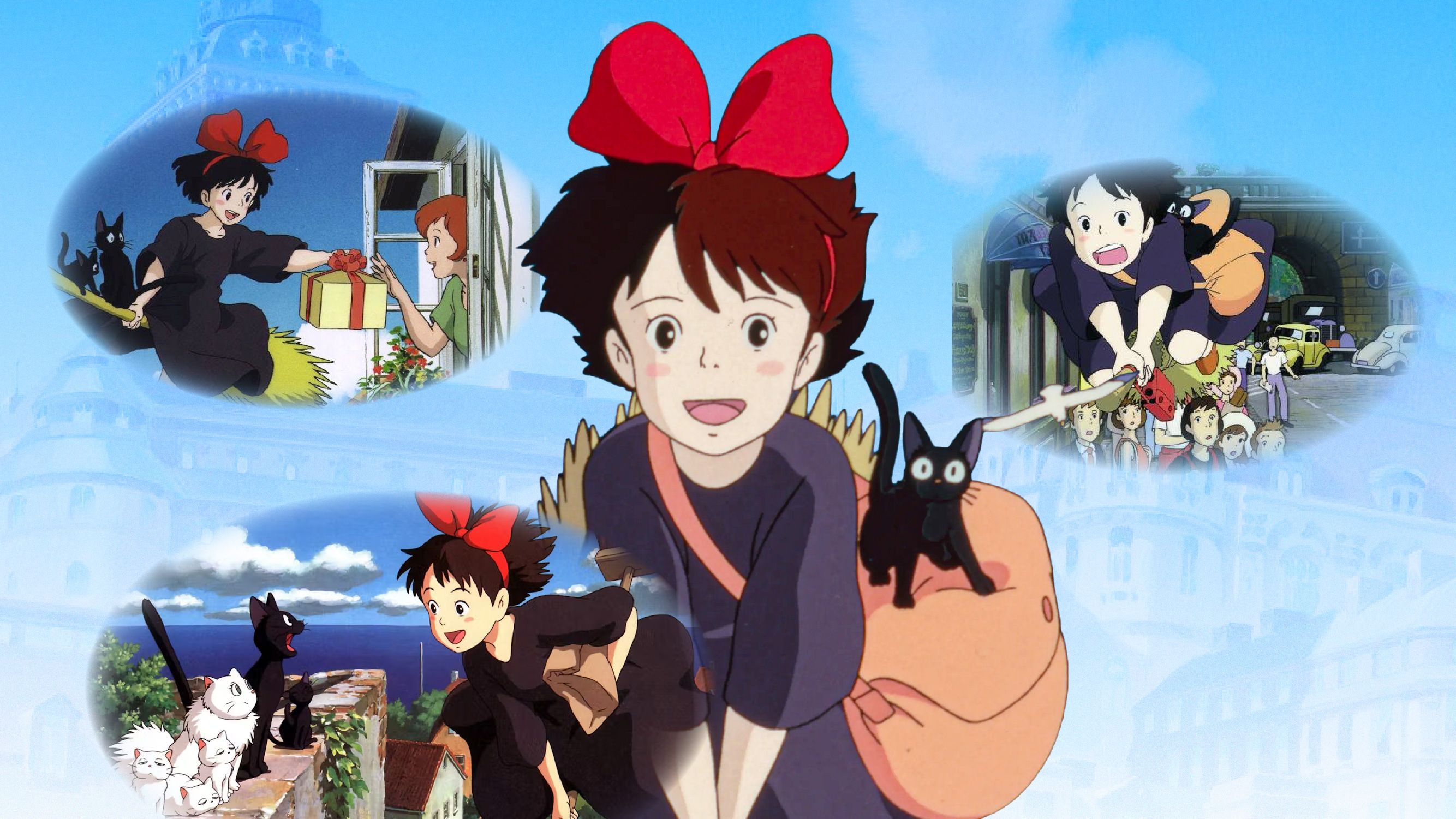
This may be easier to understand if we shift from viewing news images to seeing through the stories of people in a small town, such as 'Koriko' from the animated film 'Kiki's Delivery Service' by Studio Ghibli.
The story of a 13-year-old witch who leaves home to live independently in an unfamiliar town. Many may remember this film for scenes of broomstick flying, a street bakery, or the warm atmosphere of a seaside town.
But if we look more closely at the lives of people in Koriko beyond the backdrop, we may find a way to understand why society has foundations and what these organizations mean to ordinary people.
'Kiki's Delivery Service' is an animation about Kiki's journey, who must leave home at age 13 by witch tradition. She has to live in a new town for one year, accompanied only by her black cat Jiji and her flying ability.
Upon arriving in Koriko, Kiki finds that starting life on her own is not as easy as she thought because the town already has its own people and way of life.
The story begins when Kiki meets Osono, the bakery owner, who one day needs to return a pacifier left by a customer but cannot leave the shop. Kiki volunteers to fly it over and brings back a letter from the customer.
From this small event, Kiki is offered a room above the bakery and begins a delivery service using her broomstick flying ability.
In the backdrop of Koriko are shops and people working as usual, but when someone who can fly helps deliver items, it offers an additional option for those needing specific assistance. Kiki does not change the town entirely; she simply uses her ability to fill certain unmet needs.
The emergence of foundations has a similar starting point. Society faces many issues that regular agencies or services may not fully cover. Some require specialized expertise, some affect only small groups overlooked by most, while others need ongoing time and resources to address.
Foundations are mechanisms that fill these gaps, whether by helping those lacking basic services, supporting education, caring for wildlife, or conserving natural resources.
Kiki starting a delivery service does not mean people in town stop running their errands themselves or shops stop handling their own business. She merely adds an option making certain tasks more convenient.
This distinction between 'helping to fill' and 'fully replacing' is crucial because good assistance should not render individuals or agencies incapable of managing their own problems.
Consider another incident where Kiki is tasked to deliver fish and pumpkin pies to an elderly woman, but upon arrival finds the grandmother's oven broken, preventing baking. Kiki helps clean the old oven until it works again.
Kiki solves a specific, immediate problem when the grandmother could not manage it herself that day, but this does not mean the grandmother must rely on Kiki every time. It is assistance to get through a particular difficulty, not taking over her entire life.
Similarly, foundation work may begin with providing food, water, and temporary shelter to disaster victims in urgent situations unseen or unreachable by others. Once stabilized, restoring livelihoods, housing, and community welfare requires ongoing efforts involving local participation and self-care.
In modern environmental conservation, work does not end with sending staff to manage areas alone but involves collaborating with communities, raising awareness about resource use, and encouraging local engagement in long-term forest or wildlife care.
In other words, foundations may step in when society lacks capacity, but their goal should not be to create dependency on continuous assistance from organizations.
Another part of the story shows Kiki losing her ability to fly, rendering her unable to work, with characters puzzled and worried about what is happening to her.
Ursula, a painter Kiki knows, invites her to stay at her cottage. They talk about work and times when they cannot create as intended. Ursula shares her experience of creative blocks and explains how taking breaks or changing environments can help reignite passion, offering encouragement for Kiki to regain self-confidence.
This episode shows that help is not just giving goods or instantly solving problems. Sometimes sharing knowledge, providing counseling, and creating opportunities for personal development are equally important forms of assistance.
For foundations, this may involve vocational training, scholarships combined with community capacity building, or imparting knowledge enabling locals to manage their own challenges.
If foundations always do everything instead of others, then if one day they lack resources or cannot continue work in an area, old problems may resurface. Building knowledge and capacity in others helps ensure continuity.
The delivery story also prompts reflection on transparency.
Imagine hiring Kiki to deliver something—you would want to know if the job was completed, if the pie reached the recipient, and what service you got for your money. Trust arises because both parties understand what they are doing and their agreement.
This may not directly relate to foundations because their funds often come from many donors, some of whom never meet staff or know how their donations are used. Foundations must disclose information publicly for verification—from income and expenses to fund allocation and actual outcomes.
For example, the Seub Nakhasathien Foundation publishes past financial reports accessible to the public and provides monthly reports on the Forest Guardian Fund's operations. These data help supporters track how funds are used and the organization's progress.
If foundation work is like Kiki's deliveries, simply reporting that deliveries were made or showing photos is insufficient. Those who commission work want to know if agreed objectives were met, just as society deserves to know that donations serve public benefit and are not used for personal gain or reputation.
At the story's end, when Kiki sees the airship Tombo in danger, she rushes to help by borrowing a street sweeper's broomstick. Though unfamiliar with this equipment, she tries to use available resources to save Tombo.
This event relies not only on Kiki's abilities but also on help from others and resources found in that situation.
Though Kiki continues living in Koriko, her abilities have limits; she cannot help everyone all the time. Likewise, foundations have limited scope, resources, and personnel. Solving social issues requires multiple groups to take turns, develop their capabilities, and jointly manage ongoing challenges.
Throughout the story, 'Kiki's Delivery Service' broadly depicts a young girl's journey to grow up.
At the same time, it shows that a town functions through people who participate and help each other, reflecting the very meaning of foundations.