

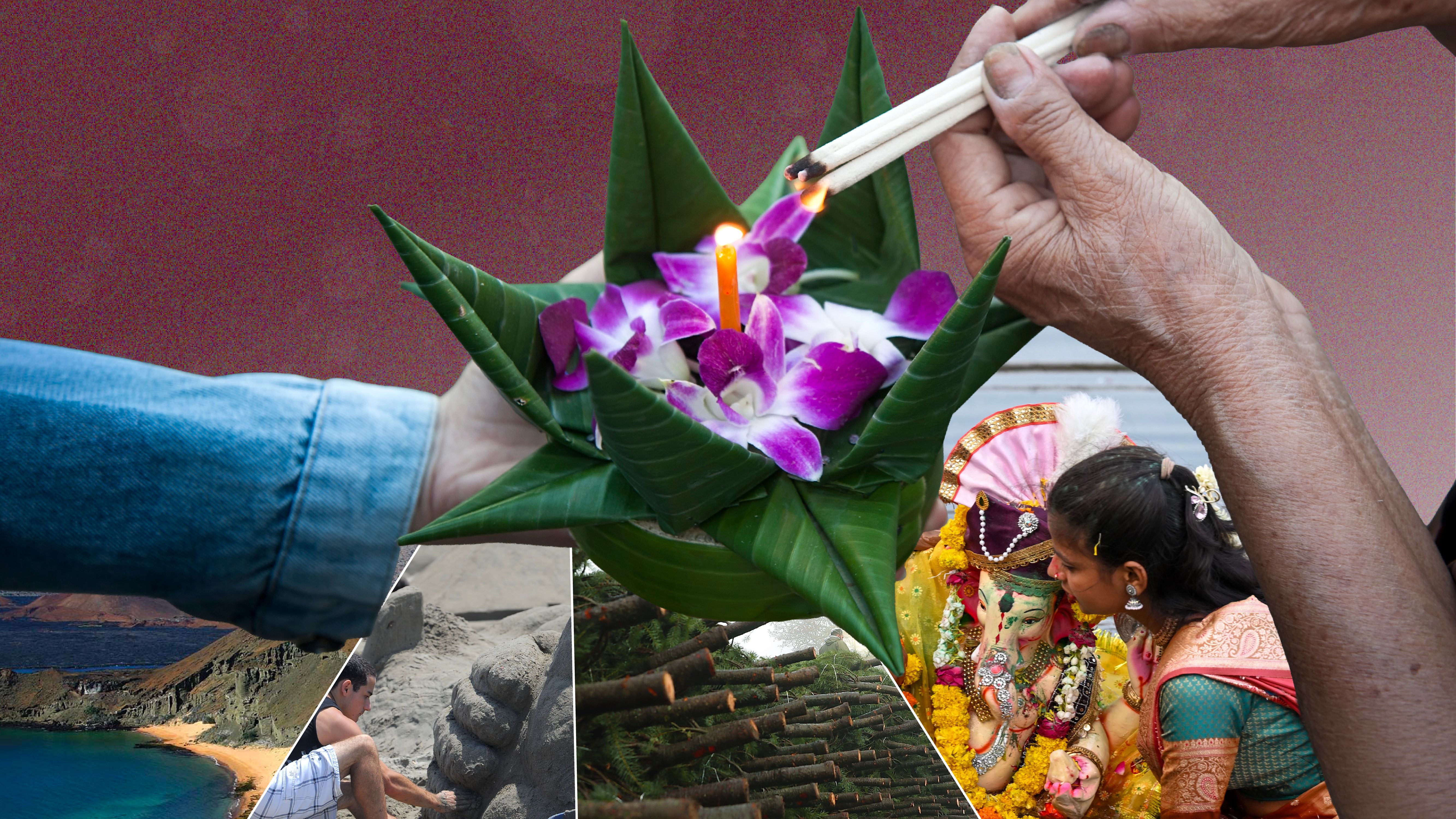
Loy Krathong has arrived quietly compared to ten years ago. Once a lively, festive event, the celebration now comes with significant costs—from firecracker explosions prompting government restrictions to polluted waterways where authorities have begun limiting floating areas and urging people to reduce krathong use. Although people acknowledge increased waste, they cannot abandon this Thai cultural tradition. Thus, krathongs changed from banana stalks to bread, based on the idea that bread can feed fish without creating floating litter. However, this year, many agencies, including Bangkok Metropolitan Administration, have campaigned against using bread krathongs because yeast and other ingredients can worsen water pollution.
Every year, Loy Krathong sparks debate about its "necessity," dividing opinion between those wanting to stop it and those wishing to preserve the tradition. The momentum to halt the floating has grown, and many have seen photos of waterways after the festival—piled with dense krathongs requiring volunteers and officials to collect them by boat amid the stench from banana leaves and bread. In some places, aquatic animals even surface, prompting greater public awareness.
Thailand is not the first country to cancel festivals, and canceling events like Loy Krathong is not new. Previously, Thailand gradually ended environmentally harmful customs, such as increasingly restricting sky lanterns because their materials harm animals, their fires damage homes, and their non-biodegradable components become forest litter.
Several governments have chosen environmental and animal welfare priorities over human cultural traditions by enacting clear regulations for long-term benefits, even when festivals or customs have long histories. Let’s examine some examples.
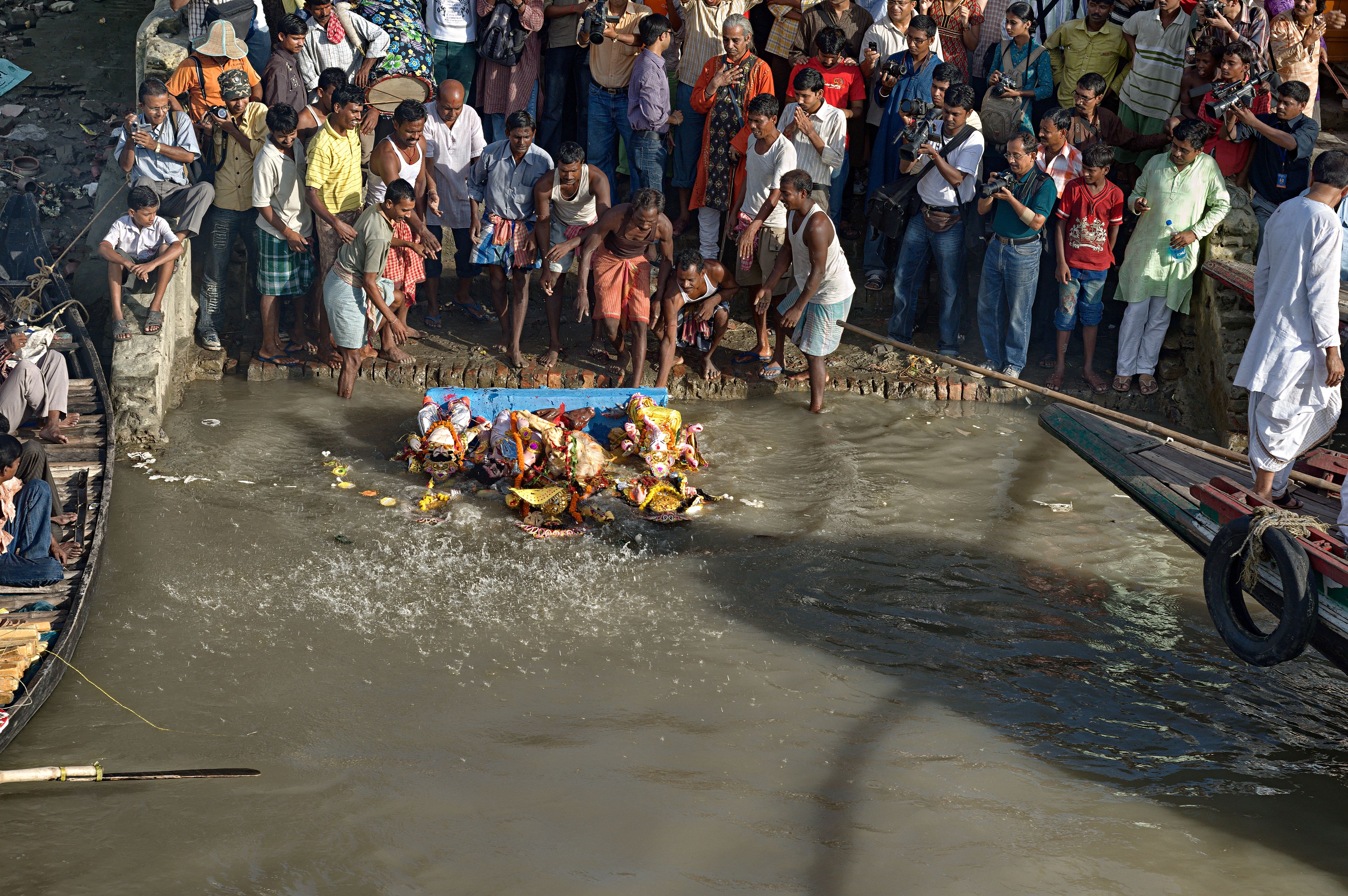
Immersing plaster statues in rivers in India.
During Ganesh Chaturthi, Indian tradition involves immersing deity statues in water, similar to Loy Krathong. Historically, statues were carved from natural stone, causing no water pollution. Over time, materials changed to synthetic ones—plaster of Paris mixed with chemical paints—causing water toxicity and endangering aquatic life. The government thus banned plaster statues, allowing only natural clay ones to be immersed.
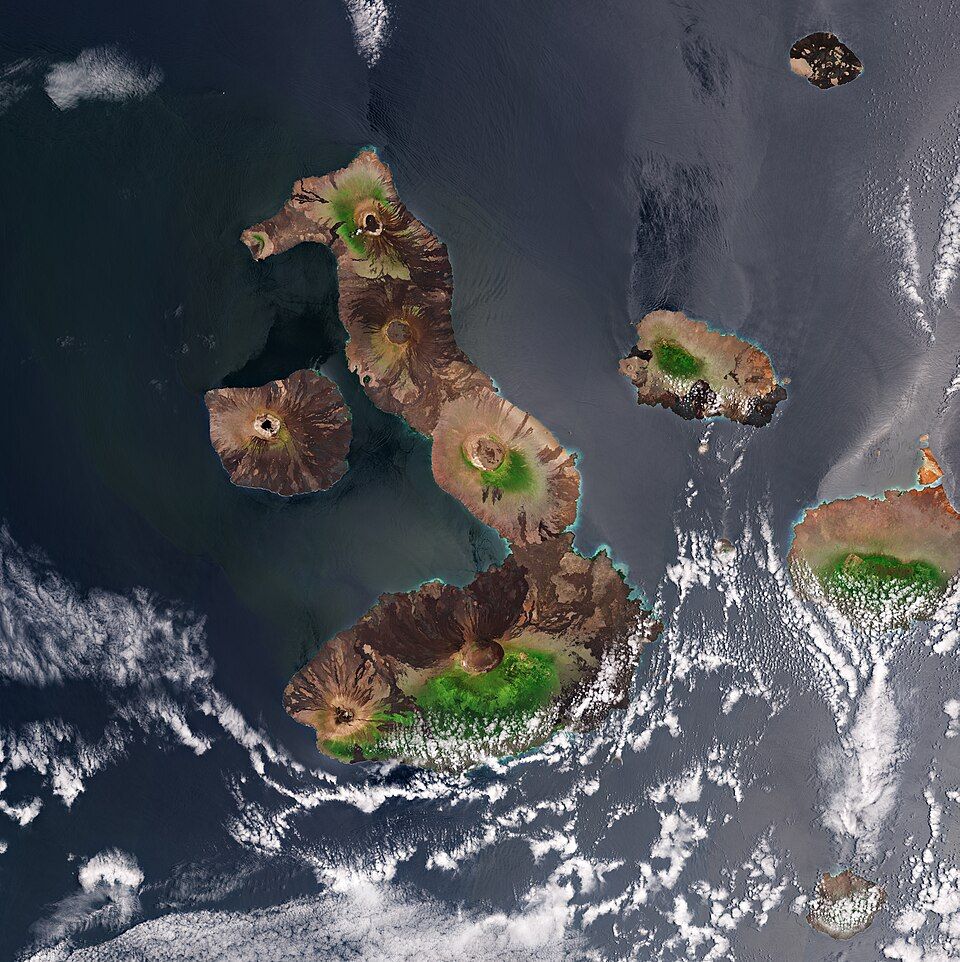
Fireworks on the Galapagos Islands.
Ecuador traditionally uses fireworks for New Year’s and other festivals. However, near the Galapagos Islands—a renowned biodiverse nature reserve—explosions and chemical pollution from fireworks cause animal distress, with some animals suffering fatal heart irregularities. The government replaced fireworks with drones and laser shows to protect wildlife.
Sand sculptures on beaches.
Certain beaches in the United States and Australia hold sandcastle or sand sculpture festivals. Later, it was found that sand structures block sea turtles’ nesting paths. Governments banned these festivals to prevent risking sea turtle extinction.
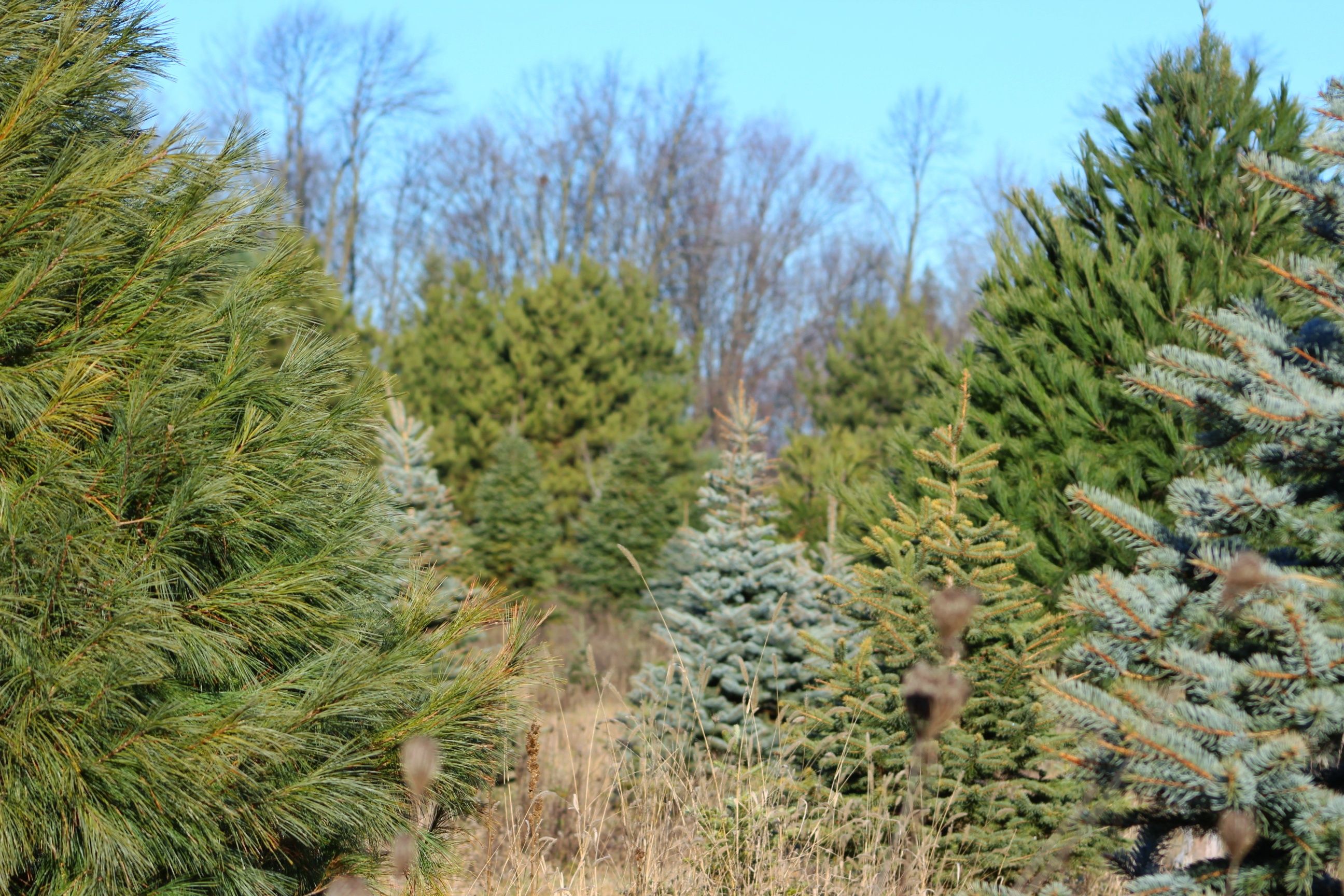
Cutting trees for Christmas.
In European local communities, especially northern Scandinavia, cutting pine trees for Christmas decorations is traditional. Europe has many pine forests, but unregulated tree cutting by locals increased, damaging forests and disrupting animal habitats during winter. Governments made this illegal and encouraged buying pine trees from commercial farms instead.
From these examples, it’s clear that cancellations mostly stem from government interventions raising awareness, sometimes supported by private sectors assessing environmental damage outweighs long-term benefits. Regulations encourage compliance, understanding, and habituation, even if initially unpopular.
Environmental issues are complex when linked to the economy. For Loy Krathong, the festival drives significant economic activity, so cancellation risks economic loss. Most advocates for stopping the festival do not want it eliminated immediately but urge “adaptation” to modern realities—such as buying farm-grown trees instead of cutting wild ones in Europe, or Ecuador’s drone fireworks, or India’s clay statues. Traditions evolve to continue. For Loy Krathong, stopping individual floating and having only 5-10 community representatives float symbolic krathongs could preserve the festival and protect waterways.
However, some may resist, as floating krathongs is seen as a personal act, and not floating themselves may feel like exclusion from the festival. This is a key issue: if humans do everything their own way without compromise, everything would collapse. Sacrificing some individual freedom is necessary for the greater good—preserving nature’s irreplaceable balance.
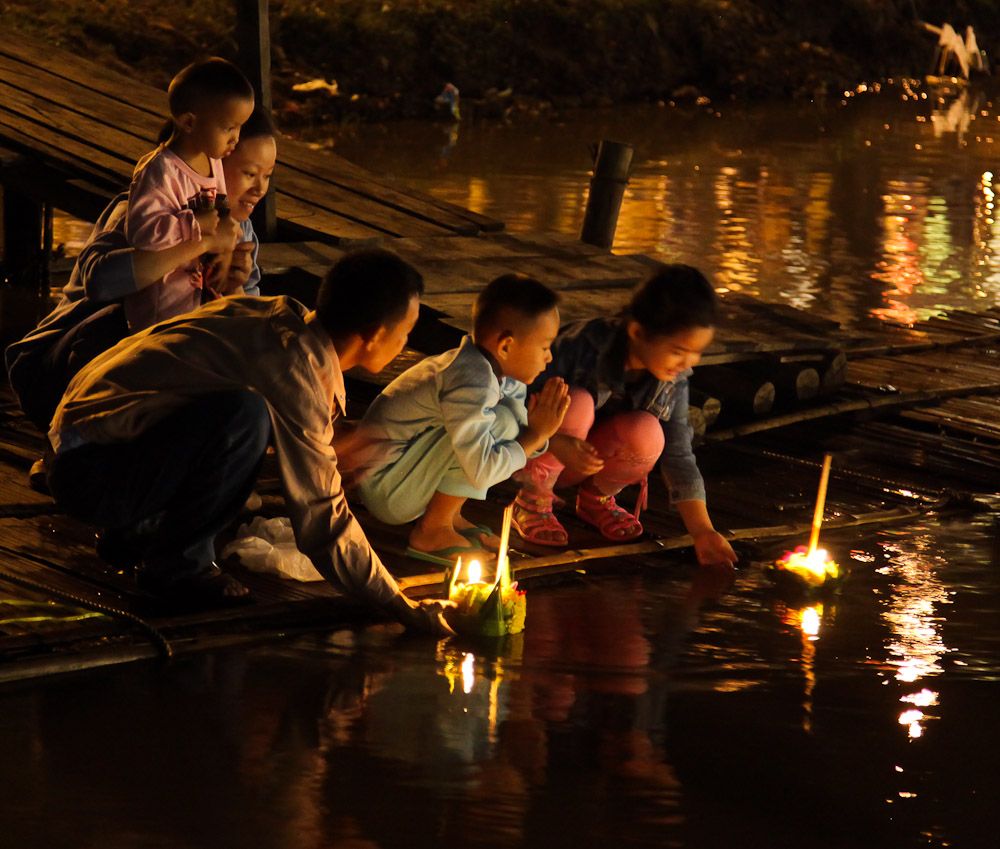
Abandoning some customs doesn’t mean losing Thai culture but accepting that modern times have intensified human cultural impacts on our world. Loy Krathong once took place in small villages with under a hundred people, focusing on water apologies. Now, with more people and more krathongs, the purpose shifted to personal wishes. Everything has changed, so we must revise our perspective: traditions should coexist with all living things, not serve selfish ends.
Since Thailand lacks regulations to stop krathong floating, Thairath Plus offers its voice urging reduction: one krathong per family, made from natural materials, floated only in government-designated waters, or floated online via festival websites.
References: