

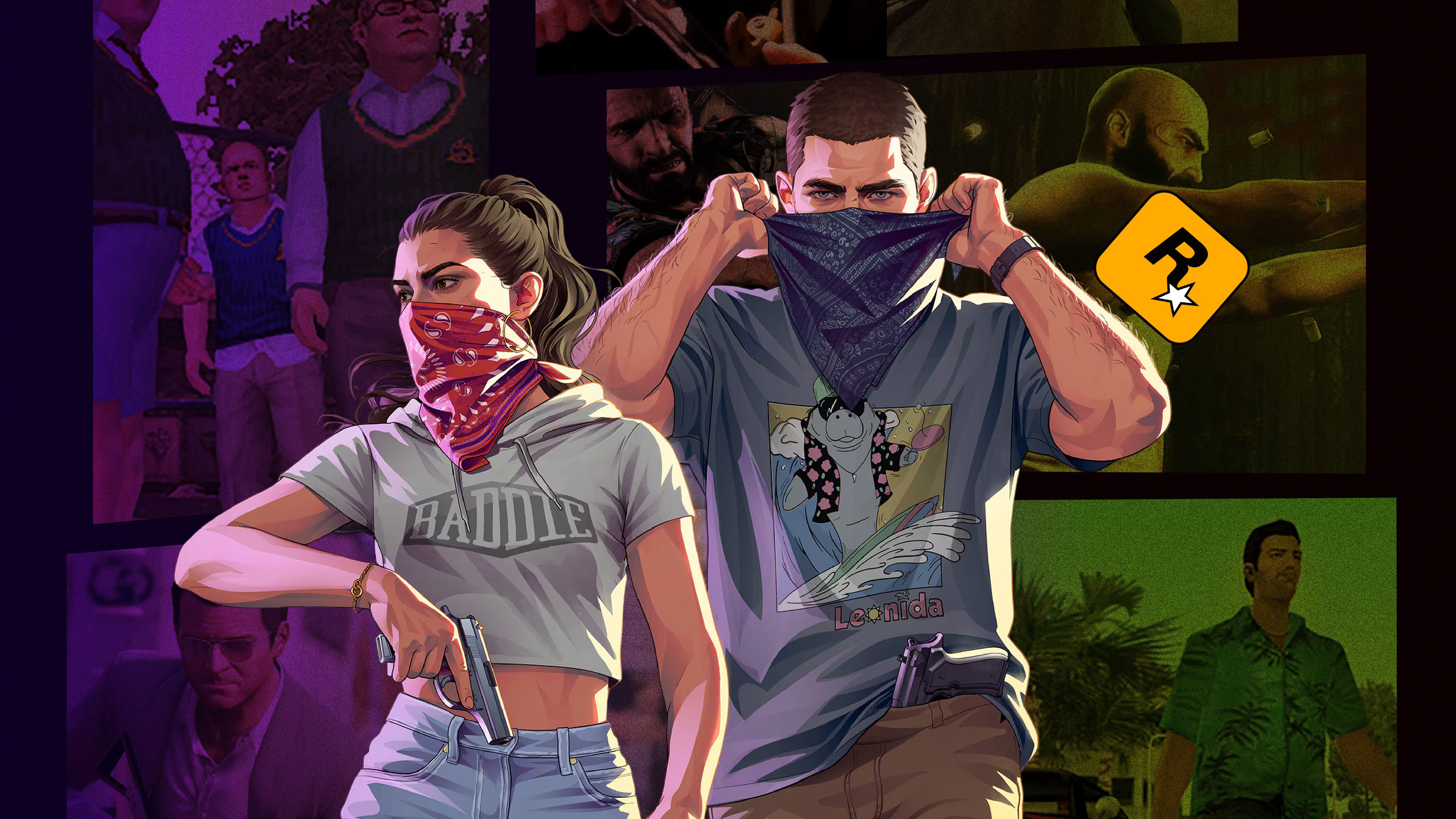
After a long wait of 13 years, Rockstar Games, a AAA game developer, finally released the video game Grand Theft Auto VI, or GTA 6, to gamers. Initially, it launched exclusively on PlayStation 5 in both online and disc-free boxed formats. Although there was minor controversy over the absence of a physical disc, the quality of this latest video game overshadowed such issues.
The launch of GTA 6 was a major event in the video game industry. Even unrelated news outlets reported on the game's buzz, marking a rare phenomenon in gaming. This was another success for Rockstar, which earned $3.8 billion in a single day (19 Nov 2026), selling 44.9 million copies. This set a historic record for video game sales revenue, surpassing the previous peak of $800 million in a day set by Grand Theft Auto V.
These sales figures reflect Rockstar's reputation among gamers for consistently delivering high game performance, realism, and engaging storylines—a standard maintained since their earliest games. Thus, Rockstar’s success is not merely hype or the game itself but also their work methods, mindset, and vision that keep them at the pinnacle of the video game industry.

Villains Are More Profound
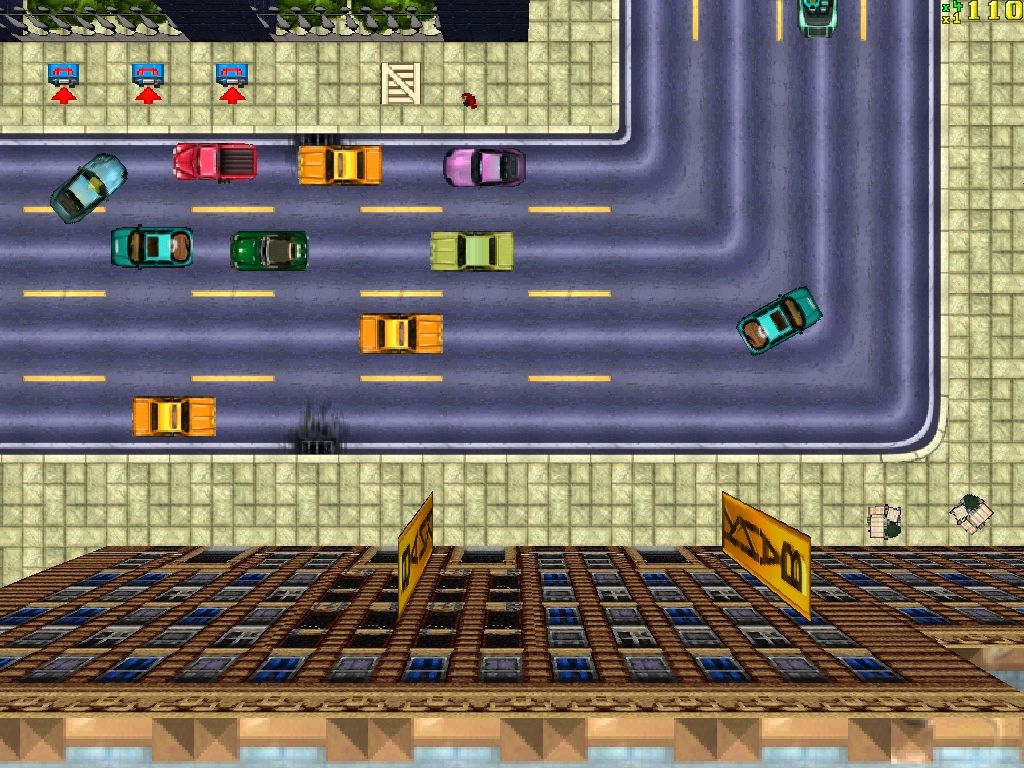
Rockstar Games was founded in 1998 in New York by British brothers Sam and Dan Houser, along with co-founders Terry Donovan, Jamie King, and Gary Foreman, under the publisher Take-Two Interactive. Their early development was not on a new game but the original Grand Theft Auto (1997). Those who played it will recall it as an open-world game with a bird’s-eye view perspective. Initially called Race ‘n’ Chase, the concept allowed players to choose to be either criminals or police. As a criminal, players could steal cars and escape; as police, players tried to stop criminals. Early problems, especially with police AI aggressively targeting players, led to DMA Design taking over and renaming the game Grand Theft Auto.
The first Grand Theft Auto lacked extensive detail or storyline but introduced fans to three cities: Liberty City, San Andreas, and Vice City (later a separate title). The main gameplay involved missions delivered via phone, such as car theft, police evasion, and causing damage to increase scores. The core concept was player freedom to do anything in a large city, including breaking rules. This concept became central to the Grand Theft Auto series and other Rockstar games.
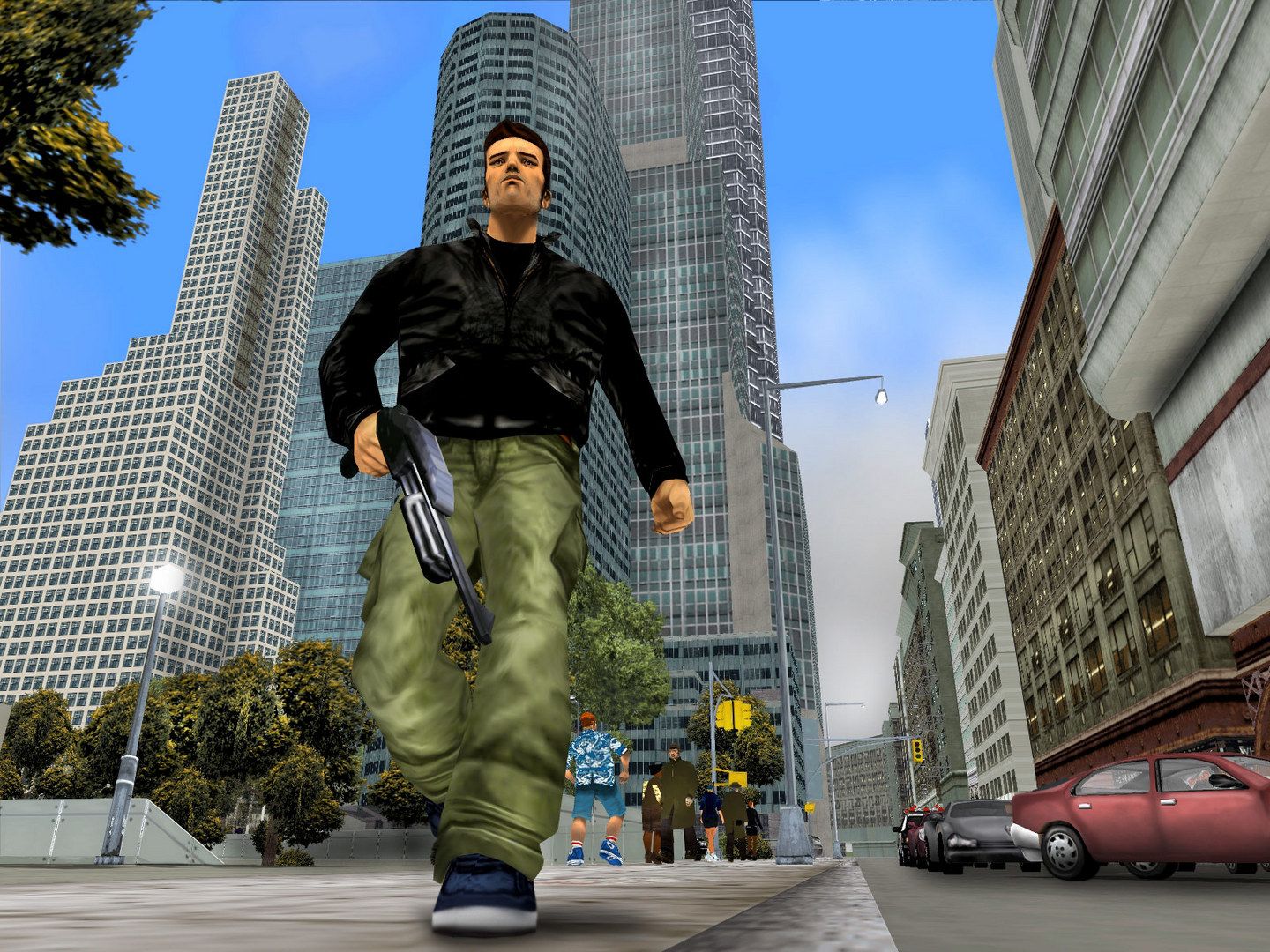
Early on, video games were often seen as children's toys, a notion disliked by the Houser brothers. Naming their company Rockstar was itself a form of rebellion, reflecting their focus on adult audiences. A turning point came with Grand Theft Auto III, which shifted from the top-down view to a 3D open world, with greater attention to story, realistic NPCs, and immersive worlds.
The Houser brothers said Rockstar differs from other studios by intentionally portraying heroes as villains to view American society from an outsider’s perspective. Using idealized heroes doesn’t reveal societal flaws. By making protagonists criminals, Rockstar can satirize the "American Dream," capitalism, media vulnerabilities, and consumer culture. They don’t aim to depict "true" America but rather how the world sees America. This explains why Rockstar avoids real names and places, instead capturing the essence of locations.
Being criminals also enhances the game's theme of freedom. A typical hero might choose between good and evil, but starting as a criminal involved in crime adds depth. Players can craft characters who are professional criminals with a good heart or psychopathic villains. Rockstar sees the criminal world as rich with interesting stories, as criminals have backgrounds shaped by society, not all inherently bad. Their risky lives make every decision compelling, involving themes like loyalty and betrayal, as seen in Red Dead Redemption 1 and 2.
Hard Work Behind the Dedication
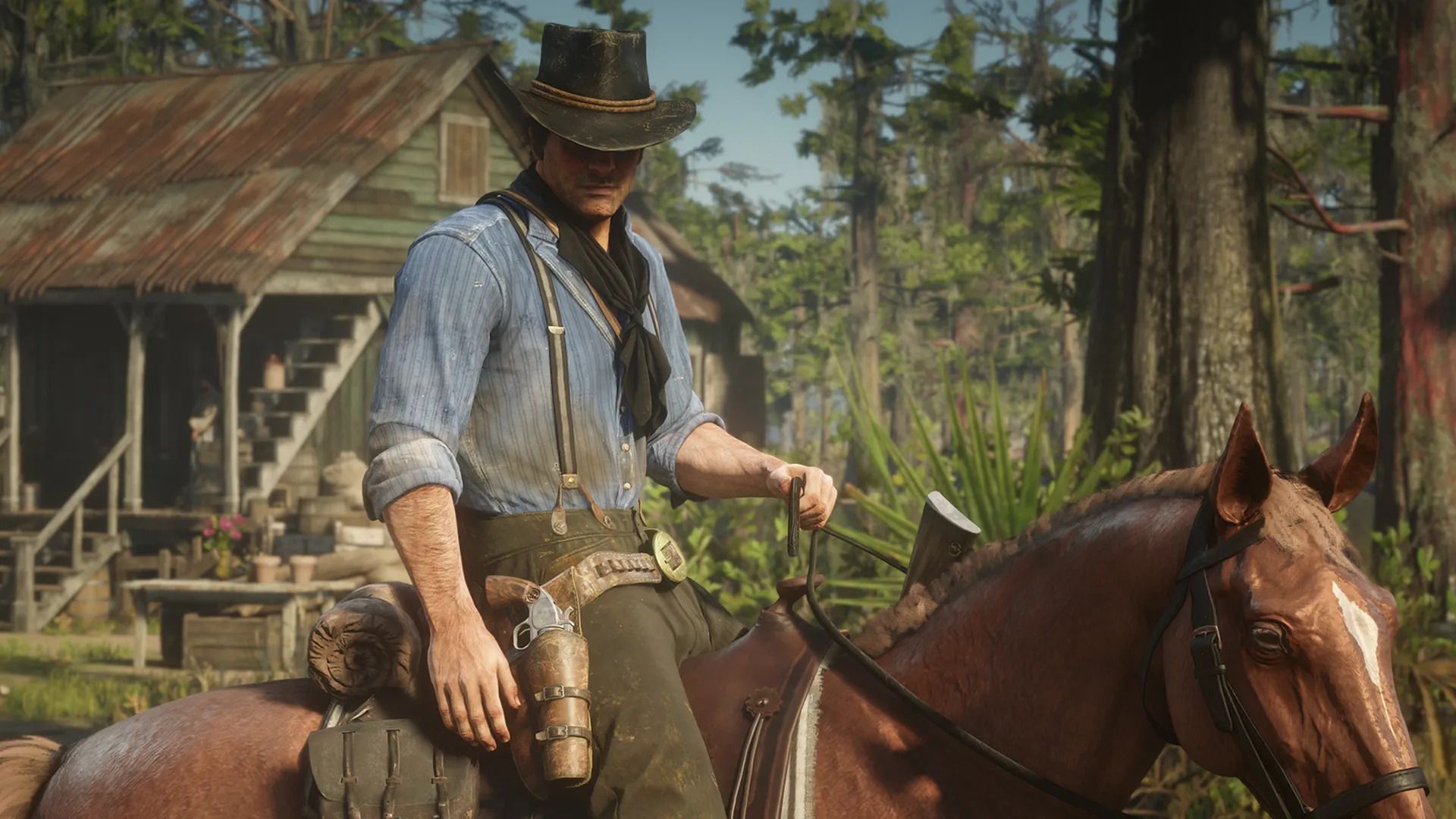
Red Dead Redemption 2 is another Rockstar game known for its slow opening that challenges players' patience, with slow character movements reflecting the story's pace. Its detail can overwhelm some players, leading to feelings of restlessness. Yet, over time, many recognized it as the best game of its era.
Rockstar broke conventions by not prioritizing player instant gratification, speed, or pure fun over detail. The development team aims for a cinematic quality rich in realism, including character behaviors and dialogue. Rockstar was among the first to use real actors for motion capture, not just for cutscenes but for all character movements—walking, falling, kneeling, riding horses or vehicles. For environments, they prefer filming real locations to recreating them digitally. Recently, a GTA 6 player noted a location in-game closely resembles his apartment, even showing the similarity. Each Rockstar game thus sets the benchmark for open-world realism, with many comparing new releases to Red Dead Redemption 2.
However, such detailed work led to problems. Reports revealed Rockstar's work culture involved 100-hour workweeks, according to Dan Houser during Red Dead Redemption 2's promotion. He referred to his own and senior team members’ hours, but journalists and social media speculated this might reflect multiple teams' combined efforts rather than one team’s workload.
Later, Rockstar required employees to sign confidentiality agreements about their work experiences. It emerged that many studios under Rockstar’s umbrella have baseline workweeks of 55-60 hours, with some reaching up to 80 hours without overtime pay. Additionally, if employees leave before project completion, their names are removed from credits, effectively erasing their contributions. These policies stem from the Houser brothers’ perfectionism.
People don’t just await GTA 6 because of the 13-year gap but due to expectations about how the open-world game standard will be raised and how engaging the story will be. Waiting for a Rockstar game is like waiting for a movie premiere, but one where players actively participate, experiencing another life to temporarily escape reality. On Metacritic, GTA 6 currently holds a critic score of 99/100 and a user score of 5.6/10 from over 100,000 users. For those who have played, what are your thoughts?
References: