

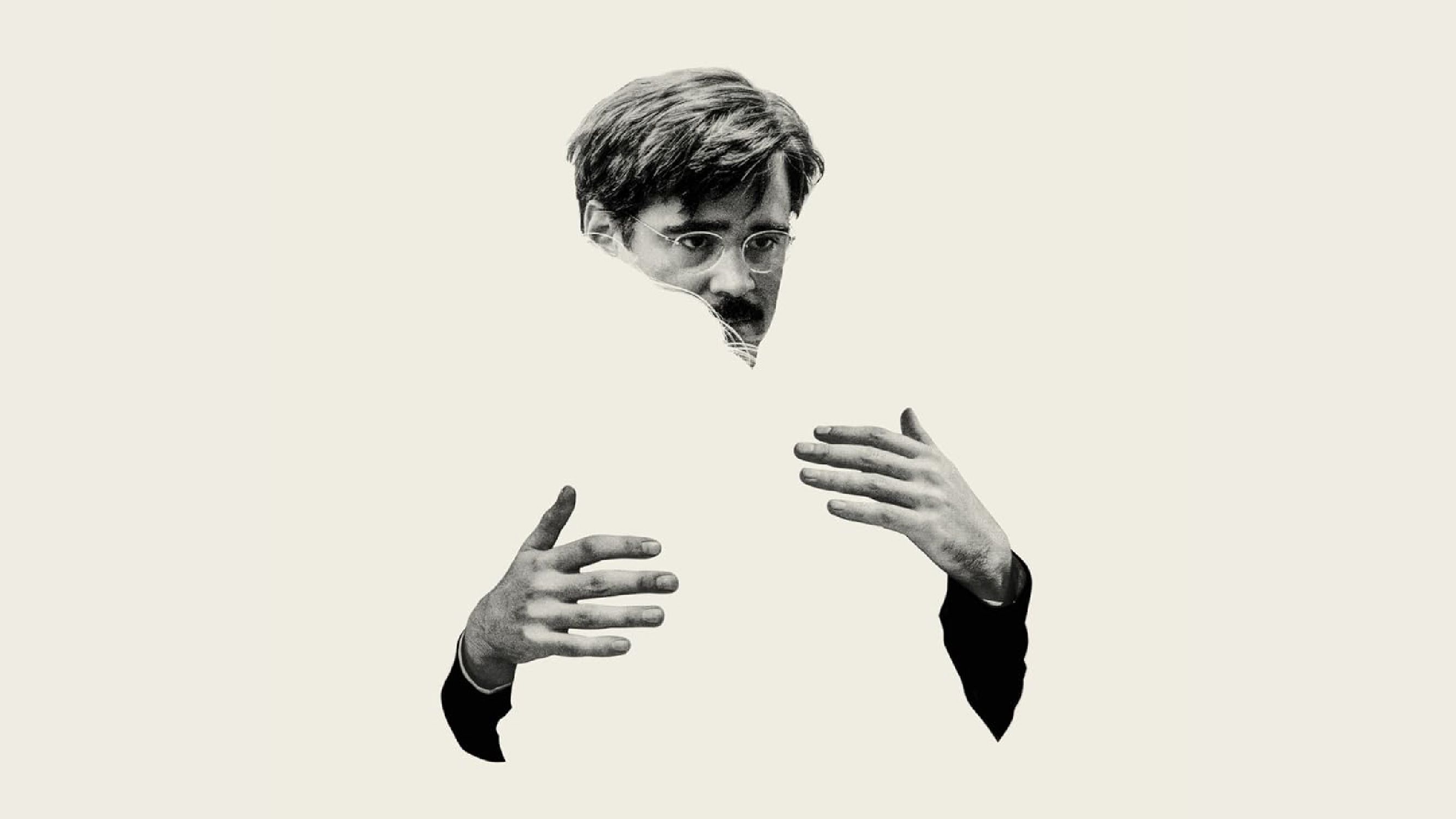
Steve Rose, a film critic from The Guardian, defined the Greek Weird Wave—a transformative movement in Greek cinema during the 2010s—as films told through surreal imagery, alienated characters, and strange dialogues.
In the following years, the Greek Weird Wave influenced not only Greek cinema but also had a huge impact on Hollywood and global film, becoming a new 'flavor' that many found strikingly appealing.
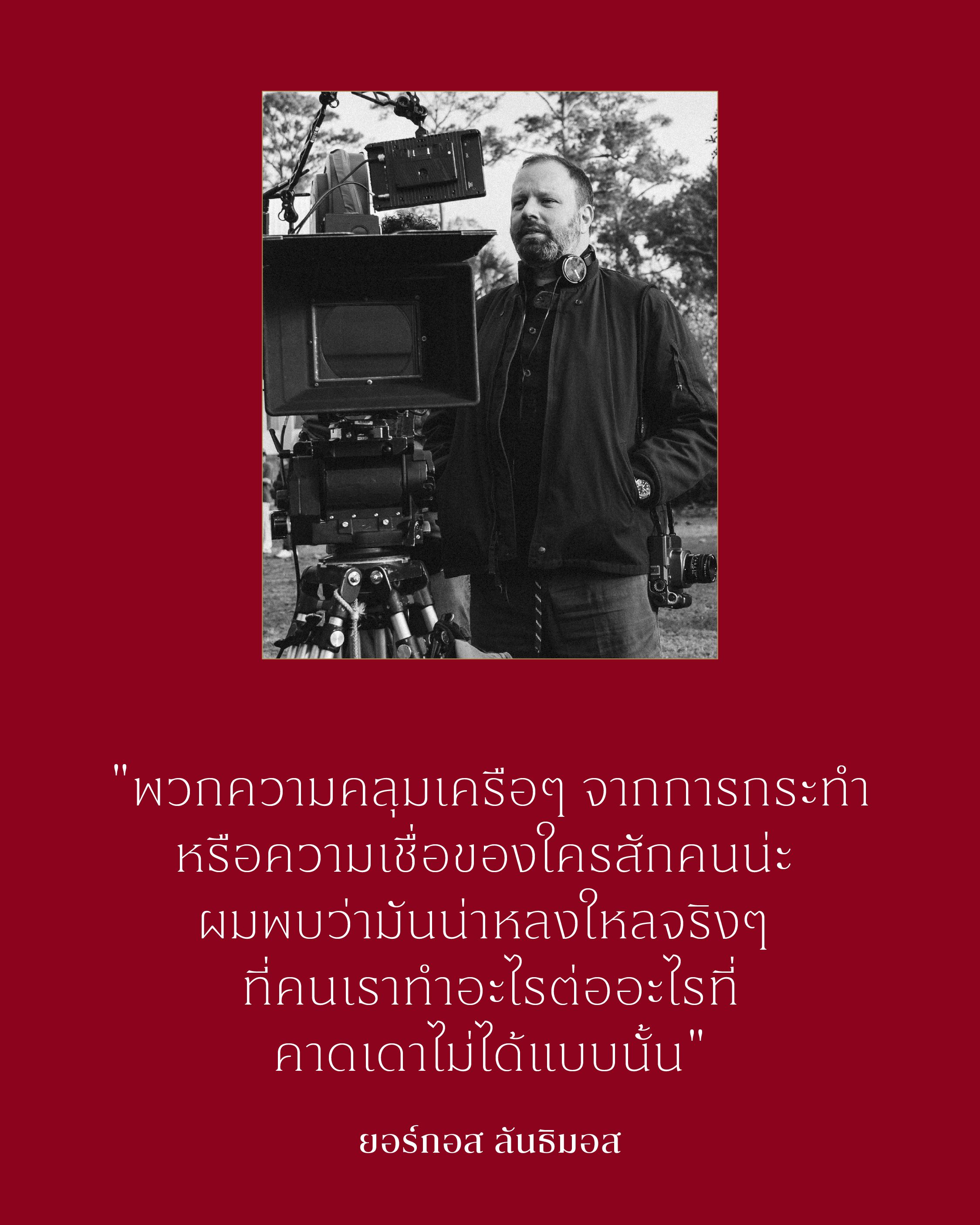
One of the leading figures of this weird film movement is none other than Yorgos Lanthimos, the Greek filmmaker known for his bizarre, absurd, and captivating storytelling style that’s hard to look away from!
"I just love these kinds of oddities!" he once said, and this weirdness has been evident since the very early stages of his filmmaking career.
In fact, Lanthimos’s youth had little connection to the Greek film industry. He is the son of Antonis Lanthimos, a former national basketball player who influenced his son more toward sports than cinema. Yorgos himself reached a professional level, playing for Pagrati BC, a second-division Greek basketball club (some joked that as a young player in his age group, he was in a better division than Giannis Antetokounmpo, the Greek-Nigerian NBA star who also played in a lower league at home). However, injuries struck early in his athletic career with no hope for recovery, leading him to study film at the Stavrakos Film School in Athens instead.
"I decided I didn't want to be a basketball player that badly," he said. "Because I figured I'd never be better than my dad."
That marked the early steps of the former athlete moving into filmmaking—unaware that two decades later, he would become one of Europe's most influential directors.
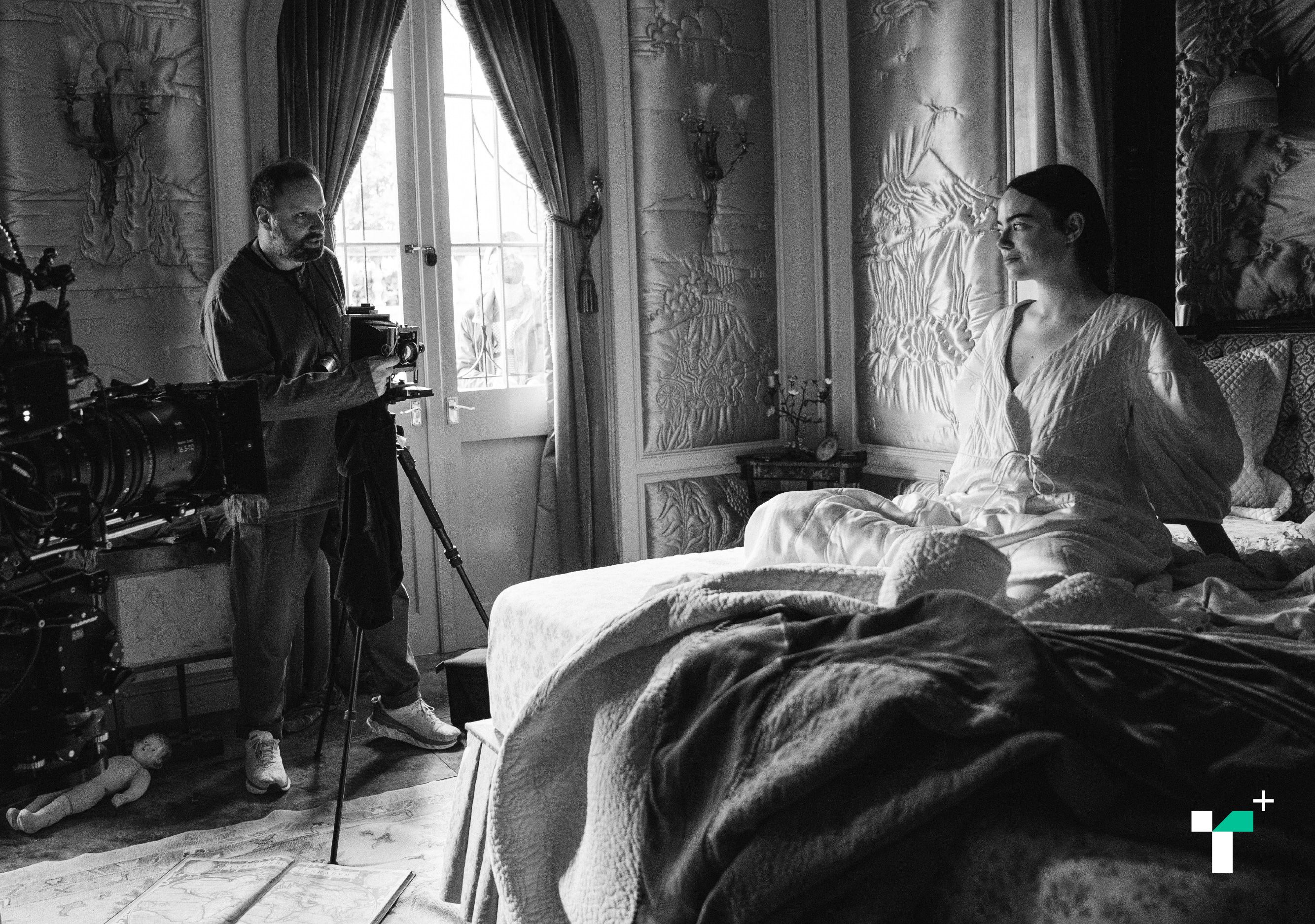
"Growing up in Greece, I never imagined I'd make films, not even once," he told The Guardian. "A 15-year-old boy living in Greece in the '80s and '90s saying, 'I'm going to be a filmmaker' was just a dream. Back then, there was no serious film industry. Maybe a few people made films regularly, but they never earned a cent."
After graduating, Lanthimos started working in television, producing commercials, music videos, and still photography. Though these jobs didn’t allow complete creative freedom, they provided valuable training in lighting, camera use, and technical aspects of filmmaking. "It was real work. I didn’t have to do marketing or anything else. I told myself, ‘Yeah, it’s not filmmaking exactly, but it’s close enough,’" he said. "I can say I gained a lot of technical skills from doing commercials."
Mastering technical precision with cameras and equipment helped Lanthimos relax behind the scenes and opened mental space to imagine possibilities beyond commercials. This work also gave him the financial base to dream big and make his first film. "I asked myself, ‘Why not just make a movie? I don’t need tons of money. Just get a camera, pay for film, crew, actors, find locations, and shoot what I want. What’s the big deal?’"
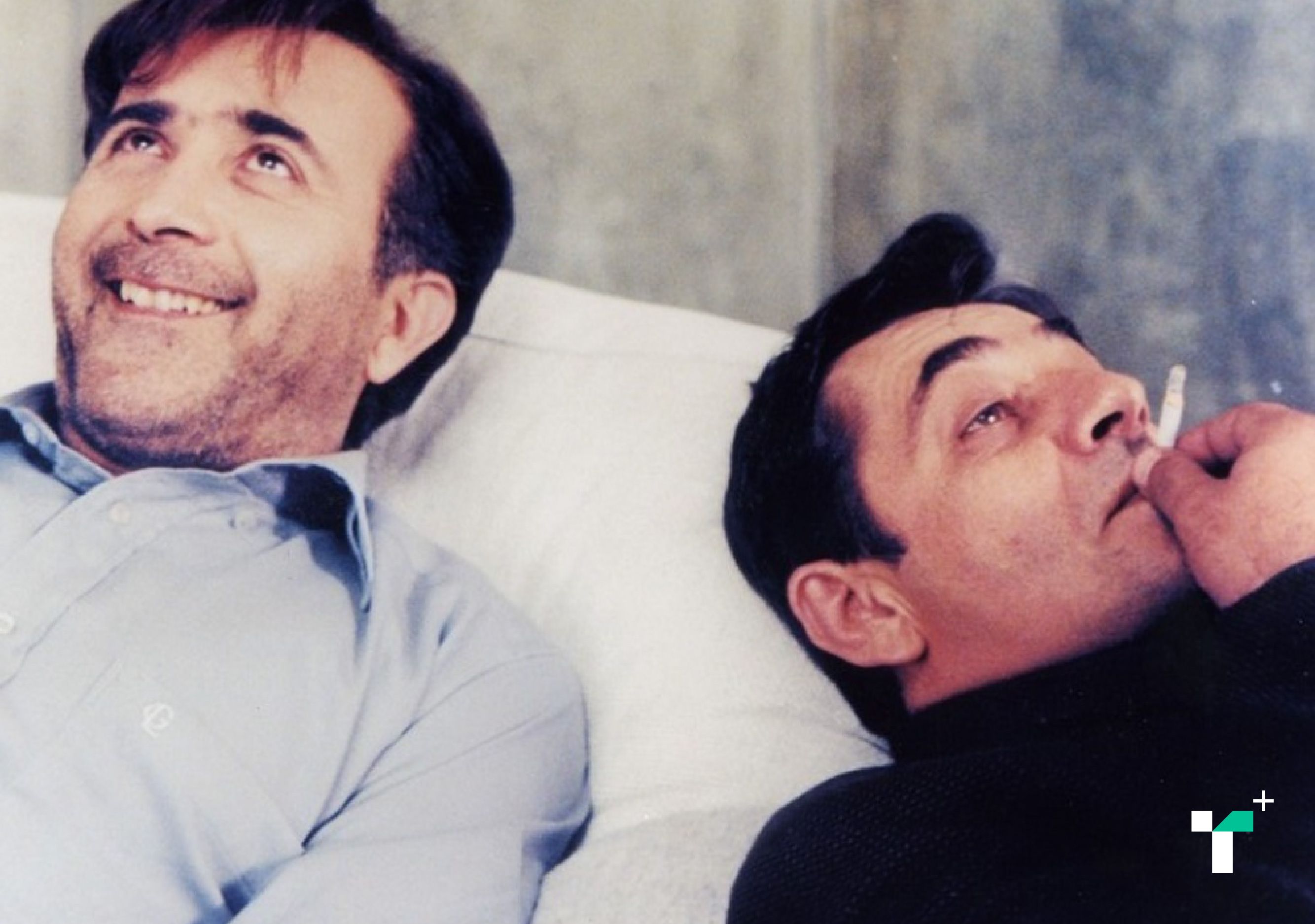
My Best Friend (2001)
That led to My Best Friend (2001), Lanthimos’s first feature film, co-directed with Greek comedian Lakis Lazopoulos. The story follows a young man traveling to an important place but missing his flight, returning home to find his lifelong best friend in bed with his wife.
Though My Best Friend was Lanthimos’s debut and made on a shoestring budget in just a few locations, it already showed signs of his eccentric style with scenes involving flatulence, warm air blown onto a woman’s intimate area, and infrared camera shots of lovers in bed (!). While not a blockbuster, it established Lanthimos as a new director and earned enough modest profit to fund his next project. "I never expected anyone to watch it. For me, it was a film made for close friends, who would be proud it existed," Lanthimos said. "But somehow, people liked it, and it turned out I might really make films as a career."
While the co-directed film did well, it was not so with Kinetta (2005), Lanthimos’s first solo feature. Critics described it as 'eye-straining' and 'dizzying,' with 'ninety minutes of nonstop shaky handheld camera.' The film follows three people near a beach resort—a plainclothes cop obsessed with cars, a Russian photographer, and a resort housekeeper—who gather to reenact a mysterious murder, blurring lines between reality and performance.
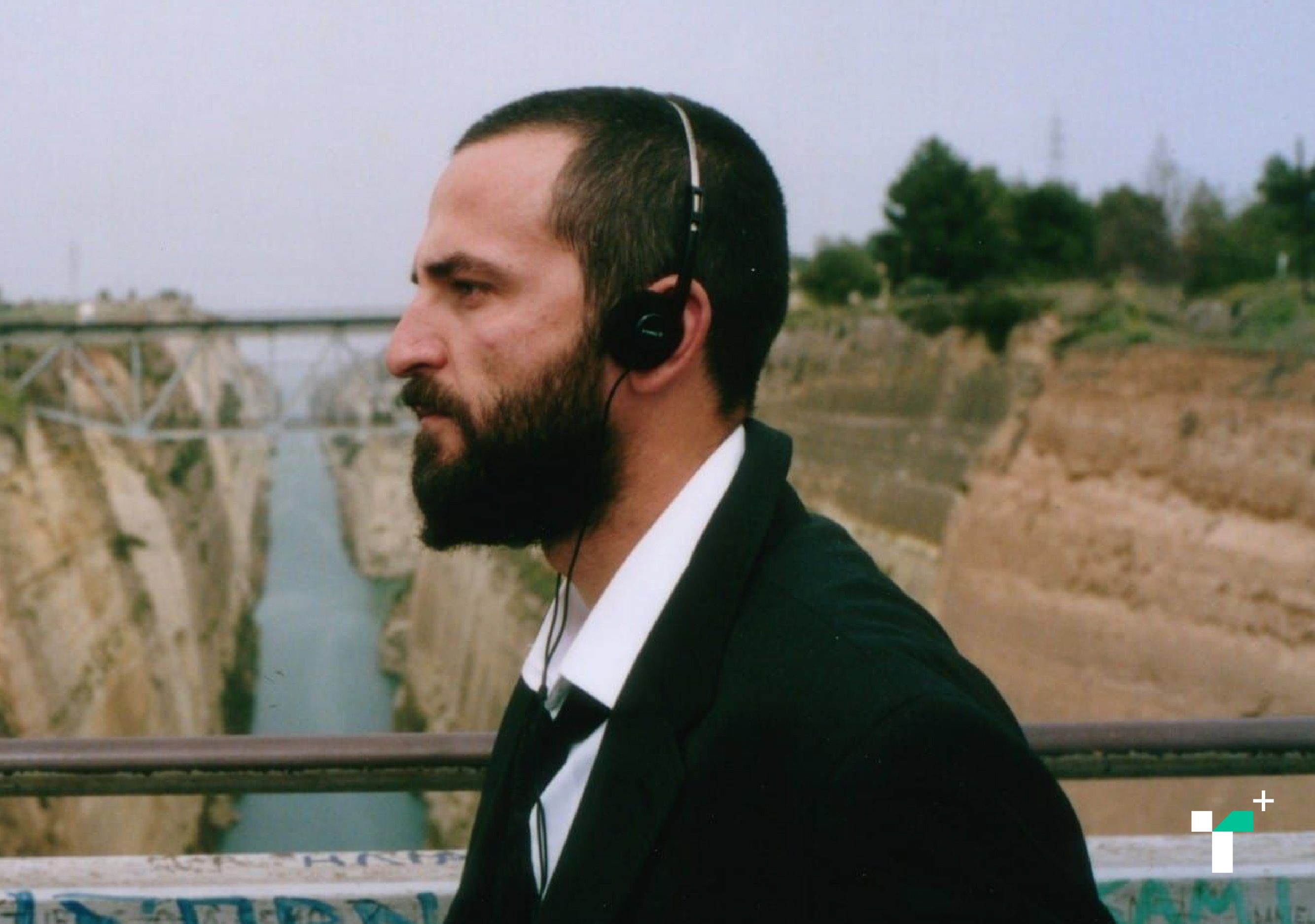
Kinetta (2005)
Some critics called Kinetta an experimental film, especially for its intentionally nauseating handheld camera work. Many saw it as Lanthimos revealing his 'signature' traits: awkward character behavior, obsessive fixations, and dialogues detached from reality. It was clearly a low-budget indie, with characters living in only a few locations (again). "We only had one 16mm camera, the shooting locations, and the actors," Lanthimos told Vanity Fair. "No lighting, no makeup, no extras; whatever we lacked, we borrowed from friends."
Kinetta may have been a deliberate reversal of Lanthimos’s years in commercials, intentionally rough and raw, with harsh natural light and shaky camerawork. "We started this movie very naïvely," Lanthimos said. "We didn’t know anything about film production because we’d never done it before, but we managed to finish it."
"We were so naïve that for the first few days of shooting, I didn’t even know what we were doing. But after a few days, I saw the direction the film should take. It was more about shooting and simultaneously trying to sketch the film's shape rather than having a clear image and trying to execute it."
Lanthimos broke out internationally with Dogtooth (2009), a bizarre film made on a $290,000 budget that won the Un Certain Regard award at Cannes and was Greece’s submission for the Best Foreign Language Film Oscar. It garnered strong critical praise in Europe and the U.S., especially for its strikingly odd and unsettling nature.
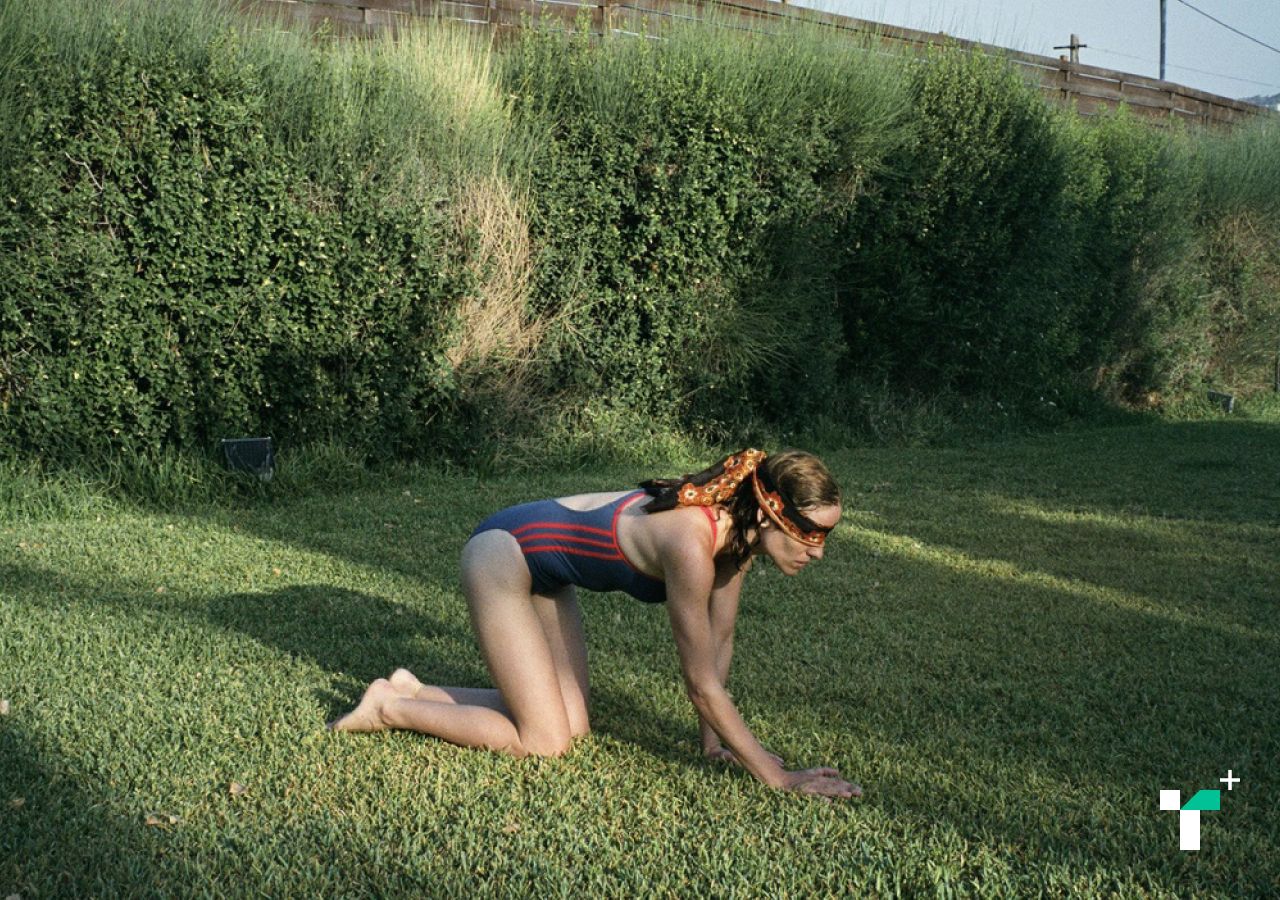
Dogtooth (2009)
Dogtooth depicts a middle-class family where the father works outside, and the mother cares for their three children at home. The strict rule: everyone except the father must never leave the house. The children are indoctrinated to fear the outside world, seen as deadly. The family even invents their own language (e.g., “keyboard” means female genitalia) and maintains distorted customs and beliefs imposed by the parents.
Dogtooth also marks Lanthimos’s first collaboration with Efthimis Filippou, who became his long-time screenwriting partner. Filippou’s work often explores morality and middle-class social norms, harmonizing with Lanthimos’s darkly comedic style that forces viewers to confront discomfort—a signature approach in Lanthimos’s films. Scenes include parents hiring an outsider to teach their son sex, the characters’ curiosity about bodies, and awkward dancing at a house party that feels like a punishment.
"I knew Efthimis from working in advertising; he was a copywriter who had never written a film script before," Lanthimos explained. "But I saw something special in his previous work—these crazy ad ideas that would never get made."
"That's when I asked him if he wanted to try writing a film script with me... I had some weird ideas."
The eerie concept of Dogtooth originated from Lanthimos’s questioning of the modern family system—parents and children isolated from a fluid, constantly changing outside world. Viewers share the siblings’ experience of never seeing the outside world.
"I pondered the future of family structures—whether families might collapse and people no longer want to live as families," Lanthimos said. "I joked about this idea with friends who had just started families, but they took it very seriously. That made me realize that parents, when sensing danger or strangeness, will fiercely protect their family members."
"That’s how this film idea developed."
Although critics praised Dogtooth, some viewers disliked its oddness, bitter dialogue, and certain violent scenes. For Lanthimos, this division was a great joy. "Some people said it was funny, others said it wasn’t because the dark themes overshadowed any humor," he said. "But I love that. I like when a film opens a wide space for diverse audience reactions."
"I don’t like films where everyone walks away with the same feeling. I prefer when people have very different experiences."
Dogtooth’s success brought Lanthimos international recognition. At the time, he was a promising young European filmmaker, but funding his next film was challenging. "Even though we shot Dogtooth very frugally, we had to tighten the belt even more for the next film," he said. "Dogtooth got a lot of attention because it was Oscar-nominated and won many awards, which we never expected. We just wanted to make the next film immediately."
Dogtooth’s success increased interest from foreign producers, leading to Alps (2011), a co-production between Greece, France, Canada, and the U.S., with Filippou again co-writing. The story follows a group calling themselves 'Alps,' some former gymnasts who impersonate the recently deceased to comfort grieving families. Clients describe behaviors, clothing, and events that remind them of the deceased, which the Alps members then reenact.
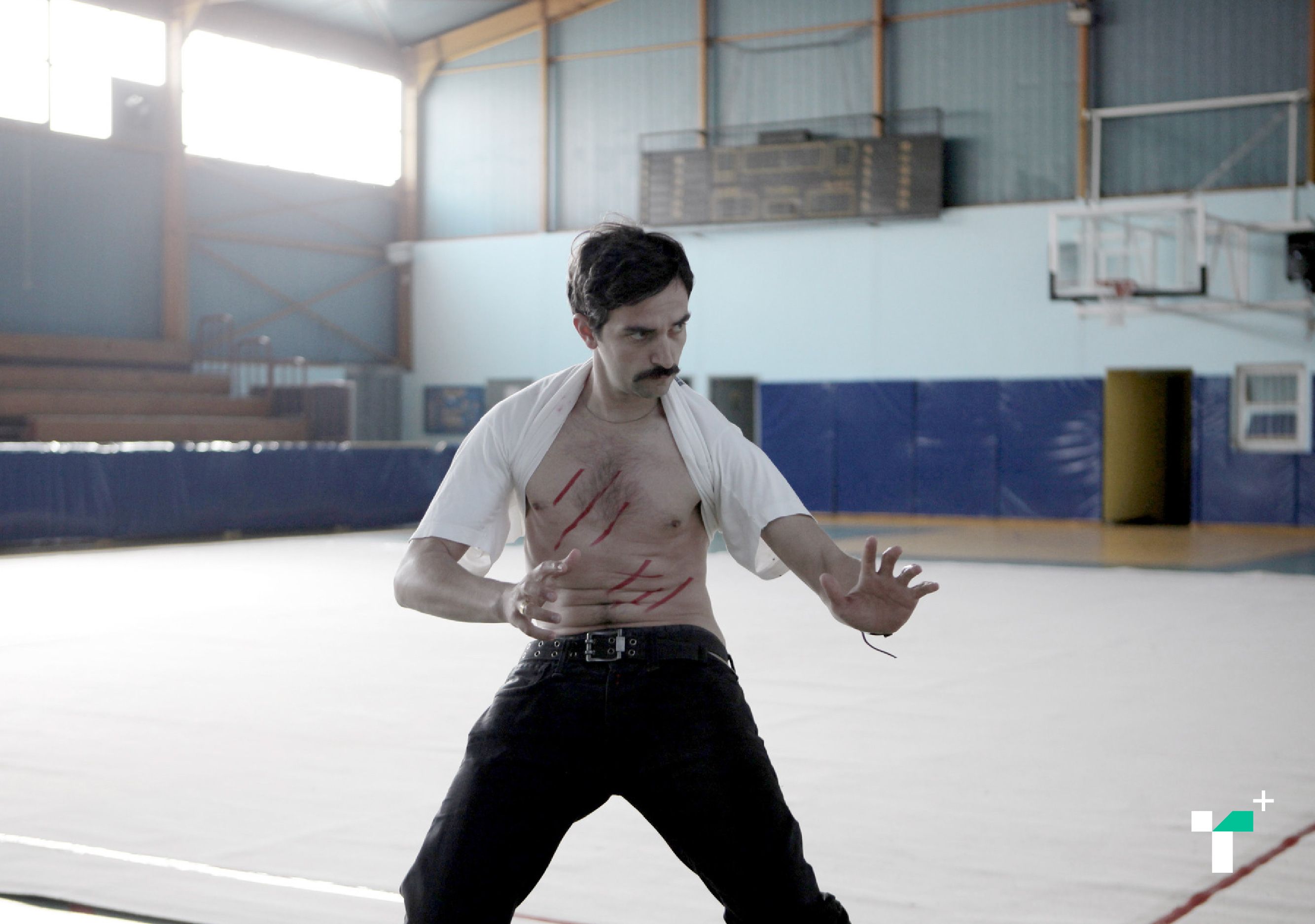
Alps (2011)
"I wasn’t interested in who the Alps people were but rather the consequences of their existence—how they affect others, change people, and how far they push relationships," Lanthimos said.
For Alps, Lanthimos instructed actors to read the script only once and filmed without rehearsals to keep performances spontaneous. "I just made sure we had enough time to reshoot if needed. Sometimes we finished scenes quickly, so actors on set would film other scenes," he said. "Many scenes were cut from the final film but helped actors understand the characters’ emotions, which ultimately appear in the film."
Alps is full of awkwardness and explores death from an unusual angle. "There are two levels of fakery in the film. People have different ways of accessing their personal truth, but for the audience, it’s okay—things can be compromised," Lanthimos explained. "We explore the distinction between when the characters are themselves and when they impersonate the dead, shown through awkward behavior. The dead impersonations look unrealistic, made more artificial by the uncomfortable environment."
Alps won Best Screenplay at Venice Film Festival, and both the film and Lanthimos were nominated for the Golden Lion. It opened doors for him to direct his first English-language film, The Lobster (2015), a seven-nation co-production (Ireland, UK, Greece, France, Netherlands, Belgium, U.S.). The Lobster earned Lanthimos a Palme d’Or nomination at Cannes and later an Oscar nomination for Best Original Screenplay.
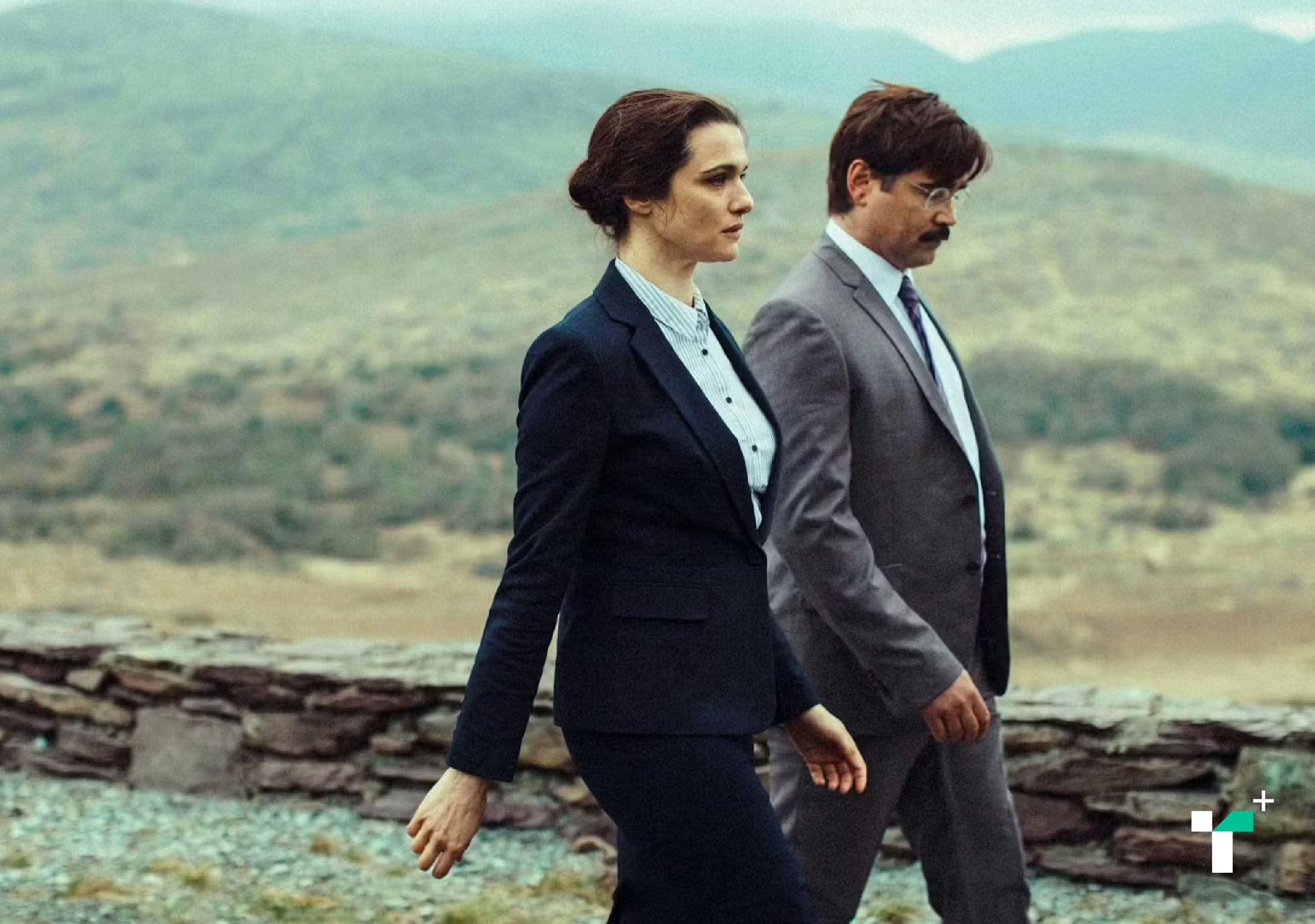
The Lobster’s wild plot depicts a dystopian future where the law requires everyone to be in a couple. Singles are sent to a hotel and have 45 days to find a partner; failing that, they transform into an animal of their choice and are released into the suburban wilderness.
David becomes single after his wife leaves him for another man. Sent to the hotel to find a new partner (or become an animal—David chooses a lobster, believed by some to mate for life), he must follow strict rules: no masturbation (though physical contact with staff is allowed), listen to state propaganda about the benefits of coupledom, and if 45 days aren’t enough, extend time by hunting singles who fled to the woods. David escapes the hotel to join these outcasts, only to find their own strict rule forbidding them from coupling. Complications arise when he falls for a near-sighted woman amid this strange world that forbids love.
"After Alps, I went to London to make an English-language film and found it much harder than I thought," Lanthimos said. "It took a long time to get it right. Maybe it was my fault, but many misunderstood my tone or style. When I pitched The Lobster, many disliked it, thinking I was trying to make an easier English film."
But The Lobster was as challenging as Lanthimos’s earlier films, critiquing social cages like the family system in Dogtooth, death in Alps, and coupledom under state control. He got the idea from conversations with Filippou. "We talked about whether people really need to be in relationships all the time and why being single is viewed negatively. Society tends to look down on people without partners," he said. "We explored the complexity of adapting to someone else, the wounds and fears of entering relationships again, and reactions to love, solitude, and companionship."
"I think The Lobster explores what being single means, what loneliness is, and how societal conditions affect relationships when people link their lives."
The Lobster was Lanthimos’s first film with big-name actors like Colin Farrell, Rachel Weisz, and Léa Seydoux. "A few years earlier, I saw Dogtooth and told a friend, ‘Who makes films like that? Are they in prison or roaming free?’ It was creepy but brilliant," Farrell recalled. "Four years later, I got a call from Yorgos about his first English film, and reading the script left me very confused."
"Getting the film made was tough, but it really happened when Colin and Rachel came on board," Lanthimos said. His working style also changed completely. From borrowing friends and fixing things as they went, he had to become fully professional. "On the first or second day of shooting, an assistant director sat next to me, tapping his watch, saying, ‘You have two minutes left for this scene.’ I was shocked," he said. The film succeeded, earning $18 million on a $4 million budget and paving the way for Lanthimos to work again with Farrell on The Killing of a Sacred Deer (2017), which got another Cannes Palme d’Or nomination.
The Killing of a Sacred Deer (2017)
The film chillingly unfolds in the Murphy family: Steve (Colin Farrell), a heart surgeon and devoted father; Anna (Nicole Kidman), caring for their two children. Steve meets Martin (Barry Keoghan), a mysterious young man whose father died years ago and who forms a complex bond with Steve. Steve introduces Martin to his family, who seem to like the newcomer.
Strange events occur when Steve’s children suddenly can’t walk. Medically, they appear fine, but amid Steve’s fear and confusion, Martin reveals the children are cursed. To lift the curse, Steve must sacrifice a family member.
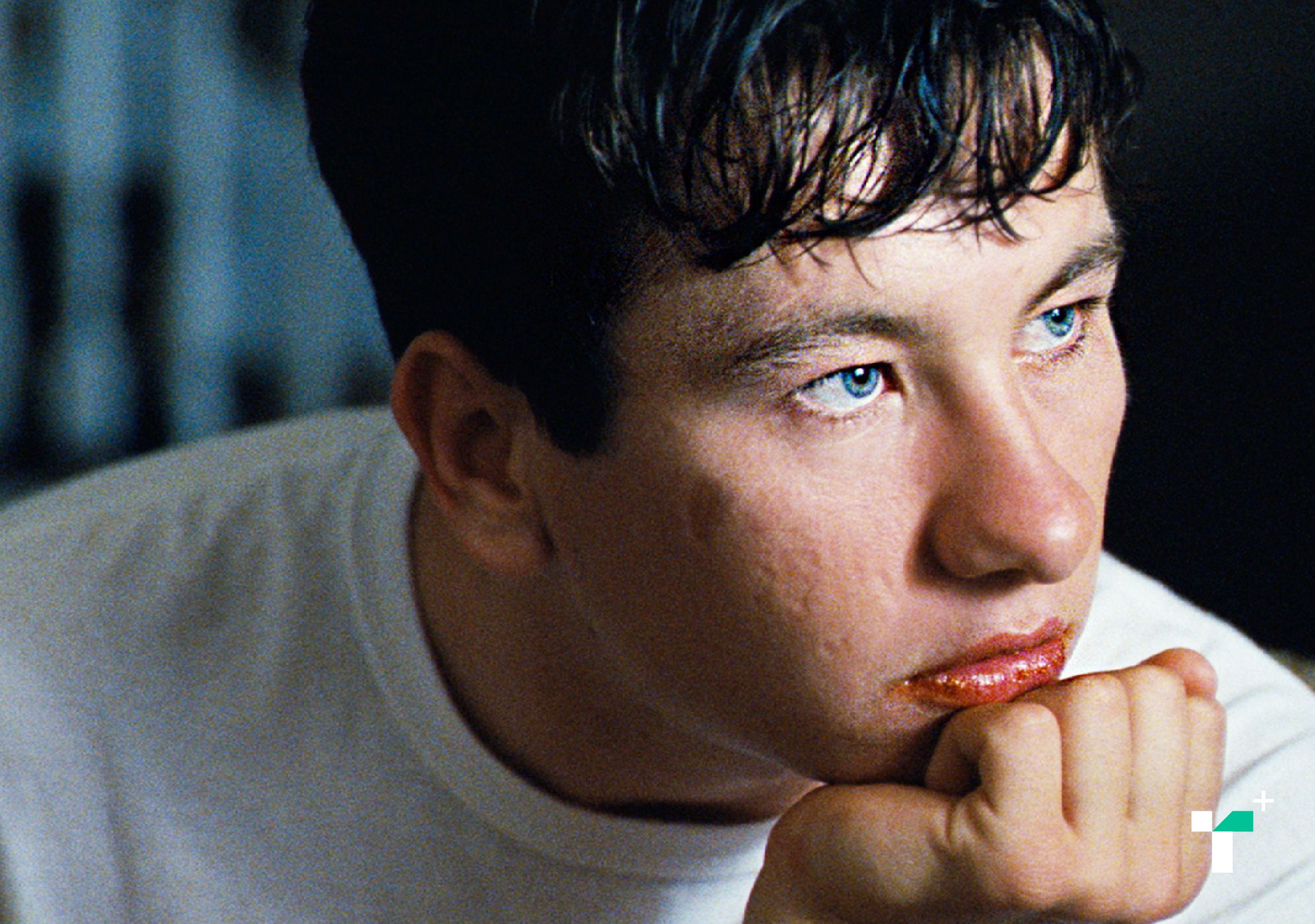
The Killing of a Sacred Deer (2017)
"The story begins with a young man seeking justice for his father’s death," Lanthimos explained. "It’s interesting how Martin, a teenager, can intimidate an older, more mature man, turning the power dynamic upside down."
"Another theme is justice and the ambiguous situation Steve faces. He’s a doctor, and whether what happened was his fault remains unclear, leading to many unanswered questions and contradictions."
The film remains unsettling, opening with bloody heart surgery, cursed children, stressed adults nearing madness, and strange discussions about body hair and first menstruation, reflecting adolescent physical changes, culminating in a painful revenge scene. Lanthimos described it as "the tragic story of the little deer sacrificed."
Following The Lobster and The Killing of a Sacred Deer as his English-language films, Lanthimos created The Favourite (2018), which received ten Oscar nominations including Best Picture. Loosely based on Queen Anne’s life (played by Olivia Colman—whom Lanthimos insisted was the only choice), it’s set in 1705 England during costly wars with France, marked by famine and public unrest. The queen suffers ill health and emotional trauma from losing 17 children, making her difficult to approach. Sarah (Rachel Weisz, reuniting with Lanthimos) manages state affairs and is the queen’s close confidante and bedmate.
The queen’s relationship with Sarah, who seems to dominate, is disrupted when Abigail (Emma Stone), a country girl, arrives as a servant and quickly becomes the queen’s favorite.
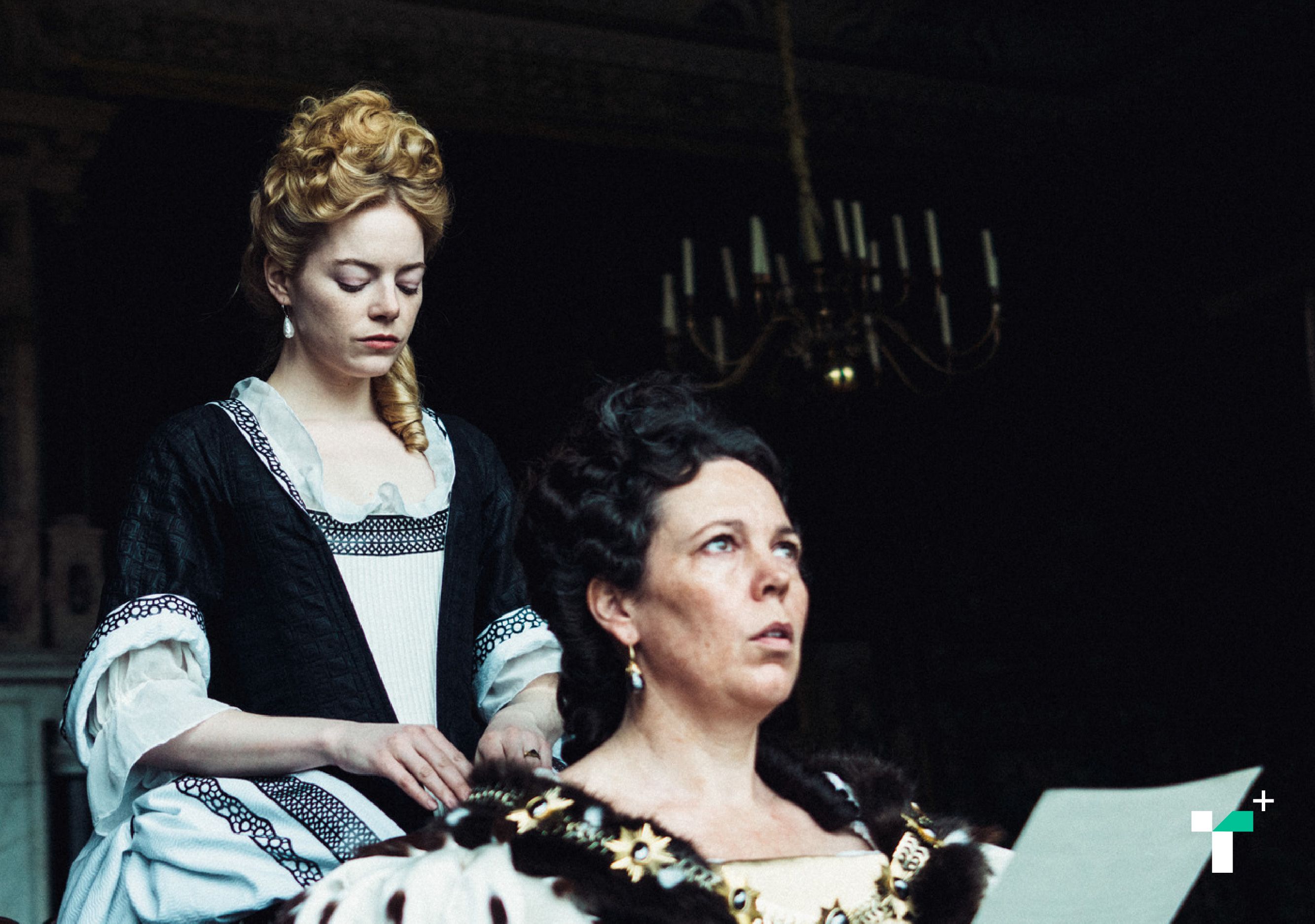
Lanthimos admits he’s no expert on British politics or history but found the stories of these women fascinating. "I read about these women, how they treated each other, their historical stories—especially Anne’s personal struggles," he said. However, he faced criticism for focusing mostly on male stories, so tackling women’s power struggles was a challenge. "Well, I’m a man telling these women’s stories. Clearly, I don’t know much about them, but if my film reveals their humanity, that’s enough."
Like his earlier films—though without Filippou—The Favourite tells its story through absurd acting and awkward interactions, yet doesn’t lose the human element. Colman said, "I can imagine how it feels to lose 17 children repeatedly, though I don’t want to think about it. Once I understood Queen Anne, I didn’t care what she did. If this happened to me, I’d do the same." Colman won the Oscar for Best Actress for this role (and famously screamed 'Lady Gaga!' during her acceptance speech).
The Favourite is a historical film that takes liberties with accuracy. Lanthimos cheerfully admitted adding his own twists. Despite its weird tone and distorted camera angles, it reveals Queen Anne’s vulnerability amid a turbulent 18th-century England.
After a six-year break from feature films to make shorts, Lanthimos returned with the wildly eccentric Poor Things (2023), adapted from Alasdair Gray’s 1992 novel. It tells the strange story of Bella (Emma Stone, delivering a stunning performance), a woman with an adult body but a baby’s brain. Godwin (Willem Dafoe), a mad scientist, finds the body of a pregnant woman who committed suicide, removes the fetus, implants its brain into her, and revives her. Bella then develops astonishingly fast.
Bella is curious and inquisitive, exploring not only science with Godwin—who may be her godfather—but also her body and sexuality. Self-pleasure awakens her sexual awareness. She travels with Duncan (Mark Ruffalo), a lawyer who claims he can satisfy her every desire. Their journey exposes Bella to wonders: power from sexuality, social marks placed on women, and owning her body fully.
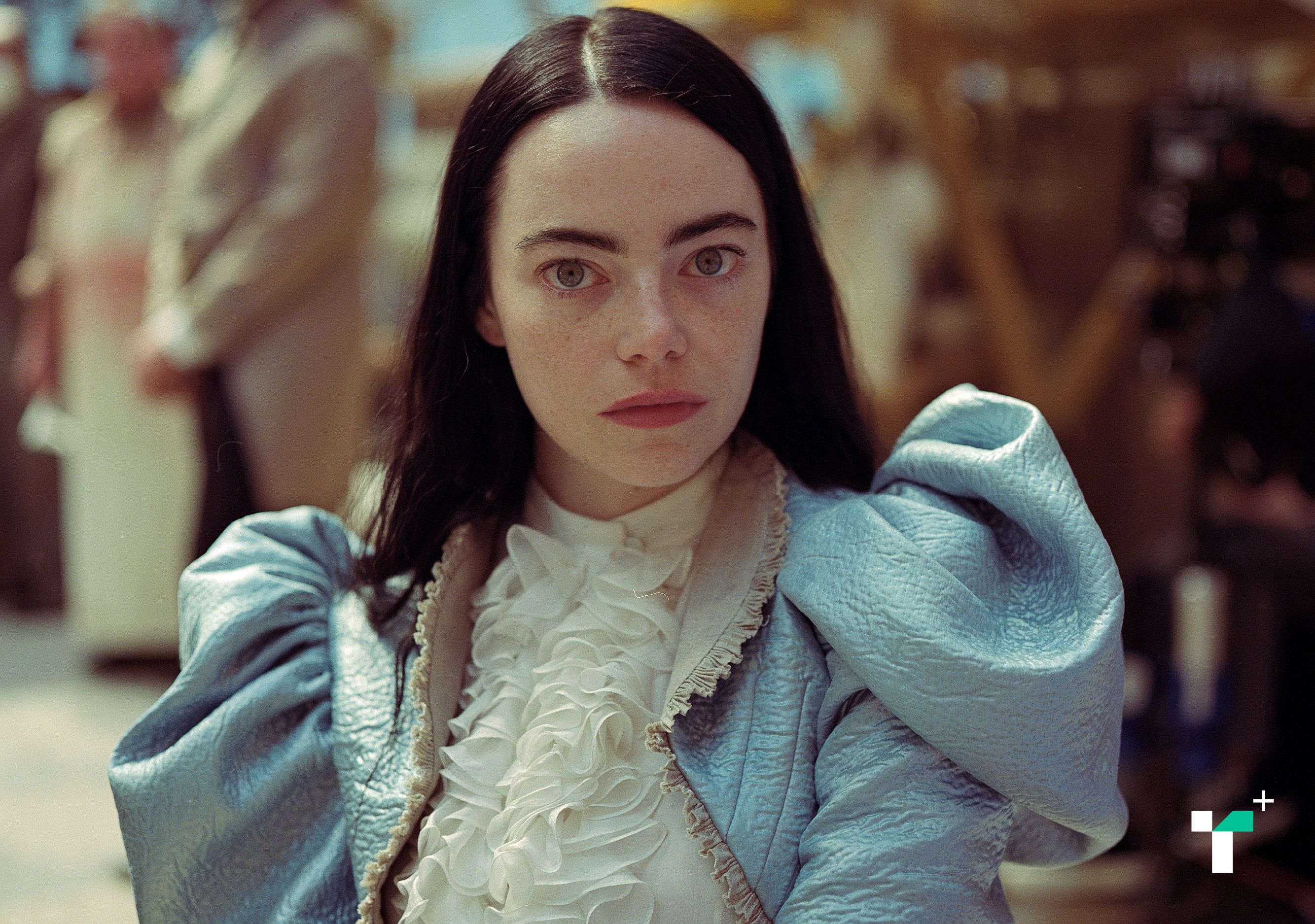
Lanthimos read Gray’s novel years earlier and wanted to adapt it immediately, but lacked industry standing then. "Making The Lobster proved I could make English-language films, and The Favourite’s success opened doors for me to make any film I wanted," he said. He even traveled to Scotland to secure rights. Sadly, Gray passed away shortly before filming finished. For Lanthimos, the long process of making Poor Things matched his own long journey proving himself in the industry. "It took a long time, but I kept thinking about his book."
Critics noted that Lanthimos’s female characters are often strong, dangerous, and sometimes cruel—from Queen Anne, who wields immense power without hesitation, to Bella, innocent yet stubborn, refusing to live under Godwin’s or Duncan’s control. However, some criticized the portrayal of femininity, reading the film as women needing death and male resurrection to achieve freedom. Lanthimos embraces all critiques. "I like exploring ambiguities in people’s actions and beliefs. I find it fascinating how unpredictable human behavior can be."
One of the film’s most impressive aspects is Emma Stone’s performance, which expresses Bella’s development mainly through movement—from early awkward walking to later intimate self-exploration. "We shot in story order, except for the end, which was faster," Stone said. "So I had to perform Bella’s early and late stages without the middle in between, requiring intense rehearsal and debate."
"I recommended films to Emma, like Werner Herzog’s The Enigma of Kaspar Hauser (1974) and Milos Forman’s The Firemen’s Ball (1967)," Lanthimos said. "We spent a long time deciding how Bella’s development should unfold in movement and speech."
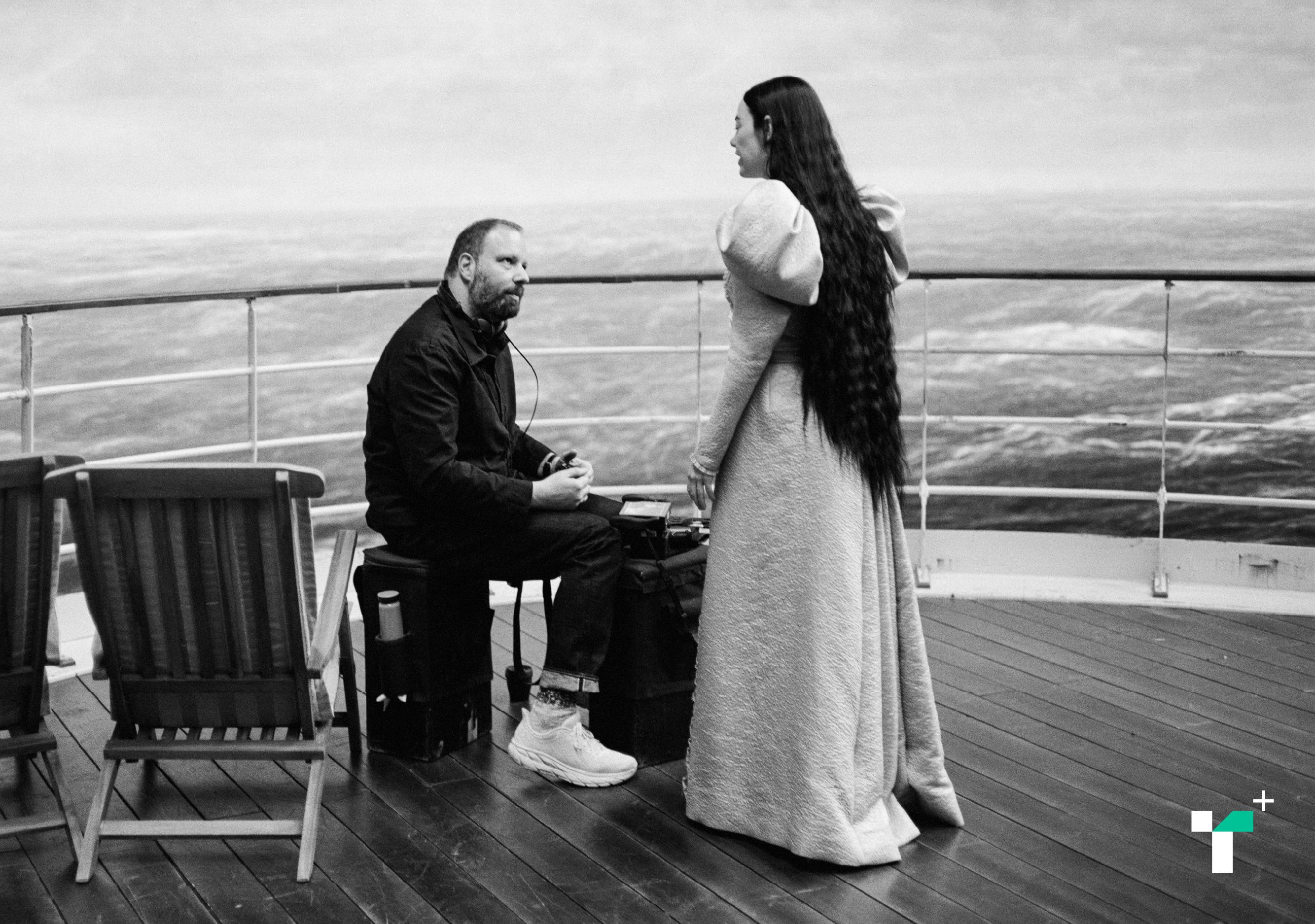
Poor Things received 11 Oscar nominations, winning four including Best Actress for Stone (who famously danced on stage to 'I'm Just Ken' during her acceptance). It grossed $117 million on a $35 million budget. Lanthimos then reunited with Filippou for the star-studded Kinds of Kindness (2024), composed of three loosely connected short stories linked by the character R.M.F., a side character observing the main characters’ bizarre fates. The cast includes Emma Stone, Jessie Plemons, Willem Dafoe, and Margaret Qualley.
The first story, The Death of R.M.F., follows Robert (Plemons), who obeys Raymond’s (Dafoe) orders without question. Raymond is both his boss and possibly partner. From trivial matters like breakfast and living with a woman who becomes Robert’s wife, to scheduled lovemaking days, until an order arrives: Robert must run someone over with a car, causing turmoil and resistance that destroy his life. Robert also discovers Rita (Stone), a mysterious woman linked to Raymond’s orders.
R.M.F. Is Flying tells of Daniel (Plemons), a policeman grieving his wife Liz’s (Stone) disappearance at sea. Suddenly, Liz returns, unchanged except for altered personality and larger feet that no longer fit her shoes. Daniel suspects this isn’t the real Liz and protests by fasting, insisting he’ll only eat parts of Liz’s body—fingers or liver—if she truly loves him.
The final story, R.M.F. Eats a Sandwich, centers on Emily (Stone) and Andrew (Plemons), members of a cult believing humans can purge negative energy by sweating in a sauna (measured by the leader licking sweat). Assigned tasks by their leader, Emily reconnects with her family and past before joining the cult, complicating her path toward purification.
Though divided into three shorts, Kinds of Kindness matches Lanthimos and Filippou’s earlier works in strangeness. "We always write ideas even while working on separate projects," Filippou said, with Lanthimos adding, "When we reunite, we dust off old projects. This one started as one story, then we decided to experiment by expanding it into three, discussing structure and whether to use the same actors to strengthen the film."
"I think the film raises questions about relationship complexities, freedom of choice, and whether societal rules help or hinder us. Is life better without rules?" Lanthimos said. Yet he offers no fixed answers, focusing instead on exploring life’s complexities under and without rules. "Sure, we live freely, but that comes with responsibilities. Everyone copes differently. For many, limitations feel like prisons."
Kinds of Kindness earned Lanthimos another Palme d’Or nomination at Cannes and won Jessie Plemons Best Actor. He cast Plemons as lead in his upcoming Bugonia (2025), an unpredictable remake of Korean film Save the Green Planet! (2003). It tells the chaotic story of Michelle (Stone), a top pharmaceutical CEO suddenly kidnapped by Teddy (Plemons), a beekeeper obsessed with conspiracy theories who believes Michelle is an alien infiltrator bent on destroying Earth. He forces her to negotiate with extraterrestrials to stop their mission. Meanwhile, he shaves her head, believing her hair connects her to the spaceship, causing Michelle great distress as she tries to escape.
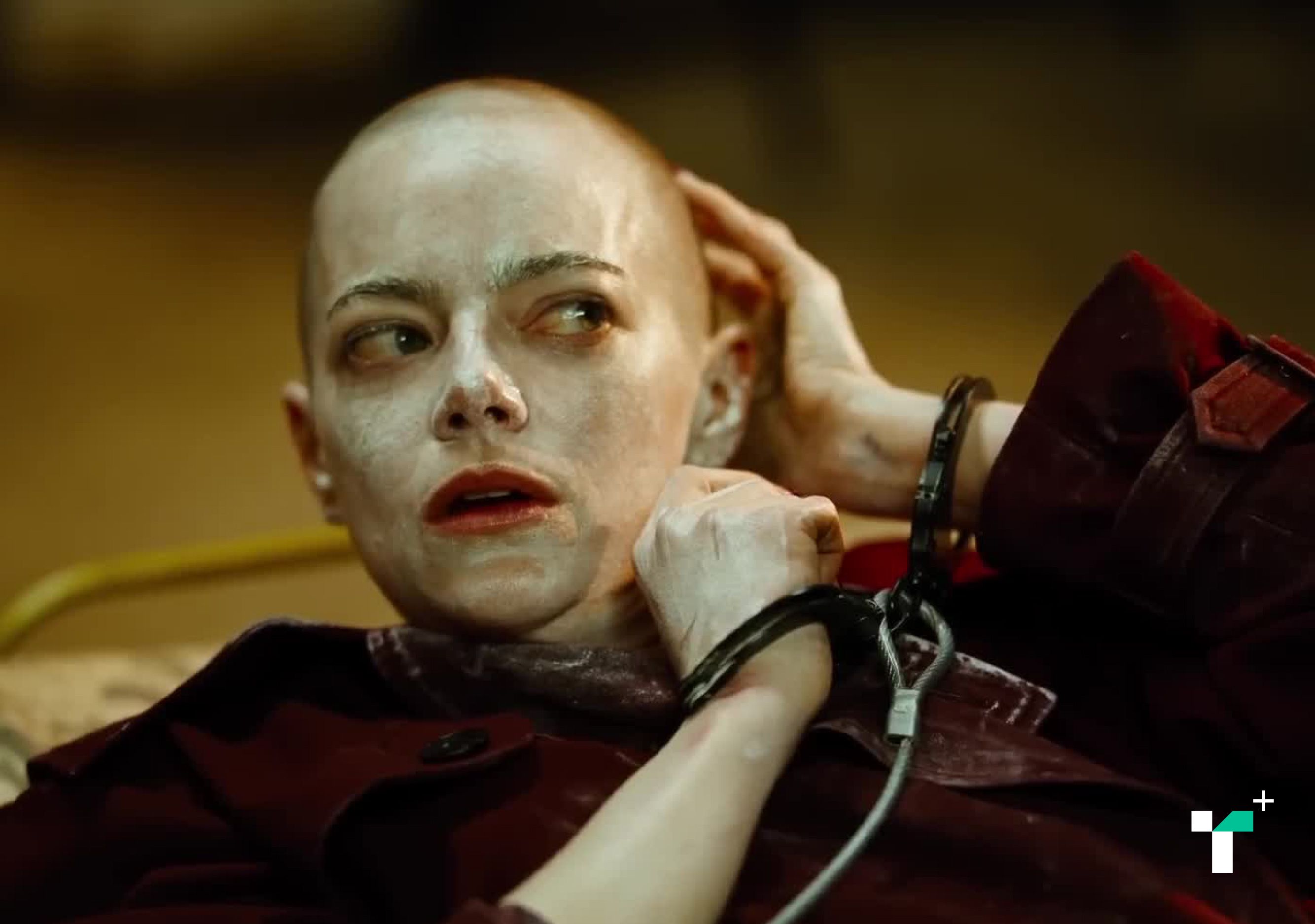
Bugonia (2025)
"In every story I tell, I’m interested in people’s reactions to themselves and others," Lanthimos said. "I try to build scenarios that push characters to reveal themselves as fully as possible."
"At the same time, I open space for audiences to piece things together themselves, whether linked to the plot or character backstory," he added. "For me, these films are about people trying to convince others to believe their worldview. The more they speak, the more their perspectives are revealed."
On a broader scale, Bugonia is another dystopian Lanthimos film addressing world collapse and humanity’s demise. "I don’t know, but it reflects what’s happening on Earth now. The longer time passes, the more realistic it seems," he said. "Humanity faces imminent end, and we must choose the right path. Otherwise, I don’t know how much time we have left—whether from technology, AI, war, or climate change. We can’t deny these realities anymore."
"I hope the film awakens people to face the truth happening now, wherever they are on the planet," he concluded.
,
,