

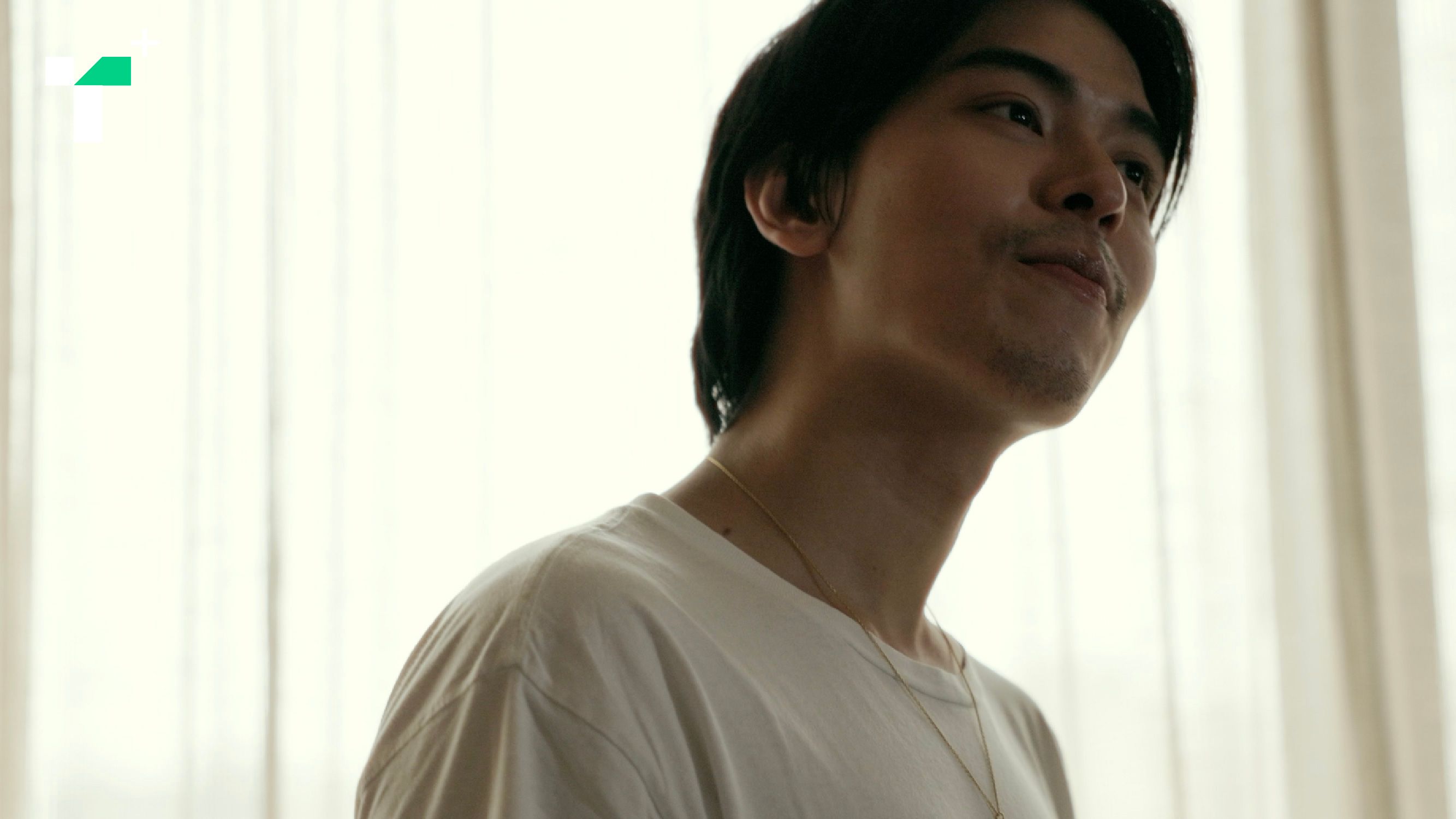
This was how Non-Sadanon Durongkaveroj introduced himself to us at our first meeting, eliciting smiles and hearty laughter from everyone around. His unique self-introduction sparked the very first question of our conversation that day.Tags: [introduction, interview opening]
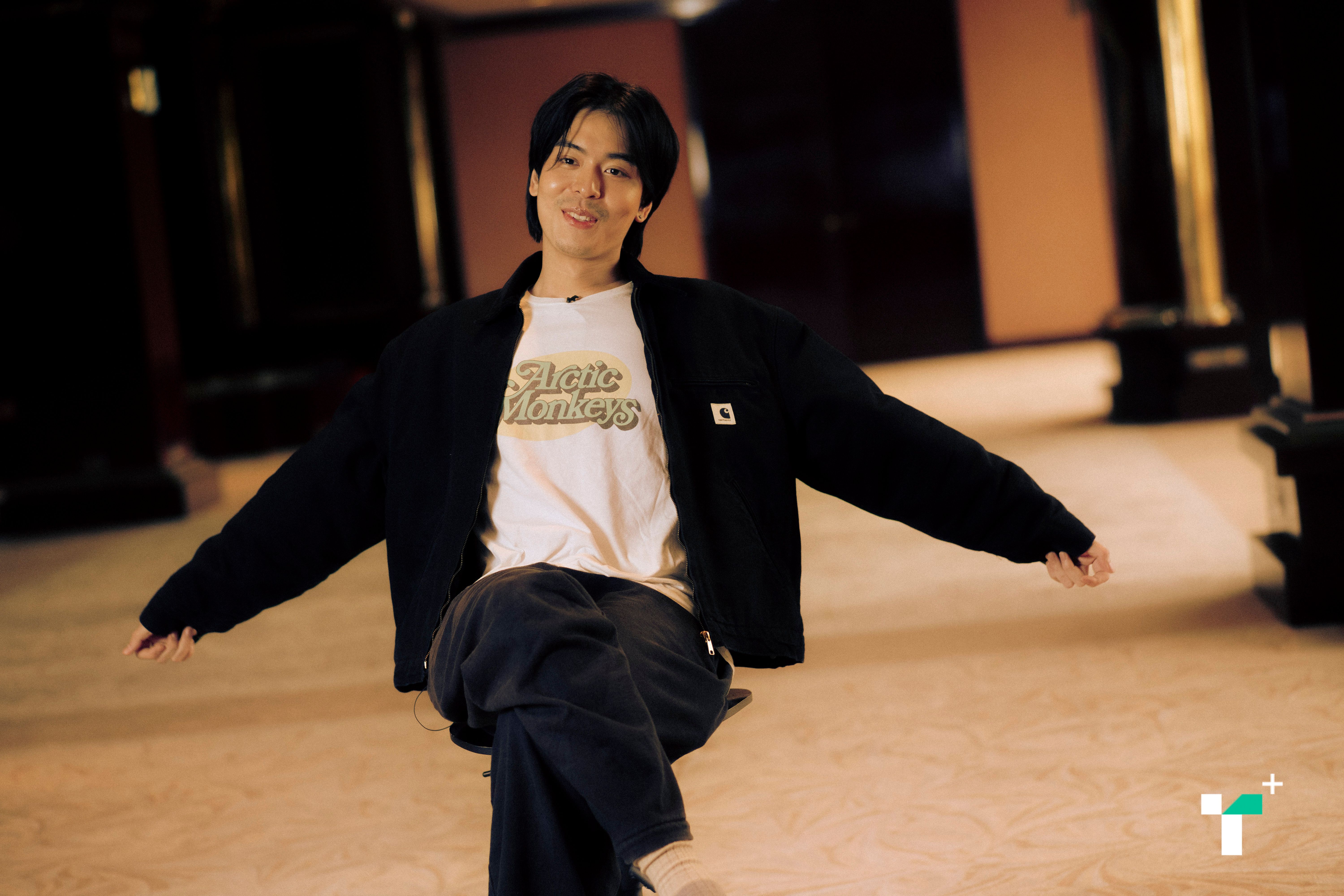
“When I go to auditions, they ask me to say it like that, so I just say it the same way as at auditions (laughs).”Tags: [audition, acting experience]
Lately, my daily routine has been a bit chaotic but fun. I just finished a big project and got to rest, which let me explore new activities like playing badminton and going to concerts. Just yesterday, I saw The Smashing Pumpkins live—amazing! I’ve also been playing music with friends and visiting them more often. It’s been really enjoyable.Tags: [daily life, hobbies, music, concerts]
Wow, for a big project that lasted two to three months or more, it felt like finally being myself again. The previous role was very intense, with constant tension between myself and the world, which drained a lot of energy. Once I stepped away from that role, even after the dramatic scenes ended, it was such a relief. I found it easier to talk with others and felt genuinely uplifted.Tags: [acting, role intensity, emotional relief]
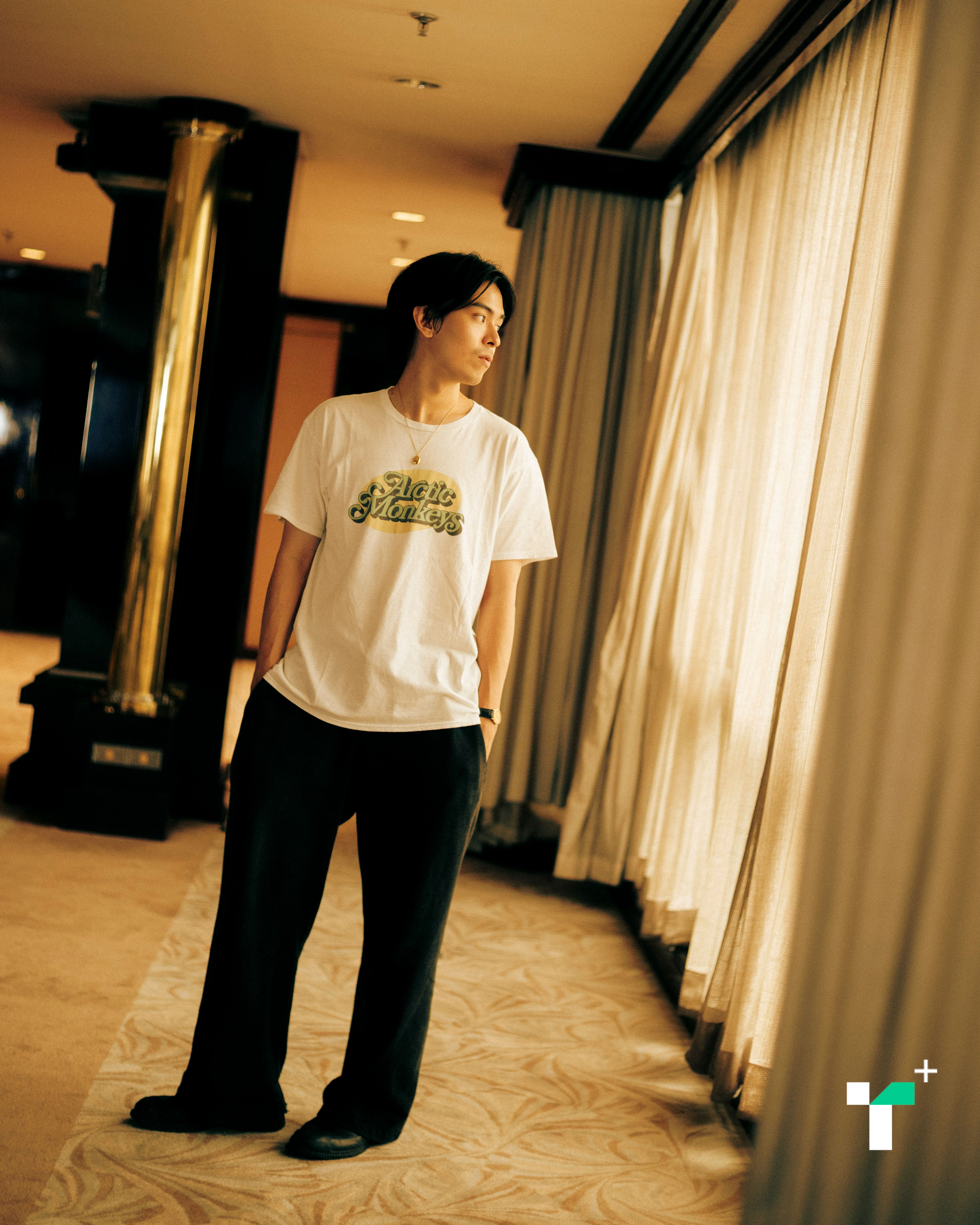
I don’t know why, but I’m hooked on it. I really enjoy those challenging roles (laughs).Tags: [acting preferences, challenges]
Not exactly. Maybe it’s more that I know myself and have found a safe zone in those roles. I find them enjoyable and meaningful, especially for learning about people through characters and applying that both to viewers and colleagues. But I’d also like to have some easy-going, chill roles sometimes (laughs).Tags: [acting approach, self-awareness, role variety]
Those roles take a lot of energy. Sometimes you feel like having an outburst—it’s fun to just scream and say, “I’m going to smash your head,” and laugh about it. But like I said, I can play other types of roles too. I used to be a very serious, intense, and stressed person almost all the time, so I think I channel that heavy energy well. That’s why I’ve mostly landed intense roles.Tags: [acting energy, personality traits, role intensity]
I hear the term “artsy actor” quite often. Honestly, it’s funny to hear it, but I don’t really get what it means because everyone uses it differently. Some mean ‘artsy’ as introverted and cool, but I don’t see myself as that artsy. I’ve met many truly artsy people, and I just accept them as they are. How others define me is fine; everyone has their own way of seeing things, and life is different for everyone.Tags: [perception, identity, artistic label]
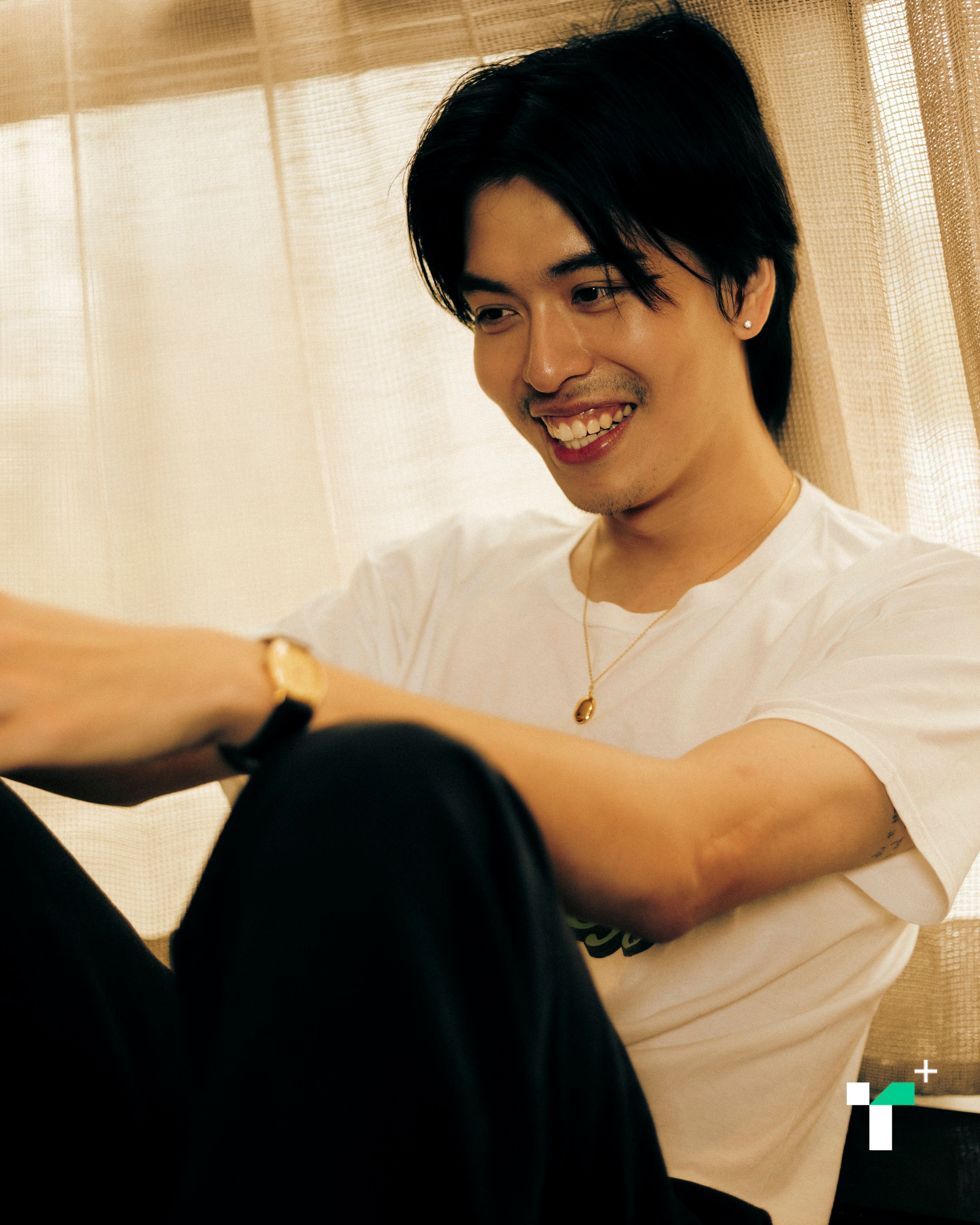
Looking back, I’m proud. I never competed or entered contests before—not because I didn’t want to, but I never had goals about winning awards. Getting that award so early was overwhelming; I thought, “I just acted in my first film, why did I get this award?” I didn’t do much beyond following the role. Later, I realized that just existing as the character was enough because it captured exactly what was needed. It helped me see the good in that rather than worry like before. Acting became more about building relationships. The award is just one part; I keep it at home as a tangible proof, but for me, it’s about continuing to work.Tags: [awards, career reflection, acting philosophy]
Not much, actually. I don’t do many indie films, but I like them. I absorbed some from studying film at Bangkok University. Indie films open up new worlds. Some are very personal, reflecting what filmmakers want to tell. Just being clear about the story is great, whether personal stories or social and historical events. They have inherent value—not just fiction needing to be entertaining all the time.Tags: [independent films, film studies, storytelling]
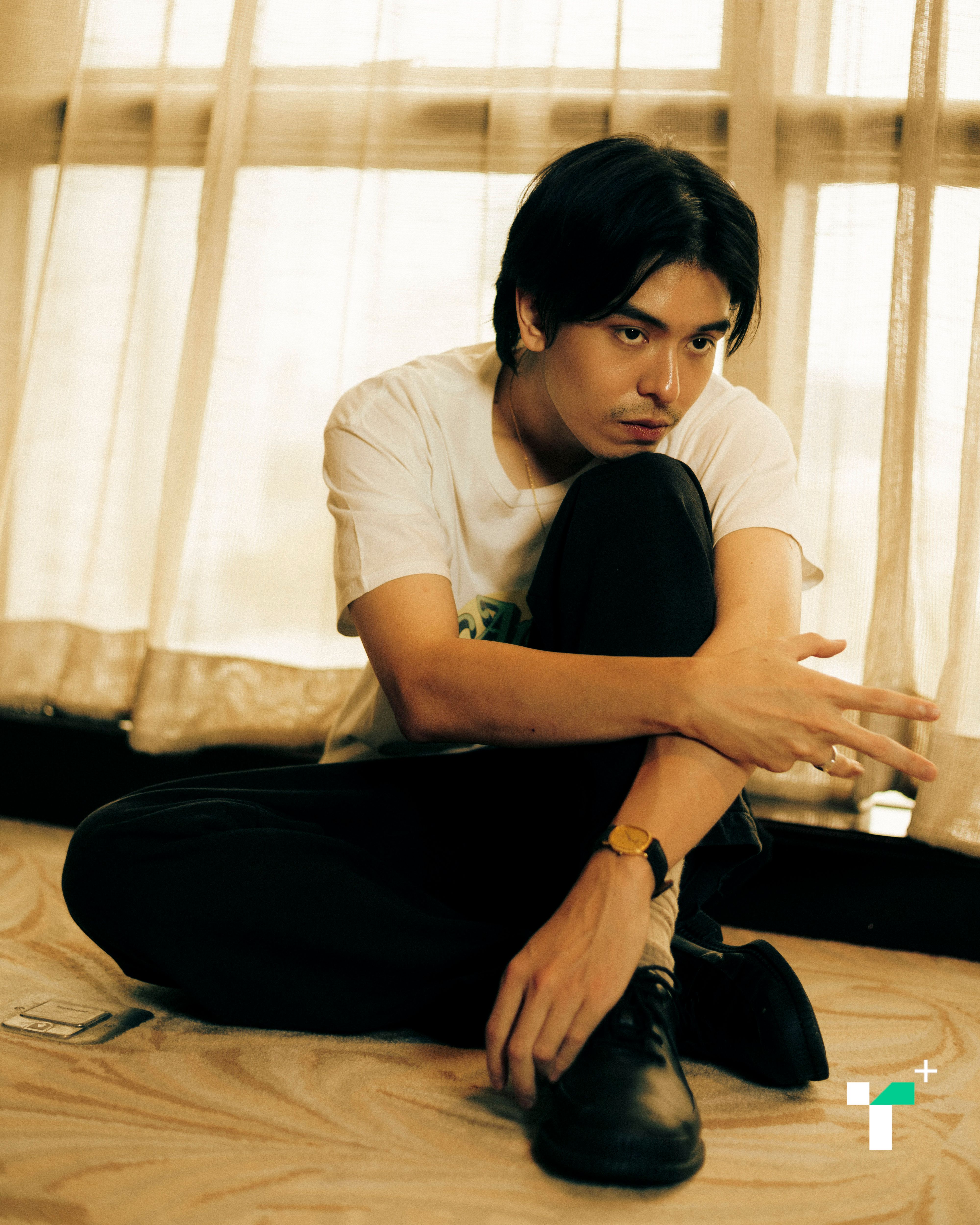
I’m just an ordinary person. No big deal. Acting can be challenging, but I try to simplify things. Real life isn’t that complicated. We all define our own tensions daily, whether through characters or life. I used to be very serious and stressed almost all the time, so I try to make things easier to understand and get through each day. Whatever helps me cope best, I want to do that.Tags: [self-definition, coping, simplicity]
Oh, the private clothes trend in grade 12—that was also when I was starting to explore acting. I first encountered it in grade 12, first or second semester. I did school theater and felt fresh and energized then, full of creativity and vivid imagination. But I wasn’t very in tune with my body yet. Today, I feel more balanced in acting, work, and thinking. Back then, as a rebellious teenager, I thought the world was rotten. I’d been in a closed environment at Bangkok Christian College from grade 1 to 12, so everything outside felt fast and overwhelming with so many new things. I had to constantly adapt.Tags: [youth, acting beginnings, personal growth]
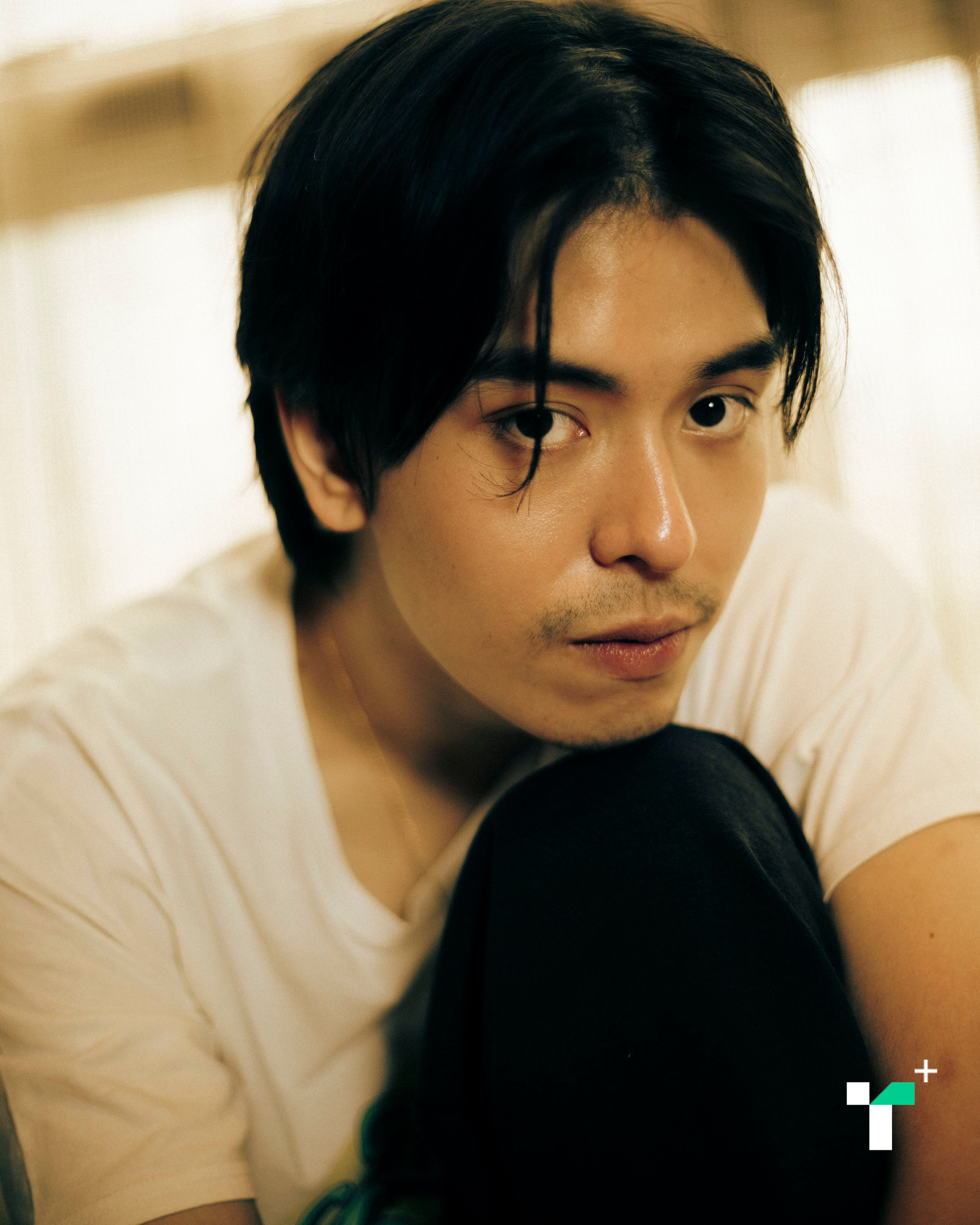
I had to tune myself to be quicker to keep up, which caused me to suffer sometimes. Grade 12 was fun and fresh, but in university years 1 to 3, I became withdrawn. The fast pace and constant change on sets and meeting new people were hard. By year 4 and later, I started to unravel myself more, finding balance between anxiety and fear. I realized I’m just a normal person—nothing strange. I don’t need to worry or be afraid so much anymore. My mentality settled; breathing became easier without tension or fear.Tags: [adaptation, university life, mental health]
I lived with it all along. Sometimes I overthink and don’t stay present, but I’d also feel something heavy in my heart all day every day, which was painful. But I knew I had to endure and understand these feelings. I had some inner resistance but was glad to coexist with it.Tags: [mental health, self-acceptance]
I started by auditioning like anyone else, trying my luck. Then I came across 'Dew, Let’s Go Together.' At first, I didn’t know much, just saw the announcement. After auditioning, I got the part. I felt like I gave it my all, and it was fun. Whether I got the role or not, I was ready. Eventually, I kept acting, experiencing a fast-moving world, changing sets, meeting new people, different ways of thinking and working. It was exciting. I endured and sometimes enjoyed it. Mostly, I had to handle new crews constantly, which was tiring and challenging because I’m not very close with people. Other actors made friends easily, but I often stood alone outside the circle. Sometimes I didn’t want to be inside it anyway. Luckily, many respected my boundaries, which was a blessing.Tags: [career journey, social challenges, boundaries]

It was very different because I never imagined or planned to be an actor. I was just a gamer kid who initially planned to study BBA because I didn’t know what else to do. I talked with a friend named Tin, who now works in fashion at Greyhound. He was clear about his style since early school. Once on the train home, he asked me what I’d study. I said probably BBA or accounting and working in an office. He told me I wasn’t cut out for office work. That made me seriously question my path. I felt like I had to go somewhere else, do something else. But I only realized that after doing school theater in grade 12, which I did with him.Tags: [career decision, self-discovery, influence]
Yes, I found my courage to express myself because I’d always been shy and reserved. At first, I worked backstage because I didn’t want to act, but friends encouraged me to audition. When I did, I surprised myself with how much effort I put in and how much fun it was. I unlocked something inside, like an engine finally running smoothly, separating and channeling feelings clearly and using them easily and orderly. Expressing myself was liberating. At that time, I didn’t think of myself as an actor; I was just enjoying performing.Tags: [personal growth, expression, acting beginnings]
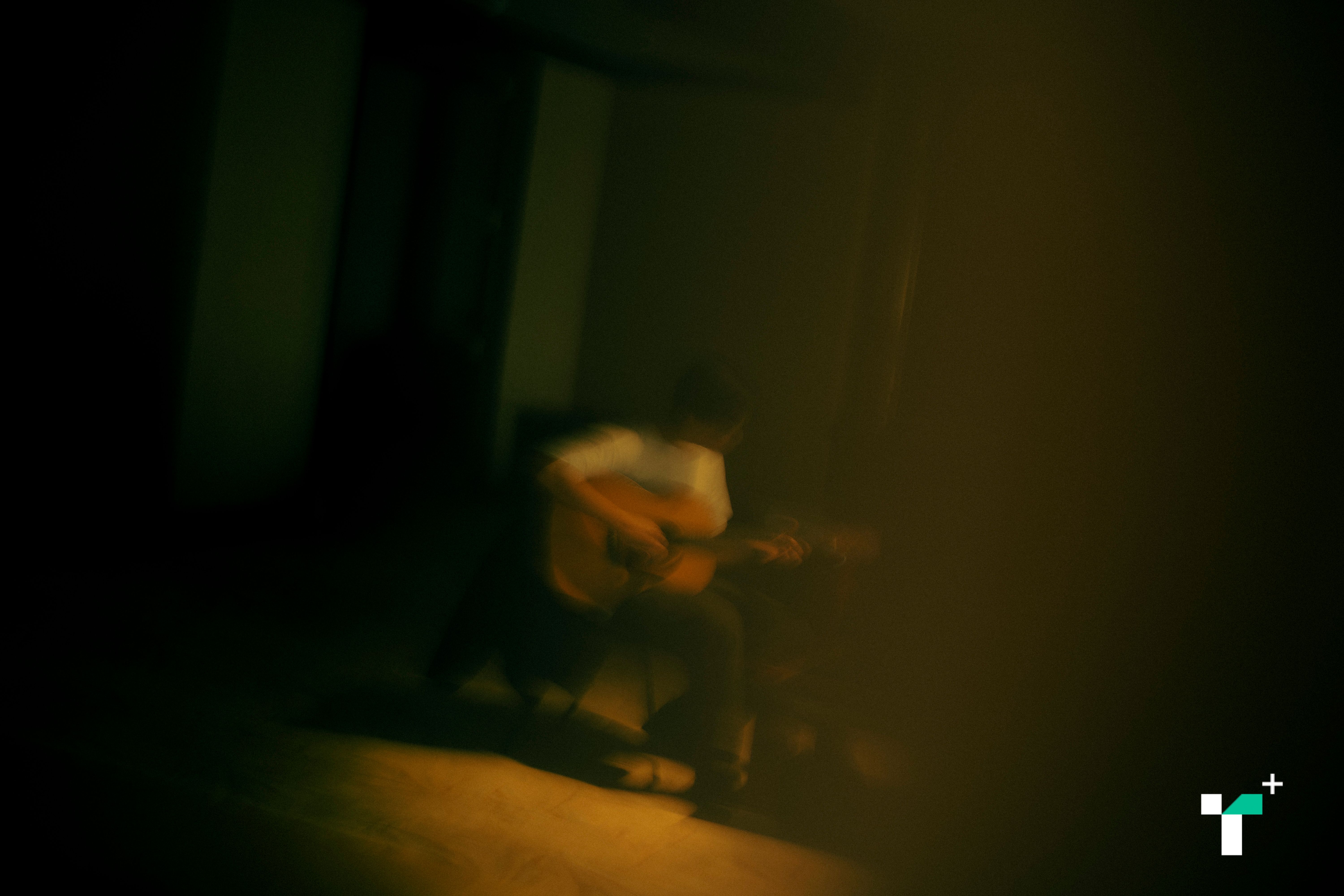
I’ve thought about it. It’s part of who I am now. Sometimes being quiet makes me tense, which affects others too—for example, being so shy on the first day with a scene partner that we both get nervous. So I try to relax and go with the flow to help that. I believe in connections a lot. I recently took an MBTI test and, surprisingly, I’m now an extrovert—ENFP. So I’ve improved by connecting more with others. It’s cool; people can change.Tags: [personality development, MBTI, social skills]
I don’t feel pressured by what comes out or what’s expected. People will see me however they want. All I can do is act. That’s really all that matters. I can’t think beyond that or set goals to get better. Every day is different, and I can’t be perfect every day. So I just do what I can. Each performance fits with the work, the role, and the context. I see the story and the character’s life more deeply, which is way more important. I don’t worry about those pressures anymore because it’s exhausting. I’m low energy, like a cat.Tags: [acting mindset, pressure management]
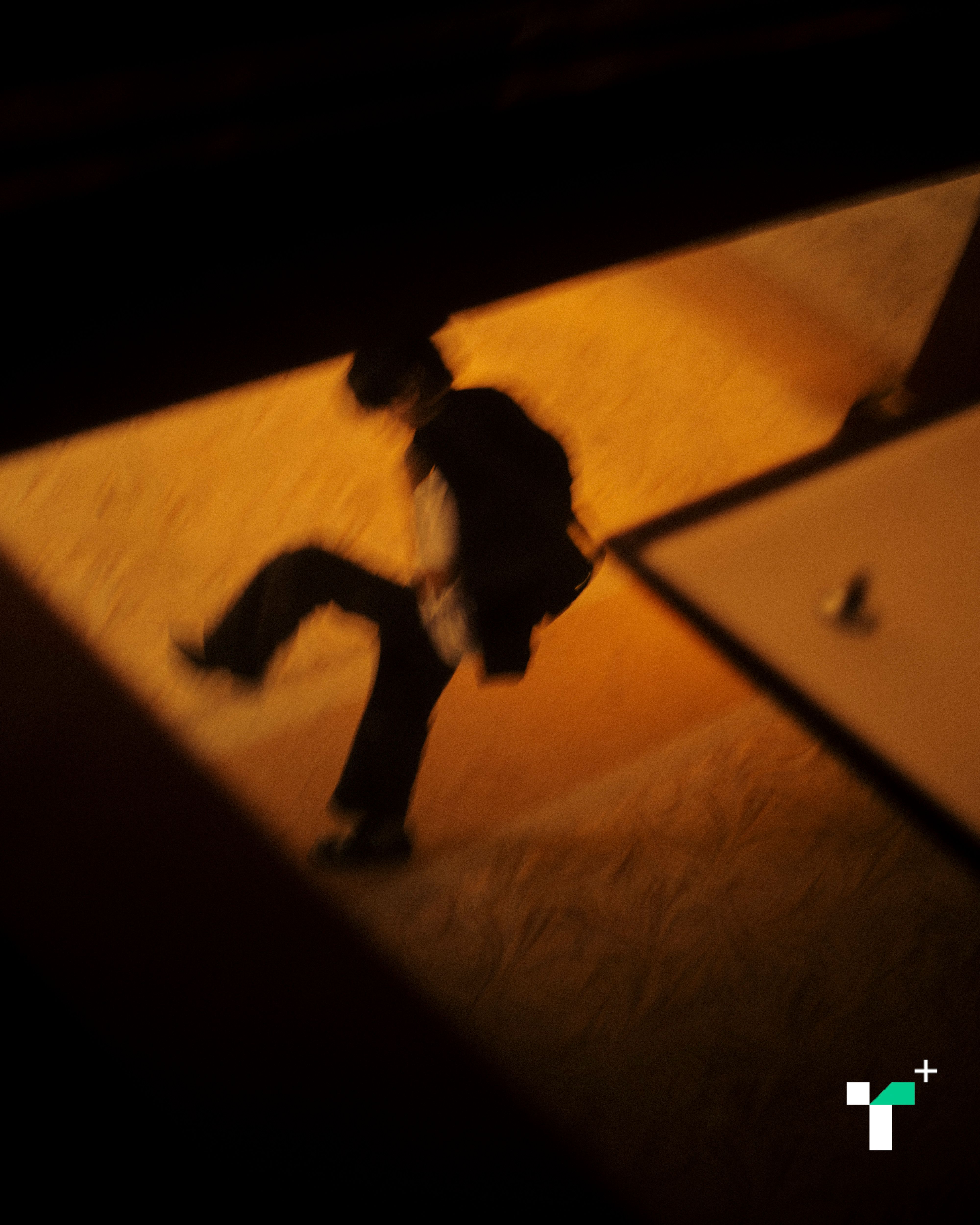
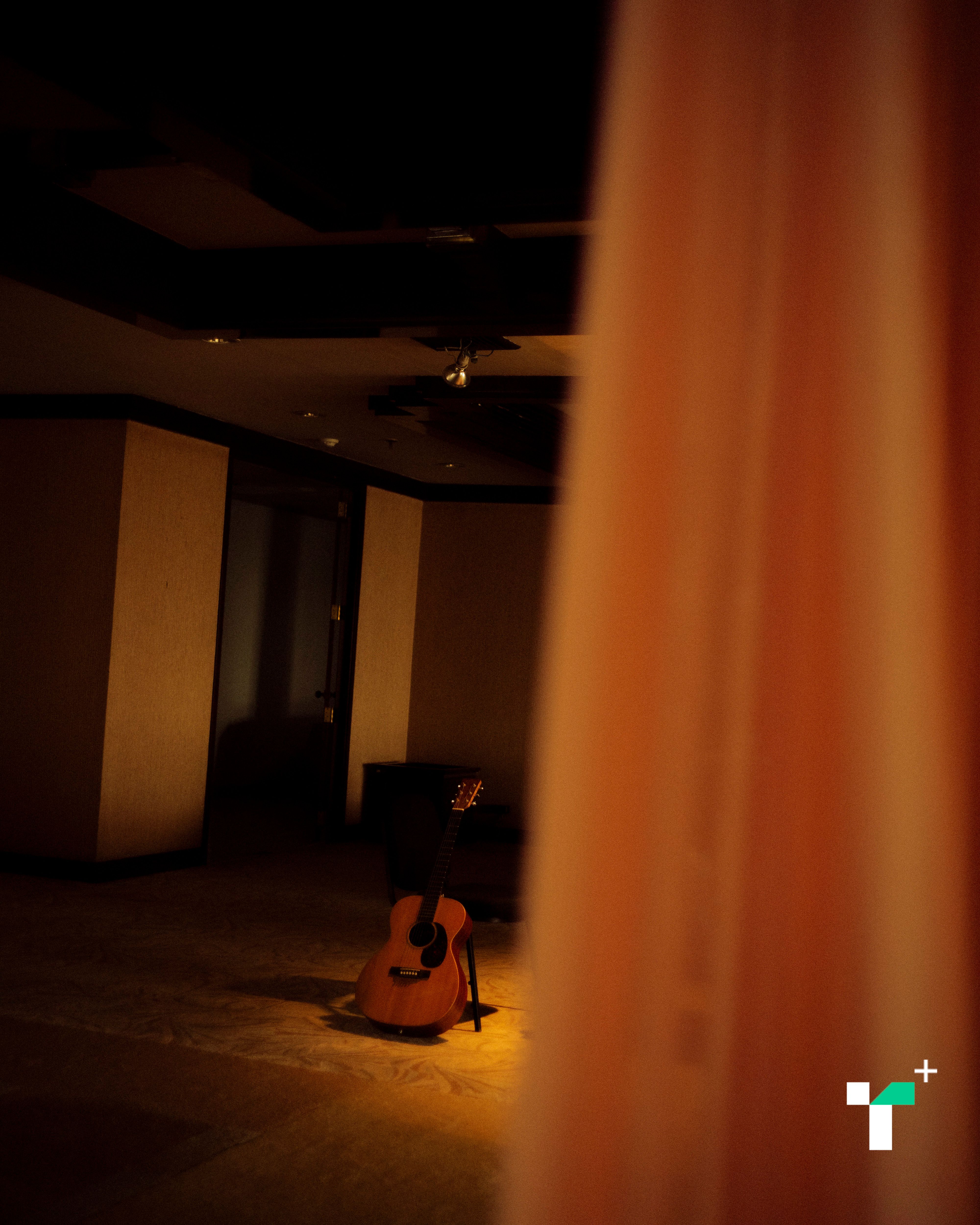
I gradually realized I was afraid of being seen as strange—like, “There’s Non again, standing alone, not talking. What’s wrong with him?” That alienated me sometimes, but I was reassured that it’s okay to be like that. Past experiences that overwhelmed me at that age were appropriate then. It wasn’t weird. I unraveled myself little by little and became less caring, more carefree, and had more fun. I accepted being different and flipped my perspective completely.Tags: [self-acceptance, social anxiety]
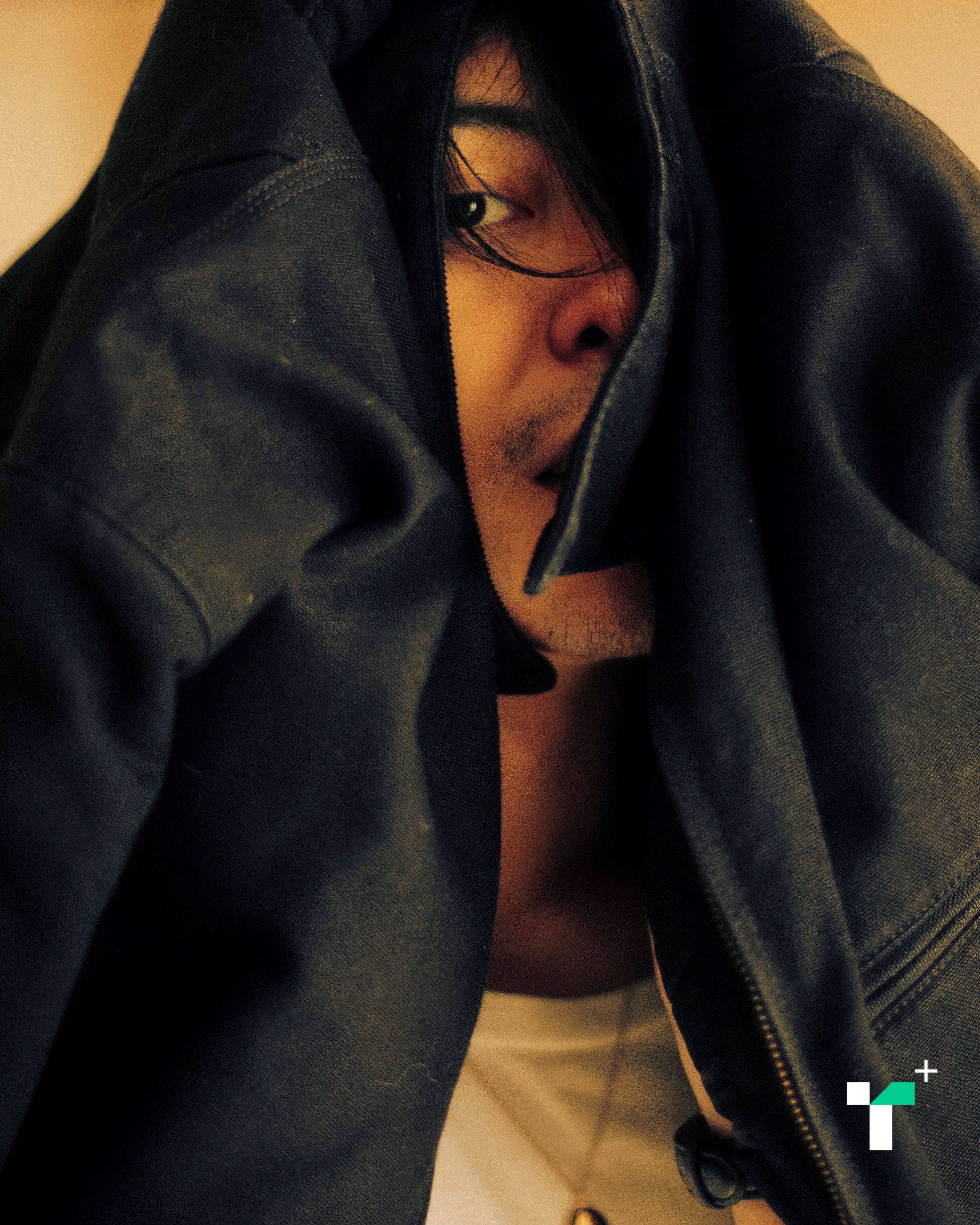
Wow, I’d tell myself it’s okay because I didn’t really lose anything. Maybe a few missed classes and graduating a bit late—two years behind—but I don’t feel I missed out or regret anything. Time with family, love, friends, and youth moments were still there. I didn’t start acting as a child but during university. The COVID period also took away some life moments anyway. I feel my life unfolded fine. If I tried to tell myself back then, I probably wouldn’t believe it. Studying film at university, I’m two years ahead of my peers (laughs).Tags: [life perspective, regret, acceptance]
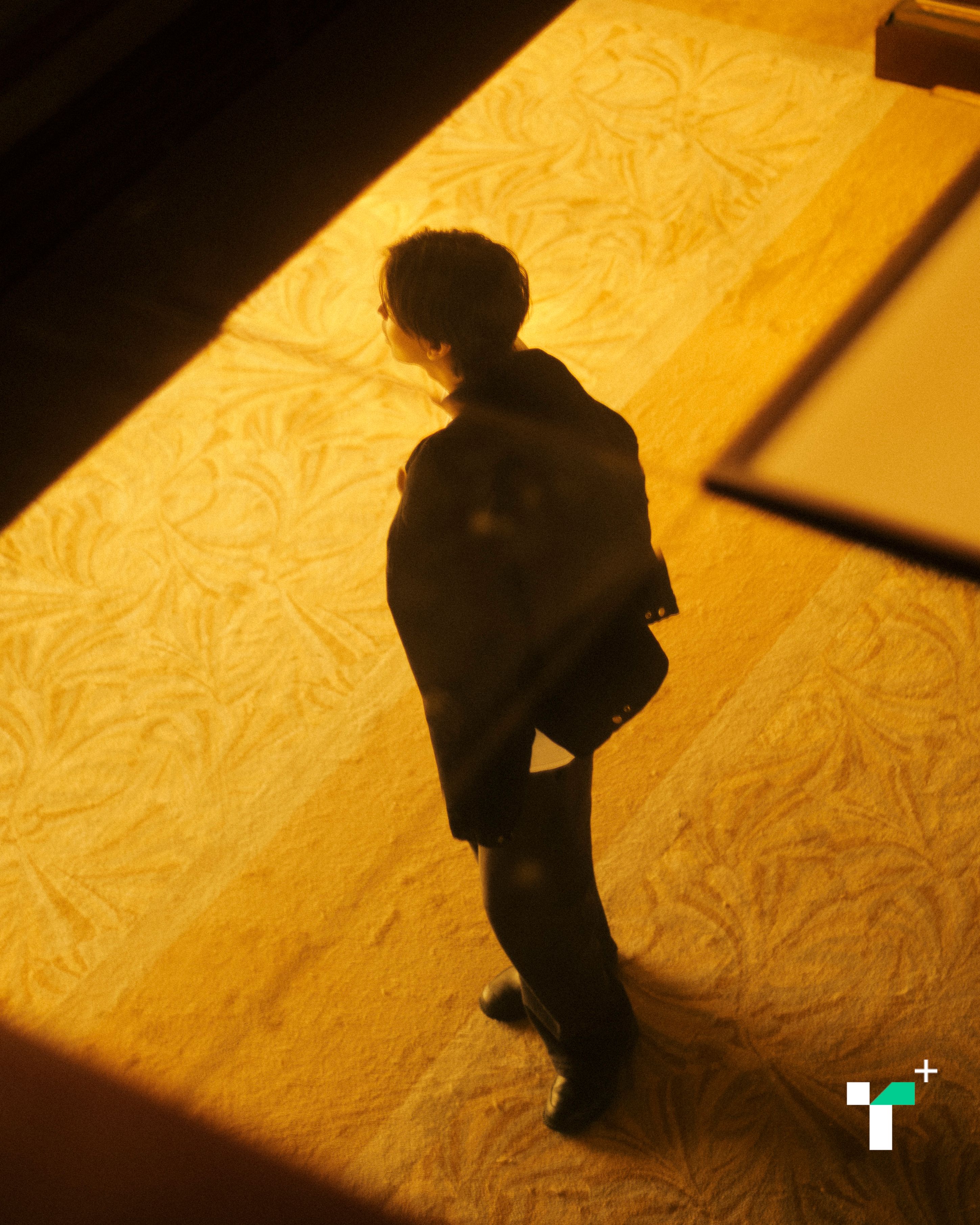
I’ve thought about it, but it’s not something I’m deeply passionate about. I don’t feel like, “I must make a film in my life.” I’m more interested in music. I love music, sound, and alternative rock bands like Arctic Monkeys. I’d like to make some songs casually, for fun, if I have the time and money.Tags: [music interests, filmmaking]
It helped a lot. I got some hands-on experience working on friends’ film sets. Just watching and working with filmmakers gave me understanding of visuals, sound, content, and everyone’s thinking process. Mostly, I work as an acting coach for friends since they know me as an actor. I do casting and acting coaching, which applies my acting skills practically. I can see what friends need, how to help, speed things up, and make work easier and happier. For example, if they block a scene, I imagine the shot and help make the process smooth. I also learn myself along the way.Tags: [film education, coaching, collaboration]
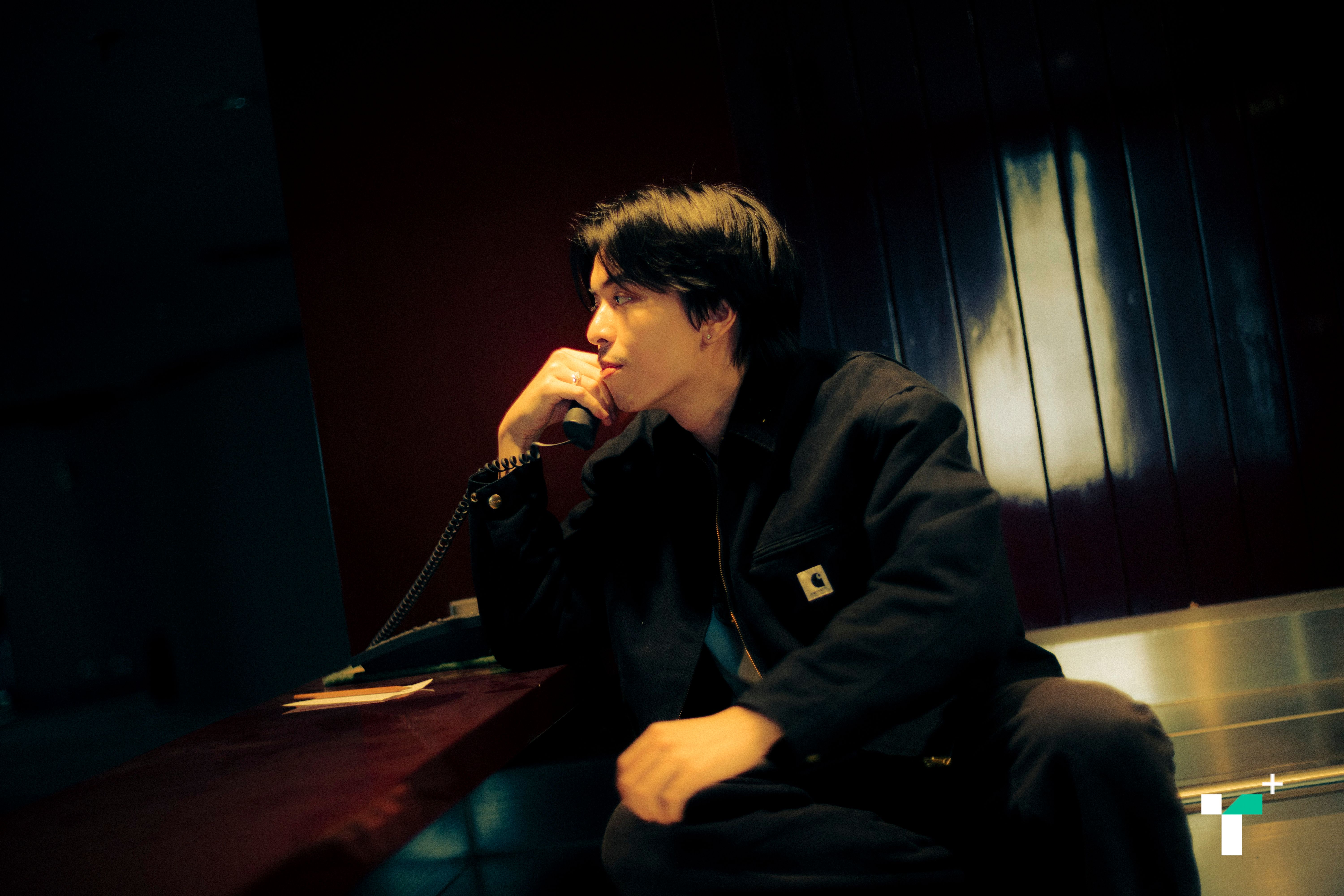
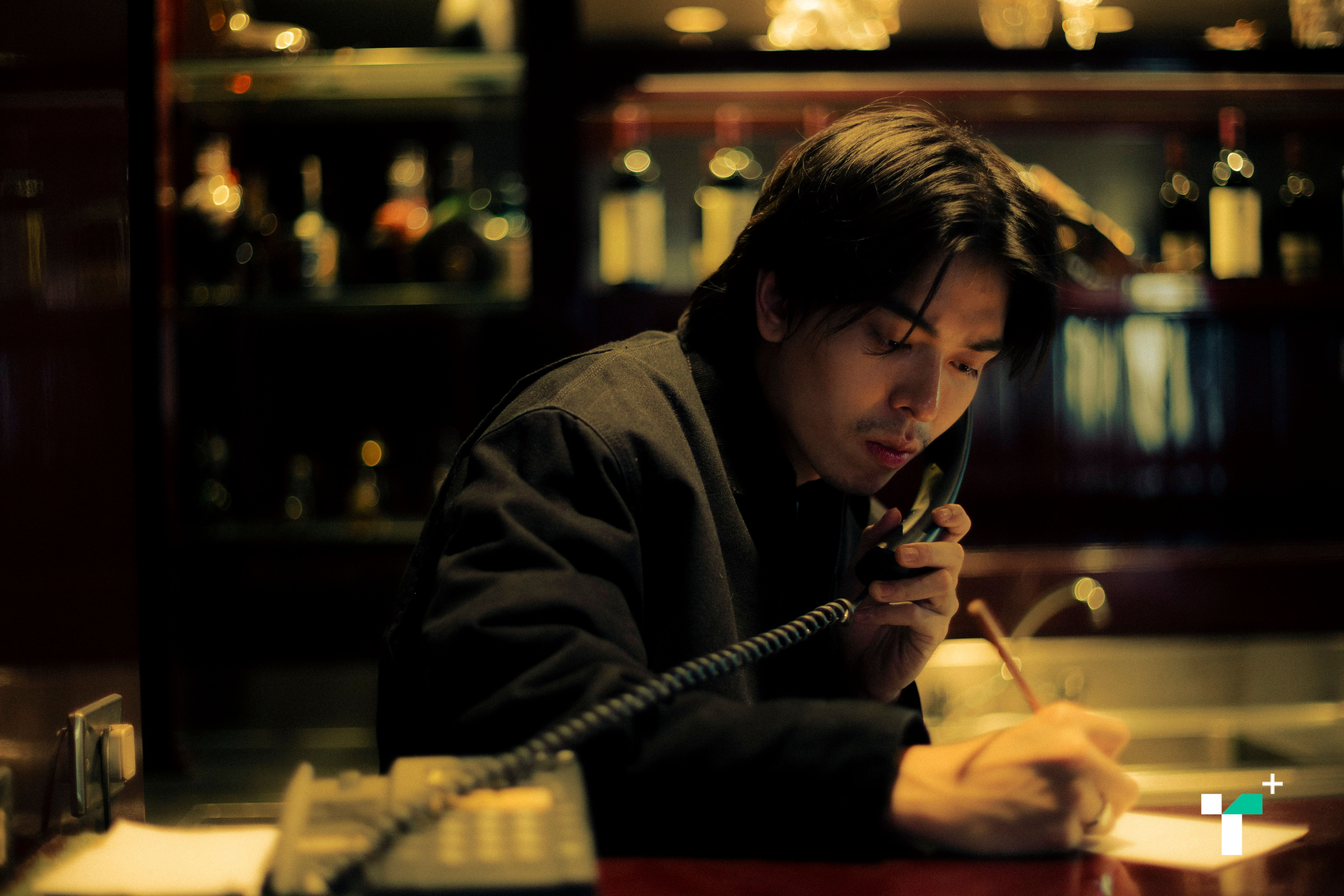
Not really. I’m just happy to have work. Even being recognized by people is a joy. These things come together: having work and an audience. I just go with the flow. If I like someone, I like them for who they are. If people continue following me, that’s fine. I’m grateful to everyone who stays with me comfortably and happily.Tags: [contentment, gratitude, career outlook]
I’ve never really thought about it, but if I do, I’m not afraid. I have a core foundation I stand on, both in work and life. It might not be very strong but it’s clear and heartfelt. I don’t even know what to call it, but I’ve found it and feel it can last and be nurtured. I don’t know what the future holds, but if I keep living and working in this profession, I want to keep that heart. If my acting life changes drastically, I don’t know if I can handle it, but I’ll give my best and then follow my heart.Tags: [foundation, resilience, future]
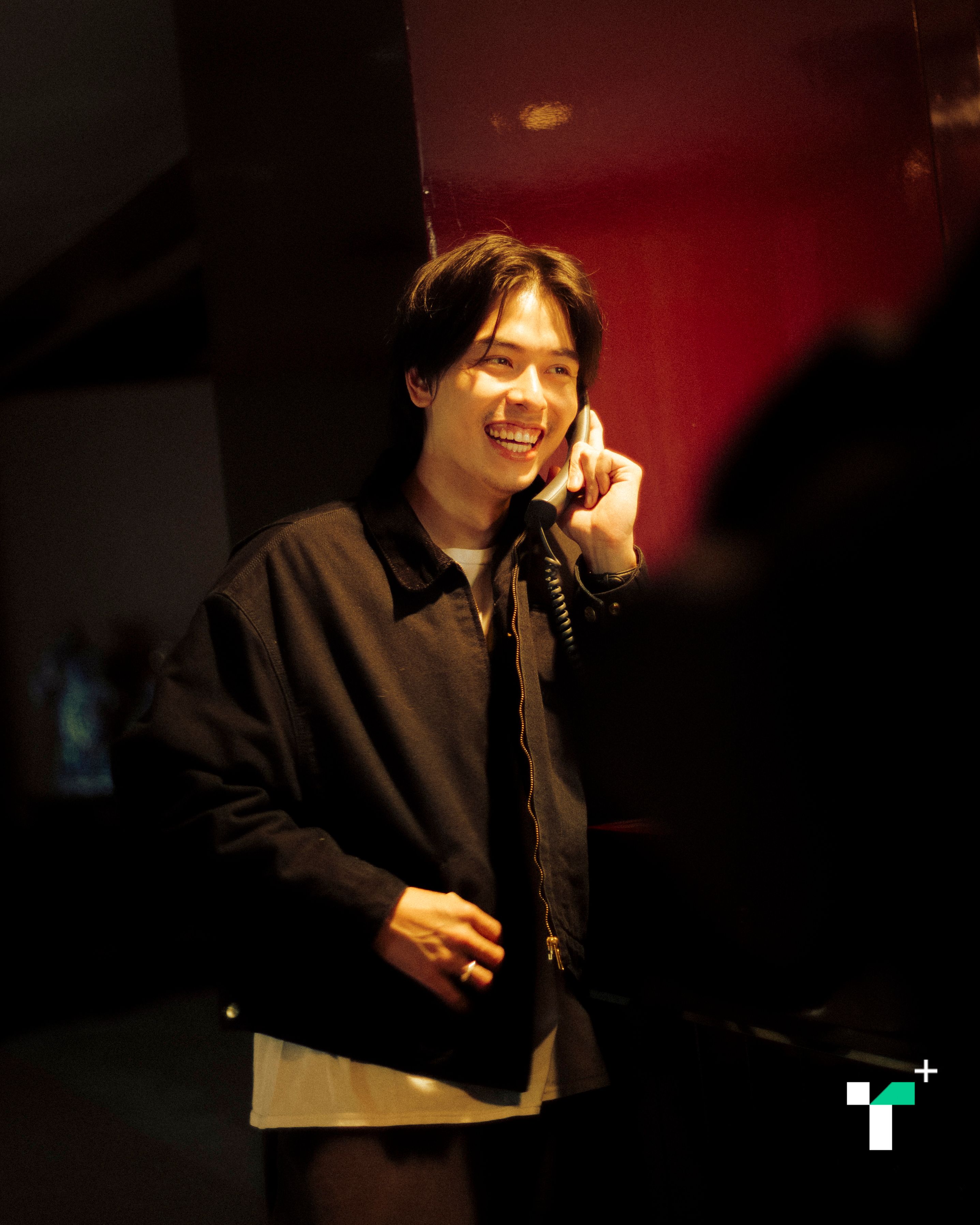
There’s a lot I love. I love movies, the crew, the audience, colleagues—actors and crew alike—everyone who works together. I love myself for deciding to do this, for waking up and committing each day, even when I’m exhausted. It’s a life reward.Tags: [passion, gratitude]
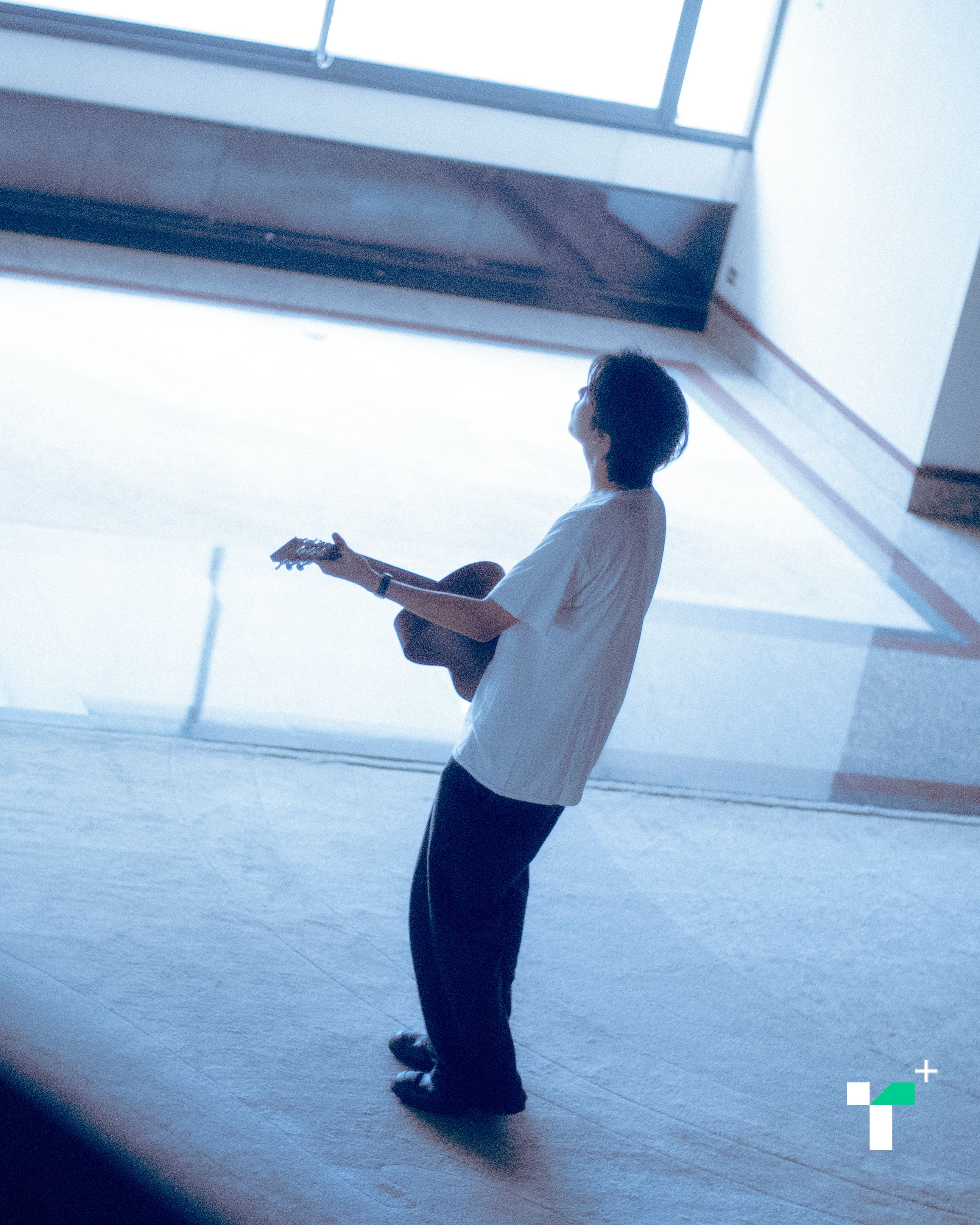
But what do you hate? Probably the cruelty that still happens on many sets, like old-school ways of shouting and insults, which I find unacceptable. There are always better ways to communicate. I dislike that. Everyone who works here builds a career together; we don’t have to love each other, but we need to balance how we work. I recalibrate every day: “Oh, this set is like this, people talk like that.” If I can change something, I try to soften things, telling people not to insult others, to make the atmosphere nicer. For example, if someone demands a shot be done immediately while others are preparing, I ask them to calm down and wait. I do this playfully because I just want a healthy working environment.Tags: [workplace culture, communication, professionalism]
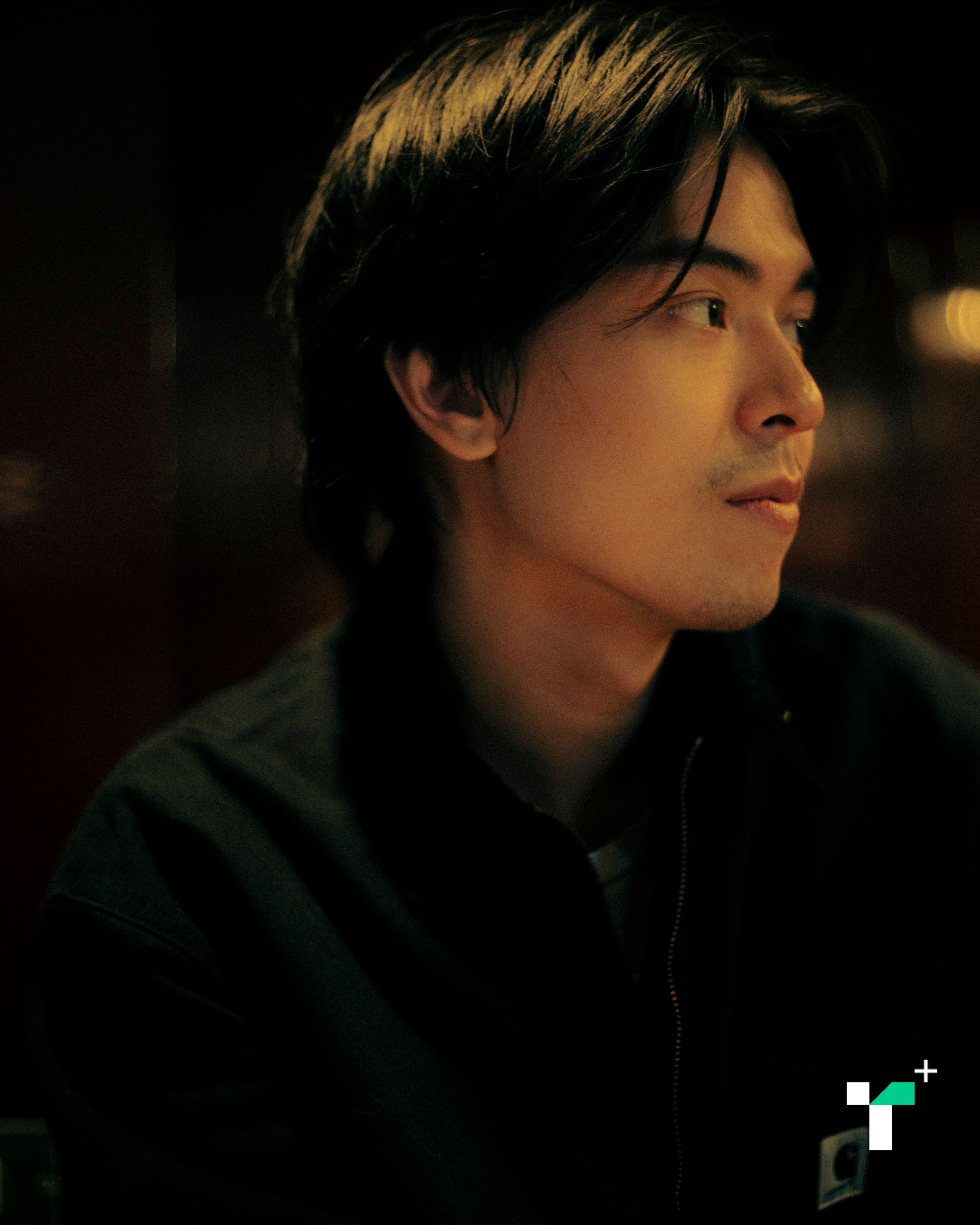
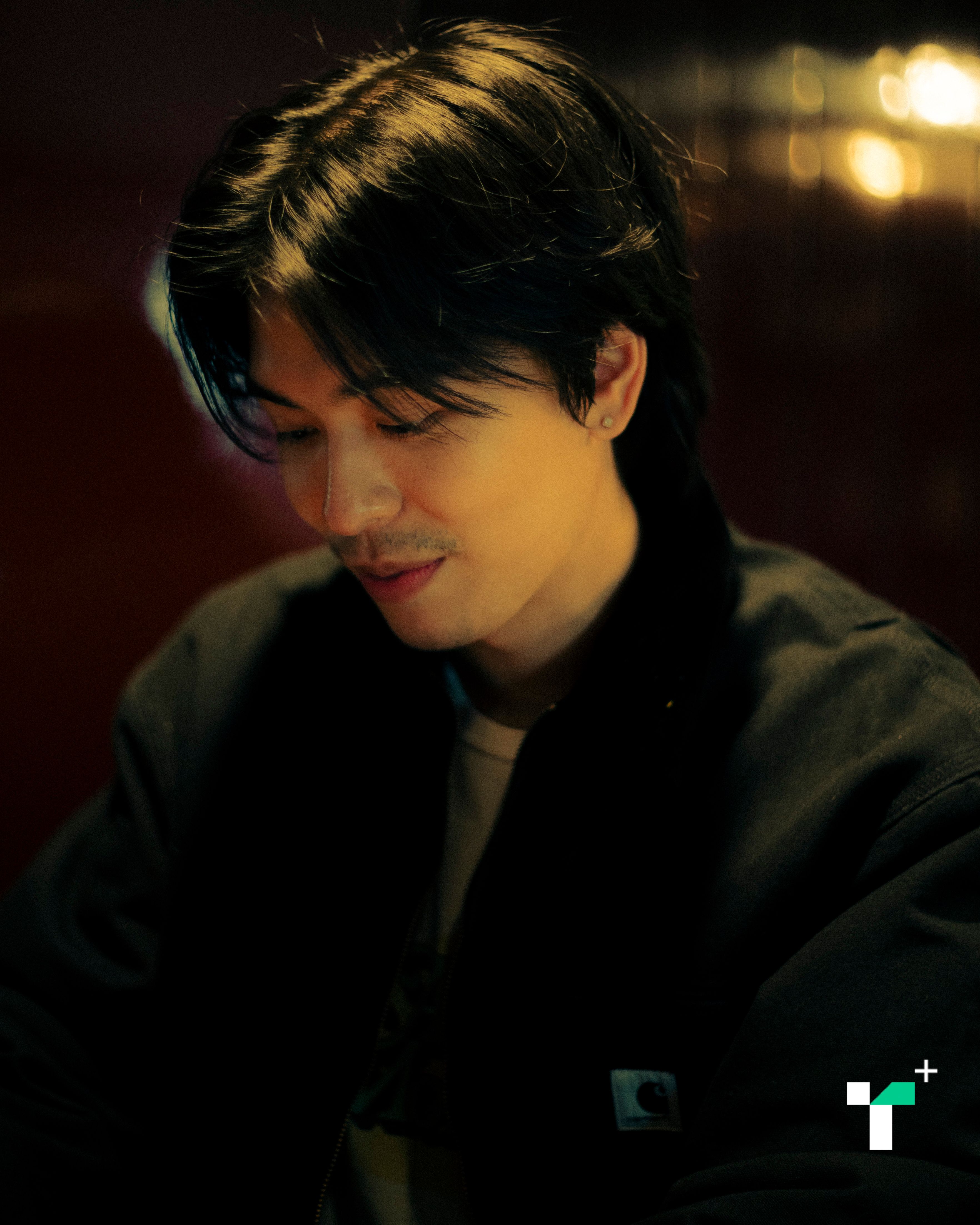
At that time, I wasn’t confident in my voice but wanted to do what I could, sharing information as best I could. As an actor with some platform, I wanted to help. What was happening to the people and society was truly angering (long sigh). It made me stressed. So whenever I had the chance, I had to help.Tags: [political engagement, social responsibility]
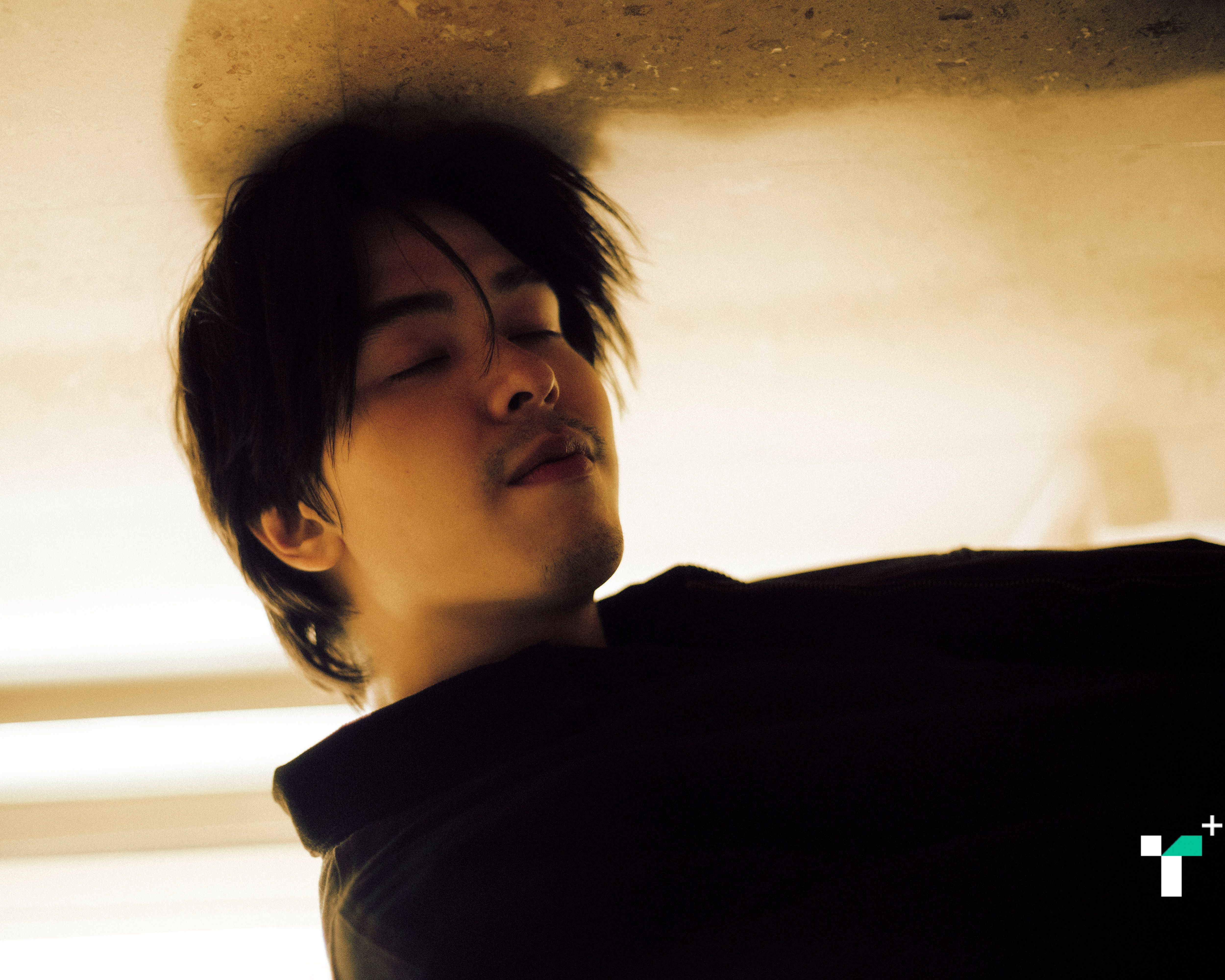
This year is unforgettable. It feels like I reset to basics every year, returning to a flow state with calmness. I always come back to this self. The first half of the year was very tense, with many variables, and I didn’t let myself rest. But in the second half, I relaxed more. People entered my life, which was good because I found others with similar flow states. It felt smooth, happy, and comfortable—like having my own warm, small community. It’s a truly memorable thing.Tags: [mental health, flow state, community]}],
"" ,