

Amid many people feeling worn out from shouting for social change, some turn away from certain issues while others need to pause due to stress. Yet, series and films in 2025 continue to reflect that the demand for change remains vital today, conveyed through varied topics and nuanced tones.
Take Shine The Series, a Thai gay-themed drama set against the political conversations during the Vietnam War era, when Thailand itself was tightly controlled by a military dictatorship suppressing media, public voices, and political expression. Meanwhile, student movements slowly emerged amid frustrations over inequality and dominance by big capital.
A Useful Ghost, Thailand’s first film to make history by winning an award in Cannes’ Critics’ Week, is packed with themes of political and gender oppression, memory, and erasure. It tells the story of a woman who dies from PM2.5 pollution but, out of love for her husband, possesses a vacuum cleaner to prove to her husband’s family and the state that she is a ‘useful ghost.’
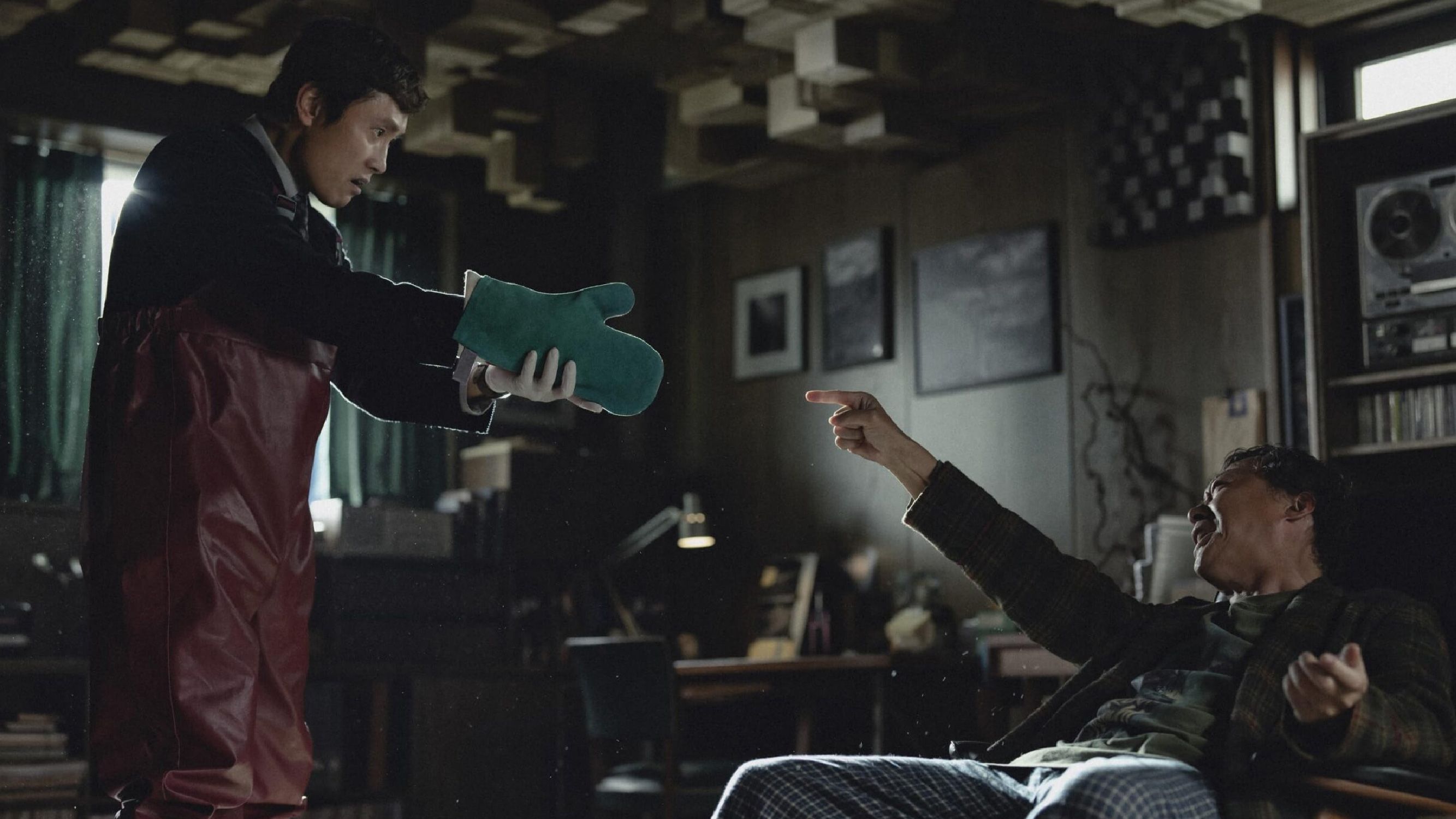
From abroad, Korean film No Other Choice portrays workers’ struggles as corporations replace employees with technology. Hollywood’s Sinners explores Black culture and imperialist power through vampires, while One Battle After Another sharply depicts America’s bitterly divided political landscape.
Even When Life Gives You Tangerines, a Korean series that brought tears to many, subtly addresses efforts to transform women’s roles and promote gender equality in a male-dominated society.
Animated films like Zootopia 2 highlight embracing diversity, while KPop Demon Hunters, whose soundtrack soared on the Billboard charts, speaks about accepting flaws, forgiveness, and standing firm in one’s identity.
These are the reasons why this list of series and films stands as the ‘best of 2025’ in our view.
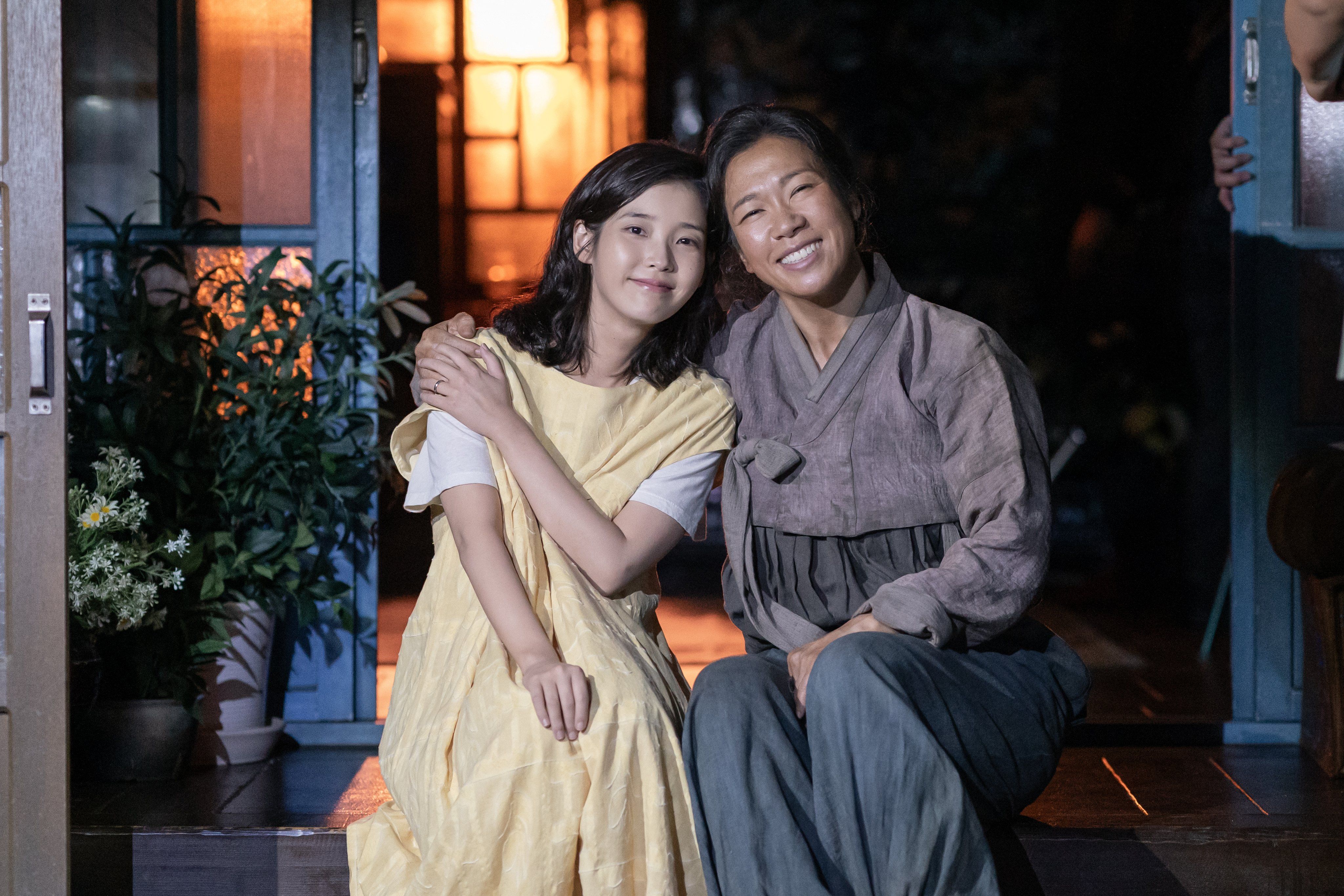
This South Korean series is our pick for the best of 2025. With 16 episodes, it beautifully and thoroughly reflects Korean society and culture.
When Life Gives You Tangerines tells the story of the struggles of three generations of Korean women—Gwang Rye, Ae Sun, and Geum Myung—from grandmother to granddaughter, set against the winds, seas, and sunlight of Jeju Island, amidst a societal backdrop that suppresses women.
The series reveals everyday politics and the subtle revolutions in women’s lives as grandmothers, mothers, aunts, and daughters, especially fighting for education and opportunities long unequal to men in Korea.
It gently conveys the value of passing on feelings, dreams, and courage from mothers to daughters, empowering daughters to fly further than their predecessors.
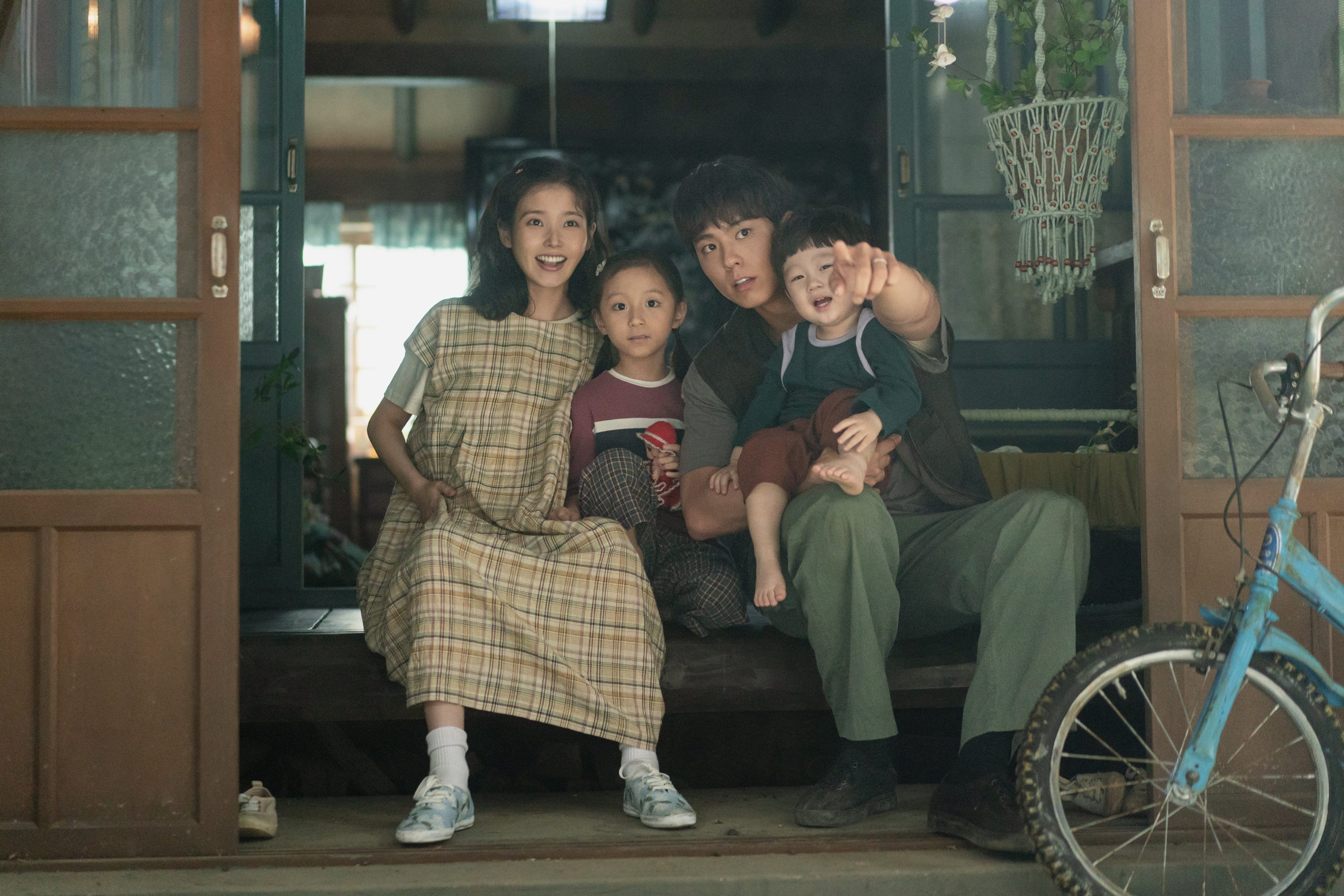
Beyond entertainment, the series highlights gender inequality in Korea—in education, work, life opportunities, and biases rooted in Confucianism that shape contemporary Korean thought.
The standout performances of the lead actors deepen the story’s warmth, pain, and rich humanity—sometimes admirable, sometimes frustrating, sometimes confusing—but all embraced as part of life’s legacy passed down to someone.
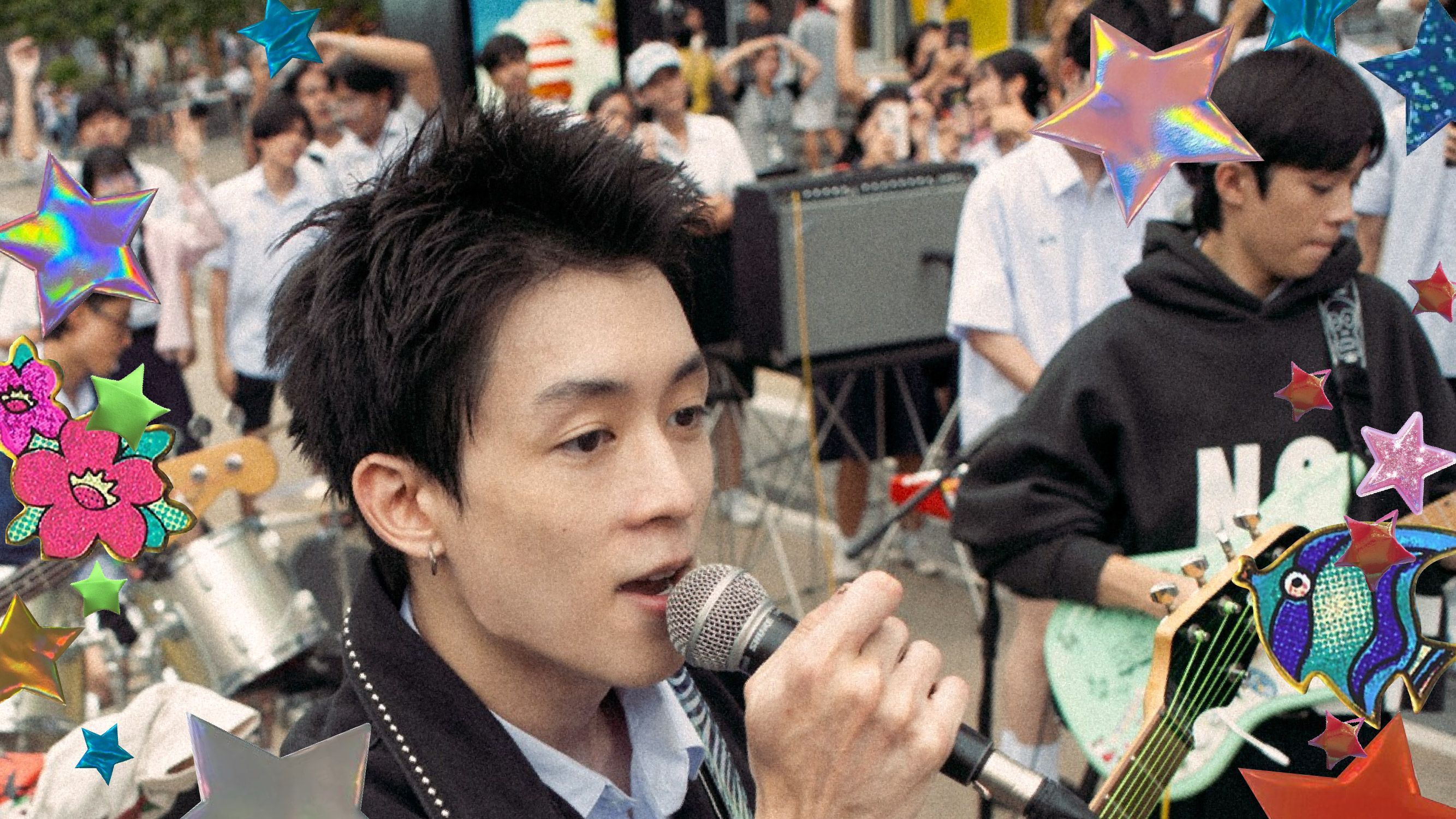
Gelboys became a word-of-mouth hit not just for fun but for its authentic portrayal of contemporary humans. It tackles Gen Z relationships, self-expression in 2017’s Siam neighborhood, current phone and internet culture creating new subcultures, borderless sexualities, the rising T-POP wave driving youth through catchy songs, and redefining Thai youth identity, including Gen Y parents of the characters.
Importantly, as a Boy’s Love story, it feels natural and unforced, convincingly portraying characters with real emotions, allowing viewers to move beyond mere fandom to genuine empathy and authenticity.
Gelboys shows new possibilities of relationship dynamics through gel nail manicures—going for nails is akin to dating, spending time together means being in a relationship, and refusal to go means being left out. These new relationship rules shape the characters’ universe, symbolizing the act of inviting someone we like into our world through shared activities.
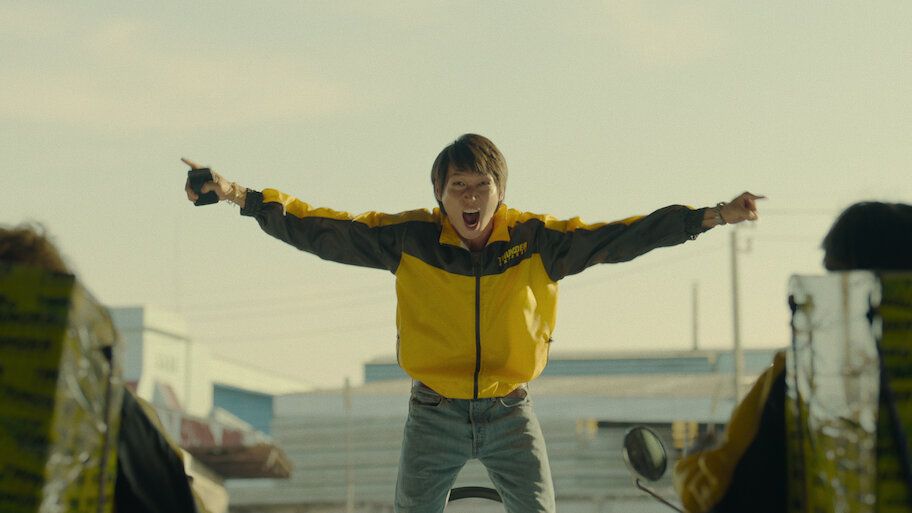
Mad Unicorn is among the best Thai Netflix series of 2025, directed by Kai-Nattapol Boonprakob, a renowned documentary filmmaker known for works like 2,215 Believe, Crazy, Brave and Come and See.
Mad Unicorn is another masterpiece by Nattapol, with balanced direction, sharp editing, and powerful chemistry among leads. It tells an intense, compelling story of ordinary people fighting for love and dreams. Though the plot isn’t groundbreaking, the team’s craft creates a captivating series that makes viewers root for the main characters. It also reveals how capitalism drives people to fiercely compete and struggle for money, glory, and power.
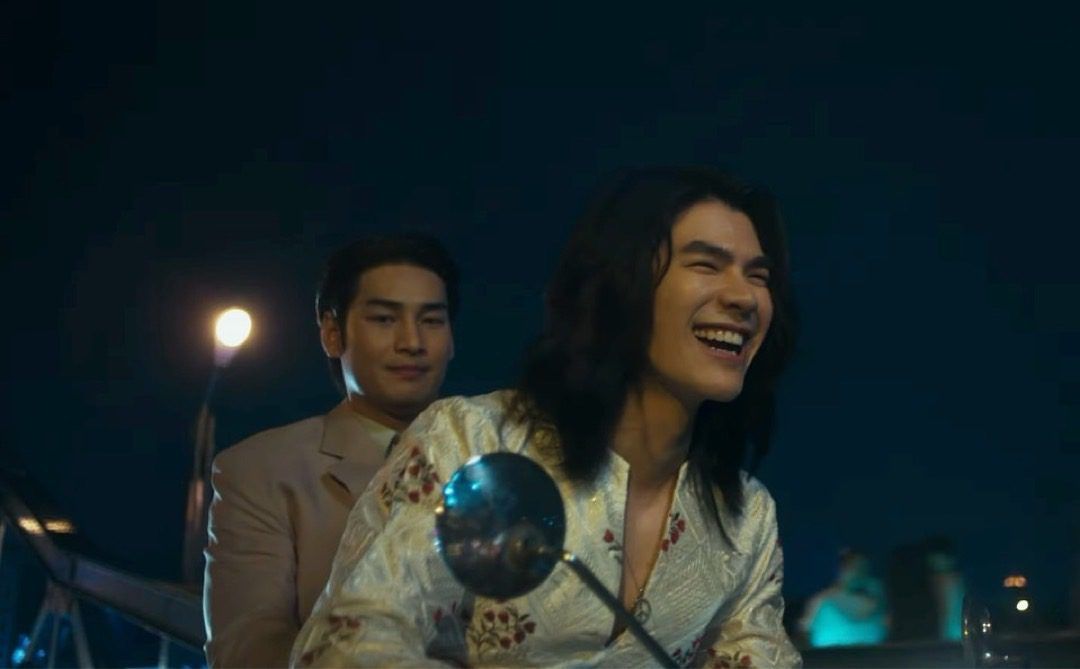
In 1969, Thailand was enveloped in the Vietnam War’s impact—part of the Cold War or ‘proxy war.’ Communists were portrayed as enemies and threats, heavily influenced by the US and ‘powers that be’ shaping narratives of ‘threat.’
The society was also tightly controlled by a military dictatorship suppressing media, public voices, and political expression. Meanwhile, student movements gradually formed amid discontent with inequality and domination by big capital. Shine the Series explores this context through the eyes of Dr. Tarin (Apo-Natthawiny Wattankitiphat), a progressive young economist educated abroad, aiming to change the nation by working at the National Economic Development Board and teaching at university.
Tarin’s social reform efforts unfold amid a society rife with propaganda and smear campaigns that were once challenged through academic articles, print media, and later online platforms—anti-communist threats, accusations of communists killing each other, students inciting villagers, and more—spread through new media targeting wider audiences.
We also see the media’s battle with authorities: journalists losing shows exposing corporate exploitation of villagers, collusion between officials, and forced silences that ultimately become part of corrupt cycles benefiting capital and state.
The series depicts male-male love in a political backdrop where characters know their love is not accepted in the era. They often suppress their identities and live under societal rules. Their love becomes a test of freedom and courage in a time when every expression is socially and politically scrutinized.
The series cleverly uses love and desire as mirrors reflecting politics and power, including state control, anti-communist fears, suppression of dissent, and capital as a mechanism sustaining those powers.
Shine the Series is not merely a past love story but invites viewers to revisit the rise of student movements, essential for understanding the October 14, 1973 events and the tragic October 6, 1976 massacre.
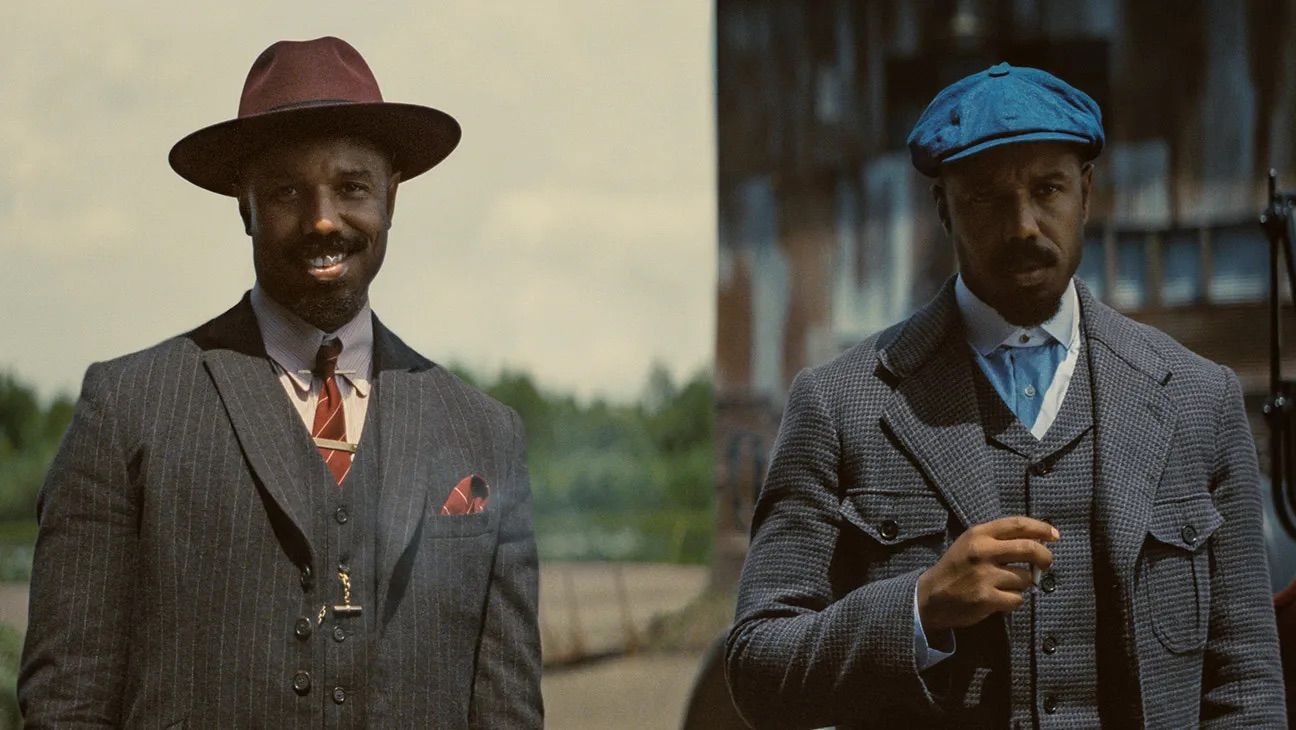
Vampire tales have been told for centuries; in 2025, there were several. One standout is Sinners by Ryan Coogler, director of Black Panther and Creed, who uses the vampire myth to explore imperialism and Black culture.
The film follows Sammy, a preacher’s son with exceptional blues music talent and a passionate storyteller through his singing and guitar. His gift attracts his cousins, Smoke and Stack, to join a Black music bar. However, his magical music also draws a white vampire demon seeking to harness his music to revive lost followers.
Vampire lore has represented many things—from elite power to unbreakable bonds. In Sinners, it illustrates how imperialist ideas infiltrate society’s most vulnerable. Oppressed people feeling powerless resort to adopting oppressors’ methods, consuming those who share their pain to survive and gain power.
Sinners portrays this through the power of Black culture and music connecting past and present, with music and culture often appropriated by outsiders. The film’s direction and cinematography culminate in a much-talked-about long take scene, sparking renewed love for theater-going amid streaming services reshaping movie culture.
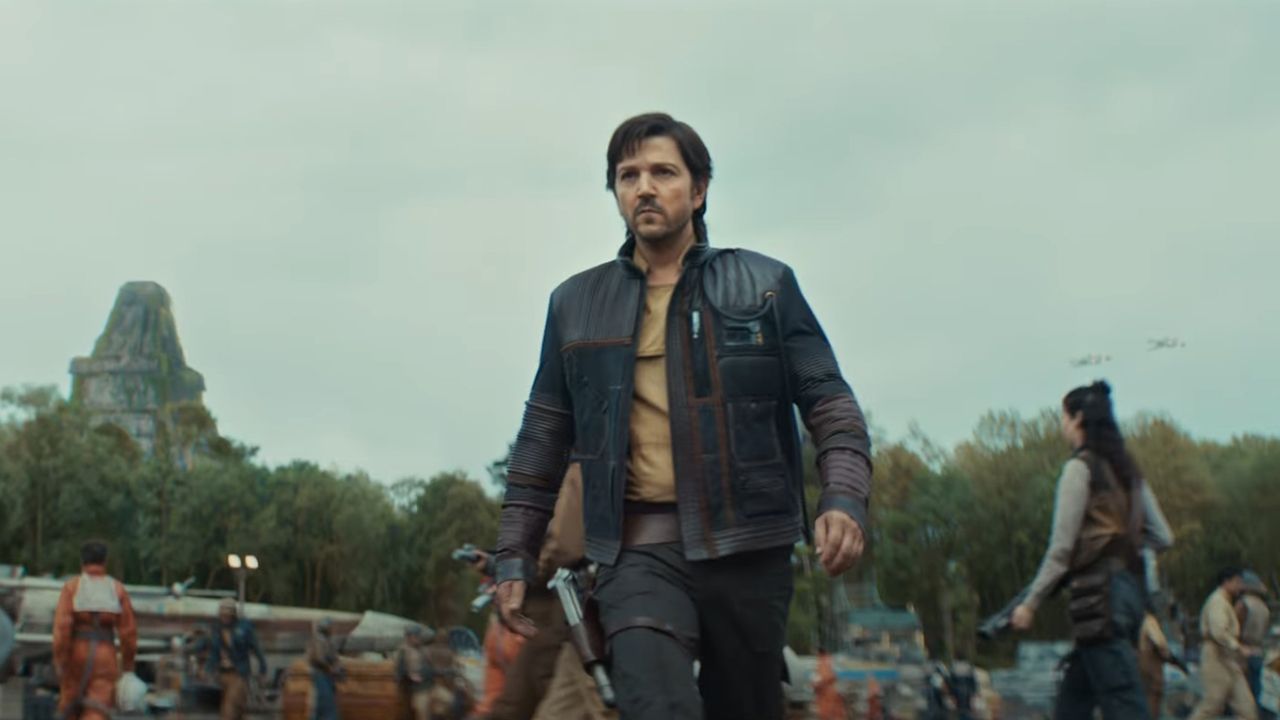
The Star Wars franchise, tied to wars and uprisings, has often shied away from politics, especially in the past eight years. However, Andor’s two seasons are exceptions.
Andor tells the story of Cassian Andor, a young man from a marginal planet living under an imperial dictatorship. His life changes as he joins underground movements that become the rebels known from the 1977 Star Wars film.
The series dissects dictatorship’s appeal to ordinary people, exposing messy anti-dictatorship resistance filled with infighting and sacrifice for a future they may never see. Season two depicts the government’s takeover of a small state, resource seizure, genocide, and propaganda crafted to justify these acts to the public.
This distant galaxy saga is one of the few in a decade where Star Wars boldly expands its storytelling to truthfully portray war as inherently political.
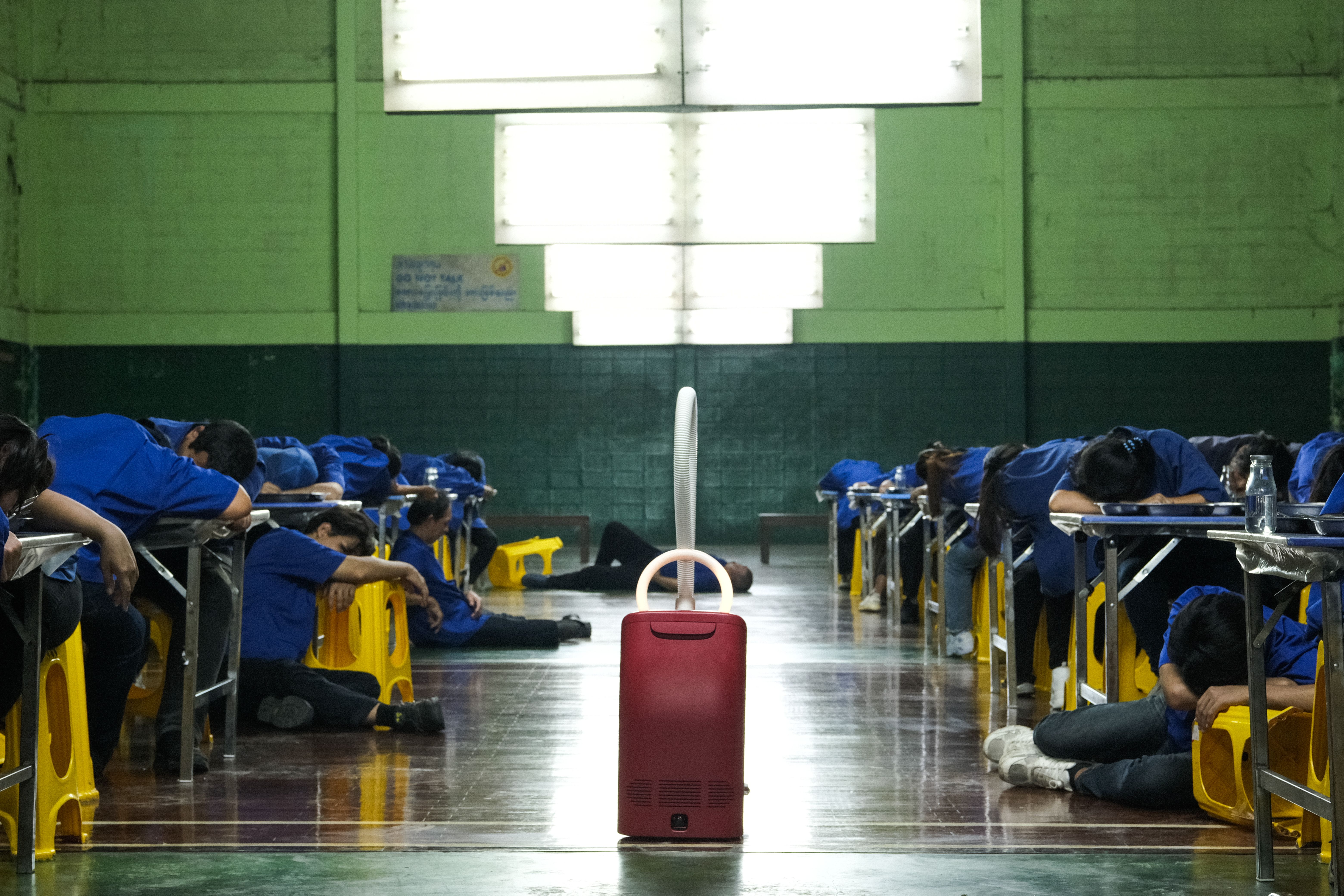
A Useful Ghost is Thailand’s first film in a decade selected to screen at Cannes. It also made history as the first Thai film in Critics’ Week, a section highlighting first and second feature films by directors.
This alone marked a significant impact on Thai cinema. Shortly after, the film won the Grand Prize AMI Paris, the top award in its category.
The film tells the story of a vacuum factory-owning family. One day, March (Wisarut Himrat), the son, faces overwhelming grief when his wife Nat (Davika Horne) suddenly dies from pollution. One day, March discovers Nat’s restless spirit possesses the vacuum cleaner, returning to him.
Meanwhile, the factory struggles as ‘ghost workers’—employees who died on the job—haunt and disrupt operations. March’s mother (Arpasiri Nitiphon) tries to resolve the issues but eventually the factory shuts down. Help arrives from March’s daughter-in-law’s spirit, possessing a vacuum cleaner to fight off malevolent ghosts threatening the factory.
At first glance, the plot of A Useful Ghost may seem strange, especially the relationship between humans and spirits manifested not as humans but as household appliances like vacuum cleaners, whose purpose is to clean dust. Yet beneath this ordinary device, the film gradually leads us to bigger, often overlooked questions about memory and deliberate forgetting—systematic yet disorderly.
Through deadpan humor and seemingly absurd but familiar stories, the film captures the essence of ‘Thai politics’ as Ratchapoom portrays it with entertaining flair. Beneath the laughter are sorrow and anger ready to erase marginalized histories, alternative voices, and dissent as if they were dust and ashes.
A Useful Ghost reminds us that in a country where the state seeks to make people forget, one form of resistance is ‘remembering’—remember, retell, and never forget.
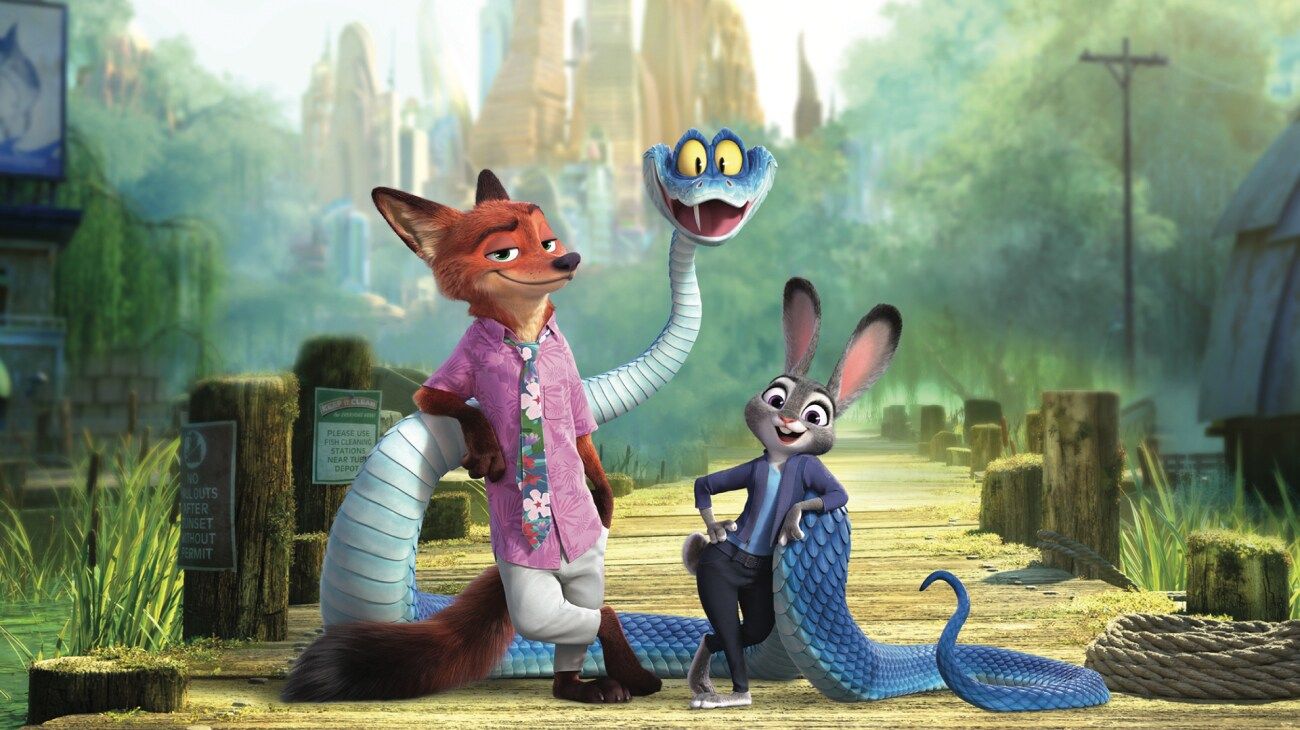
The first Zootopia followed Judy (a rabbit) and Nick (a fox) on an adventure proving we can be whatever we dream. It reflected society, politics, racism, and how animal groups are perceived and treated. Zootopia 2 smartly builds on these themes throughout.
The film uses Gary, a venomous snake, as a symbol for groups rejected and feared by society due to appearance and origins, left marginalized. It questions whether it’s right to exclude them simply because their identities differ from ours.
Regarding relationships, protagonists Judy and Nick, now effective partners, harbor deep cracks from differing perspectives—one willing to risk life for what’s right, the other preferring unchanged life out of care. Their unspoken feelings cause major conflicts but eventually resolve, proving partnerships don’t require identical thoughts or tastes but hinge on understanding and accepting differences.
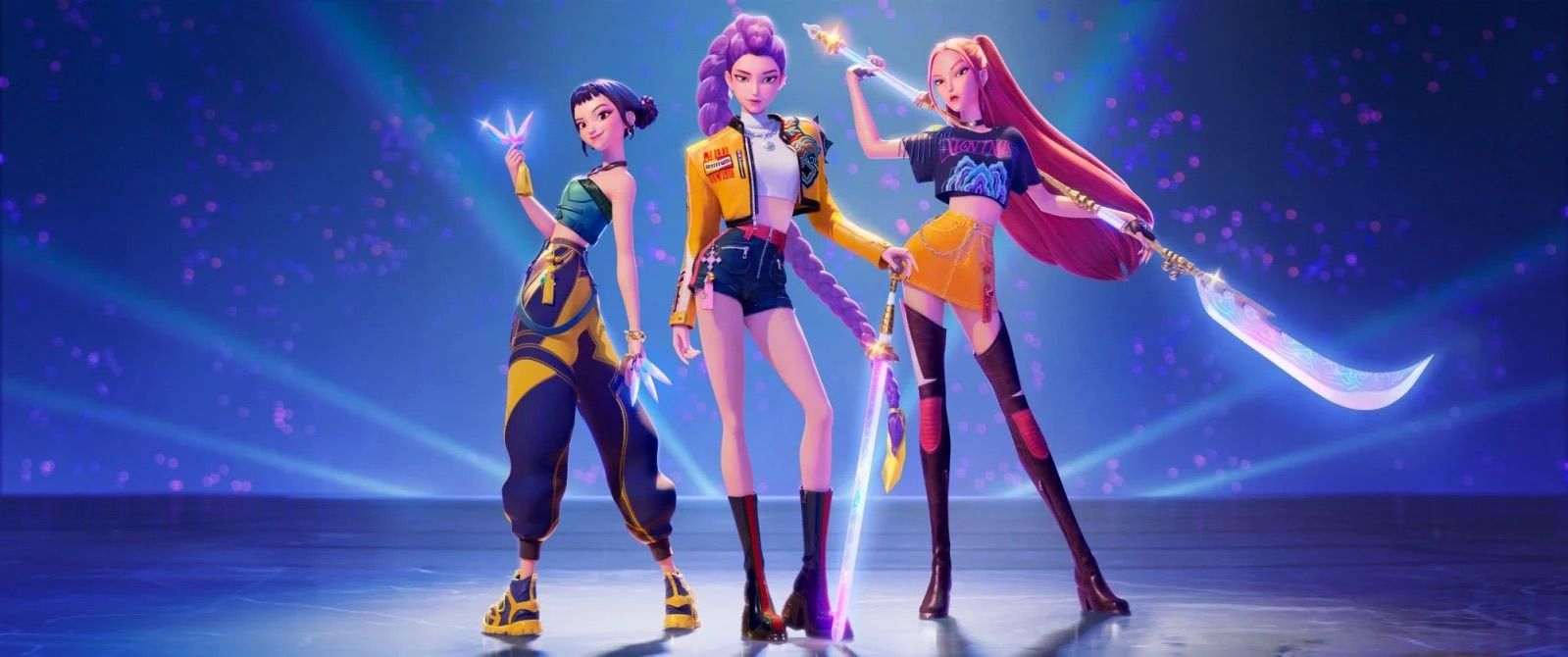
At first glance, the title KPop Demon Hunters might seem amusingly odd—an animation featuring Korean idols as superheroes saving the world from demons.
But watching it fully reveals an interesting taste of K-pop through animation, directed by Maggie Kung and Chris Appelhans with a creative team largely Korean-American or overseas Koreans. Simply put, it’s a K-pop story made outside Korea, yet skillfully incorporating elements from the Korean entertainment industry, while offering a fresh perspective on K-pop’s real-world world.
KPop Demon Hunters centers on girl group Hantrix—members Rumi (voiced by Arden Cho), Mira (May Hong), and Zoe (Yu Jiyang). Publicly, they are famous Korean idols, but secretly, Hantrix are demon hunters using music as protection and wielding ancient weapons to fight evil since ancient times.
Their biggest challenge arises when a new boy band, Sachaboys, debuts with catchy pop tunes but hides demons sent by the demon king Gwima (voiced by Lee Byung-hun) to defeat Hantrix. Jinwoo (voiced by Ahn Hyoseop), a former Joseon-era musician turned demon servant, forms Sachaboys to free himself.
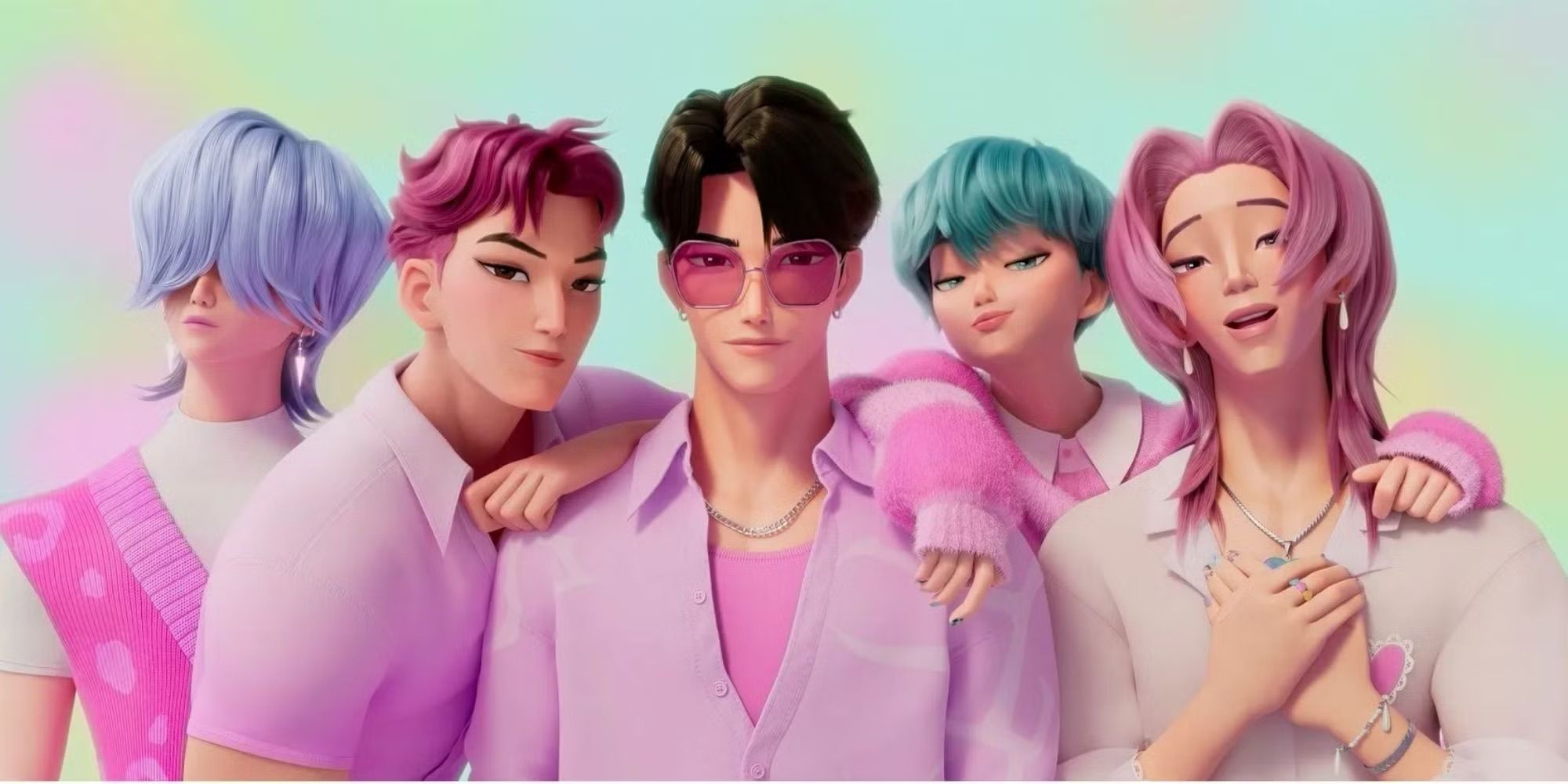
The battle isn’t easy as one Hantrix member hides secrets, leading to wounds they learn to accept, embracing life’s imperfections.
While following superhero tropes, KPop Demon Hunters mixes Korean series, reality show, and musical elements. Its soundtrack quickly climbed the Billboard Hot 100, with the hit “Golden” making Hantrix the first Korean girl group to top the main Billboard chart, bringing attention to the vocalists behind the scenes appearing on American talk shows.
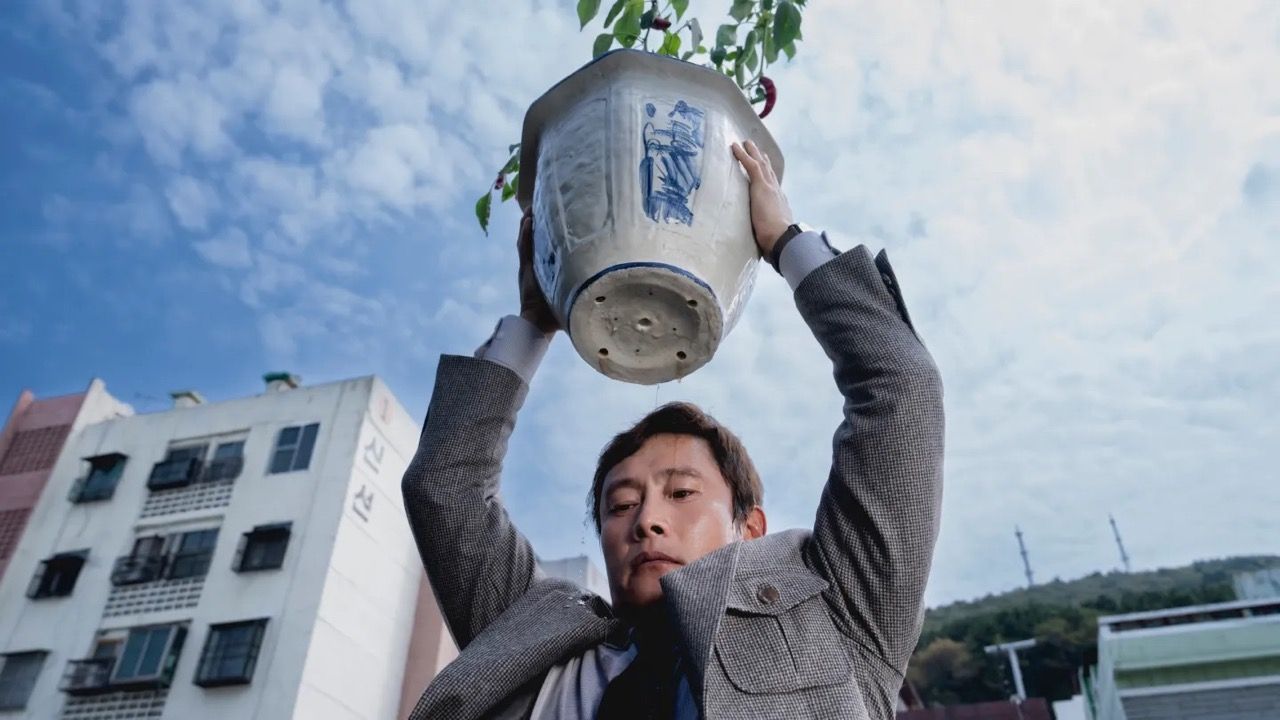
It’s no joke when a family’s breadwinner faces financial instability. Emotionally, it feels like carrying a mountain constantly—breathless, unable to live fully. Days pass waiting for improvement, job callbacks, kindness, or a lucky break.
For Yoo Man-su, a former paper factory manager in Korea, waiting is unbearable. After being laid off from a company he served over 25 years, he promises his wife Yoo Miri to find a job within three months, but fails. He learns of a thriving paper factory in a digital era, but entry requires eliminating competitors.
His story unfolds in the film No Other Choice, Park Chan-wook’s latest work. Park, famed for Oldboy, The Handmaiden, and Decision To Leave, and Cannes Best Director winner, is known for portraying people struggling against the odds with a signature thriller style—tense, bitter, claustrophobic, and darkly humorous.
No Other Choice sharply delivers dark comedy on global themes: capitalism’s affair with AI development, layoffs for cost-cutting, and technology replacing workers, widely discussed topics.
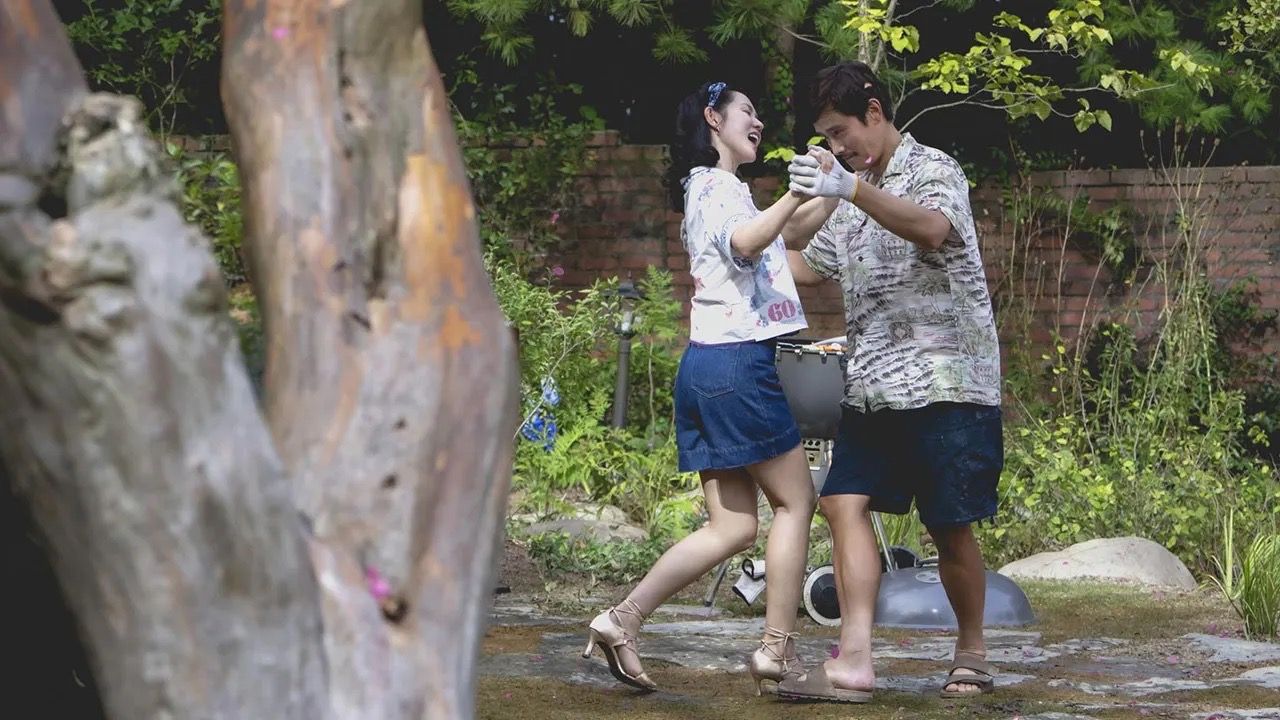
Nothing explains this better than capitalism’s cruelty, discarding people mercilessly. Yet society often says life always offers new chances if we seek ‘opportunities,’ accept any work, and fight to rebuild.
The film shows humans’ feelings are more complex. Losing a job after 25 years climbing social ranks is not easy to restart anywhere. Job loss means not only income loss but also loss of self-worth amid changing times.
If life is like a tree with seasons of shedding and growth, people discarded by capitalism resemble trees processed into paper—cut down at maturity, replaced by new ones. Curiously, paper is fragile and tears easily.
No Other Choice prompts reflection on what is more fragile: paper or our human self-worth.
“An epic reflection of the fiercest left-right conflict of 2025.”
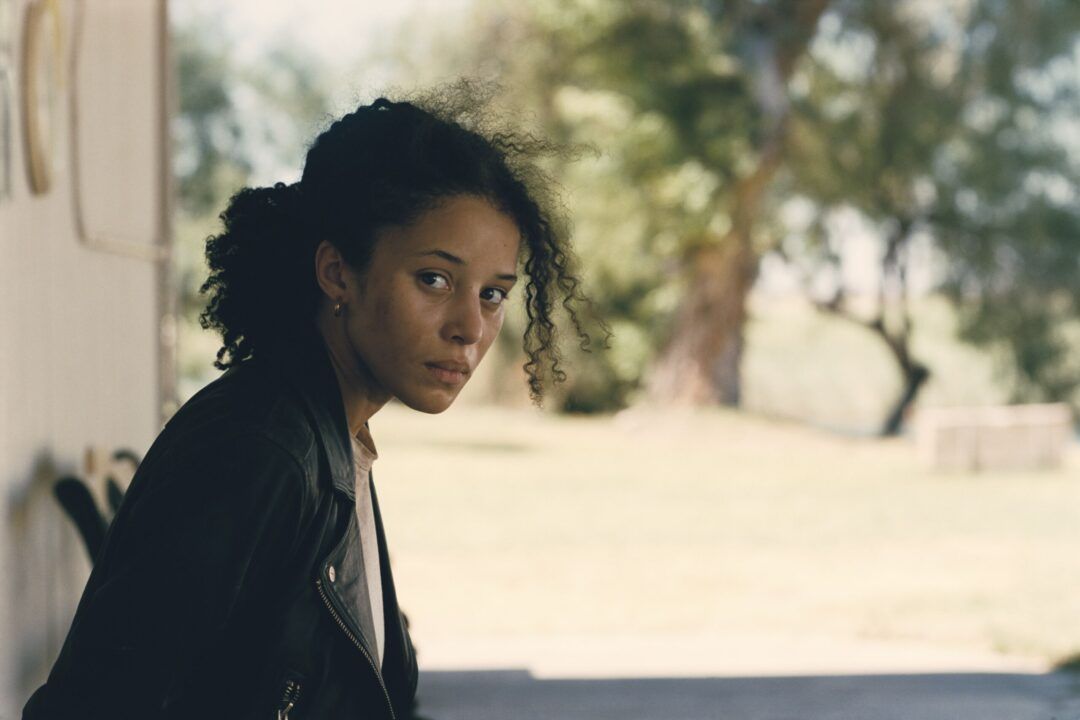
The film
follows Bob (Leonardo DiCaprio), a former leftist revolutionary and survivor of the French 75 extremist group, hiding and branded a ‘loser’ for years (leading him to heavy drinking and marijuana use). Suddenly, Bob must face old ideological foes again, struggling to protect his only daughter, Villa (Chase Infinity), from Colonel Steven J. Lockjaw (Sean Penn), who fought French 75.Lockjaw wields ‘supreme white purity’ power, but years ago, during a raid on an immigrant detention center, he became enamored with Bob’s lover, Perfidia Beverly Hills (Teyana Taylor).
Their confrontation triggers chaotic chases and comic moments amid Bob’s intoxicated state, desperately seeking his daughter’s safety. Ultimately, the film tenderly portrays the father-daughter bond, blending humor, chaos, satire, and serious political messages about past and present failures, while affirming hope for the future.
It’s incredible that