

In 2025, influential music media outlets and researchers have forecasted economic challenges for the global music industry, signaling major adjustments ahead for music streaming platforms. The business models may no longer be sustainable long-term, as the market approaches saturation and artists grow increasingly frustrated with compensation that does not fairly reflect their investments. Moreover, AI technology is reshaping how younger generations consume music.To such an extent that the quality of sound recording, song content, and the creativity that have always been the heart of music art across eras are being overlooked in unprecedented ways.
As this year ends, we invite everyone to reflect on the music industry as a whole — its successes and shortcomings among superstars, the music production trends observed this year, and the industry's future direction.
An often overlooked observation that effectively summarizes the differing music tastes between younger and older generations is the choice of headphones among youth and young professionals. These consumers prioritize design and features over sound quality. Many young people regard headphones more as fashion accessories or convenience gadgets than as devices for deep music listening.
For those who grew up in the 90s, choosing good-quality headphones or audio equipment meant prioritizing sound quality that closely matched studio-recorded sound.
However, times have changed, technology has advanced, and listening behaviors have shifted, especially with AI influencing preferences on what music genres to like or dislike. Younger listeners are increasingly favoring shorter songs and prioritize technology that facilitates convenient music listening.
Thus, for young listeners and working adults unfamiliar with cassettes, vinyl, or CDs, headphone selection focuses on design, noise cancellation (ANC) performance, fast connectivity to smartphones, and comfort.
Another subtle threat eroding traditional music artistry is the use of apps that modify sound to match personal tastes rather than listening to original recordings — trends such as slow+reverb versions orspeed-up versions of songs.These are efforts that producers and artists painstakingly craft to express each artist’s unique identity through meticulous notes.
Although headphones Beats by hip-hop rapper and producer Dr. Dre may be overpriced and produce overwhelming bass that can be fatiguing, Dre once truthfully remarked, "Artists and producers work hard in studios to perfect the sound, but when it reaches listeners through cheap headphones bundled with players, all those details vanish." Folk music legend Neil Young has been very serious about sound purity, famously calling MP3 "a disaster" because compressed files diminish musical detail.
Neil Young was so committed to sound quality that he developed the PonoPlayer, a high-resolution studio master music player, to let fans hear every frequency accurately rather than a compressed fraction. Music conveys emotion, and when quality drops, that emotion fades too. Meanwhile, Steve Albini a master sound engineer and producer of Nirvana's In Utero album, said he would never allow any dilution of sound that he intended listeners to hear. Albini insisted that music played back should sound as if the band is performing live in your room. The headphones chosen by younger generations today show that sound quality is no longer the primary buying factor. Since high-detail headphones or audio equipment are no longer mainstream market priorities, features like noise cancellation that isolates you in a different multiverse and instant connection to iPhones have become most important to brands. Removing the wired connection between headphones and playback devices severs the sensory aesthetic linking human senses to music — an art form demanding deep listener focus (consider Pink Floyd, Radiohead, or Michael Jackson’s music where subtle guitar pushes, synths, or intricate percussion might be inaudible, which saddens producers). It’s unsurprising that today, headphones costing thousands sell better than those costing hundreds that offer much better sound quality, because consumers see headphones as gadgets bought for features rather than pure sound.
Fashion headphones: redefining music's meaning and values in the modern world.
Creating high-quality music, regardless of genre, no longer guarantees sales. Instead, record labels prioritize the artist's style first. The impact on the music industry, especially in 2025, is clear: labels spend more on image, music videos, and social media campaigns (notably TikTok), because modern music consumption focuses less on auditory experience and more on visuals that quickly capture attention.
Quincy Jones
once said, "The music scene is dead," a statement made before streaming platforms dominated. With the music scene's magic fading and mainstream listeners not focusing on sound details, producers now create music to please the market, fundamentally changing traditional production methods. Modern songs that recently received Grammy nominations for major awards like Record or Song of the Year would never have been considered in the 80s or 90s when critics valued recording quality, creative sound design, arrangement, mixing, and mastering. Mixing and arrangements today emphasize thick, aggressive sound layers rather than clarity or complexity of individual instruments, resulting in pop, rock, hip-hop (especially Drill and Trap), dance, and hyperpop tracks with intense bass and intentionally distorted sounds to create atmospheres fitting the times rather than detailed musical craftsmanship.
Notably, modern songs are much shorter than 20 years ago, often lacking intros and featuring hooks almost immediately to capture listeners’ attention within the first 5 to 10 seconds. Many Top 20 Billboard hits sound flatter and rougher than those from the 80s and 90s. Yet, several songs with average or lower recording quality have been nominated for Grammy Record of the Year, driven more by streaming numbers and artist reputation than by musical quality, highlighting 2025 as a year of unprecedented industry transformation.
Jack Antonoff Fatigue: a musical ailment in contemporary pop.
Producer Jack Antonoff, known for working with global female pop stars such as
and Taylor Swift, is beloved by younger pop audiences and often guarantees platinum sales and award nominations. However, serious listeners and critics consider his acclaim excessive relative to his actual skill. Antonoff expertly captures contemporary pop culture trends, sometimes superficially, embedding nostalgic feelings into his productions with repetitive synth-pop sounds reminiscent of the 80s across multiple artists’ albums. Listening carefully to his work for Lorde, Lana Del Rey, and Taylor Swift reveals notable similarities, including synth-pop, unrefined vocal harmonies, and repetitive song structures that can feel tiring. Taylor Swift's "Fortnight," featuring Post Malone, controversially received a Grammy nomination for Record of the Year. Many media outlets attribute this to Swift’s fame and massive streaming rather than recording excellence. The heavy synth mixing creates a dreamy atmosphere that overshadows other musical elements.
Critics consider "Fortnight" pleasant but sonically flat and lacking dynamic impact, reflecting a deliberate producer choice to create a distinct vibe catering to young listeners and market trends. Its Grammy nod illustrates how even prestigious music institutions conform to prevailing trends.
Criticism extends beyond "Fortnight." Sabrina Carpenter’s global hit "Espresso" has been described as crafted to serve pop trends prioritizing vibe over artistic identity. Its mix emphasizes overly bright vocals (Vocal Forward) for clarity at the expense of sound depth, particularly the sub-bass foundation that has driven pop hooks since the 80s, aiming for instant catchiness even on poor speakers.
All these illustrate a crisis in mainstream pop music, no longer focused on aesthetics but rather producing formulaic tracks optimized for streaming algorithms. Big-name artists often follow these patterns meticulously, turning potentially low-quality songs into hits for inexplicable reasons. Modern mainstream music no longer primarily serves 'music lovers' but caters to streaming platform algorithms. This is unfortunate, and even more so when respected music institutions prioritize trends over musical quality, unable to resist the powerful tide of prevailing fashions. Analyzing strengths and weaknesses of 2025’s hottest artists. Bad Bunny
The top-streamed artist on platforms in 2025 is Puerto Rican superstar Bad Bunny. His albums have amassed 19.8 billion global streams. His latest studio album, "Debí Tirar Más Fotos," achieved significant success, with the track "DTMF" reaching number 1 on the Billboard Global 200 chart. Although rooted in reggaeton fused with dancehall, electronic, and Latin-style hip-hop,
Caribbean traditional music has been trending for over a decade, paved by artists like Don Omar, Daddy Yankee, and J Balvin. Bad Bunny’s album sparked unprecedented popularity for this genre.
This album blends reggaeton, plena, salsa, and bomba — Puerto Rican dance music styles — with jazz, EDM, trap, and various contemporary dance genres. Despite the diverse styles seeming unlikely to harmonize, Bad Bunny masterfully fuses them.
Frustrated by the homogeneity of EDM dance and bass-heavy hip-hop drops, "Debí Tirar Más Fotos" became a staple soundtrack in homes, clubs, parties, and offices alike. It’s said nearly every Latin American family played this album daily throughout the year.
Musically, the album is highly creative but sonically somewhat flat and lacking depth due to compression trends equalizing loudness across frequencies to maximize streaming impact. Vocals, beats, and instruments share similar loudness levels, reducing musical detail. However, the album excels in crisp, well-defined sub-bass management, making it ideal for high-end clubs with quality bass speakers. This comes at the expense of mid and high frequencies like guitar, piano, and percussion, which can be overshadowed by low tones. In summary, from a digital listener’s perspective, the album is a commercially successful artistic work, but aesthetically it lacks dimension and soul, diminishing the full potential of individual instruments. Bad Bunny stated, "I don't care if a song is a hit or not; I only care about how I feel in the studio... If I like it, I release it; if not, I don't." This partly explains the unpolished mixing style that favors initial satisfaction over traditional sound engineering precision. This approach suits contemporary mainstream music focused on algorithm-driven mass appeal, yet Bad Bunny still preserves his unique identity by skillfully blending diverse genres.
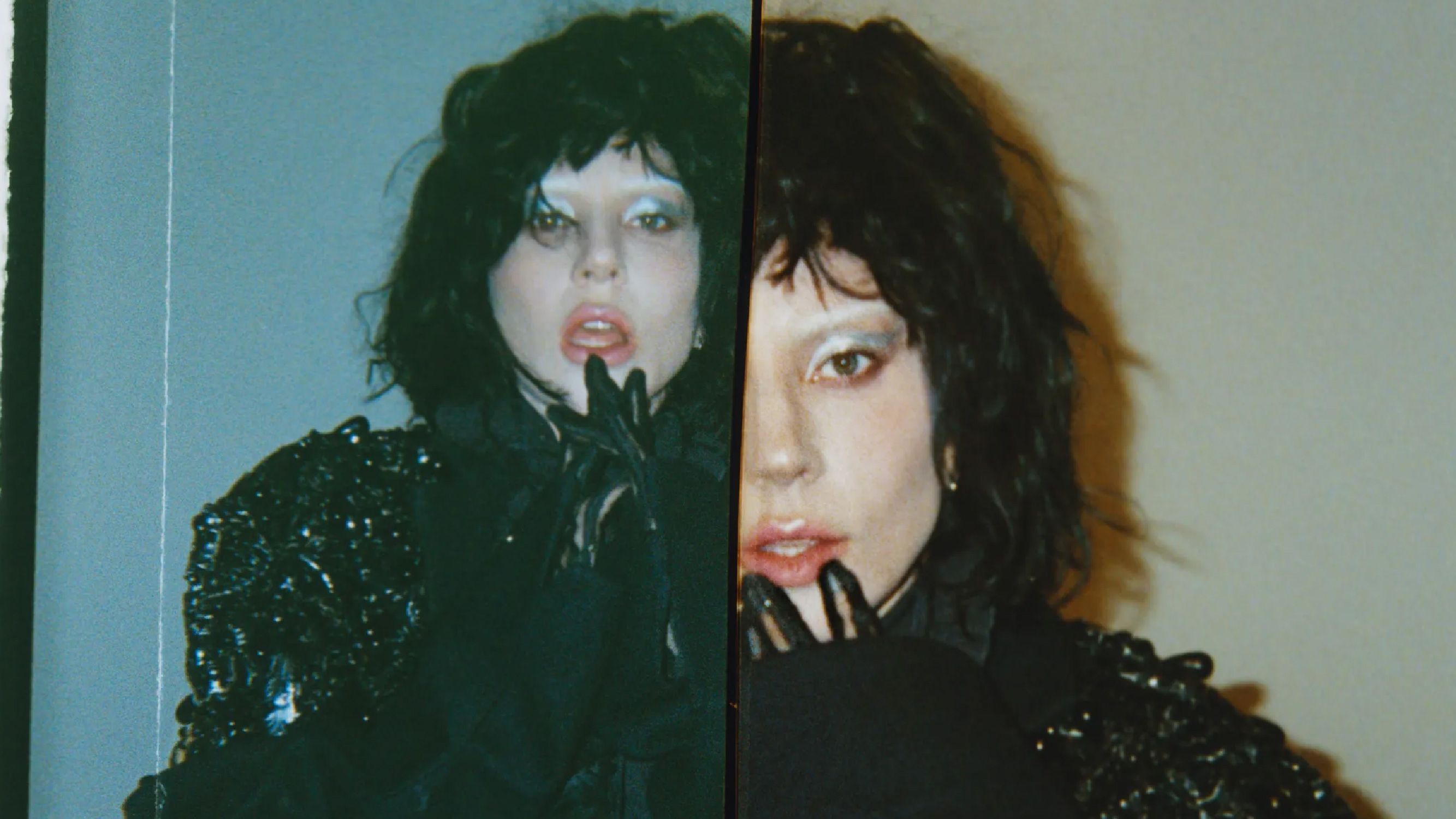
Lady Gaga "Mayhem" is undoubtedly one of 2025's best pop albums, blending electronic music with 90s grunge, rock, and alternative styles in unprecedented ways. Influenced by Prince and David Bowie, Gaga incorporated signature melodies from these legends into arrangements featuring funk-style basslines, French house, and numerous analog synthesizers to revive 80s synth-pop and dance vibes. "Mayhem" is Gaga’s heartfelt tribute to her love of music, merging diverse genres and her varied dreams into one cohesive work, as she told the Los Angeles Times. She experimented with industrial music — mechanical, factory-like sounds — and various electronic styles, creating her own unique pop sound. Gaga enjoyed breaking her own rigid rules about keeping genres separate within an album, demolishing these boundaries brilliantly. The album blurs genre lines between disco, funk, industrial pop, electronic, rock, and pop, creating an engaging sonic blend. Its themes explore love, chaos, fame, identity, and desire, symbolizing constant change. Visually, Gaga draws on gothic art and cyberpunk culture. "Mayhem" reached number 5 on the Billboard Global 200 and number 13 on the U.S. Billboard Hot 100. The love ballad "Die With a Smile," a duet with Bruno Mars, topped global charts and won the Grammy for Best Pop Duo/Group Performance. The album topped charts in 23 countries and set records as the best-selling female artist album of 2025, holding that spot for six months. This marked Gaga’s seventh Billboard 200 number-one album. Critics unanimously gave "Mayhem" an A+ rating, with some naming it the best pop album of 2025. Digging deeper, it reveals Gaga’s roots as a pop star more than even her 2008 debut "The Fame." The album earned eight Grammy nominations, including Album, Record, and Song of the Year for "Abracadabra," plus Best Pop Vocal Album and Best Pop Solo Performance. Her "The Art of Personal Chaos" tour was a huge success, and her free concert at Brazil’s Copacabana Beach became the most attended female artist show ever. The "Mayhem Ball" limited five-show tour was praised for lavish production, stage design, fashion, and top-tier performances.
Rosé
Rosé, a member of K-pop group BLACKPINK, told Apple Music’s Zane Lowe that her solo album "Rosie" was a long-overdue emotional healing journey. It chronicles her twenties filled with confusion and vulnerability, serving as a diary to find her true self through songwriting. Without this album, she said, she would still carry past pain and disappointment.
"Rosie" explores toxic relationships and the challenge of working solo after years collaborating with BLACKPINK, symbolizing leaving her comfort zone. Many songs reveal deeply honest emotions, requiring great courage since she typically dislikes revisiting those feelings. As a human with emotions, she chose to write songs portraying a fragile young woman, contrasting with her strong BLACKPINK image.
Rosé co-wrote and produced "Rosie" with Bruno Mars, Carter Lang, and Omer Fedi. The 12-track album blends R&B, synth-pop, ballads, and pop-punk, revealing an unexpected rebellious spirit and a stark departure from BLACKPINK and her bandmates’ solo works.
Critics praised "Rosie" for Rosé’s daring exploration of unfamiliar styles, her passion for this music, and the album’s emotional depth. Her vocals delve deeply into inner pain, with lyrics both strong and vulnerable. The album debuted at number 3 on Billboard 200, selling over 100,000 copies in its first week. It set a Guinness World Record as the highest-charting solo Korean female artist globally and charted in the top ten across Australia, Canada, Germany, Japan, South Korea, the UK, and New Zealand.
The Korea Music Content Association reported 500,000 sales and multiple Grammy nominations, including Record and Song of the Year for "Apt.," with "Number One Girl" and "Toxic Till the End" becoming global fan favorites.
Interestingly, while many new artists produce streaming-friendly albums with uneven quality, "Rosie" displays noteworthy aspects. Her vocal engineer sought "calculated imperfection" to reflect her internal instability in slower songs, while faster tracks feature confident vocals. Recording aimed to create an intimate experience, letting listeners hear breaths, quivers, and lip movements.
Rosalia Another standout Spanish-language contemporary pop star in 2025 is Rosalia. She started playing folk music at 14 and graduated in musicology from Catalonia College of Music. Her albums "Los Ángeles" (2017) and "El Mal Querer" (2018) uniquely mix pop, R&B, hip-hop, folk, experimental, and flamenco pop styles, earning her acclaim as one of the most interesting female Spanish-language pop artists today.
"El Mal Querer" won Album of the Year, "Motomami" won Alternative Album of the Year, and "Malamente" earned Latin Grammy awards for Record and Song of the Year. Her 2025 album "Lux" received critical praise for blending art pop with classical music harmoniously. "Lux" was ranked third best album of the year by Rolling Stone, behind only Bad Bunny and Lady Gaga’s new releases. The album achieved success across Europe and Latin America, impressively featuring vocals in 14 languages including English, Japanese, Latin, Italian, German, Arabic, Sicilian, French, Ukrainian, Mandarin, Portuguese, and Hebrew. The concept draws from historical studies of female saints and poets from various cultures, expressing themes of purity, female strength, and sensitivity that sustain the world’s beauty despite worsening global conditions.
Leading media like NME, The Guardian, and Rolling Stone awarded "Lux" perfect scores, while independent outlet Pitchfork rated it 8.6, placing it among the year’s top 20 albums. These successes affirm "Lux" as a 2025 masterpiece.
HUNTR/X
A dark horse phenomenon in 2025 was the soundtrack for the animated film "KPop Demon Hunters," achieving massive pop cultural impact. The soundtrack ranked fifth among the world’s best-selling albums, with substantial revenue from vinyl and CD sales to K-pop fans and children, especially limited-edition character covers now highly collectible and reselling at five times retail price. The theme song "Golden," performed by the fictional band HUNTR/X, surpassed 1 billion Spotify streams within four months and held number 1 on Korea’s Melon chart for over six weeks (Perfect All-Kill). These are just some highlights of this beloved animated soundtrack. The soundtrack is a strong contender for Best Compilation Soundtrack for Visual Media at the 68th Grammy Awards, with "Golden" also nominated for Best Pop Duo/Group Performance. Critics praised its visuals blending K-pop aesthetics — neon lights, bold fashion, beautiful choreography — and its clever exploration of idol fandom’s obsession and moral questions through demons in the story. The animation spawned a real-world virtual girl group named HUNTR/X, with pop-up tours using holograms alongside real artists in Seoul, Tokyo, LA, London, and Bangkok, selling out instantly. A pop-up store will open in Bangkok late this year, and the group’s light sticks rival K-pop groups’ sales. The film appeals widely to children and teens, especially girls. Its popularity sparked the "Demon Hunter Chic" fashion trend in 2025, mixing modernized hanbok, streetwear, and neon colors. TikTok challenges with demon-slaying dances went viral globally. Seoul’s Hongdae and Gangnam areas, settings in the film, saw tourism surges, unprecedented for Korean animation.
The success of "KPop Demon Hunters" in 2025 proves Korea’s soft power remains potent when fueled by fresh creativity, revitalizing K-pop’s waning popularity. Asian culture combined with Hollywood-scale production can generate a new universe of revenue across movies, music, fashion, toys, and lifestyle.
"Man's Best Friend," the seventh studio album by 26-year-old pop star Sabrina Carpenter, earned praise from fans and critics in three key areas: her exceptional vocals, cohesive art direction (artwork, music videos, production), and cleverly ironic lyrics. The album topped charts across Europe, New Zealand, Canada, and notably the U.S., selling over one million copies in just two and a half months. The album received six Grammy nominations at the 68th ceremony, including Album of the Year and Best Pop Vocal Album. It debuted with 360,000 sales in its first week and amassed 184.11 million streams in the U.S. within a week, making Carpenter the top female artist for highest streaming debut in 2025 and Spotify’s most-streamed album in a day that year. The album cover features Sabrina Carpenter crawling with her hair being pulled by a man like a dog, symbolizing women’s submission to men. This provocative image sparked conservative backlash accusing it of perpetuating sexist stereotypes, but feminist groups have worn it out. In reality, the album delves far deeper. Carpenter explained that in today’s world, gender power lines are socially constructed. Women and men have been equal for some time, and sometimes women hold greater power. Over recent years, women have risen to challenge influential men across entertainment, politics, economics, and technology, prompting judicial reforms to punish male oppression. Many women now openly fight to preserve their dignity.Thus, the album cover reflects dual meanings: women as "pets (dogs) and men’s best friends," or conversely, men as "pets" needing care and training from women. This satirizes conservative views seeing women as subordinate, contrasting with a reality where many women hold more power than many men.The album’s concept aligns with Carpenter’s statement: "I know best when I’m in control, even when I seem subordinate," a theme woven through many songs. Though Jack Antonoff produced the album, he reduced heavy synthesizers in favor of real instruments. The music blends glamorous disco-pop with American country influences reminiscent of Madonna and Dolly Parton. Carpenter’s frank discussions of sex reclaim female agency as initiators and desire holders, not mere objects for male gaze.Shining stars across the year.
"GNX," the album by rap icon Kendrick Lamar, streamed massively across the year. After a long feud with Drake, Lamar proved his authenticity.
"CHROMAKOPIA," the album from Tyler, the Creator, saw tremendous success, evidenced by sold-out "CHROMAKOPIA: THE WORLD TOUR" shows worldwide, including a 2025 concert in Bangkok.
"The Rise and Fall of a Midwest Princess" by Chappelle Ron, released late 2023 but exploding mid-2024 through 2025, elevated her to a top pop star, winning the 2025 Grammy Best New Artist. Hits like "Good Luck, Babe!" and "Pink Pony Club" secured headliner spots at global festivals. Billie Eilish’s 2024 album "HIT ME HARD AND SOFT" contained many great tracks, especially "BIRDS OF A FEATHER," which became a new wedding staple and featured in countless TikTok clips throughout 2025. Canadian singer Justin Bieber’s first album in four years, "Swag," followed by "Swag II" in September, shifted from trending pop and hip-hop to lo-fi R&B and synth-pop with mature, sexy, and sophisticated sounds. "Swag" set Bieber’s record for Biggest Global Streaming Day on release and earned four Grammy nominations, including Album of the Year. 2025 was a golden year for superstar Olivia Dean. Her album "The Art of Loving" debuted at number 1 on the UK Albums Chart and topped vinyl sales. It also entered the US Billboard 200 top ten, a rare feat for new British artists. Praised for elevating neo-soul to a more accessible, global sound, her warm vocals complemented the stylish, charming, and cool music. "Man I Need" went viral globally, especially on TikTok. Dean is also a strong contender for Grammy Best New Artist 2025. Taylor Swift remains a key figure. Despite mixed reviews for her new album "The Life of a Showgirl" regarding songwriting and emotional connection compared to earlier work, its gentle pop and soft rock vibe maintains catchy standards. "The Fate of Ophelia," featuring Sabrina Carpenter, became a global viral hit, and the album topped Billboard 200.
Several elite artists released music in 2024 that maintained strong popularity in 2025. Contemporary metal highlights include Linkin Park’s "From Zero" with a female lead singer and Bring Me the Horizon’s "Post Human: NeX GEn," beloved by youth.
The song "Top 10 staTues tHat CriEd bloOd" remained a social media staple all year. Hardcore bands Knocked Loose and Turnstile released popular albums "You Won't Go Before You're Supposed To" and "Never Enough," blending intensity with catchy melodies, earning spots at major mainstream festivals. Deftones reclaimed their alternative metal throne with the excellent "Private Music," nominated for Best Rock Album at the 68th Grammys. In 2025, Sleep Token shook the contemporary metal scene with "Even in Arcadia," astonishingly fusing R&B, pop, groove metal, hip-hop, and Djent (a progressive metal subgenre). Spiritbox’s "Tsunami Sea" mixed Djent and alternative metal smoothly, while Deafheaven’s new album "Lonely People With Power" showcased their blackgaze and shoegaze mastery. Overview of 2025’s global music industry success and changes. A striking trend is the thinning and near disappearance of clear genre boundaries. Soon, categorizing new artists’ music into specific genres will become extremely difficult for critics, as many albums and even individual songs blend jazz, hip-hop, punk rock, Latin, Afrobeat, dream pop, shoegaze, metal, funk, and more.
Improved production skills have transformed what were once niche experimental genres into mainstream music unexpectedly. This phenomenon has led to the coining of "Death of Genre."
Artists like Tyler, the Creator (rap, jazz, experimental), Sleep Token (Djent, R&B, jazz/funk), BEABADOOBEE (slacker rock, bedroom pop, post-Britpop), Sombr (indie rock, dance, pop), JPEGMAFIA (hip-hop, industrial rock), HARDY (country, nu metal), Post Malone (trap, country, classic rock), Electric Callboy (Eurodance, metalcore), and countless others have broken genre walls. Many previously niche bands like Tame Impala, Bad Omens, Mitski, Fontaines D.C., Turnstile, IDLES, Fred again.., Khruangbin, Laufey, Joji, Polyphia, Maneskin, and even progressive metal legends Gojira have become mainstream, with Gojira performing at the 2024 Paris Olympics opening ceremony. Future music trends. The trend of reducing musical detail during mixing and recording — prioritizing loudness and immediate hooks for younger listeners over musical essence — is likely to decline. Late 2025 data shows a significant decrease in such "hit-at-first-listen" style productions, partly due to the "Superfan Economy."
An article in The Guardian titled "The End of the TikTok Song" explains that the short song trend is nearing saturation, with longer, more complex songs returning. Between 2024-2025, hit songs have grown beyond four minutes and reintroduced bridges previously cut for TikTok brevity, as listeners tire of formulaic pop and seek richer structures featuring real instruments like guitar, bass, drums, and keyboards. Artists reviving traditional musical foundations include Olivia Rodrigo, Sabrina Carpenter, Rosé, Miley Cyrus, Hayley Williams, and many more. Conclusion. 2025 stands as a watershed year showcasing a fierce conflict between "algorithms" and the true spirit of music. Despite AI and fashionable headphone culture reducing musical aesthetics to superficial "content," successes by artists like Lady Gaga, Bad Bunny, and Rosé prove that boundary-crossing musical alchemy and honest vulnerability remain keys to pure music. This beauty of music, no matter how advanced AI becomes, will always win listeners’ hearts.
Ultimately, the yearning for tangible instruments and lyrics that connect to complex human emotions signals that despite fast-moving TikTok trends, humanity still craves artistic truth and is willing to savor music crafted with artist spirit, not binary code, preserving music’s role as an emotional language uniting people worldwide, now and forever.