

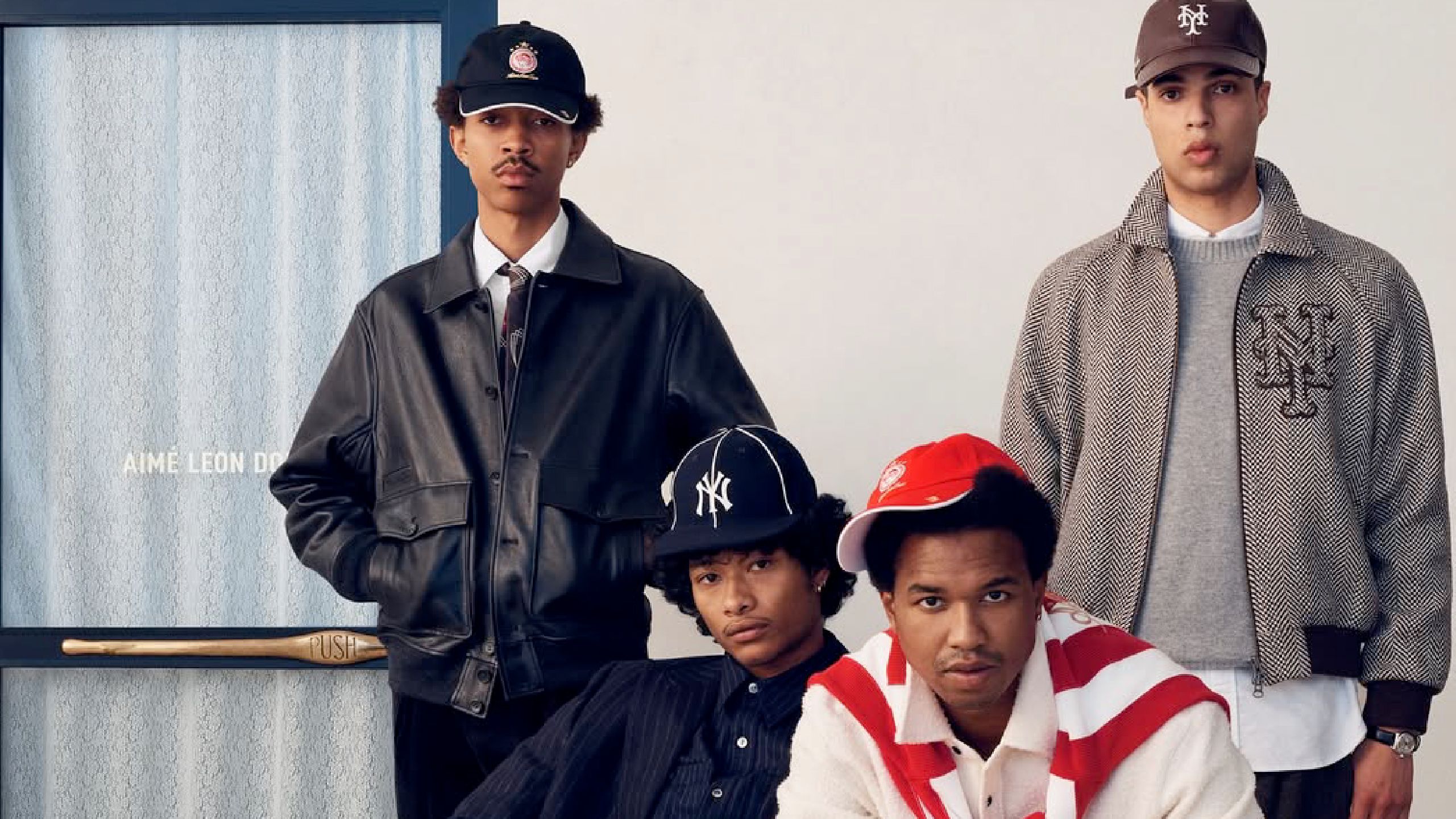
During the transition from 2025 to 2026, the clothing marketplace Depop used statistics from the past year to predict where fashion enthusiasts will head this year. Their report shows how the internet, global political atmosphere, and economic conditions influence how we dress, forecasting that 2026 will see a 'rebound' from these currents.
Depop titled 2026 as the year of ‘The Edited Self’ which means ‘The Refined, Curated Self’ To understand this, we must consider their insights alongside the major fashion trends of 2025.
“Today's world is shaped by economic anxiety, political noise, environmental worries, and endless online conversations. Amid these voices, people seek clarity in their identity. Fashion will continue to move fast, but people won't follow it the same way. Trends speed up while attention, money, and energy become scarcer than a few years ago, leading us to care less about trends.”Depop discusses the overall picture.
For those who followed 2025 fashion trends, they were defined by speed, flashiness, and dressing for an audience. Trends changed weekly, making ‘Outfit Repeater’ (people wearing the same outfit again) a joking term. Popular clothes were striking, like firefighter jackets and increasingly wide-legged pants.
These eye-catching styles thrived on short-video platforms where posts last only seconds. This look was dubbed ‘High Screen Time Style’ — styles favored by heavy internet users.
The pace of social media won't slow soon, but people's fatigue is changing. As the online world spins fast and content floods endlessly,going ‘offline’ has become a top goal for many.With limited budgets for clothing, trends are expected to slow down.
The first 2026 trend Depop identifies is that more people will dress in ‘uniforms.’Here, ‘uniform’ doesn’t mean a literal uniform,but rather a wardrobe pared down to versatile pieces that fit the individual, easy to mix and match without much thought. They base this prediction on rising searches for capsule wardrobes — clothing that pairs well with anything, such as:
workwear jackets,which saw a 579% increase in searches,
peacoat-style coats, up 499%,
quarter-zip long-sleeve tops, up 405%,
button-up collared shirts, up 179%.
Additionally, 8 out of 10 survey respondents said they wear outfits repeatedly, often because they’re tired of too many wardrobe choices.
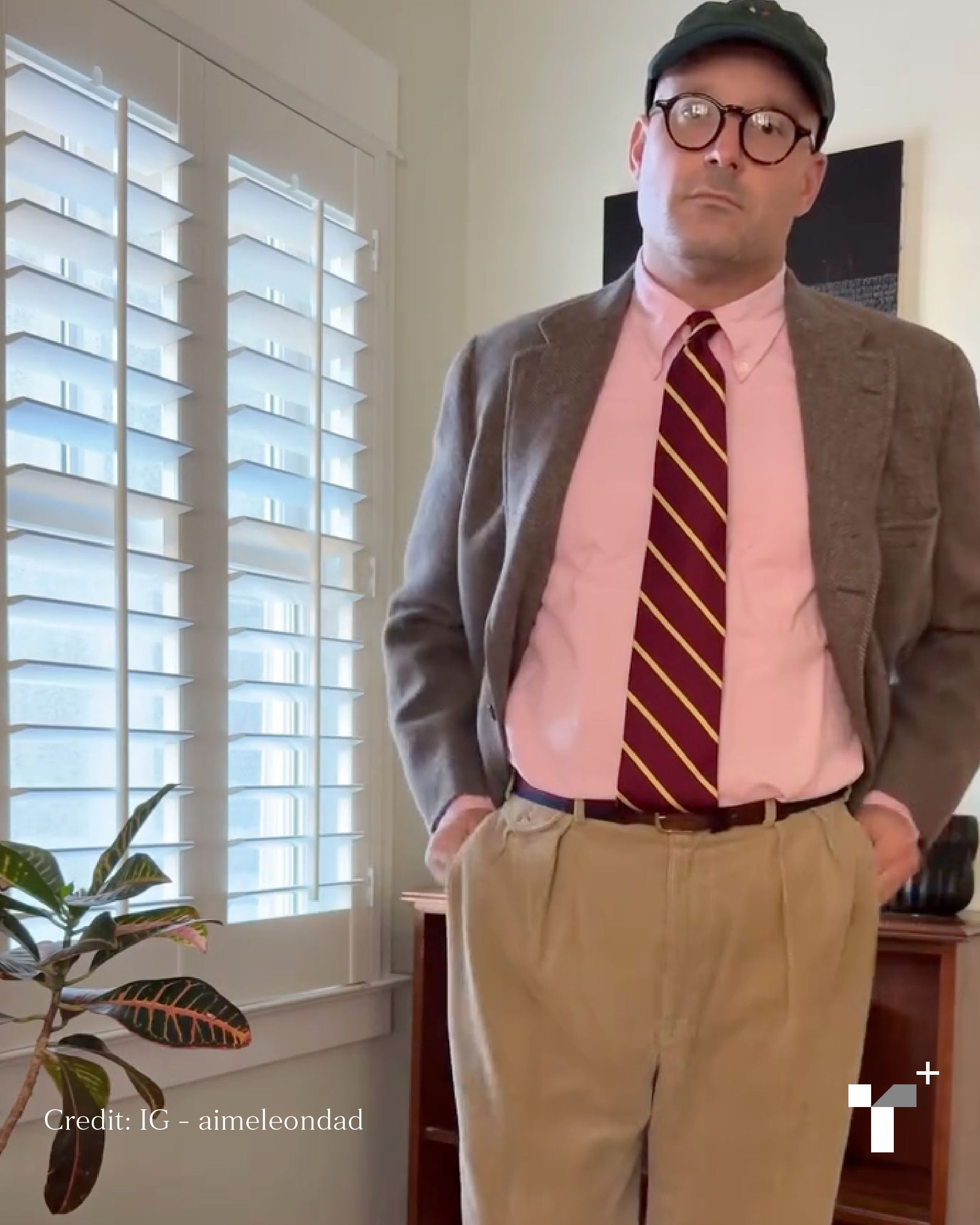
This dressing style not only reduces decision fatigue but refocuses dressing on ourselves. People prioritize personal style and taste over trends, buying clothes for qualities like fabric, texture, and durability rather than hype. Ultimately, this sharpens our fashion sense and cuts waste.
The next trend is Neo Nostalgia, where Depop notes people seek clothing that evokes the past — whether personal memories or fashion history — evidenced by increasedvintage shopping,like wide-legged JNCO jeans,Y2K-style Von Dutch apparel,vintage designer pieces, or medieval-inspired designs.
“This isn’t new. Historically, when the real world feels bleak and unstable, society turns toward fantasy, medieval romanticism, and clothing referencing historical garments.”Depop elaborates that world instability makes us cling to comforting past elements, reinterpreting them for today.This leads to popularity in styles like Americana, which nostalgically recall better days.
We need look no further than the historic bag brand Coach, which has surged in popularity partly because its creative director, Stuart Vevers, studied vintage bag designs from the brand’s archive and blended heritage with modern user needs.
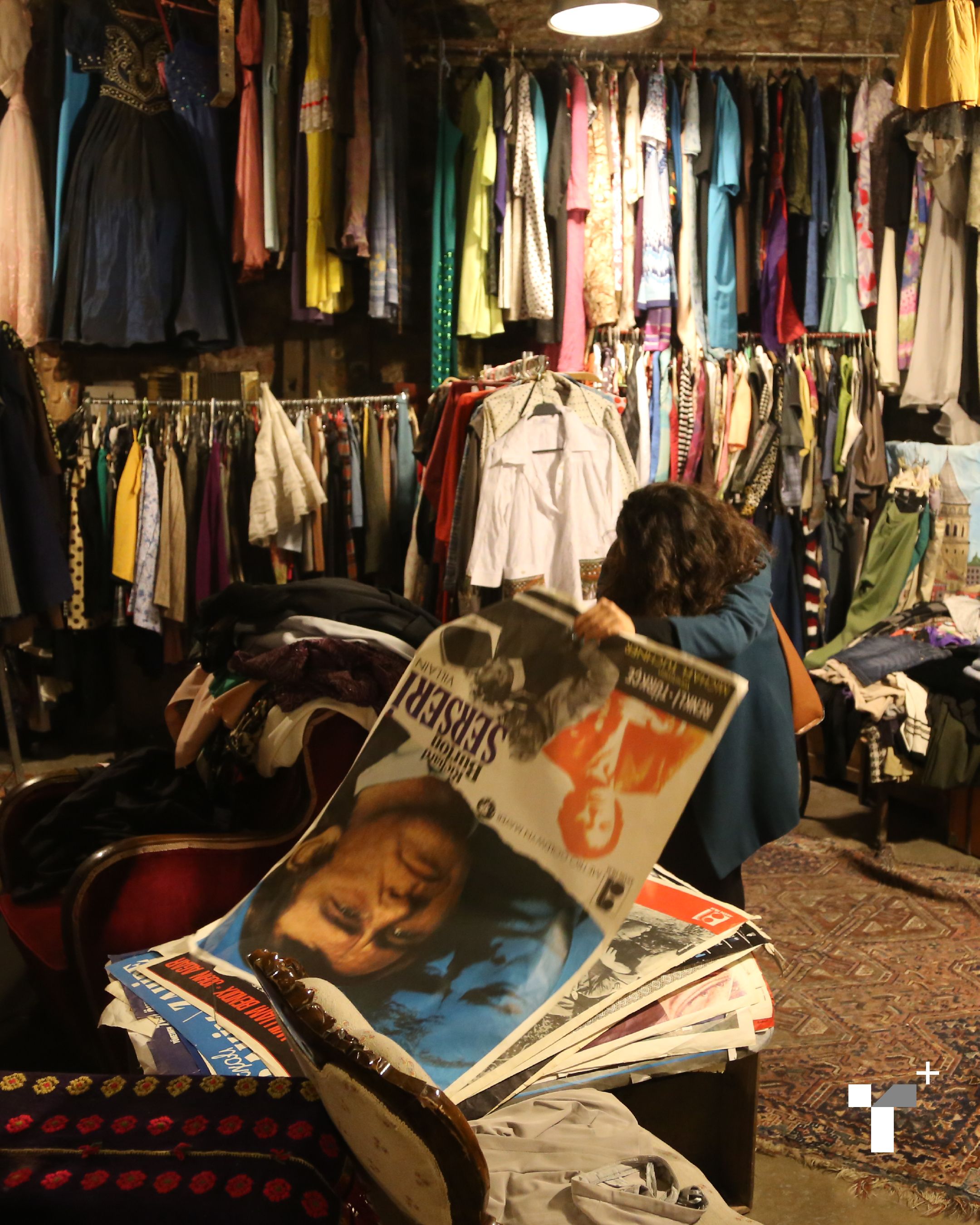
Moving beyond buying and designing, another key point is that dressing itself becomes more intentional in 2026. Depop describes choosing clothes as a kind of ‘Everyday Ceremony.’
While many are used to wearing pajamas and flip-flops for errands, even casual days will see more thoughtful dressing. People dress not to impress others but as a meditative or creative act that elevates daily life and boosts confidence, turning dull days into meaningful moments.

The final trend continues 2025’s surge of sportswear. Football jerseys, once symbols of casual dressing, have become hot items across brands, and this sportswear popularity will grow stronger and spread to more categories in 2026.
Depop’s analysis shows sportswear’s appeal lies in adding comfort and softening formal looks. Also, with the World Cup year, many will wear football shirts to express their connection to football subculture.This trend is unsurprising given the growing popularity of sports activities among the middle class,
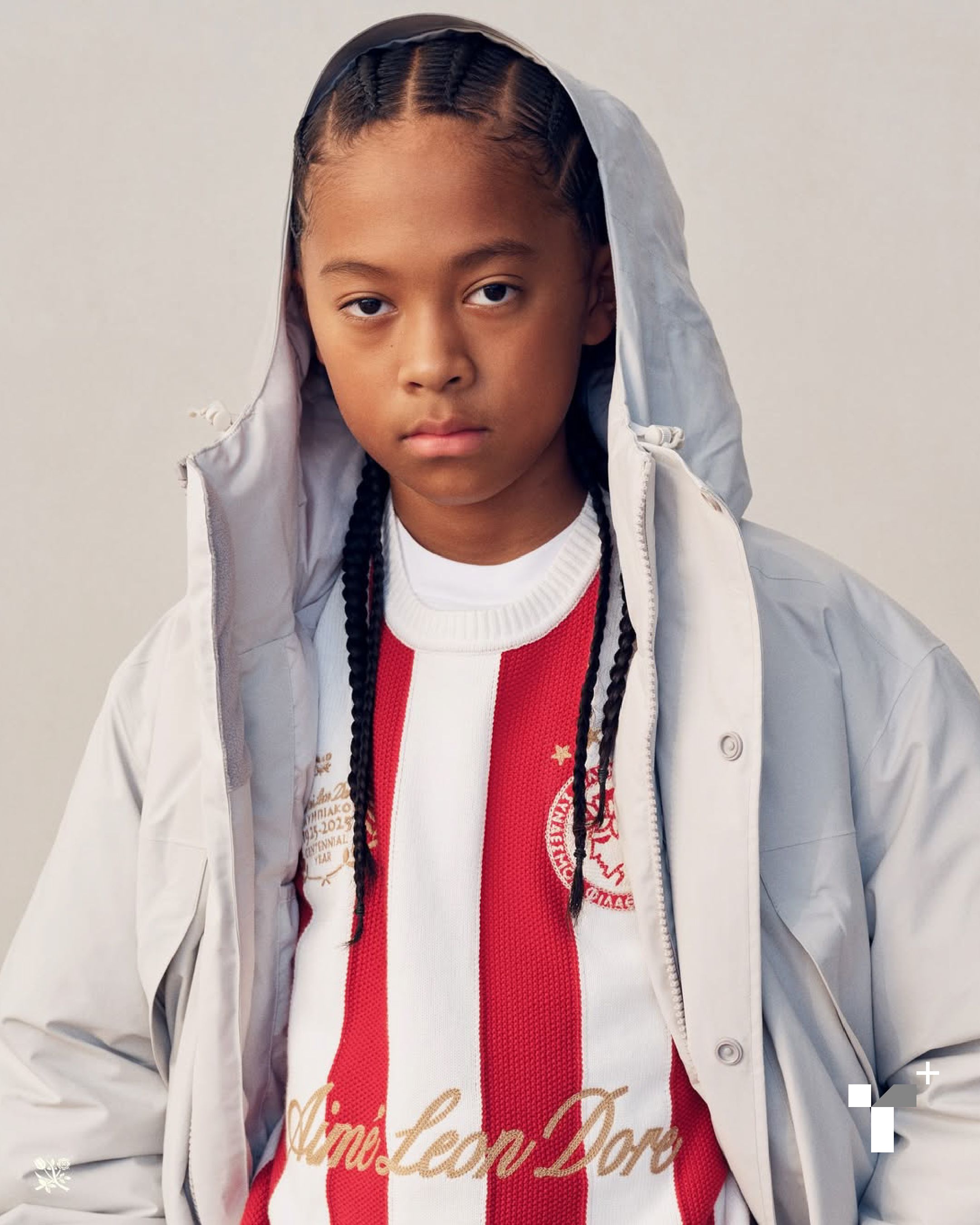
such as running clubs, trail running, marathons, rock climbing, horseback riding, and Pilates, which normalize mixing everyday clothes with sportswear. Wearing these garments offers comfort and signals engagement in hobbies.“2026 is a year of cultural recalibration. Consumers choose quality over quantity, emotional connection over novelty, and ownership of style over algorithm-driven trends.”Depop Newsroom summarizes these four trends, highlighting that fashion mirrors human desires.
Thus, beyond clothing, shifting focus away from the online world may also signal broader changes globally.References: