

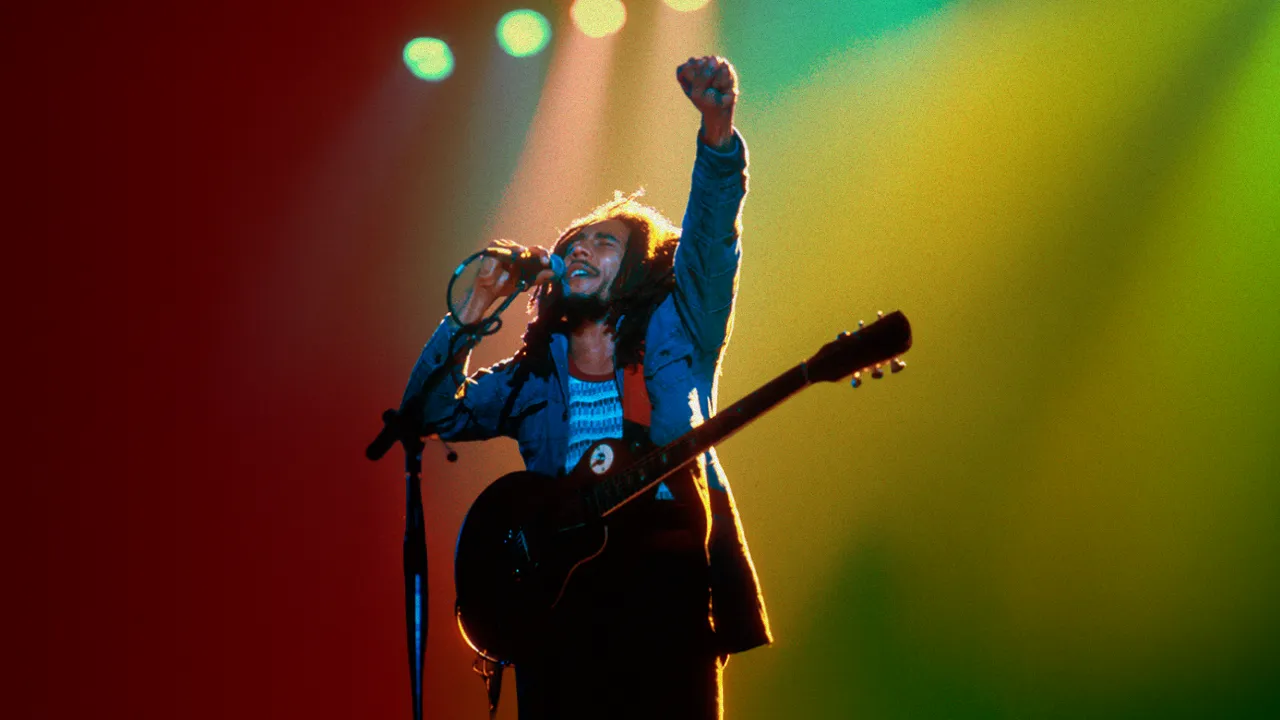
Back in 2016, the band Santana toured with a concert at Impact Arena, Muang Thong Thani, including an improv session with the Carabao band. At that time, people likely became familiar with another Bob Marley reggae song beyond 'Buffalo Soldier' and 'Could You Be Loved'.
“Exodus, movement of Jah people
Men and people will fight ya down, tell me why
When ya see Jah light
Let me tell you if you're not wrong, and why”
This song is titled 'Exodus,' created with The Wailers in the album of the same name in 1977. It was composed while Bob Marley was in exile in London, United Kingdom, after he was shot in Jamaica, suffering two wounds to his arm and chest just two days before the 'Smile Jamaica' concert. Exodus is not only a catchy Marley tune but also a reflection on political violence and the Rastafari political stance aiming to break free from Western power and capitalism through the Jamaica Labour Party (JLP).
“We're leaving Babylon
We're going to our father land”
Exodus refers to the great migration led by Moses bringing the Jews back to the Promised Land, but Marley used it to speak about Rastafari people who view Africa as 'Zion'—the land of origin—and seek to escape 'Babylon,' the oppressive Western world power. 'Jah people' means God's people, with 'Jah' being a short form of Jehovah. Rastafari also believe that 'Jah' can refer to Emperor Haile Selassie I of Ethiopia, said to descend from King Solomon.
Interestingly, Bob Marley himself was of mixed heritage, with a white father and black mother. As a child, he was often bullied within his community and derogatorily called 'White boy.' Conversely, from his father's white side, he was not accepted either. This reflects the common plight of mixed-race children in earlier times. After meeting the Rastafari community, Marley's life changed profoundly—it was like a liberation of both his mind and spirit. He later told the media he was not on the side of white or black, but only on God's side. This statement carried deeper meaning beyond the ideological divide that fueled civil conflict, even though he leaned toward the People's National Party (PNP). Miraculously, Marley managed to bring leaders from the opposing PNP and JLP parties together on stage to shake hands and promote unity in Jamaica—a moment that seemed nearly impossible for those present.
Bob Marley died not from assassination but from lung cancer. He had planned to fly back to Zion in Jamaica, but his illness worsened, forcing the plane to divert to Miami, Florida, USA. Shortly after, Marley passed away at only 36 years old, leaving behind his philosophy and timeless music for future generations.
Today, the Rastafari philosophy, Bob Marley, and reggae music have become intertwined, evolving into a lifestyle reflected in fashion and ways of living. They symbolize peace, tranquility, and friendship. If Bob Marley were alive today, he would be 81 years old.
References: