

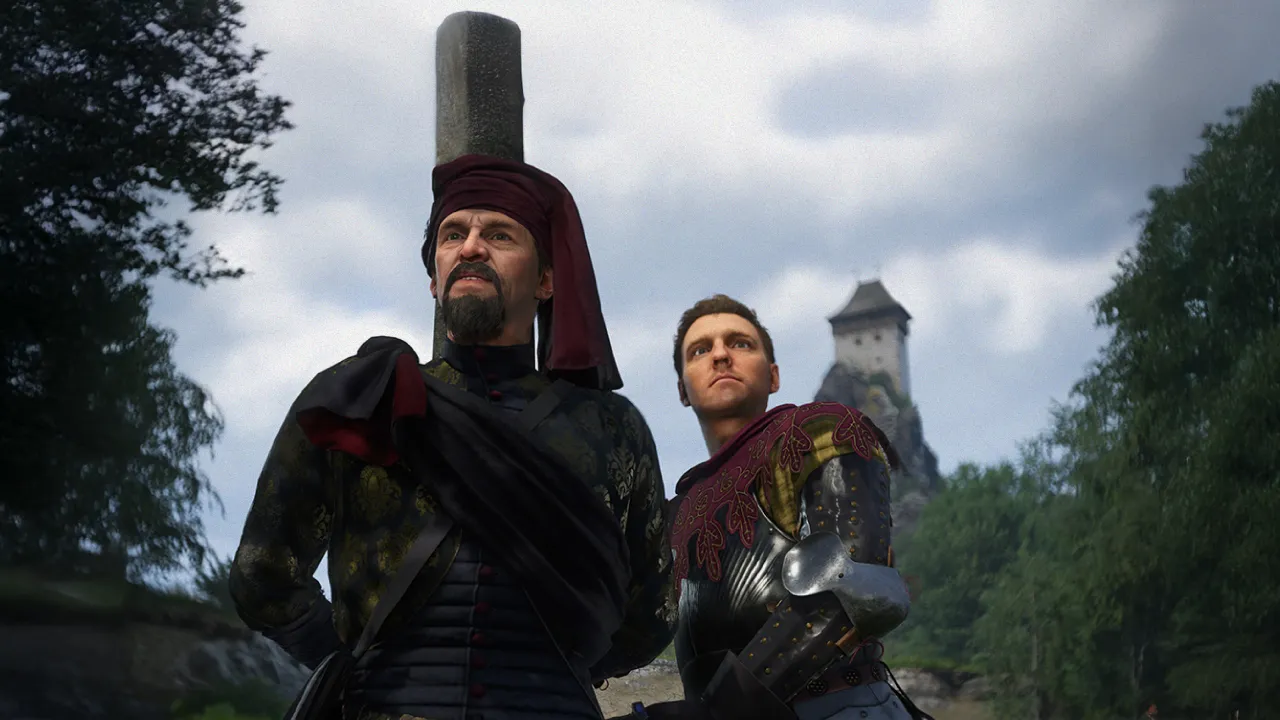
*Contains major spoilers*
Kingdom Come: Deliverance debuted its first installment in 2018 to very positive reception for the indie developer Warhorse Studios. Seeing potential for a sequel, the studio released Kingdom Come: Deliverance 2 seven years later. This time, the game’s impact exceeded expectations, receiving nominations at several gaming award events. Although it did not win Game of the Year at The Game Awards in 2025 and sparked some debate about what defines Role-Play Gaming, fans believe Kingdom Come: Deliverance 2, or KCD 2, holds its own merits—similar to how Red Dead Redemption 2 missed Game of the Year to God of War in 2018.
KCD is set in the medieval year 1403 within the Kingdom of Bohemia, covering areas now part of the Czech Republic, Poland, and Germany. Players assume the role of Henry, a young man in his early twenties from a blacksmith family living in the small silver mining town of Skalitz. Shortly after beginning the game, a large army invades and razes Skalitz to the ground. Henry’s parents are killed, but he manages to escape the destruction.
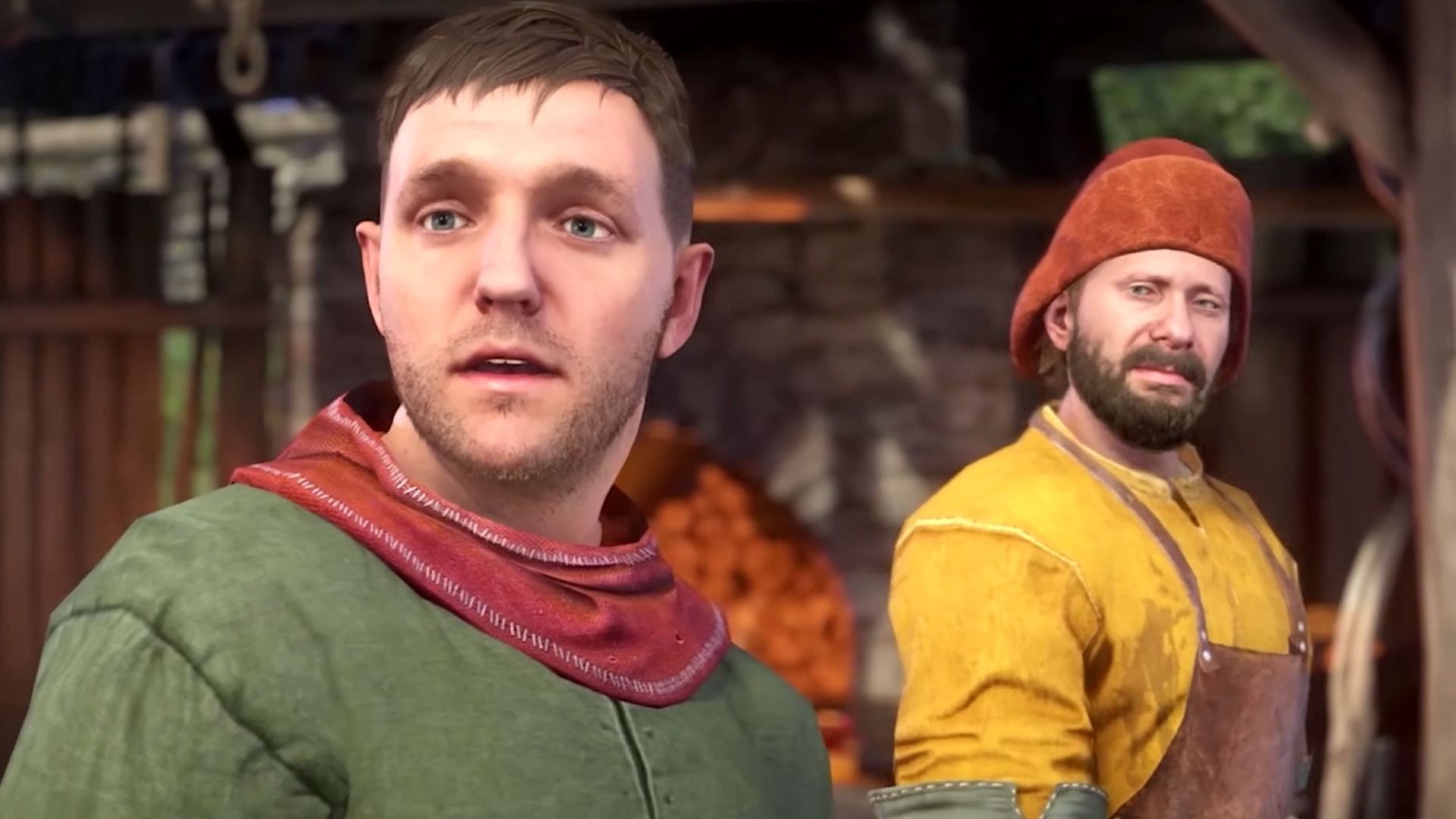
Warhorse Studios designed the game from a first-person perspective, with a story written like a cinematic film. Players witness Henry’s character development from a seemingly ordinary blacksmith’s son to discovering he is the illegitimate child of Radzig Kobyla, lord of Skalitz and military commander. Throughout the game, Henry’s true mission is to reclaim a sword he forged with his father, stolen during his attempt to bury his parents, and to track down Markvart von Aulitz, the military commander who ordered the attack on Skalitz and personally murdered Henry’s parents, as well as Istvan Toth, the mastermind who possesses Henry’s sword—all in pursuit of vengeance.
Daniel Vávra, who challenged the conventional gaming industry and created a tangible historical game.
In the video game industry, few titles are truly based on real history because developers believe historically heavy games often don’t sell well. Most developers split the difference by creating fantasy games set in medieval-like worlds. For example, The Elder Scrolls: Skyrim draws inspiration from Viking and Scandinavian legends, and The Witcher series is set in a medieval Eastern Europe filled with magic and powers that captivate players. However, Daniel Vávra, a co-founder of Warhorse Studios, decided to reject all that and crowdfund a genuinely historical game—no dragons, no magic, no ghosts, and no physics-defying weapons. Vávra explained that if historical films and novels can captivate global audiences, why can’t video games? He has long wondered why medieval games couldn’t move beyond magic.
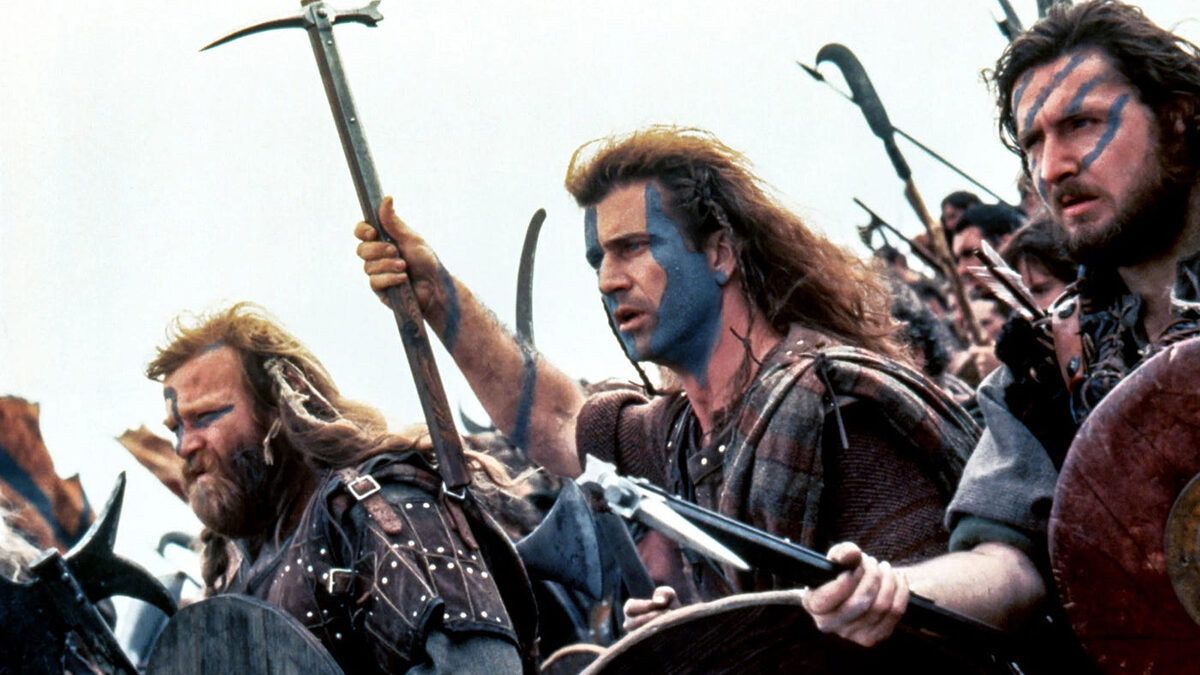
Being a native Czech, Vávra followed the so-called Braveheart Effect—the surge of interest generated by the historical film directed and starred in by Mel Gibson. Vávra noted that few people knew Scottish history before the movie, but afterward, global audiences understood how England oppressed Scotland historically. Similarly, Vávra chose to tell the history of the Czech people, the Holy Roman Empire, and the Kingdom of Bohemia instead of focusing on well-known periods like the Roman Empire or Ancient Greece. He believes that recounting real wars from human history is far more compelling than fantasy.
Following this, Vávra launched a Kickstarter campaign in 2014, which attracted more interest than expected. This revealed a market gap where players craved realistic historical video games. At that time, Warhorse Studios was founded, and their first project became Kingdom Come: Deliverance.
To ensure authenticity, the team traveled through the heart of the Czech Republic near the Sázava River, photographing real routes and locations for the game’s map. They consulted historians to refine the content and thoughtfully designed combat styles inspired by Historical European Martial Arts (HEMA). They hired Petr Nusek, a fencer and choreographer, to motion-capture sword techniques from the 15th century.
KCD 2 not only continues Henry’s story but also sets the stage for significant historical events.
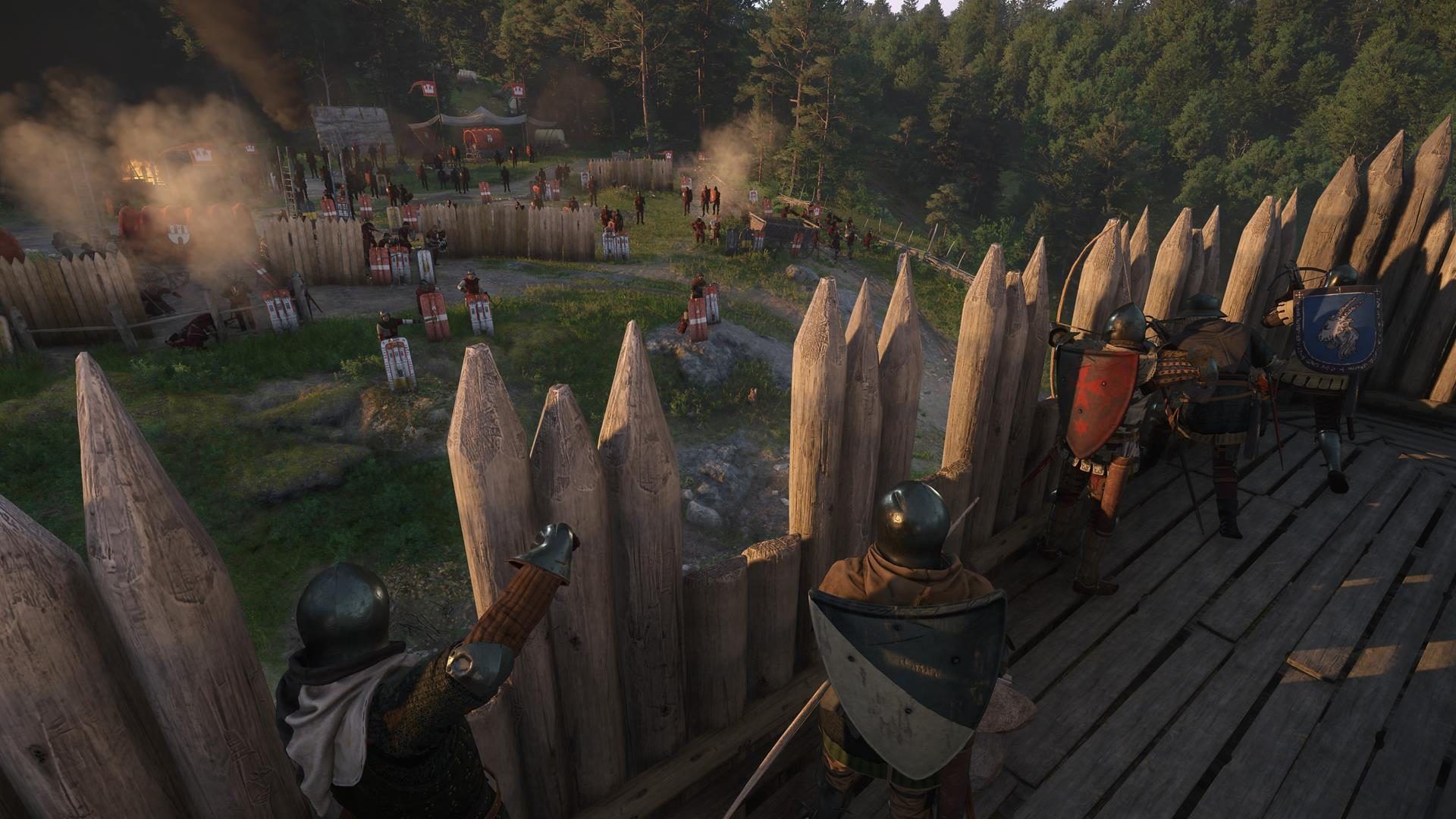
Kingdom Come: Deliverance 2 launched in early 2025. While the game mechanics remained largely unchanged, graphics improved significantly thanks to technological advances and increased funding. The game features a vast map and dialogue with 2.2 million words—surpassing Baldur’s Gate 3. The narrative continues Henry’s mission traveling to new regions to negotiate with key nobles, leading to unrest in the city of Kuttenberg. Historical Czech figure Jan Žižka appears, who later leads the Hussite Wars—a catalyst for the Protestant Reformation led by Martin Luther in 1517.
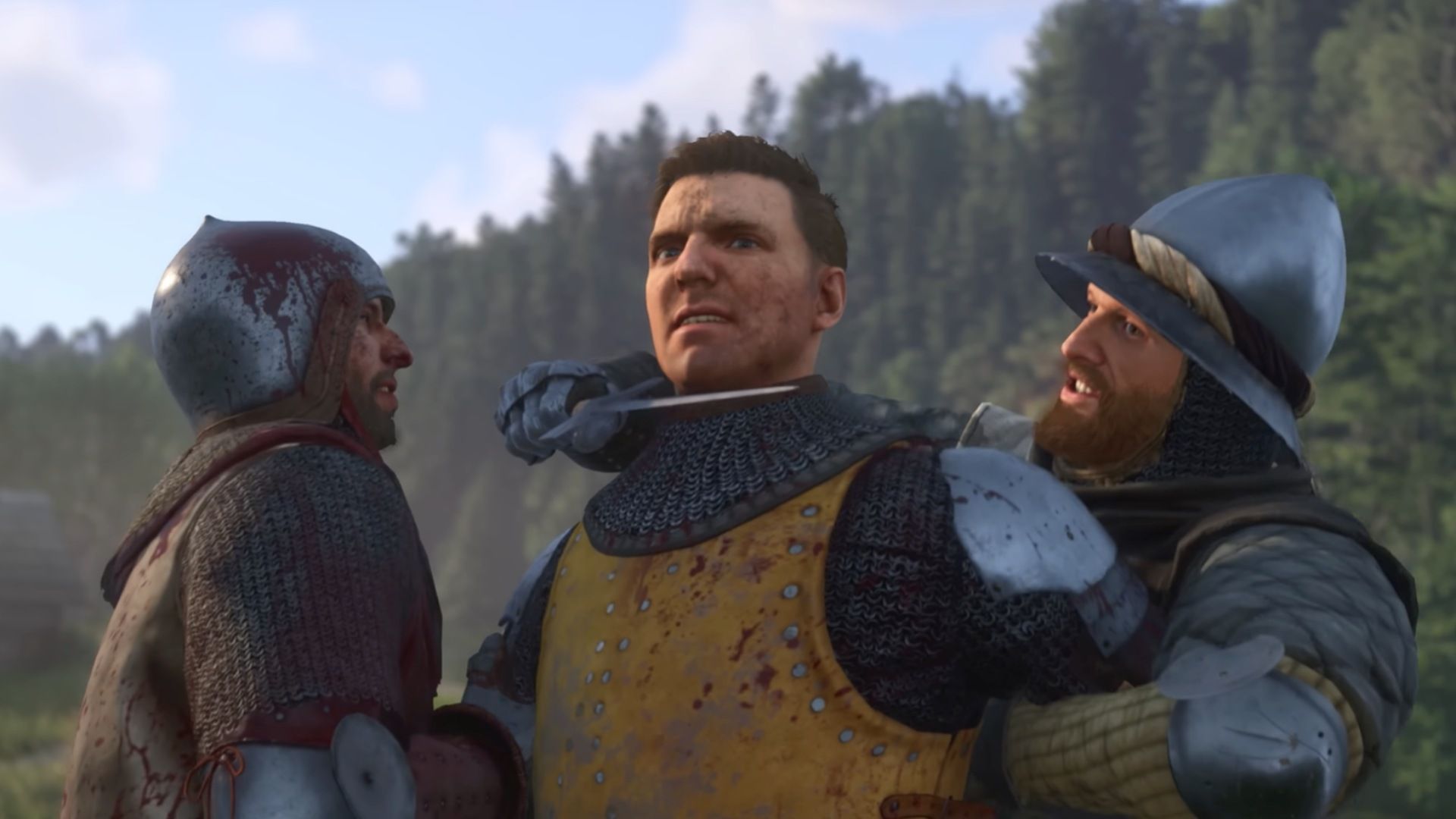
KCD conveys history subtly, weaving it into dialogues and Henry’s quests. The political turmoil backdrop involves the kidnapping of King Wenceslas IV by his brother, King Sigismund of Luxembourg, who saw Wenceslas as an ineffective ruler of Bohemia. This event sharply divided the kingdom’s factions.
Daniel Vávra explained he did not want KCD to feel like an educational game, which the market finds dull and unengaging. Instead, he designed it as a shared time-travel experience to the Middle Ages, where players learn authentic conversations, problems, and values through roles such as peasants, nobles, and gravediggers. For example, one quest reveals that medieval gravediggers were socially ostracized, living outside villages and only allowed to marry within their profession, as handling corpses was considered ominous. For players seeking more context, the developers included codex entries detailing medieval life, papal authority, social hierarchy, and biographies of historical figures featured in the game. Henry, the protagonist, was crafted not only to serve the plot but to represent a player unfamiliar with the era, learning progressively as the story unfolds.
War is a nasty business.
The phrase "War is a nasty business" is frequently uttered by peasants, nobles, and lords alike. War is the central theme of KCD 2, reflecting Vávra’s intent to present warfare with realism through harrowing scenes, tense dialogues, and stressful situations that let players personally experience it—contrasting with other games’ depictions that fail to evoke genuine emotional engagement.
It’s clear that Henry becomes a victim of war after his parents are killed by King Sigismund’s army. Whereas in the original game he fought common bandits along the road or camps, in KCD 2 Henry becomes deeply entangled in the complex politics of the upper class, facing dilemmas with difficult choices. Ultimately, countless deaths result from Henry’s actions.
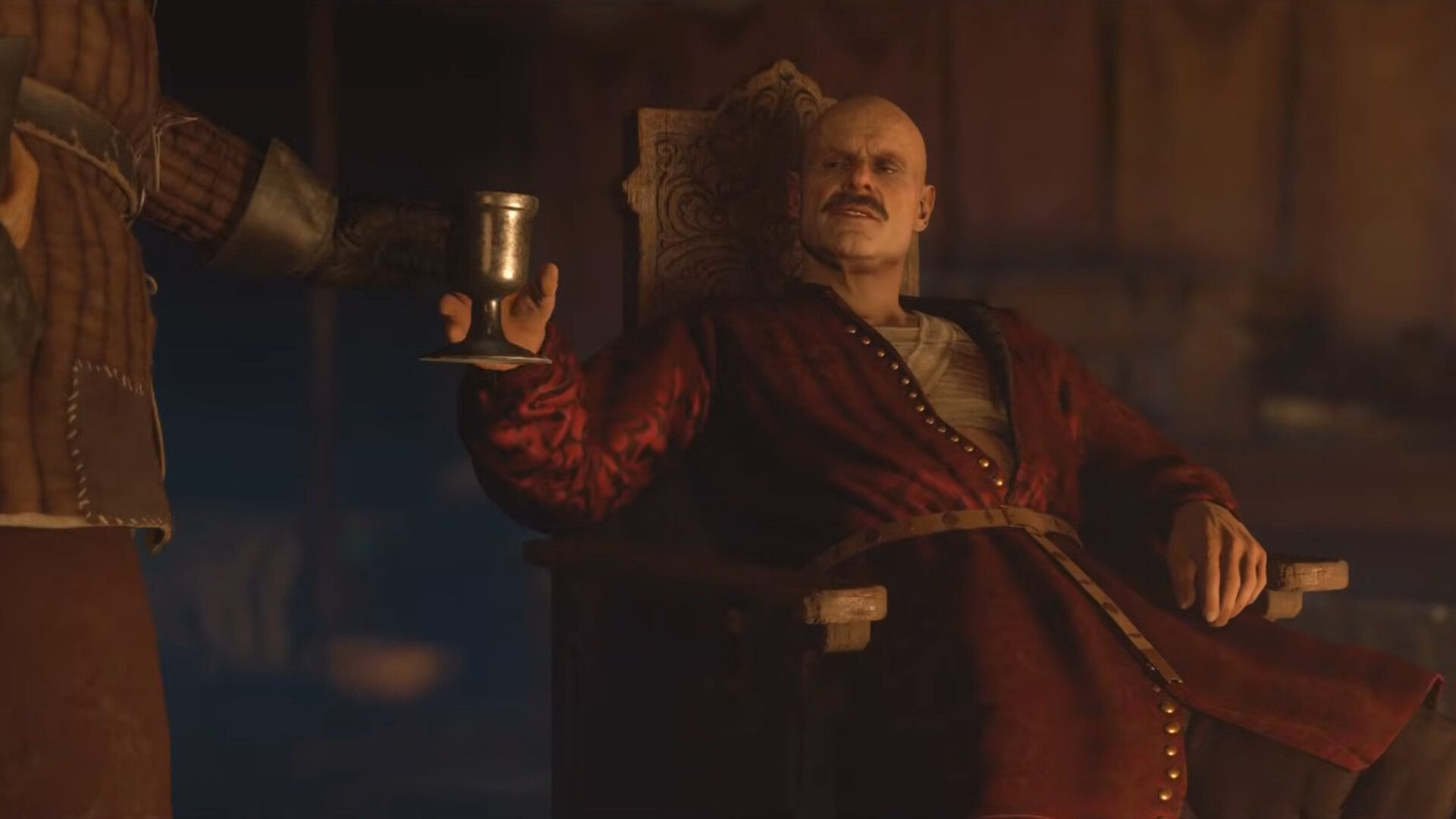
In a late-game scene, Henry finally confronts a near-death Markvart von Aulitz, leading to a conversation that prompts players to reflect on revenge, political ideals, and morality. Markvart admits that war is "a nasty business" and that he fought hoping to improve the kingdom. Henry retorts that his own side is not like Markvart’s, who slaughtered innocents. Yet the line that leaves Henry speechless is, "How can we be sure we haven’t killed someone’s father or mother?"
Warhorse Studios delivers not just entertainment but a perspective applicable to all wars across eras—civil or world wars—that always serve some ideology. Ultimately, it’s up to us whether we become victims of war. Sometimes being a victim doesn’t mean direct violence but manifests as extreme reactions or dissent toward others’ views.
Daniel Vávra designed the game so players can choose Henry’s path—whether to become forgiving or consumed by revenge and hatred. If players choose the latter, Henry becomes no different than those he despises, fully embodying war’s victimhood.
Kingdom Come: Deliverance 2 sold 5 million copies and earned approximately 42 million USD in 2025. It has become a national game for Czechs, increasing interest in Czech history and wars. Those interested can purchase it on Steam, Epic Games Store, and other major platforms.