

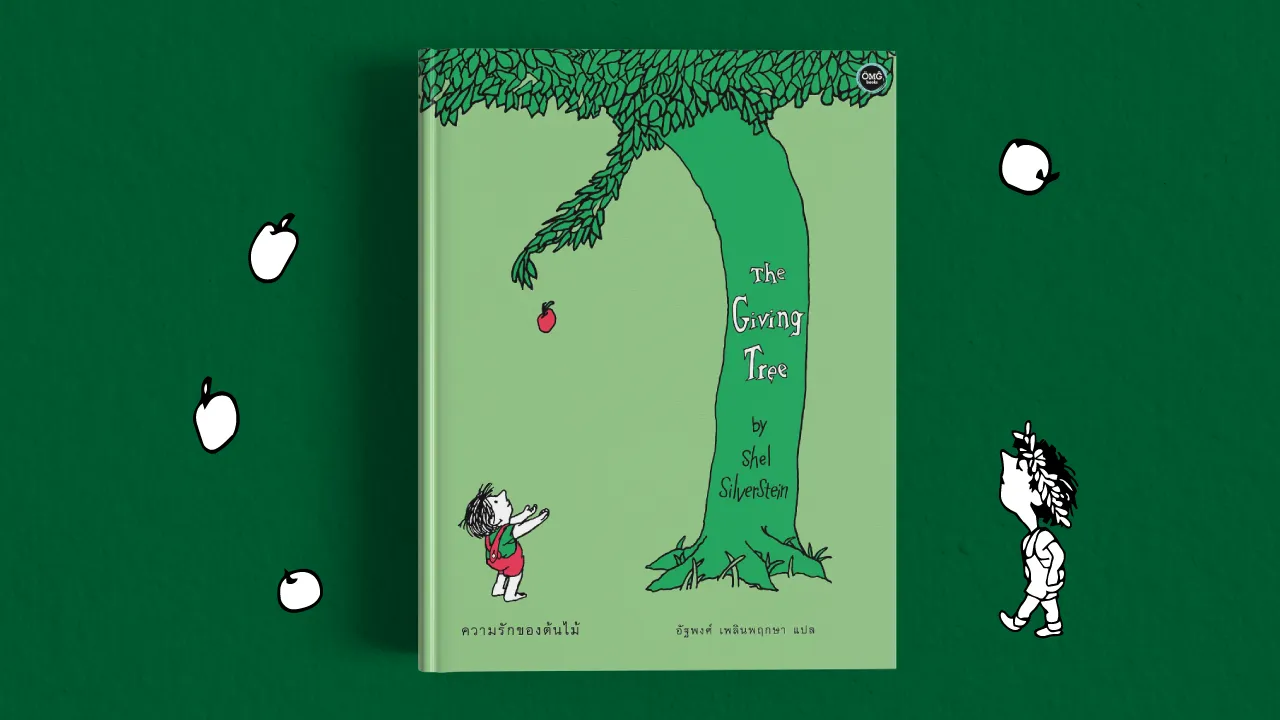
On a bookstore shelf lies a slim, green hardcover book titled The Giving Tree. The front cover features a simple line drawing of a tree bending its branch down with an apple, while a boy stands beside it waiting to catch the apple. On the back cover is a black-and-white photo of a balding man with a full beard, grinning with a somewhat indifferent look in his eyes. This man is Shel Silverstein, the author of this book, which is classified as a children's book and is said to be one of the most debated books of its kind.
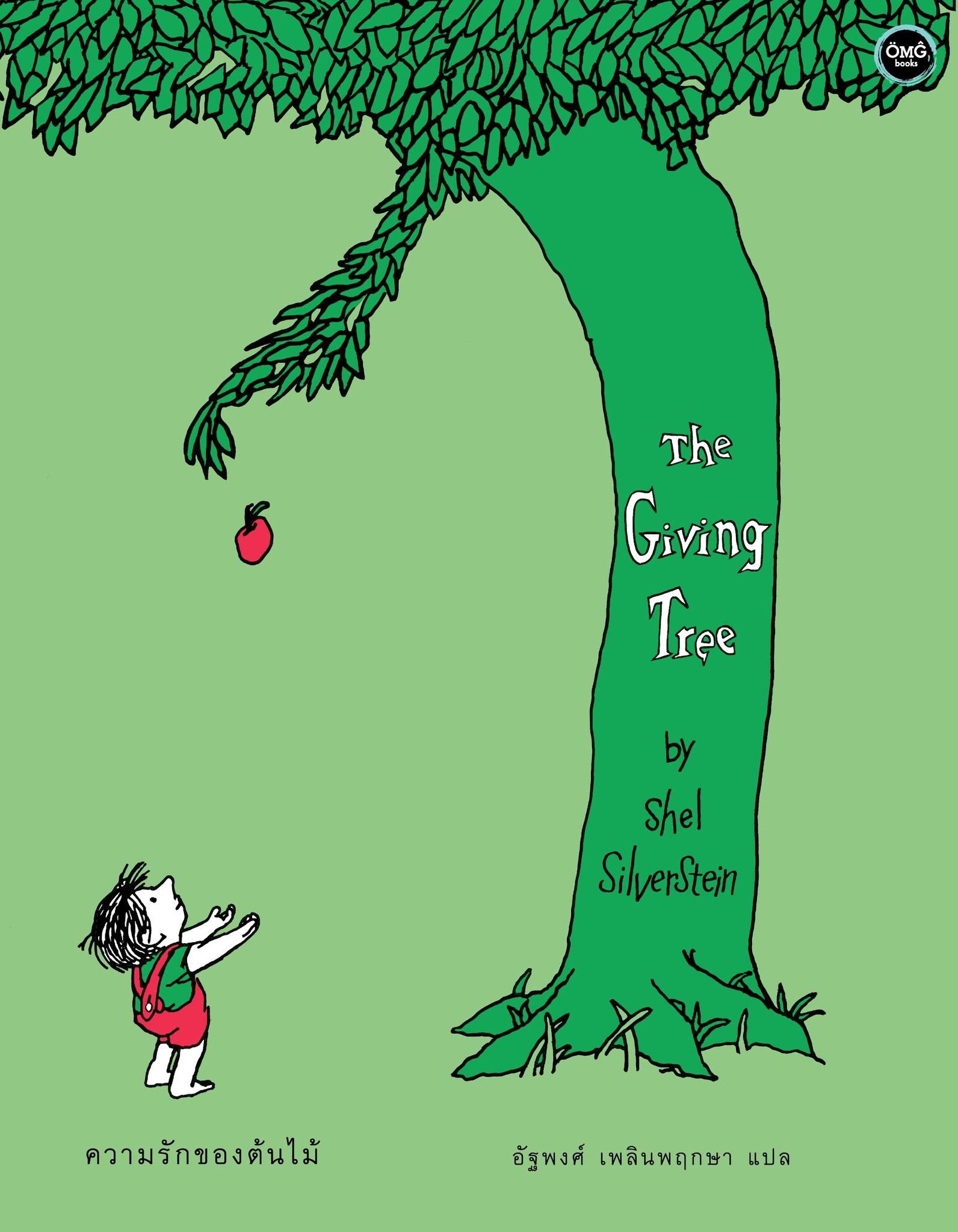 The Giving Tree spans 50 to 64 pages, telling the story of the relationship between a tree and a boy growing up together. The narrative is simple and straightforward, chronicling different stages of the boy's life from childhood to old age, during which he repeatedly comes to the tree asking for something. Out of love for the boy, the tree gives him everything he desires until it has nothing left.
The book was first published in 1964 after Shel Silverstein faced rejection from publishers for four years. Simon & Schuster declined it, stating the book was “too sad for children and too simple for adults.” It was only when Ursula Nordstrom, editor at Harper & Row (now HarperCollins), recognized its potential that it was accepted.
The initial print run of The Giving Tree was between 5,000 and 7,000 copies, targeting children aged two and older. At that time, no one anticipated that Silverstein would become a significant figure in the children's book industry. Since then, this seemingly simple children's book has sold over 14.5 million copies as of 2024.
Shel Silverstein and His Avant-Garde Lifestyle
Before The Giving Tree, Silverstein had created about two other children's cartoon books. In a 1975 interview with Publisher’s Weekly, when asked about his favorite works, he said, “I like Uncle Shelby's ABZ, A Giraffe and a Half, and Lafcadio, The Lion Who Shot Back. I think I like that one the most.”
Noticeably, The Giving Tree was not among those favorites, despite being the book that made him famous. He simply commented, “What I made is good; otherwise, I wouldn’t have released it if I thought it wasn’t.” While Silverstein was certainly proud of his work, he seemed somewhat detached regarding children’s books.
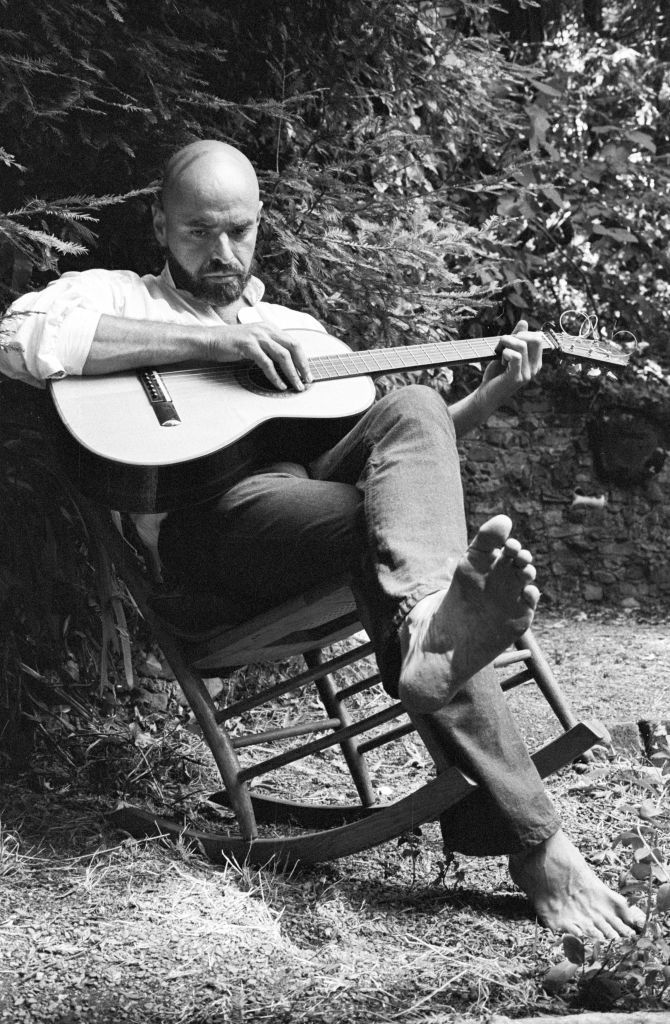
In fact, he never intended to create cartoons for children. After graduating from the Chicago Academy of Fine Arts, he gradually submitted illustrations to various magazines and became a professional cartoonist for adult readers with Playboy magazine. Fundamentally, he was not interested in children’s literature like other cartoonists. He preferred wearing torn jeans and a shirt, walking barefoot, and immersing himself in poetry and music. He was also known for songwriting, having written Johnny Cash’s song ‘A Boy Named Sue’ and composing around 800 songs himself. His life resembled that of a bohemian artist—living on a houseboat named ‘Evil Eye,’ surrounded by scattered belongings, doodling cartoons, playing music, and reading poetry. This lifestyle is often described as Bohemian Style.
Silverstein’s turn to children’s books was influenced mainly by his friend Tomi Ungerer, who was already an established children’s cartoonist. Ungerer introduced him to Ursula Nordstrom. Although Silverstein initially rejected the idea due to his satirical and ironic storytelling style, which seemed unsuitable for children’s books, Ungerer sensed Silverstein’s untapped potential. Nordstrom told him he didn’t need to communicate directly with children and could express anything he wanted in his own style. This led to a children’s book that transcended typical children’s literature.
The Giving Tree: The Most Controversial Children’s Book
On Goodreads, The Giving Tree has nearly a 4-star average out of 5, a rare score on the platform. However, reviews range widely from 1 to 5 stars, with some receiving many likes and becoming popular opinions.
“I honestly don’t know how to feel about this book. Even if you haven’t read it, you might know the story well: a tree loves a boy and gives all parts of itself so he can be happy. On one hand, it might be about agape love—unconditional love without expecting anything in return. On the other hand, it could be about a frightening and cursed dependence. After reading it, I honestly don’t know which it is.” This was Patrick’s 5-star review, with 1,180 people agreeing.
Another review stated:
“This book has haunted me because it glorifies self-destructive and self-pitying sacrifice. It’s a noble kind of love, and I think it’s very common in our society. The book seems to say that if you truly love someone, you must hurt yourself, cripple yourself, erase all your boundaries, and destroy yourself for them. It’s an extremely unhealthy type of relationship for a children’s book.” Nathan gave it 1 star, with 1,173 people agreeing.
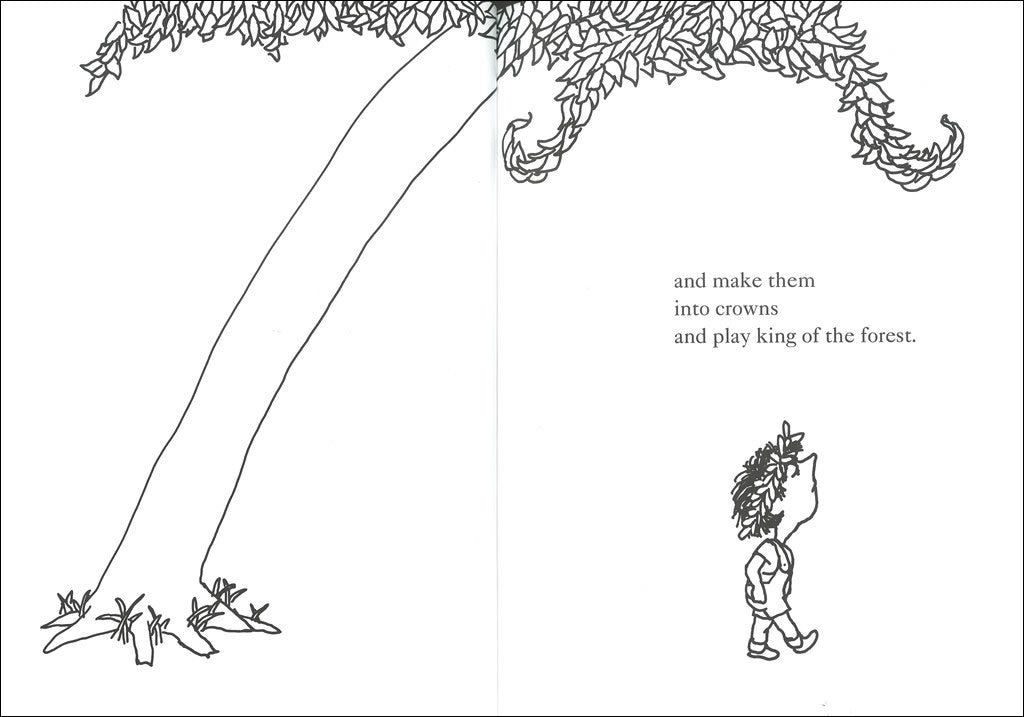
Silverstein once said he wrote the book for an ex-girlfriend, inscribing ‘For Nicky’ inside. This detail was never elaborated on, but critics and readers have speculated that The Giving Tree might reflect his relationship with this ex. We can’t know who played which role or whether both were ultimately happy until their breakup. This open-ended question adds intrigue, and The Giving Tree is seen as a children’s book filled with adult worldliness, presented in a deceptively simple narrative. To this day, no one knows the exact inspiration behind it or its intended symbolism. Silverstein himself simply said, “It’s about a boy and a tree,” offering no further explanation.
The Giving Tree and Its Endless Interpretations
There are many interpretations about the book beyond the boy-tree relationship. From an environmental perspective, some see it as representing humans’ relationship with nature—humans depend on nature’s resources but take too much without giving anything back, causing nature to diminish.
Feminist readings are also common. The tree is clearly female, as Silverstein uses the pronoun ‘she’ for the tree. This can be seen in various ways: it may represent women as givers or illustrate patriarchal dynamics where the boy exploits the female figure without reciprocation.
From a religious viewpoint, The Giving Tree emphasizes Christian teachings about unconditional, agape love, similar to how Jesus sacrificed for humanity. The tree symbolizes the selfless giver who expects nothing in return.
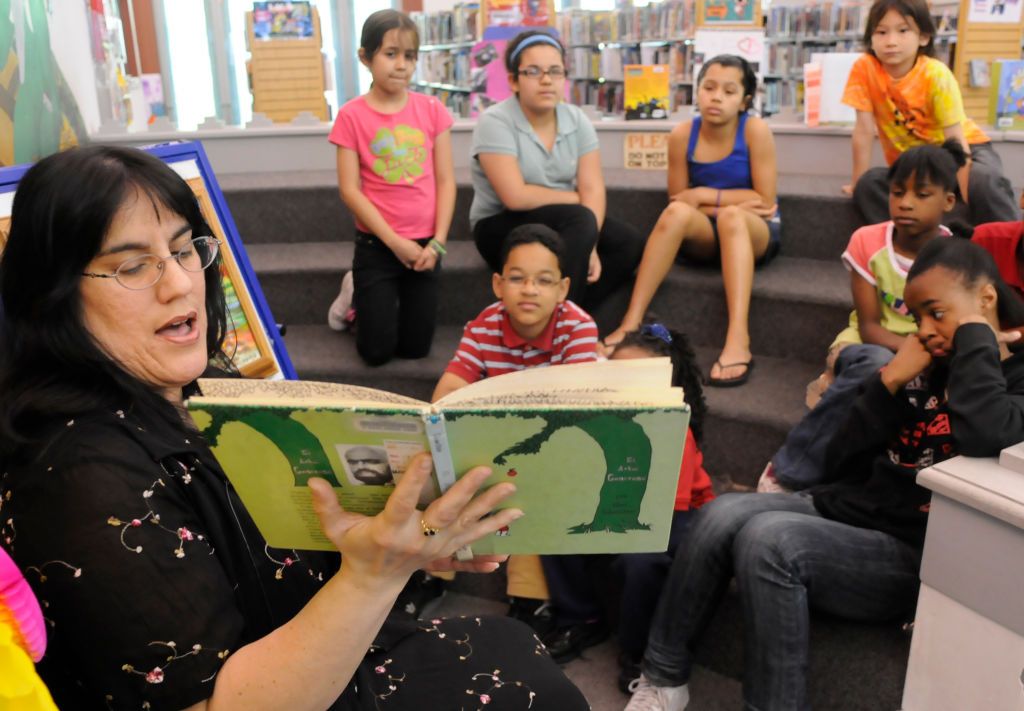 Now a bestseller children’s book, The Giving Tree has become a subject of study from middle school to university. Despite its simple story, it contains deep symbolism, partly because of Silverstein’s mysterious nature and unconventional aims. The book might not be so enigmatic if Silverstein’s lifestyle or goals were more straightforward. Compared with authors like Roald Dahl or E. B. White, who had clear ideologies about children’s literature, Silverstein’s true intentions remain unknown.
The Giving Tree has been translated into Thai as ‘ความรักของต้นไม้’ (‘The Love of the Tree’), translated by Atthapong Ploenpruksa and published by Ophrachao Publishing. It is available at major bookstores. Anyone who reads it is invited to share their thoughts.
References: