

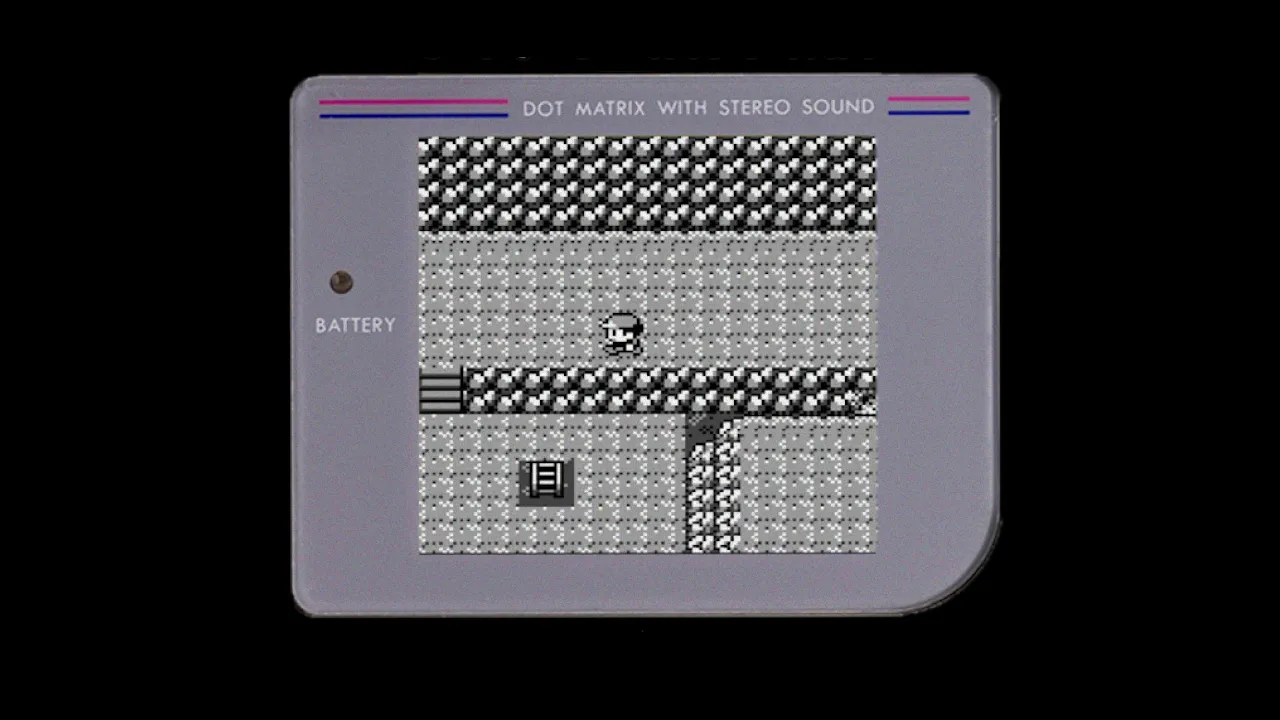
Thirty years ago, in 1996, Satoshi Tajiri and the Game Freak team spent six years developing a Nintendo video game reflecting Tajiri’s childhood passion for collecting bugs in his hometown suburb in Japan. This game sparked a massive phenomenon, spawning numerous sequels, highly valuable collectible cards, and countless manga and anime adaptations. The game was called Pokémon Red and Pokémon Green.
Originally, Game Freak was not a game development company but a small publisher of video game magazines with limited funding. It wasn’t until Tajiri and his partner Ken Sugimori began working on a game project called Capsule Monsters that things changed. At that time, the Game Boy was declining (released in 1989, but the project took several years to complete). Tajiri faced many challenges because the game’s envisioned graphics clashed with the complex coding abilities required. Development dragged on, causing financial strain that forced Tajiri to move in with family and led to five staff resignations during the process.
When Tajiri prepared to present Capsule Monsters to Nintendo, executives initially struggled to understand his vision. However, he then met Shigeru Miyamoto, creator of the Zelda and Mario universes, who recognized the project's potential. Miyamoto suggested splitting the game into two versions—Red and Green—encouraging players to trade Pokémon to complete their Pokédex collections.
Pokémon Red and Green first launched in Japan on 27 February for the Game Boy. Many expected immediate blockbuster sales, but the Game Boy was losing popularity to newer consoles like the PlayStation and Nintendo 64. The turning point came with Mew, a secret Pokémon that created buzz among children and gamers alike.
Mew was a playful creation by Miyamoto after discovering about 300 bytes of free space in the game’s data. He secretly added Mew as the 151st Pokémon without telling Nintendo’s management, turning it into an Easter egg. Early game bugs allowed players to encounter the pink cat Pokémon by chance, sparking word-of-mouth excitement. Kids boasted about finding this secret creature, driving more players to the game and fueling competition due to the split versions.
Marketing soared when Pokémon launched in the U.S. two years later as Red and Blue. The game’s content resonated with American players, prompting Nintendo to aggressively promote it. Ultimately, Pokémon Red, Green, and Blue sold between 30 and 40 million copies worldwide, becoming one of the most talked-about games, on par with iconic franchises like Zelda and Mario.
To celebrate the legendary game’s 30th anniversary beloved by collectors worldwide, Nintendo re-released Pokémon Red and Green on the Nintendo Switch as FireRed and LeafGreen, priced at $29.99 each (around 930 baht).
Anniversary celebrations have included widespread campaigns like Pokémon x McDonald’s featuring Pikachu-themed Happy Meal boxes, collaborations with Uniqlo and Adidas, and a limited-edition merchandise pop-up at London’s Natural History Museum through 19 April. Excitingly, the permanent Pokémon theme park, PokéPark Kanto in Tokyo, opened on 5 February specifically for the 30th anniversary.
Today, Pokémon is far more than a video game. From a nearly overlooked Game Boy title, it has become a global pop culture icon with adorable Pokémon characters inspiring countless creations. The franchise includes a compelling anime series, the worldwide mobile sensation Pokémon GO, live-action films, theme parks, and a serious trading card game market. The most valuable card, Pikachu Illustrator, is worth $16.4 million (about 500 million baht). Who would have thought a man’s childhood love of bug collecting would spawn such a monumental cultural phenomenon?
.