

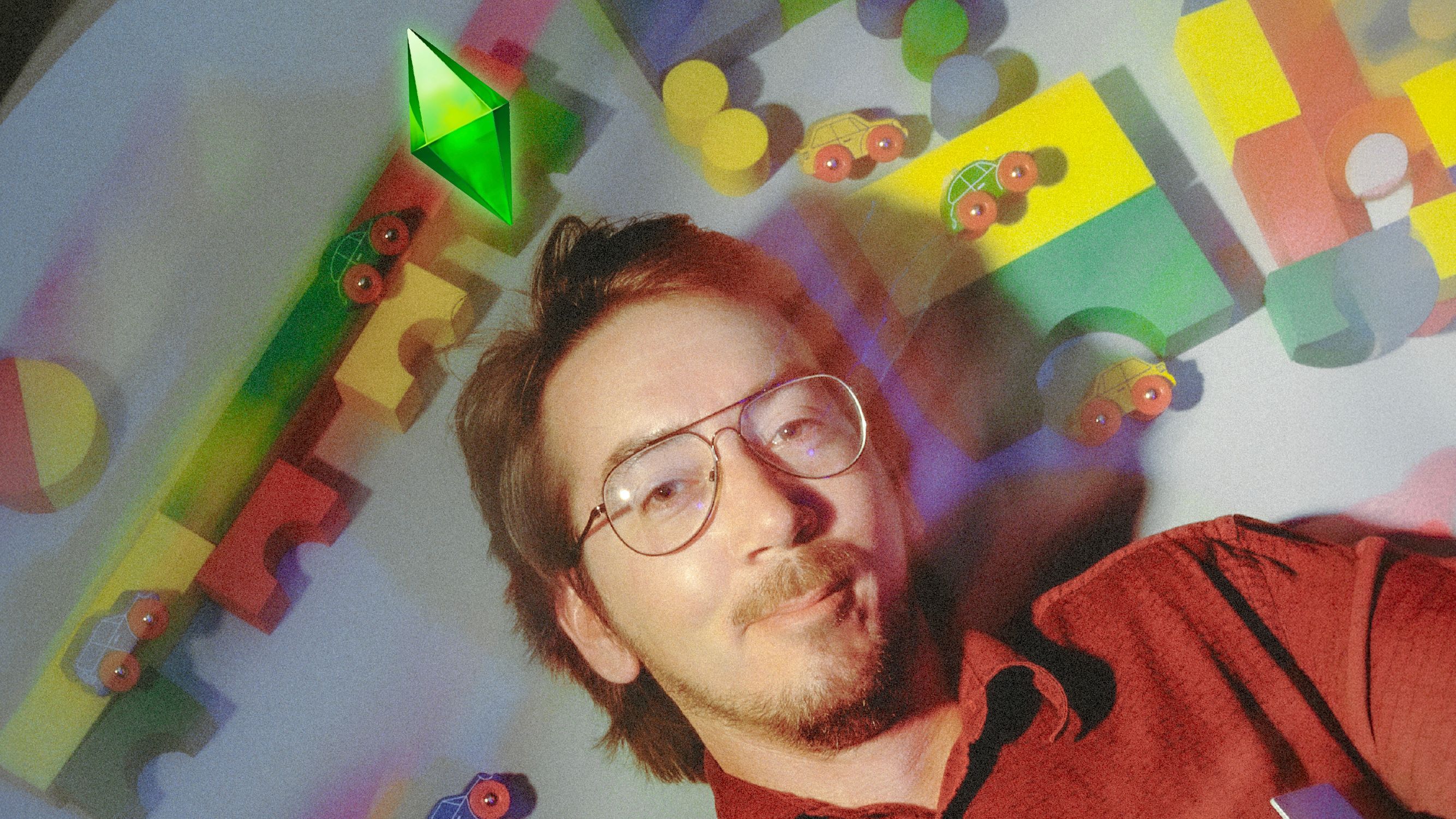
Some players focus on building houses, others on living through a character’s entire life from beginning to end. Some play just for fun, endlessly using cheats like motherlode, while others take on the god-like role of controlling life and death. Regardless of play style, everyone has a different purpose in playing The Sims.
Back in 1989, Will Wright, a game developer passionate about architectural texts, created the legendary game SimCity. Originally, the term “Sim” didn’t have a story or universe; it came from “simulator” or simulation. SimCity debuted that year with a simple black-and-white screen where players acted as a mayor building and planning a city to meet residents’ needs. After SimCity’s success, in 1991, a firestorm in Oakland destroyed Wright’s home, leaving nothing behind. While starting over with a new home, Wright spent time contemplating homebuilding, furniture, and essential household items. This experience made him realize fundamental human needs and the challenge of starting from zero, which later became the core concept of The Sims.
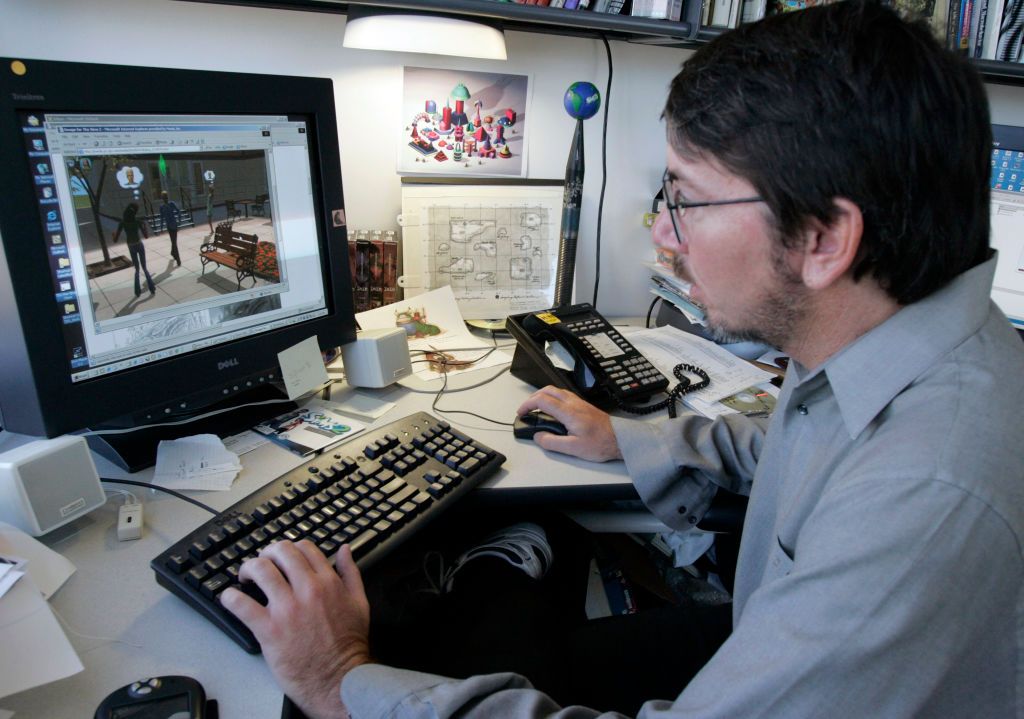
A game designer passionate about architecture and NPC systems.
Will Wright studied architecture for two years and drew inspiration for The Sims from the book A Pattern Language by Christopher Alexander, one of the most important architectural texts. Alexander argued that modern architecture is designed for aesthetics without regard to residents. He stated that a space’s vitality comes not from beauty but from its ability to foster happiness for its inhabitants. Therefore, residents should be involved in designing their homes, not just professional architects, as they best understand their needs.
Once houses and residents were created, Wright initially intended the game to run on an AI system. Since he was interested in AI from working on SimAnt, a video game about ant colonies, he designed NPC characters to rate houses after construction based on criteria from A Pattern Language. For example, if it took too long to walk from the kitchen to the dining room, the score would decrease. However, after testing with the development team, Wright noticed that no one cared much about house scores. What interested them more was observing what the characters were doing.
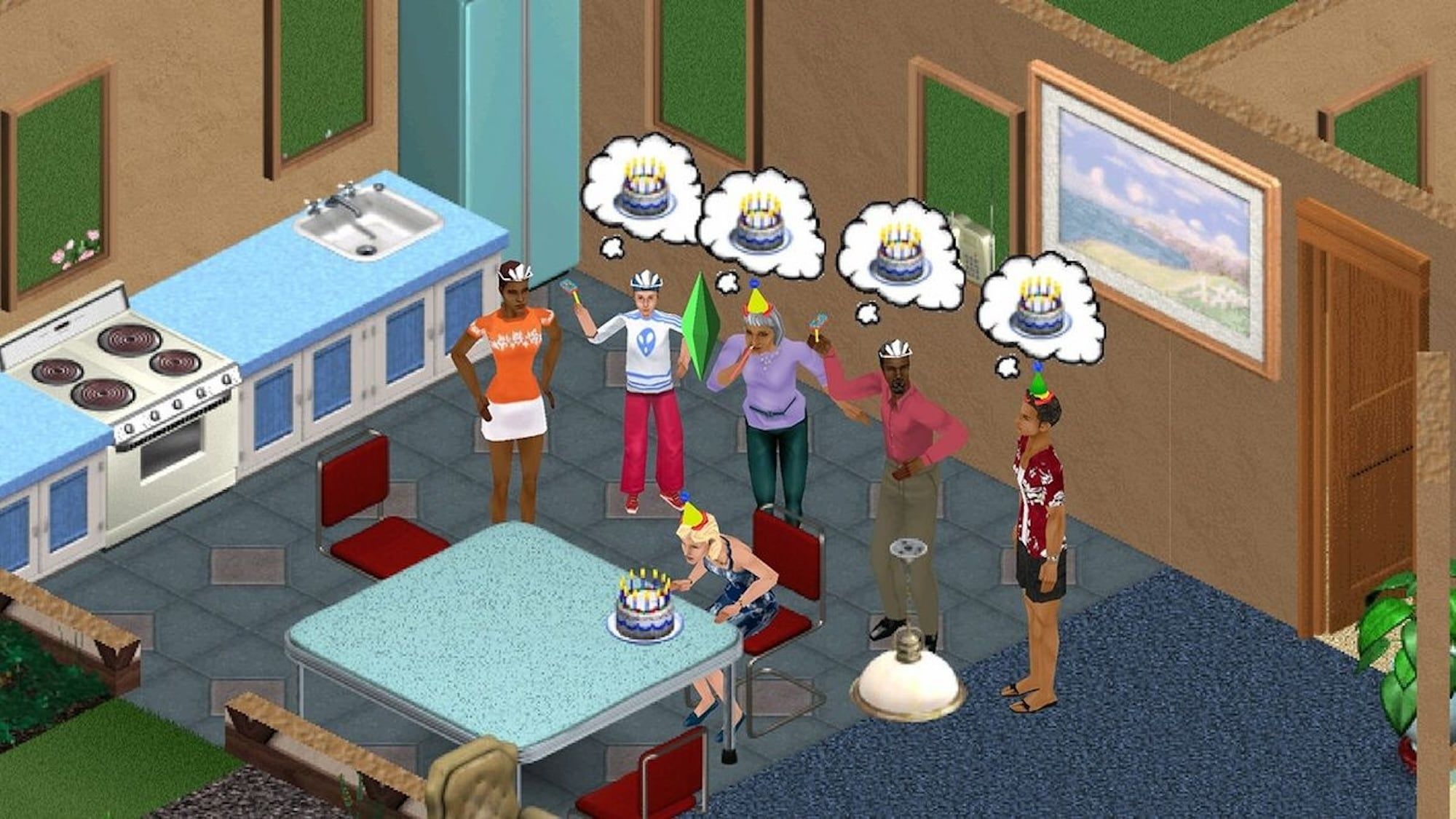
Wright shifted from a house-rating game to one with more human elements. Thinking about human needs, he recalled Maslow’s hierarchy of needs and incorporated it into the game through meters for hunger, bladder, social, hygiene, and so on. He also kept principles from A Pattern Language as environmental meters that could affect characters’ moods, or Sims’ emotions.
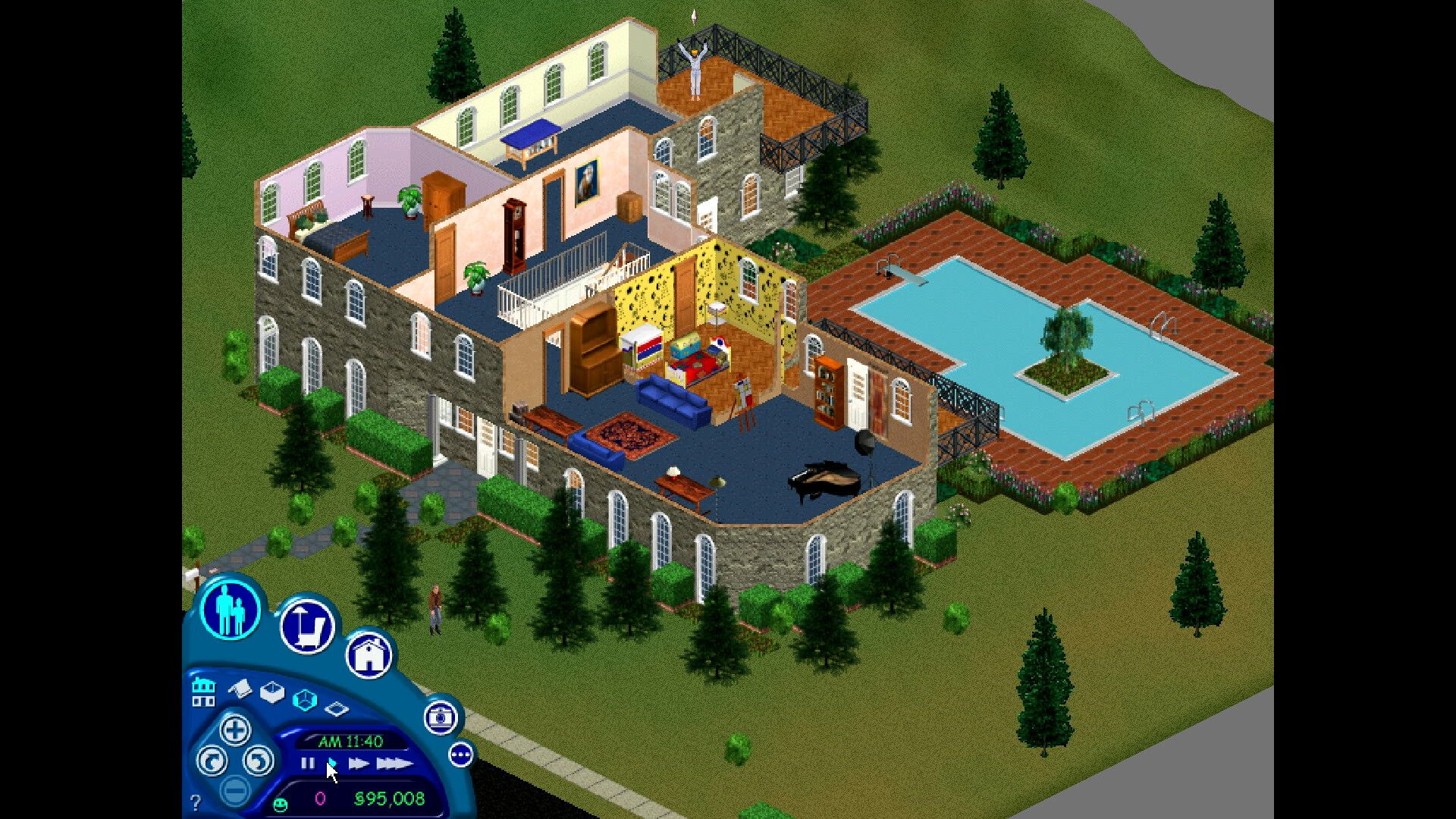
During development, the U.S. was caught in consumerism. Wright satirized this by giving furniture different price levels, mocking the idea that “buying expensive things equals a good life.” The more possessions one had, the more maintenance costs arose. Human life became like a hamster wheel—working hard day and night to earn money to buy things that temporarily comforted the soul.
Another interesting design aspect was the game’s language, now known as Simlish. It wasn’t created as nonsense speech but because Wright believed if Sims spoke English with repeated phrases, players would find it annoying and monotonous. Instead, Sims speak gibberish that players interpret emotionally through tone. Still, some words became catchphrases, like “Sul Sul” as a greeting and “Dag Dag” as a farewell.
At that time, Maxis didn’t understand what Wright was doing, as it felt like playing digital dolls. The company didn’t fully fund development. Nonetheless, The Sims quietly progressed until Electronic Arts (EA) acquired Maxis, giving Wright the chance to pitch the project again—not as a house-rating game but as a social simulation game. The board agreed, leading to the game being named The Sims.
The Sims Reading List: A little-known secret guidebook.
Few players notice the list of books hidden in the game’s manual, an interesting easter egg revealing Will Wright’s nerdy side and showing that beyond fun, The Sims serves as an educational game. The content of these books can be applied both in-game and in real life.
Wright included 11 books covering topics from house design and urban planning to sociology. For example, Home: A Short History of an Idea discusses values people associate with “home,” such as privacy, comfort, and intimacy. Another notable book is Hidden Order: The Economics of Everyday Life by economist David D. Friedman, who argues that economics is not just about money but about value and how we exchange items through barter without involving money, helping us understand our decisions better.
 Other books include Finding Your Perfect Love about relationships, Housing Your Lifestyle on interior design, and The User Illusion: Cutting Consciousness Down to Size, which explores the subconscious deeply. There’s also a quirky book, Making the Most of Your Llama: An Owner’s Manual, which isn’t a metaphor but a real llama care guide. Wright included it as a company joke since Maxis’s mascot is a llama. Nearly every game Wright and his team developed contains llama-related themes.
Anyone who has played The Sims knows it’s not just entertainment but a reflection and awareness builder about human life. Wright shows how much time we spend working, our basic needs, expenses, and human desires we fulfill daily. By the time we reach our dreams and life’s peak (if not cheating), we are already old. After death, if we have no family, our homes remain abandoned and silent. Even the relationships between Sims teach us that friendships require care and regular connection.
From a city-building game to a life-design game, The Sims now has four installments. Each has added fun gimmicks that go beyond life simulation, including magic and supernatural elements. The universe evokes thoughts of grim reapers, aliens, and language, becoming a pop culture phenomenon widely discussed in the video game industry. For those wanting to revisit, Electronic Arts has ported older versions to major gaming platforms.
References: