


If you visit Siam Paragon or other leading department stores these days, Dior’s shop displays a new collection of bags on the shelves. The designs feature simple prints of classic literary titles such as Madame Bovary, Dracula, and Ulysses, with prices reaching hundreds of thousands of baht.

This is an unexpected phenomenon where fashion and books have become inseparable. It also reveals that the current reading trend is quite extraordinary. We see fashion and society shifting toward an intellectual culture—not academic discussions like those of past writers and philosophers, but clearly many Western celebrities, singers, and public figures are leading a movement that celebrates the power of intellect.
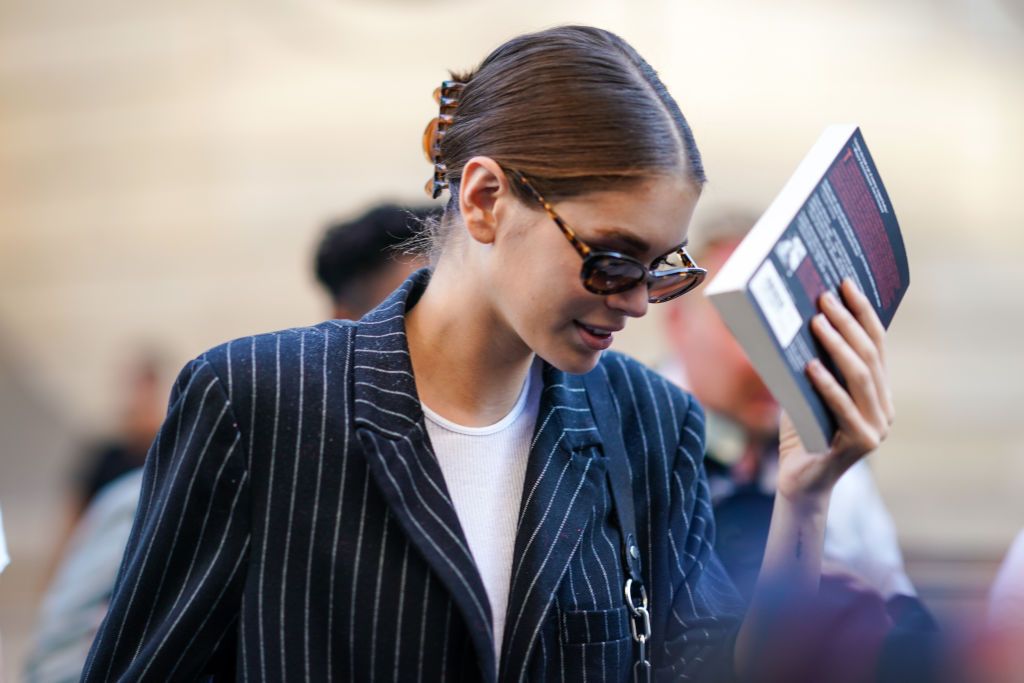
Dua Lipa, besides being an avid reader, launched the website Service95 to deliver daily news about culture, food, lifestyle, and books. There is also Substack, a blogging platform that users are turning to instead of Facebook and X, as it offers a quieter space suited for those who appreciate slowing down. Even Charli XCX writes essays there, and Patti Smith, the punk music and poetry icon, shares her poems on this platform. We once valued beauty as superficial, but today Kaia Gerber, a supermodel who enjoys reading Joan Didion and Albert Camus, shows that intelligence has become a trend accessory like sunglasses or designer bags.

Lucie Greene, a trend forecaster and writer, discussed this topic, noting that youth trends, especially among Gen Z, have changed. They desire more—they crave knowledge and want to deeply understand stories. Conversations now often include not just “How’s life?” or “Is work okay?” but also “What book are you reading?”
Gerber said when she launched her own book club, Literary Science, in 2014, “Reading is sexy.” The first book they read was Martyr! by Kaveh Akbar, a novel about an American-Iranian poet searching for life’s meaning, believing martyrdom is the ultimate goal. This shows that the books chosen for the club aren’t mere leisure novels but thought-provoking works requiring interpretation and appreciation of beautiful language.
The book trend isn’t just a topic or activity for conversation. Nowadays, at red carpet events or in paparazzi photos, many celebrities carry or hold books, making intellectualism a new fashion element that accompanies their attire.
Fashionable reading doesn’t necessarily mean more people are reading books.
Greene further explained, “It’s complicated because Gen Z is quite conflicted. They worry about spending too much time online but still spend a lot of time there. They care about the environment yet remain among Shein’s top customers.”
Long-term studies show that reading among native English speakers is actually declining. In the UK, The Reading Agency reports that adult leisure reading has decreased steadily over decades. Similarly, in the US, the National Endowment for the Arts reveals a clear drop in literary reading since the early 2000s. In Australia, especially among men, reading rates have also fallen sharply.
Previously, there was a trend called Performative Men, also followed in Thailand, which promoted the idea that turning away from phones is cool and reading books signals intelligence and depth to the opposite sex. On social media, memes joke that Performative Men must drink matcha, read books, and carry tote bags, seeing these as charms to attract others. This trend caused some men to avoid reading publicly for fear of being labeled Performative Men, prompting voices that emphasize reading’s importance regardless of motivation.
Jess Cartner-Morley, author of “We are living in a period of political anti-intellectualism. But in pop culture, clever is the new cool” from The Guardian, suggests that the book industry may be turning books into fashion. This is evident from increased sales of classic literature among those under 35, according to James Daunt, Managing Director of Waterstones, a major UK bookstore chain. He adds that younger people likely see these book covers on social media without knowing their content. Whereas in the past, people said “Don’t judge a book by its cover,” today it seems “The cover matters more than the content.”
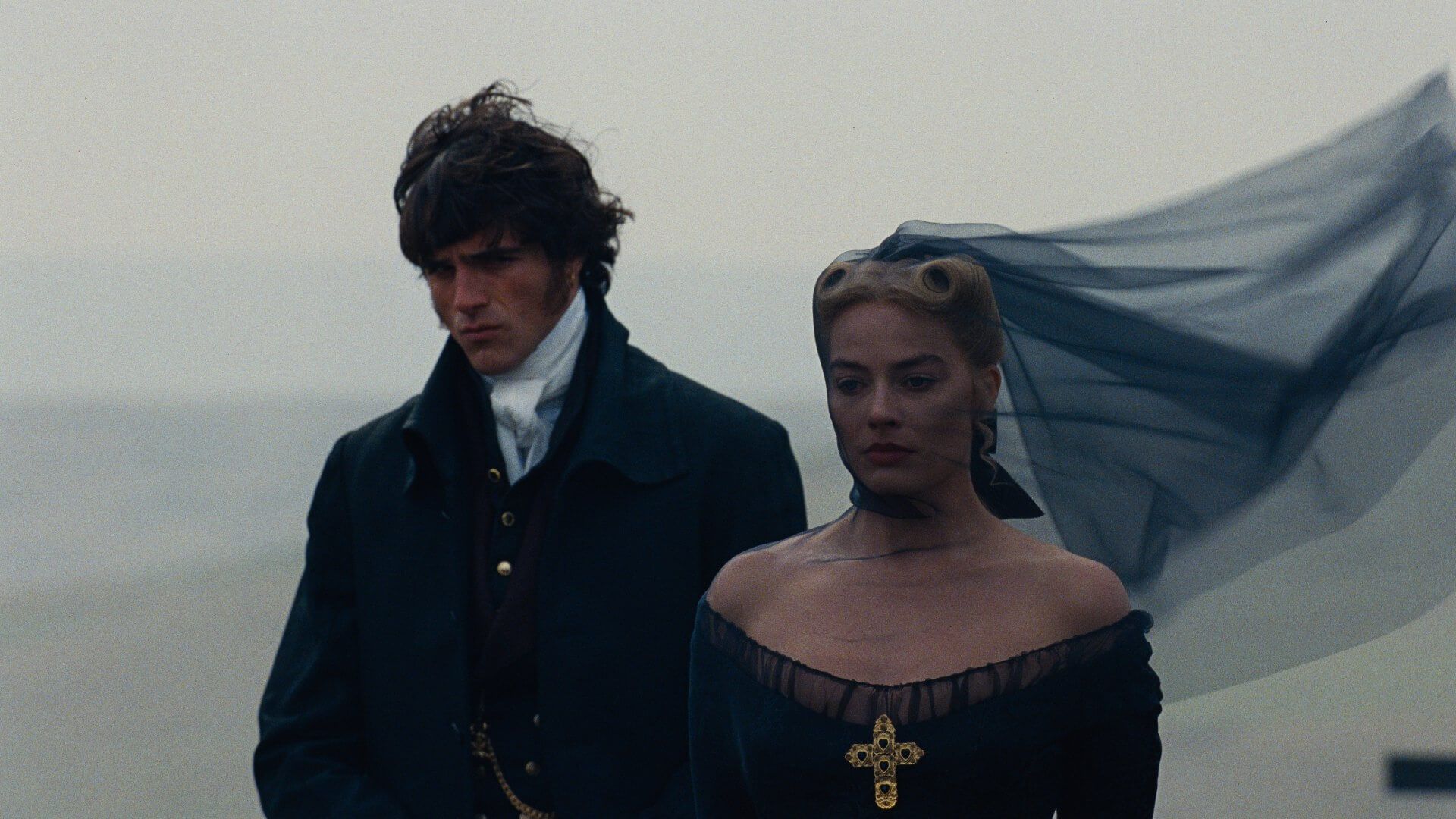
The popularity of films like Hamnet or Wuthering Heights shows rising interest in William Shakespeare and Emily Brontë’s original novel Wuthering Heights, despite its challenging text. This excludes books popularized by the #BookTok trend, which encourages young readers to explore everything from Rebecca Yarros’s bestselling Fourth Wing to Dostoevsky’s short story White Nights.
In Thailand, not only is there a book trend (the Facebook group “Book Recommendation Association” has nearly 400,000 members), but also a growing hunger among young people for intelligence. Facebook history groups reveal many Thais study history beyond textbooks, and creators like Farose have successfully held their own talk shows. Reading activities occur regularly, making books part of life’s pleasures, similar to the West, where influencers feature books as an Instagram aesthetic.
As many articles have noted, there is a reversal trend where people turn to handcrafted, slow-paced, and natural experiences. It may be a human mechanism to escape the overload of technology, AI, and rapid pace—similar to fashion’s cyclical return to earlier eras. This is likely one reason we are craving intelligence once again.
Whether reading is driven by fashion, performative reasons, or trends, what matters is that books and reading remain part of conversations and online life more than we might expect—especially as print media close and writers face replacement by AI. There is still hope that literature will persist among current and future generations.
,,,