

According to book fair statistics from the Publishers and Booksellers Association of Thailand (PUBAT), more readers attend book fairs every year. This year, a notable number of new books have been released, and there is a clear rise in reading trends. These include genres like yaoi novels, literature, and various types of novels, from science fiction to fantasy. Various factors contribute to this, such as film adaptations that have piqued interest, for example,Dune, Project Hail Mary, Fourth Wing, The TenantorHarry PotterMost notably,The Odyssey—an epic with a structure different from others—has seen increased interest following news of its adaptation by Christopher Nolan.
All these works are Western and this is quite normal since Western books have long been popular among Thai readers. However, in recent years, it is surprising that Thai books have become increasingly popular annually, shedding the old image of a stagnant Thai book or novel industry. Online communities like the Facebook group 'Book Recommendation Association,' with hundreds of thousands of members, continuously support reading. This can be considered a fascinating phenomenon in Thailand, especially after surveys led to the humorous meme that “Thais read no more than eight lines.”
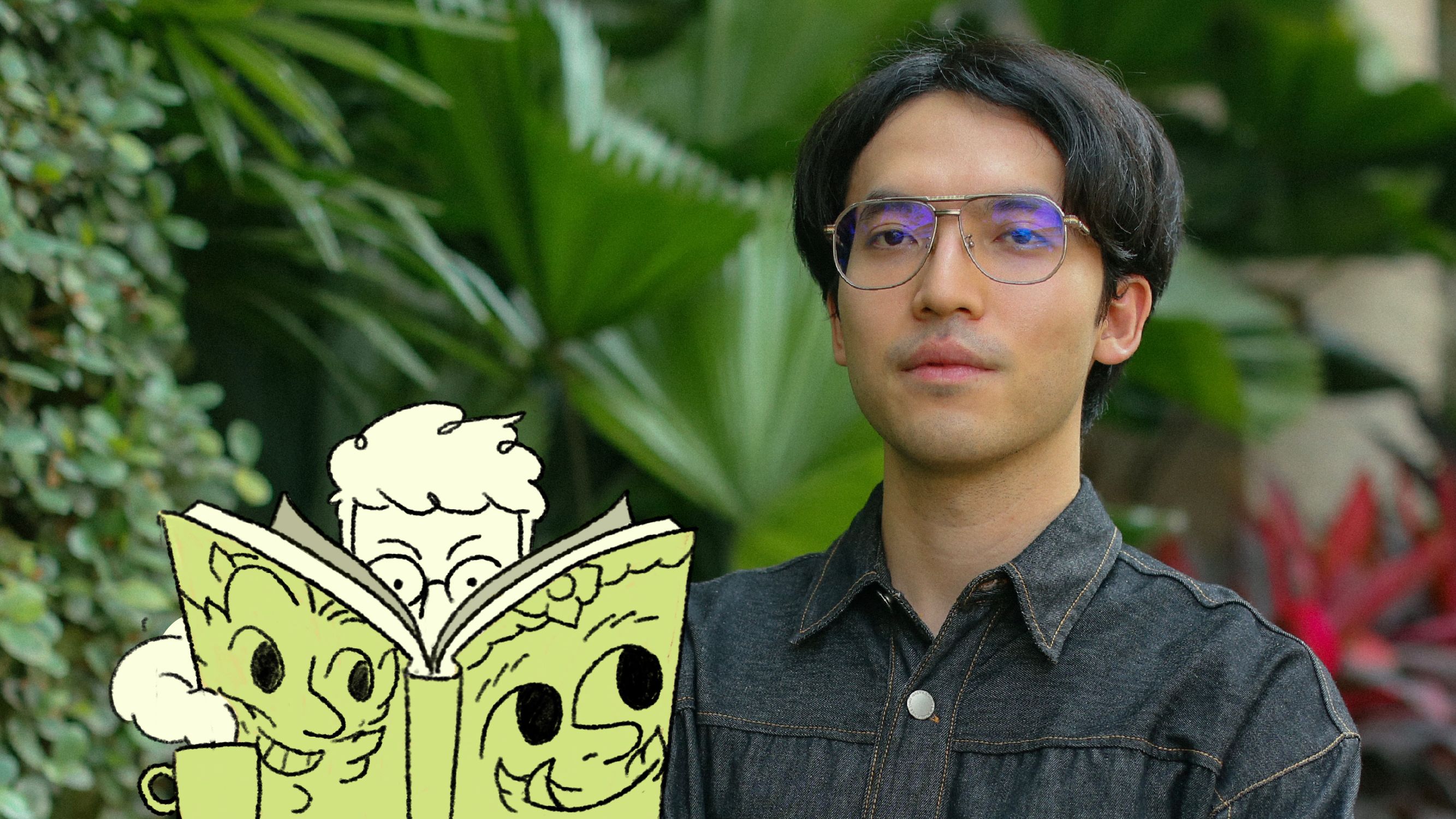
“Thai novels are gaining more attention both domestically and internationally. From the 2025 book fair onward, it’s clear that Thai books are selling much better.” Tas Parinyakanit editor of Shine Publishing, said. He studied English literature and began his career as an editor of translated novels before founding a publishing house focused on Thai works, believing that Thai authors' creations are so engaging that readers can’t put them down.
“We are a publisher that prints Thai works by Thai authors. Our concept is to let Thai works shine. Readers should feel amazed when reading our books, as our tagline is ‘Read and Shine,’ meaning ‘read and sparkle.’ We aim to deliver fun that makes their eyes light up.”
Shine Publishing launched with notable novels such asJuabrapee AdsongandGhost Me Free Wifi: You Can Trick Me, But You PayThey also republished the S.E.A. Write Award-winning novelThe Blind Earthworm in the Labyrinthby Veeraporn Nitiprapha. At the recent book fair, they published works likeWish We All Die in PeaceandHappy Expiration DateTas shared that he is very pleased that novels by Thai authors are selling well, overturning his childhood impression that readers often found Thai works hard to access and thus did not pick them up.
“We see that the works published by Shine are both fun and meaningful to diverse audiences. Readers find reflections of society in them, or appreciate the quality of the language. They are enjoyable page-turners that keep readers wanting to flip the next page. This encourages readers to share with others. As generations share, new reader groups want to read and pass it on—this fun connects with people of all ages and genders.”
As accessibility to Thai writing changes from before,
most Thais are not very familiar with Thai literature, especially among the younger generation, aside from Thai works used as school textbooks, which are mainly literary works like Happiness of Kati, The Judgment, or Luk Isan. These Thai literary works often have dense content, reflect society, and possess full linguistic aesthetics. Many Thai authors emerged during that period, significantly shaping the charm of Thai literature. However, at one point, the image of Thai literature declined. Literary magazines like Writer closed for the second time in 2015 due to digital disruption changing reading habits. Book fair booths for these works also noticeably quieted.
Then one day, Thai writing resurged, driven by new writers, breathing life back into the nearly lost Thai book industry. This raises the question of how much the value of new Thai writing differs from past works. New Thai works seem more accessible. If so, can we still classify these new decade's Thai works as Thai literature?
“Personally, I want to say that even today, we’re still not sure exactly what defines literature,” Tas explained thoughtfully. “The Cambridge Dictionary defines ‘literature’ as written artistic works, especially those with high and lasting value. Many people say literature is valuable work that transcends time.”
Tas pondered this for a long time, saying these definitions haunted him since university and throughout his publishing career. When studying English literature at Thammasat University, professors encouraged questioning “What is literature?” They debated that if literature must be valuable, does that mean works not called literature by society—such as manga or yaoi novels—have no value? Actually, the meaning of every work depends on readers and how they interpret it.
“For me, literature means individuality and fluidity that constantly changes. Anyone can define literature however they want; there’s no right or wrong. A Thai novel may or may not be considered Thai literature because each reader values works differently based on their experiences and life context.”
“Nowadays, Thai readers are much more diverse. New reader groups arise all the time with new reading tastes. Authors write in various styles because as the market broadens, publishers want to print new genres, and authors want to express themselves more authentically.”
Why aren’t Thai works exported internationally like those from other countries?
It is known that on the global literary scale, Thai works are rarely discussed and mostly unknown widely. Meanwhile, Asian countries like India export works from authors like Arundhati Roy, who won the Pulitzer Prize forThe God of Small ThingsTaiwan hasTaiwan Travelogueby Yang Shuang-zi, and South Korea recently entered the global scene after Han Kang won the Nobel Prize in Literature for her novelThe VegetarianJapan, in particular, offers an interesting case study in exporting literature abroad.
Thai readers are familiar with Haruki Murakami, author ofNorwegian Woodand1Q84.Soon after, publishers increased releases of other Japanese writers such as Yoko Ogawa, Asako Yuzuki, and Mieko Kawakami, as well as classic authors like Yasunari Kawabata, Osamu Dazai, and Yukio Mishima.
For Thailand, comparatively few Thai works have been exported abroad. Notable examples includeWhite Shadowby Saneh Sang-suk (pen name Dan-aran Sangthong), translated asWhite Shadowand awarded the Ordre des Arts et des Lettres medal by the French government. There's alsoThe Blind Earthworm in the Labyrinthby Veeraporn Nitiprapha. Older works have been promoted by foreigners, such asBehind the Paintingby Sriburapha, published by Penguin Books asBehind the Painting.
“Some older works have been forgotten today, even though they may not differ much from current works. Some today see Thai novels as old-fashioned or Thai literature as difficult to read because of language not commonly used now and unengaging plots.”
“However, there are many easy and fun pieces, such as horror short stories by Sorajak with simple language and unexpected twists, or ghost stories by Hem Vechakorn from the early days of Thai ghost writing that remain chilling even today. ‘Mahanakorn’ by Koynuch is easy and extremely funny, and the erotic masterpiece ‘Story of Jan Dara’ is as page-turning as foreign works.”
The Fabulist(Thai title:Juti) is a work by Uthis Hemamool, which was proposed to Penguin Books by Soi Publishing and Literary Agency, driven by three women. Currently, Thai works are gradually being promoted for export. Tas adds there is hope because agencies and supporting organizations exist, and many foreigners are showing interest in Thai literature.
“When we meet people in the international book industry, we find they don’t disdain Thai works but judge based on whether Thai titles are interesting. If they are, they evaluate them with their own reader groups. They see Thai works as undiscovered, which is a good opportunity for them to pioneer.”
“A Turkish person told me he’s interested in the Thai works we produce and asked what other fun titles exist because previously he didn’t even know what Thais read or which works sell well, as he had no access to that information.”
Tas continued that the Thai book industry has supported international export for some time. For example, THACCA offers programs allowing foreigners to meet Thai book professionals. Thai and foreign literary agencies also continuously present Thai manuscripts to overseas markets.
“Japan, Korea, and Taiwan receive very high levels of funding support. Listening to Taiwanese and Korean colleagues, we’re amazed at how seriously their countries value reading. Organizations like PUBAT in Thailand also work hard and have many achievements. We expect many positive outcomes ahead.”
“The latest book fair includes fellowships for foreigners to meet Thai authors or publishers, with funding allowing direct contact with Thai creators. This helps Thai works reach abroad, creating a mutually beneficial dynamic that’s exciting to watch.”
Clever is the new cool: As Generation Z reads more
On social media, many influencers and celebrities post photos with the books they’re reading. For instance, Dua Lipa is cited by the media as a singer who reintroduces a reading lifestyle and culture into the mainstream. Books have almost become part of fashion. In Thailand, reading clubs, academic bars, and book discussions have doubled. The Guardian once called this phenomenon “Clever is the new cool,” meaning reading is trendy and sexy.
“We feel that viewing reading as sexy or intelligence as sexy has existed in every era because reading makes one appear educated. Previously, those who accessed reading first were elites. Today’s trend may stem from social media as people share lifestyle stories, revealing who they are and their habits. Wanting to appear smart, people post about reading books.”
“The trend of Performative Reading—where people choose books to showcase a reading lifestyle—is interesting. Many criticize whether people actually read or just take photos with books.”
“We see both pros and cons. It might encourage more people to actually read, discover books, and keep books alive in the world. It prevents books from dying out long-term, keeps reading dynamic, and continuously creates new meanings as more people engage with books.”
Throughout the interview, Tas consistently expressed confidence that the Thai book industry is growing with hope. Though progress may not be huge, everyone in the literary field is working hard to advance Thai writing. Many authors create with conviction, publishers carefully produce Thai works, and ultimately, Thai readers are the crucial factor and encouragement fostering quality Thai authors in the future.
“Whenever something stagnates, one meaning of it ceases to evolve, and we never know if it’s still alive. Likewise with reading: as long as people read books, especially Thai works and novels, Thai literature will continue to have lively meaning,” Tas concluded.