

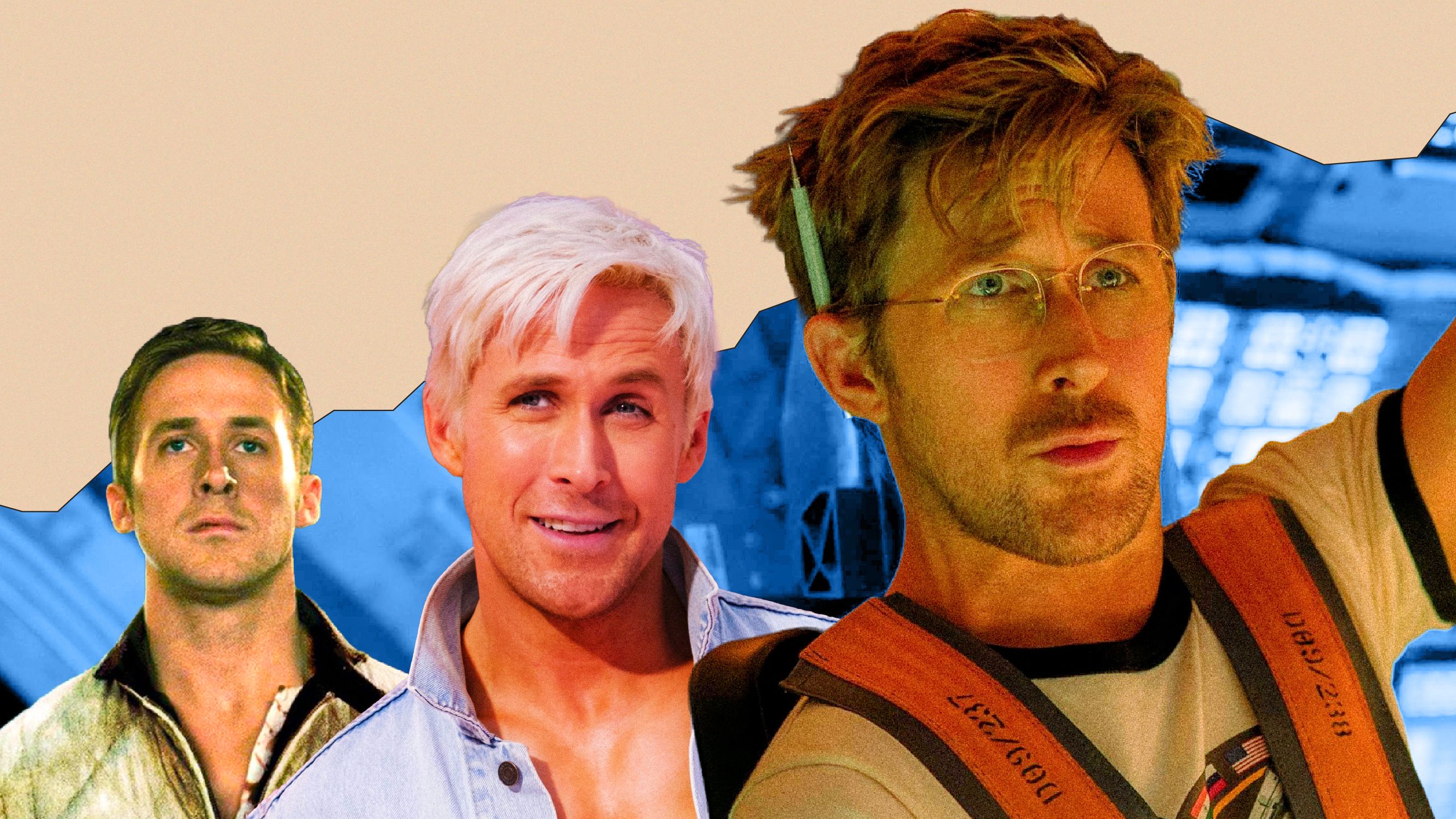
“He’s so literally me!” is a phrase that floods the internet whenever a film starring Ryan Gosling is released, accompanied by countless humorous memes featuring characters he plays. Beyond being an actor with diverse roles, Ryan Gosling has become a Pop Culture Icon and Internet Meme phenomenon. No matter the film, his characters are regularly discussed on social media, sparking what’s known as The Ryan Gosling Phenomenon or Gosling Fever for a time.
Currently, Project Hail Mary is making him a trending topic once again, with even astronauts aboard Artemis II quoting lines from the movie.
Twenty years ago, he was less known. Gosling gradually rose in Hollywood, first gaining recognition among drama and rom-com fans with The Notebook (2004), playing a down-on-his-luck man in love with a woman from a wealthy family, at just 24 years old. He slowly appeared in memorable roles like Dean Pereira in Blue Valentine (2010), then Jacob Palmer, a charming playboy in Crazy, Stupid, Love (2011). His breakout widely discussed role came with Drive (2011), portraying a stoic stuntman and getaway driver, shifting away from his earlier rom-com image, before shining again as Sebastian, the jazz musician chasing his dreams but unlucky in love, in La La Land (2016).
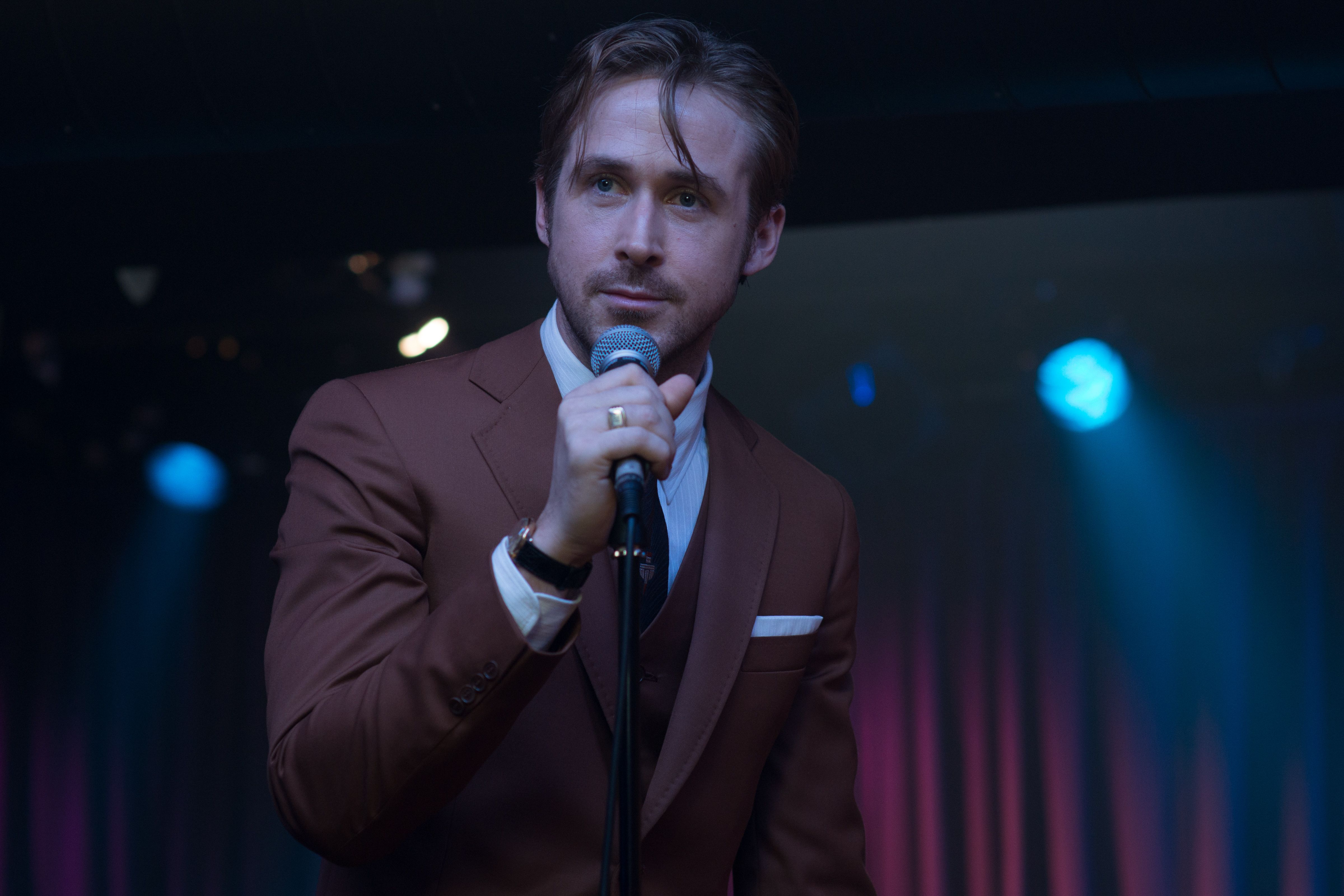
The Ryan Gosling phenomenon became clear during Drive and La La Land, spawning countless memes. The ‘I Drive’ meme captures the reckless, indifferent driver persona, while scenes re-edited to portray a cool yet emotionally sensitive character circulated widely. La La Land’s piano scene where Sebastian looks at Mia (Emma Stone) became a meme expressing social media emotions, especially among men who often say “He’s so literally me.”
Why is Ryan Gosling described as ‘so literally me’?
The ‘Literally Me’ meme, meaning “this is exactly me,” began with his roles as the Driver in Drive, K. in Blade Runner 2049—a character embodying loneliness in a dystopian future—and Ken in Barbie, a devoted man rejected by his love. Since then, nearly all his roles have been labeled as embodying “every man,” especially shared mostly by male audiences. Thus, beyond being a Pop Culture Icon, Ryan Gosling has become a representative figure for men.
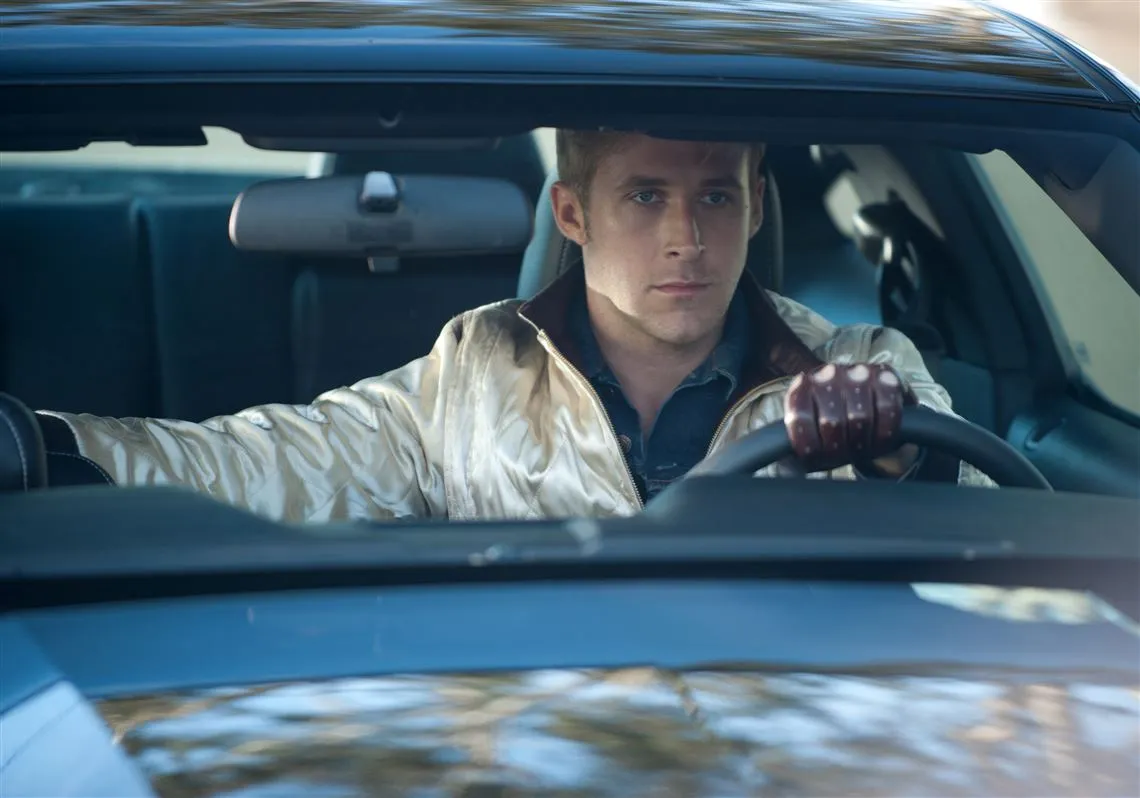
Drive was the first film to clearly showcase the synergy between character and actor. Gosling played The Driver, a stuntman who takes on nearly any driving job, legal or not. Though quiet and stoic externally, his character has deep emotional complexity, cruelty, and sensitivity. He is a moral outlier, helping others including a struggling widow with children.
Netizens did not label him as an Alpha Male—an extreme masculine leader—but as a Sigma Male, the lone wolf outside social hierarchies. This explains why many men feel his characters are mysterious yet unmistakably cool.
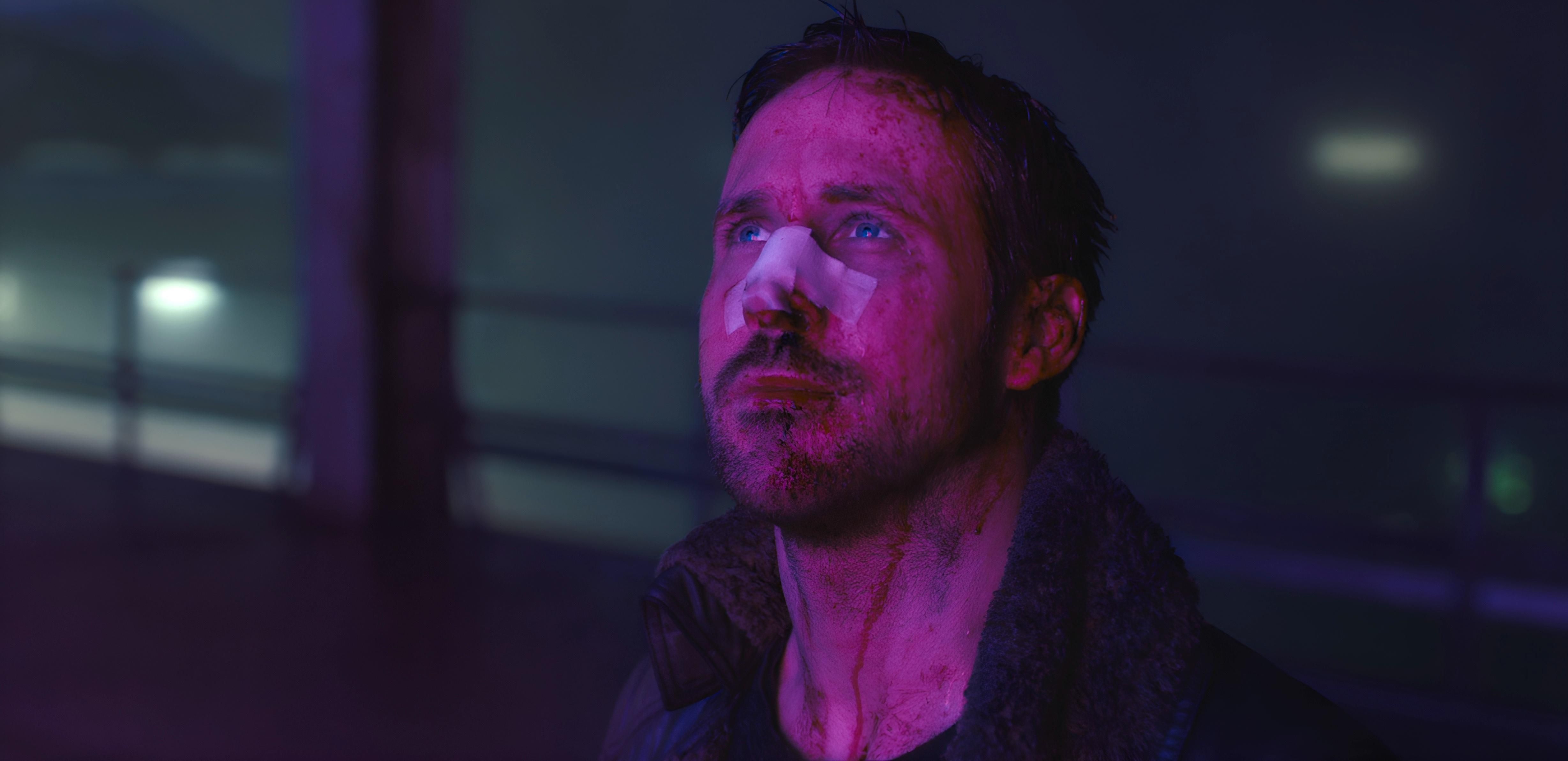
It’s possible that Gosling’s Driver reflects the universal human feeling of inner loneliness, unexpressed but visible through his on-screen persona. This loneliness is further highlighted by K., the retired synthetic human in Blade Runner 2049, who is himself synthetic. K. represents an outsider male, socially alienated yet emotionally sensitive, underscored by his messy hair and scars. A hologram scene (featuring Ana de Armas) where she tells him, “You look lonely,” amid rain and a decaying cityscape embodies the Sigma Male image clearly.
 However, Ken’s role in Barbie doesn’t align with the lonely outsider archetype. Why does he remain a widely referenced male figure in memes?
Barbie intentionally portrays female empowerment equal to men, showing women don’t need men to live fulfilled lives. Ken’s character strongly conveys the experience of disappointment, relatable to devoted or well-meaning men who feel ignored. Gosling’s appearance sheds traditional macho traits, instead projecting charm through personality, tenderness, mystery, empathy, and playfulness—all traits he expresses across his roles.
Greta Gerwig the director of Barbie, told GQ, “There’s something about Ryan’s acting. Even though he’s funny, he never steps out of the character to judge it. Instead, he embraces the character’s humor in his own way.”
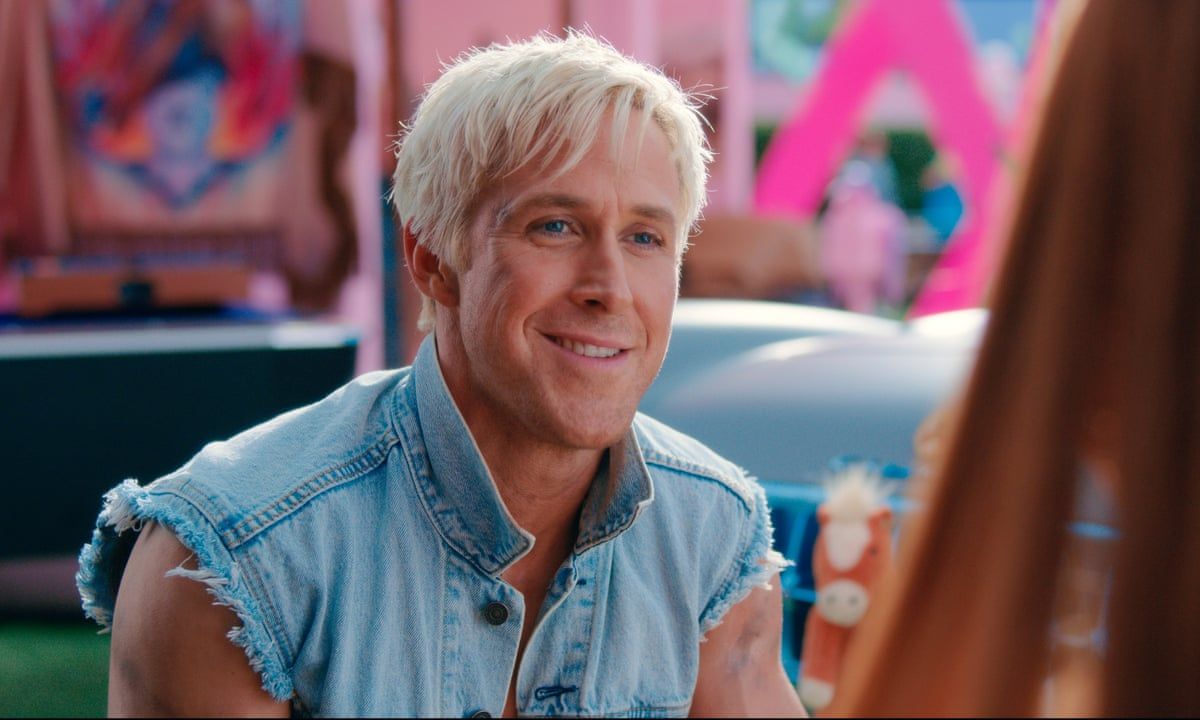
Many online opinions note that Gosling combines masculinity with tenderness, creating a charm that appeals not just to women but also to men. This makes him accessible and approachable, marking the first step toward his allure. Emily Blunt once said Gosling “is tender and fun to be around, not just a typical macho man.” Nick Cassavetes the director of The Notebook, chose him for the lead because he lacked the conventional leading-man look, recognizing instead his unique talents and charm. He even told Gosling directly that he wasn’t traditionally handsome but was “crazy.”
This quality allowed Gosling to excel as Ryland Grace in Project Hail Mary, a role almost like an extension of himself. At the 2025 Comic-Con in San Diego promoting the film, a fan shouted, “You represent us!” Gosling laughed and replied, “You’re literally me,” to the delight of fans who knew well about this phenomenon.
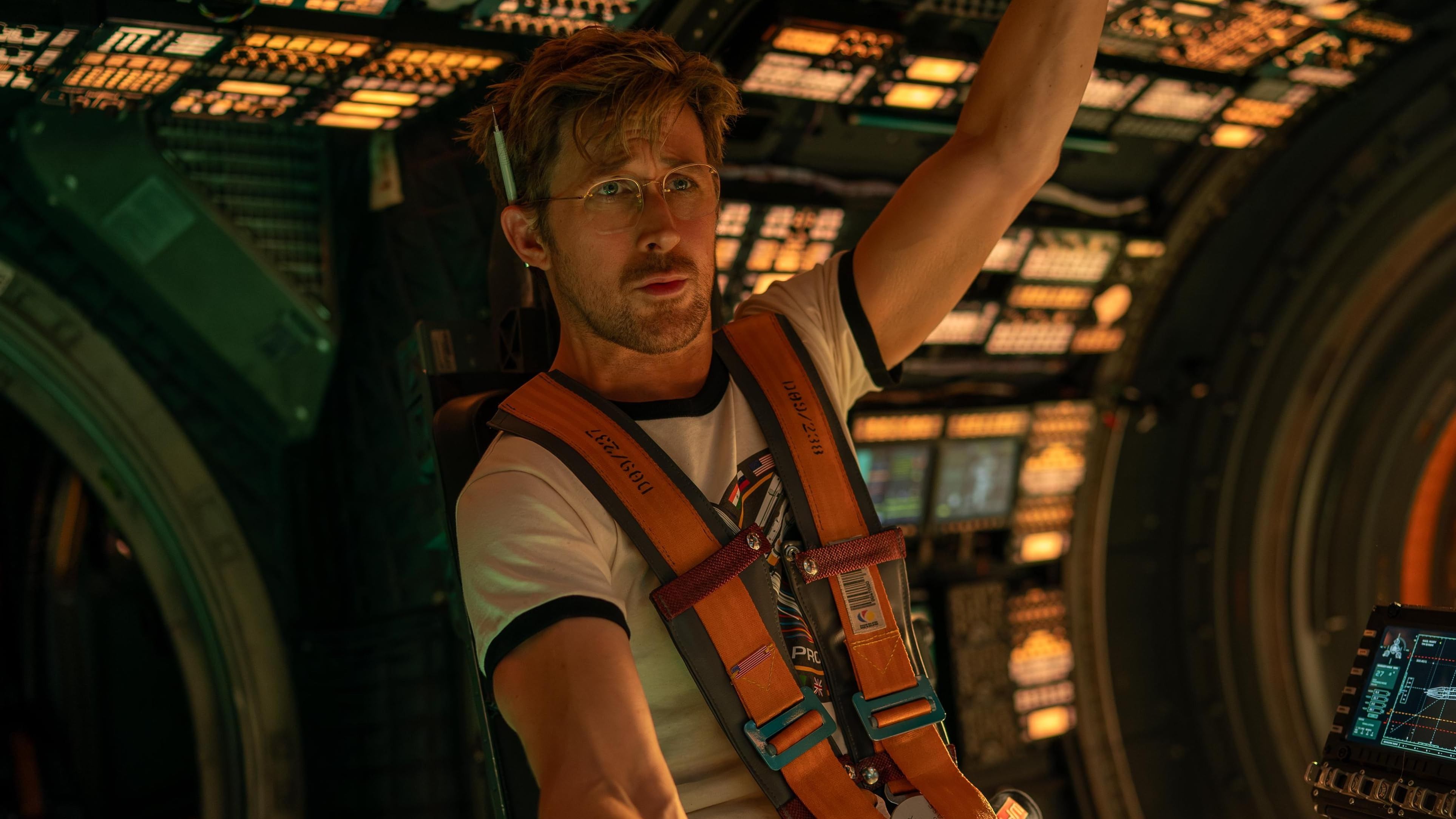
Ryan Gosling has returned as an icon for many men with his playful scientist role saving the world in Project Hail Mary. Before the movie even left theaters, scenes of him dancing with a rock alien sparked the phrase “He’s literally me” again. The film’s publicity embraced the trend by collaborating with posters of his other films, replacing female leads with the rock alien friend.
Off-screen, Gosling remains constantly discussed, with his popularity stable—neither rising nor falling drastically. Online communities continue to see him as a representation of themselves. Even in Gucci ads, where he does not display Sigma male traits, YouTube commenters write, “He’s literally me. (carrying all my emotional baggage).”
References: